

Flight Attendants Say These Are The Worst Seats To Book On An Airplane
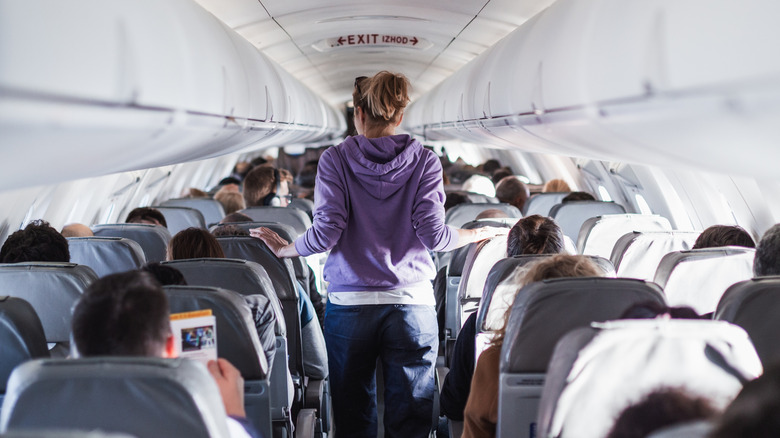
If there's one thing that's sure to spark drama on an airplane, it's seat selection. As a flight attendant for more than 10 years, I can confirm that something as simple as getting a window seat versus an aisle seat (or, heaven forbid, the dreaded middle seat) is enough to send even experienced travelers into a tailspin, and we haven't even talked about upgrades. Everyone has their own preferences — families want to stay together, while those who plan to sleep typically opt to sit next to a window (but you can also get some shut-eye in a seat on the aisle by using this flight attendant-approved airplane hack to make your trip more comfortable). That being said, there is one section of the plane that everyone should consider avoiding, and that's the back row.
Most airlines now allow you to book your seats in advance, and I highly recommend taking them up on this offer. Choosing where to sit provides customers with a sense of control over an environment where there is otherwise very little. For example, anxious fliers may prefer an aisle seat, because it gives the illusion of having more space. What most passengers don't realize is that where your row is located on the plane might be even more important than the more common window versus aisle seat dilemma.
There are a handful of reasons that I avoid sitting in the back row as a passenger, and you should keep all of them in mind when selecting your seat for your next flight. From how comfortable your flight will be to how quickly you'll be able to get off the plane, the back row presents more than one problem that can otherwise be avoided by choosing your seat more wisely.
Don't book a seat in the last row
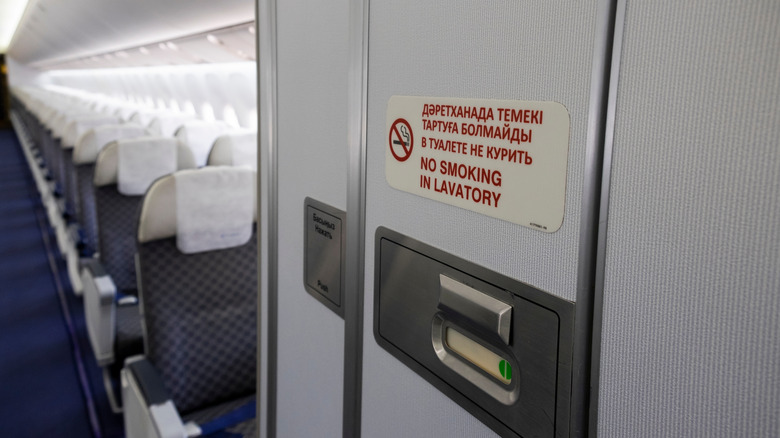
Let's begin with the obvious reason to avoid the back row, and that's the fact that most planes require exiting from the front of the cabin. This means passengers seated in the last row are going to wait the longest to disembark, and no one wants to spend extra time on the plane once it has landed. The back row can also significantly impact your comfort level during the flight itself. The topic of reclining an airplane seat has been known to spark heated debate among travelers, but let's be honest: Almost everyone does it, or at least wants the option to be able to do it, especially on long-haul flights. Depending on the aircraft configuration, many back rows have seats that are positioned up against a wall, causing those seated there to lose the ability to recline. This is the first of several strikes against your comfort.
Strike number two brings the issue of overcrowding. There isn't a lot of extra space on most planes, and the back row is a high-traffic area due to being home to at least one (but likely several) lavatories. Those waiting to use these on-board restrooms typically line up in the aisle, which results in passengers being boxed into the back rows for most of the flight. Not to mention, the proximity to the restrooms can come with some undesirable odors.
Finally, any bumps the plane hits along the way are going to feel worse in the back of the plane, while customers in the front may hardly experience any discomfort. This is not the place to be for anyone uncomfortable with flying, as even light turbulence can feel overwhelming here.
Other seats to avoid
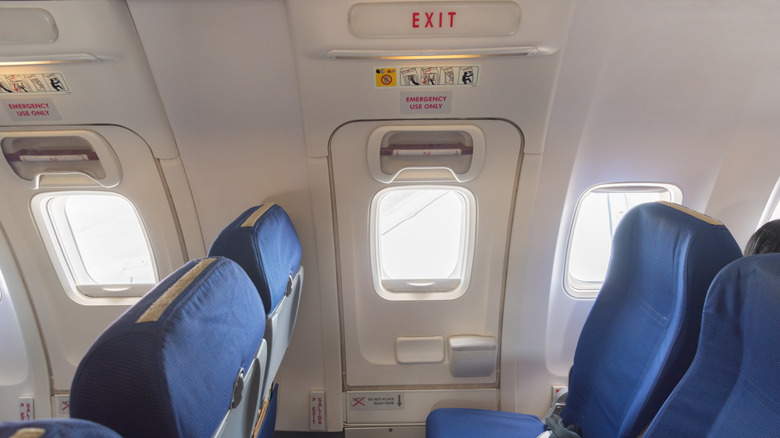
While being seated in the exit row may come with some extra duties and responsibilities in the unlikely event of an emergency, sitting there also typically comes with a bit of extra space. Some airlines consider this to be worthy of a paid upgrade, while others don't. If it doesn't cost anything extra to choose an exit row, and you don't mind agreeing to help in the event of an emergency, I'd highly recommend selecting those seats when given the chance. But it may surprise you to learn that some of the worst seats on the plane are directly in front of the exit row (or even in the first exit row itself) for a very simple reason we've already discussed — they likely won't recline.
Flight attendants ask you to raise your seatback into the upright position for the most dangerous phases of flight, takeoff and landing. The reason for this is that it takes a lot longer to evacuate a plane with seats reclined. The standard evacuation time expected during an emergency is typically a mere 90 seconds, and it would be an undeniable safety issue to have reclined seats impeding the flow of an evacuation in an exit row. Rather than having flight attendants ensure seatback compliance like they do for the rest of the plane, most designs opt to eliminate the issue altogether by making it impossible to recline any seats that would interfere with an emergency exit.
Keep these things in mind (along with airline seat etiquette, like the three unspoken rules to follow if the middle seat is empty on your flight) the next time you book a trip, and you're sure to have a better travel experience.