

Avoid Having Liquids Confiscated By TSA With This Expert-Approved Advice
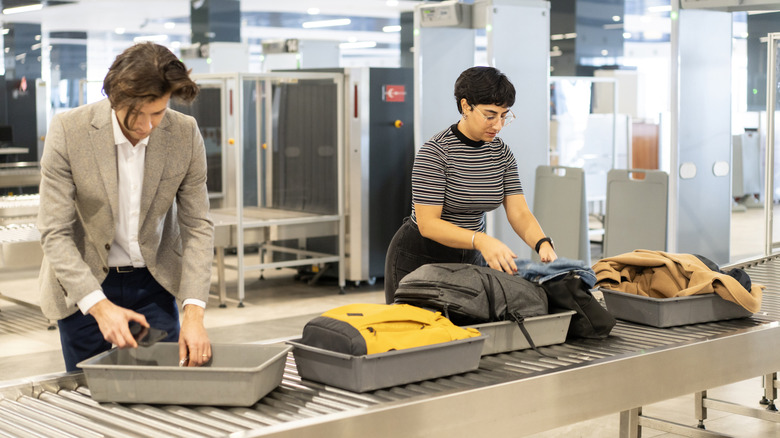
Dealing with the Transportation Security Administration's (TSA) strict carry-on liquids rules can be a hassle. But what's worse is not heeding official advice and having items confiscated in the security line. As a traveler, it's crucial to get familiar with TSA's rules on toiletries and other liquids, which still follow the 3-1-1 guidelines: Limit containers to 3.4 ounces or less, and place all containers in a single quart-size bag per passenger. If that isn't enough space for your hair and skincare products, your go-to toothpaste, and your favorite drinks, experts have one clever hack to help you travel with more liquids, without running into trouble.
If your liquids exceed the 3.4-ounce limit, or if your collection of travel-sized bottles can't be confined to a single plastic baggie, try freezing them. TSA confirms on its website that frozen liquids aren't subject to the 3-1-1 rule, as long as they're completely solid during the airport security screening. And apparently, experts in the know have been doing this for years. In 2017, The Points Guy shared the hack, suggesting that fliers freeze their bottled drinks before going through TSA. Caleb Harmon-Marshall, a former TSA agent who goes by @travelwiththeharmony on TikTok, also posted a video in 2022 explaining that liquid foods and drinks can be brought through security if they're fully frozen.
What to know before freezing your carry-on liquids
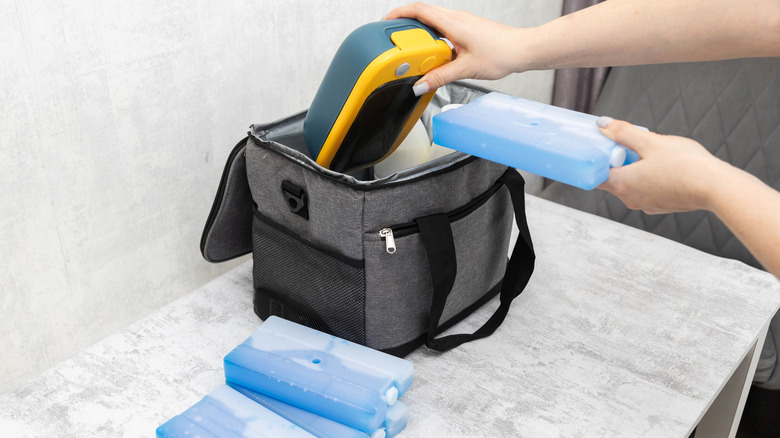
Though freezing your carry-on liquids sounds simple enough, there are a few things to keep in mind before trying this expert-approved advice. First, since any frozen items will be treated as regular liquids once they start to thaw (even if they're only partially melted), it's a good idea to use ice packs to maintain freezer-like temperatures. Remember that reusable gel or liquid ice packs should be frozen again before you make your return flight, so if your accommodation doesn't have a freezer, disposable packs may be better.
It's also important to note that not all liquids should be frozen. For example, beauty products containing water, preservatives, and other active ingredients are best kept at a stable temperature. When frozen and defrosted, the formulas are altered and degraded, which could mean your conditioner, skin serum, and other personal care goods are no longer effective. Similarly, liquid medications shouldn't be frozen, as doing so can negate their therapeutic properties.
Finally, know that some liquids don't need to be frozen at all, even if they exceed TSA's limits. For example, medically necessary items and nourishments for small children (such as milk or formula for an infant) are exempt from the 3-1-1 limits, though you should notify the security officer and leave time for additional screening at the airport. Soft (but still solid) foods like cheese are also exempt from TSA's liquids rules, so go ahead and bring a luxurious charcuterie board spread through security to eat during your flight. If you still have too many liquids and can't freeze them all, remember that you can always check your luggage. Try the viral 333 packing method for your clothes and save the remaining space in your bag for toiletries and food items.