

New York's Scenic Village In The Hudson River Valley Has Hiking Trails And A Nearby Castle
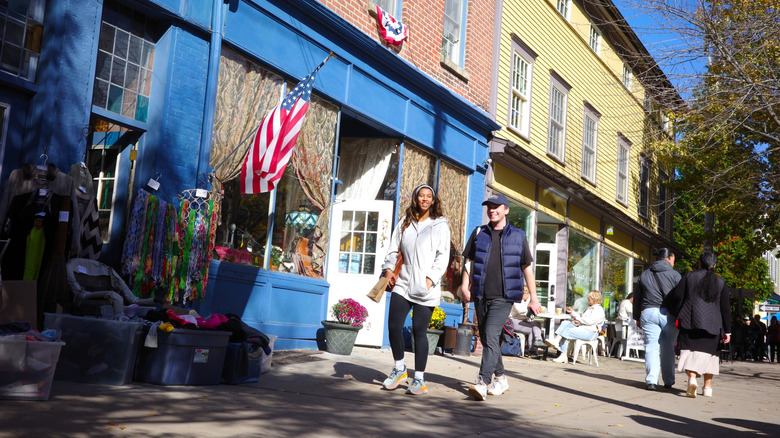
Less than two hours north of New York City by car and about 80 minutes by Metro-North MTA rail, Cold Spring is one of New York's most underrated towns for a laid-back getaway. Situated along the eastern bank of the Hudson River, the village has retained much of its 19th-century character, making it feel worlds away from the big city. At the heart of Cold Spring is a remarkably well-preserved historic district. Much of the village developed during the 1800s, when nearby industrial sites, such as the West Point Foundry, helped fuel economic growth. Today, many of the brick storefronts, churches, and residences from that era remain intact, contributing to the village's inclusion on the National Register of Historic Places.
Visitors interested in local history can stop at the Putnam History Museum, which offers exhibitions on the foundry, military history, and the development of the Hudson Highlands. However, Cold Spring is perhaps best known as a gateway to some of the Hudson Valley's most celebrated hiking destinations. The village sits adjacent to Hudson Highlands State Park Preserve, a protected area encompassing thousands of acres of forest and riverfront terrain. Nearby Breakneck Ridge has also long been considered one of the region's most famous hikes.
If you're looking for a truly special excursion, there's also Pollepel Island, home to the striking Bannerman Castle. Built in the early 1900s by Scottish-American businessman Francis Bannerman VI, the castle is reminiscent of another of New York's hidden gems, the Boldt Castle. Today, visitors can reach Pollepel Island on guided tours that depart from nearby Beacon, about a 15-minute drive from Cold Spring.
Shopping and hiking adventures in Cold Spring
Stretching downhill toward the Hudson River, Cold Spring's Main Street is lined with independently owned antique stores, bookstores, cafes, art galleries, specialty food shops, and restaurants. At the riverfront end of Main Street, visitors will find small parks, benches, and scenic viewpoints overlooking the Hudson. Food lovers should visit the Cold Spring Farmers' Market, a year-round market held on Saturdays at nearby Boscobel House and Gardens in Garrison. Vendors from local farms typically offer fresh fruits and vegetables, baked goods, locally made jams, cheeses, seafood, and seasonal specialties from throughout the Hudson Valley.
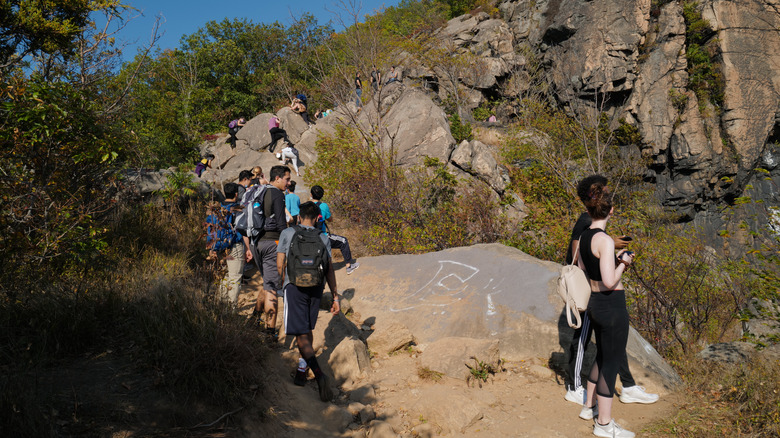
In addition to the waterfront and historic district, outdoor recreation remains another of Cold Spring's biggest draws. Hudson Highlands State Park Preserve encompasses more than 8,000 acres and over 70 miles of trails that stretch along the Hudson River corridor. Several trailheads are located on the north end of the village, making nature shockingly accessible compared to, say, the Adirondacks' more vast and remote hiking trails.
Among the most popular hikes is Bull Hill, also known as Mount Taurus. The trail offers a challenging climb that rewards hikers with expansive views of the Hudson River, surrounding mountains, and nearby villages. The shorter loop covers approximately 4.4 miles, while the longer loop extends to roughly 5.5 miles. Along the route, hikers encounter a variety of landscapes, including forests, ridgelines, and even historic ruins. Highlights include the remains of a former stone quarry and the Cornish Estate ruins, often referred to as the Northgate ruins. These abandoned stone structures add a distinctive historical element to a hike already known for its scenery, especially during the fall when the surrounding hillsides are ablaze in color.
Planning a trip to Cold Spring, New York
Cold Spring is a great year-round destination, as each season brings out a different side of the village and the surrounding Hudson River Valley. Spring is an excellent time to visit Manitoga, the former home and studio of industrial designer Russel Wright, located a 10-minute drive south of the village. Guided tours of the house and grounds typically resume during the warmer months and require advance reservations. The surrounding trails and gardens are especially appealing during this season. Summer is ideal for enjoying the Hudson River waterfront and exploring the area's extensive trail network.
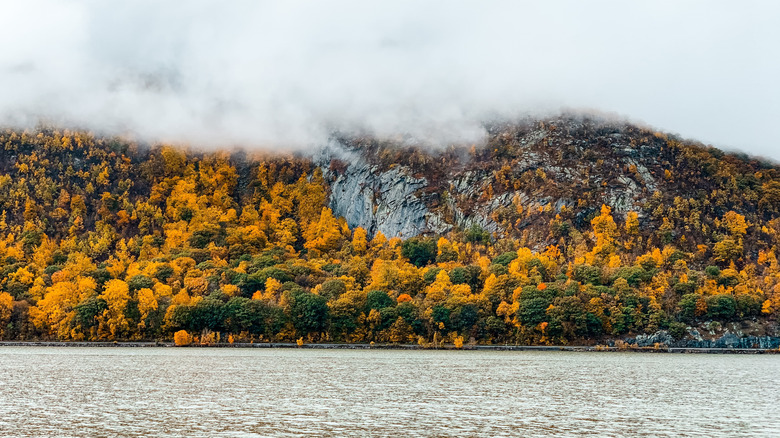
Fall is widely considered the most scenic time to visit. The Hudson Highlands become a showcase of foliage, drawing hikers and photographers from near and far. Cooler temperatures during this time of year also make longer hikes more comfortable. Winter is quieter but still appealing. Holiday decorations and cozy cafes support a festive atmosphere, making the village a solid destination for a day trip and for seasonal shopping.
One of Cold Spring's greatest advantages is how easy it is to reach without a car. Metro-North's Hudson Line connects the village directly to New York City, and the station sits only a short walk from Main Street. To avoid peak season parking challenges in the summer and fall, take the train so you can spend more of each day exploring the village, dining outdoors, and relaxing along the riverfront. Visitors can also take advantage of the Cold Spring Trolley, a vintage-style hop-on, hop-off service that operates seasonally. It costs just $2 per ride (as of this writing) and connects key attractions around town.