

Three Brand New State Parks Are Coming To California – Here's What To Expect
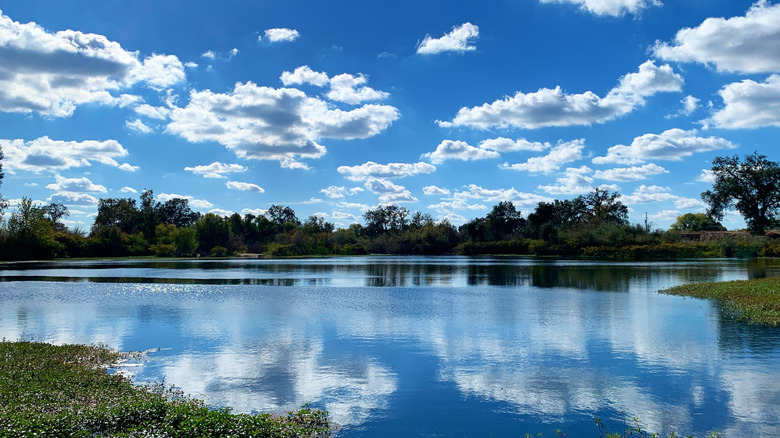
While California is full of iconic landmarks, from the Golden Gate Bridge to the Hollywood sign, its nature may even be more famous, with the state's long coastline and picturesque national parks full of towering trees. Add in a whopping 280 state parks, and California seems to be an outdoor haven for all. However, this is far from the case: California's Central Valley (spanning 400 miles between Bakersfield and Redding) has, until recently, had little state park access. That's about to change, as local parks director Armando Quintero told the LA Times: "If you look at a current map of state parks in California, it looks like a necklace around California. And now we're going to be doing the jewelry on the inside."
On Earth Day 2026, Governor Gavin Newsom announced three new state parks in central California, as part of the new "State Parks Forward" initiative. This new initiative aims to add these new parks, along with an additional 30,000 acres of expansions in existing parks. Combine all of this with a new camping law allowing more rural adventures, and California's commitment to expand outdoor access is clear, with Kari Kyler Daniska, CEO of the San Joaquin River Conservancy, lauding this "unprecedented investment in public access and open space in the Central Valley" (via National Geographic).
The three new proposed parks in the Central Valley region include Feather River Park in Yuba County, San Joaquin River Parkway in Fresno and Madera counties, and Dust Bowl Camp in Kern County. These parks will cover nearly 3,000 acres of protected land and recreation space for the citizens of these counties, in what is one of the fastest-growing areas in the state. Each proposed park must go through a public comment process first, before securing final approval from the governor in fall 2026.
Feather River Park and San Joaquin River Parkway
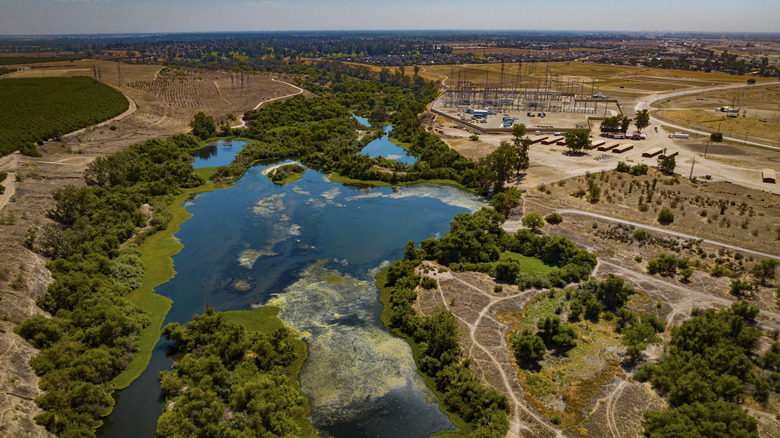
As California State Parks spokesperson Marty Greenstein shared with National Geographic, "Each of the three new planned parks provides something not currently offered at any of the 280 state parks ... whether it be access to two more rivers, San Joaquin and Feather rivers, or another piece of California history like the Dust Bowl." Two of these parks lie in the northern Central Valley: Feather River Park, about 40 miles north of Sacramento, California's unique capital city full of gold rush history, and the San Joaquin River Parkway, 20 miles north of Fresno.
Feather River Park, in Yuba County, will preserve approximately 2,000 acres of integral riverfront, along with delicate floodplains. In addition, Feather River, home to endemic species like river otters and valley oaks, would provide access to various outdoor pursuits. Locals will be able to use a network of riverfront trails, a new river beach (Grays Beach), and a new boat launch (Star Bend).
San Joaquin River Parkway, spanning both Fresno and Madera counties, will combine existing public land into a new 874-acre state park. Activists have been working to preserve important sections of the endangered San Joaquin River near Millerton Lake since the 1980s, so much of the infrastructure is already in place for the proposed park. Visitors will be able to canoe on the river, birdwatch for local species like night herons, or walk along a series of interconnected trails.
Dust Bowl Camp
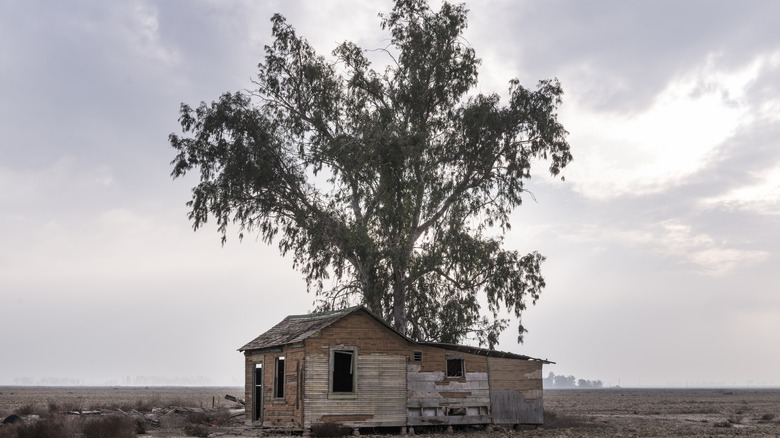
The last of these new proposed parks is small but mighty. At just 2 acres, Dust Bowl Camp — also known as the Sunset Migratory Labor Camp or the Weedpatch Camp — was originally established in 1936 to house migratory workers escaping the Dust Bowl, as part of the largest migration in U.S. history. Now listed on the National Register of Historic Places, Dust Bowl Camp "would be California's first state park directly touching upon the Dust Bowl and the migrant farming camps of the Great Depression," as noted on an official state park fact sheet. Notably, three of the buildings still standing were built in the 1930s: the Community Building, the library, and the post office. In fact, these are said to be the only remaining original Dust Bowl-era buildings in the entire state.
In addition to preserving an important piece of American history, Dust Bowl Camp is also a key setting in the American literary landscape. John Steinbeck's epic "The Grapes of Wrath" was directly inspired by the people and surroundings of Dust Bowl Camp. He even dedicated his book to the camp administrator: "To Tom, who lived it" (via Arts.gov). Although the Dust Bowl Camp, currently owned and maintained by Kern County's Housing Authority, still houses migrants between May and October, it has never been open to visitors. This would all change upon the park's final approval, providing access to a harrowing but essential piece of history.
Dust Bowl Camp is near Arvin, about 18 miles southeast of Bakersfield, in southern Central Valley. To reach Bakersfield, consider hopping aboard the Gold Runner, one of Amtrak's best California train journeys, a six-hour route that connects the Bay Area and Sacramento with Bakersfield.