

One Of Rick Steves' Favorite European Getaways Is A Riverside Gem With Fewer Tourists
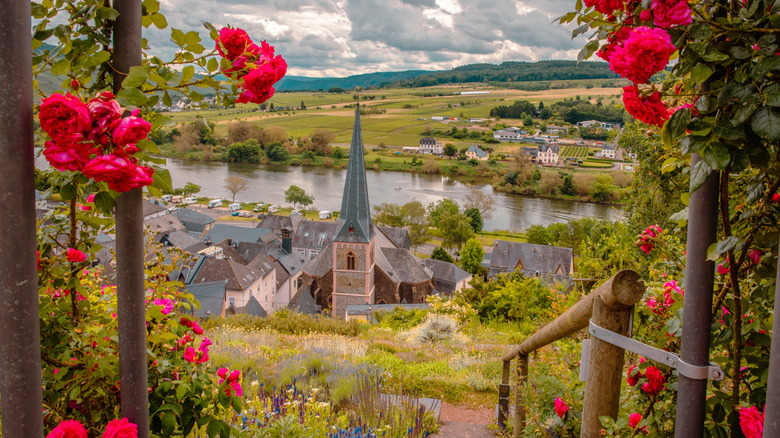
Travel writer Rick Steves is one of our favorite sources for all things Europe, so when he writes about which European tourist traps to avoid and where to go instead, well, our ears perk up. As for Germany, Mr. Steves has opinions, encompassing everything from when to go or where to go. And one of his favorite destinations within Germany is often overlooked by tourists: the Mosel Valley. Even though the Mosel Valley and its environs are considered one of Germany's greatest tourist attractions, many visitors skip it in favor of the Rhine River and its famous banks.
Yet, as Steves notes on his website, "The Mosel is what some visitors hope the Rhine will be — peaceful, sleepy, romantic villages slipped between impossibly steep vineyards and the river, fine wine, a sprinkling of castles, and lots of friendly small pensions." The Mosel Valley, which follows a section of the scenic Mosel River, or "the Rhine's peaceful little sister," is one of Steves' favorite European destinations to disconnect, and where he goes when he needs a "dose of quaint cobbled towns and storybook castles" (via RickSteves.com).
Why the Mosel Valley?
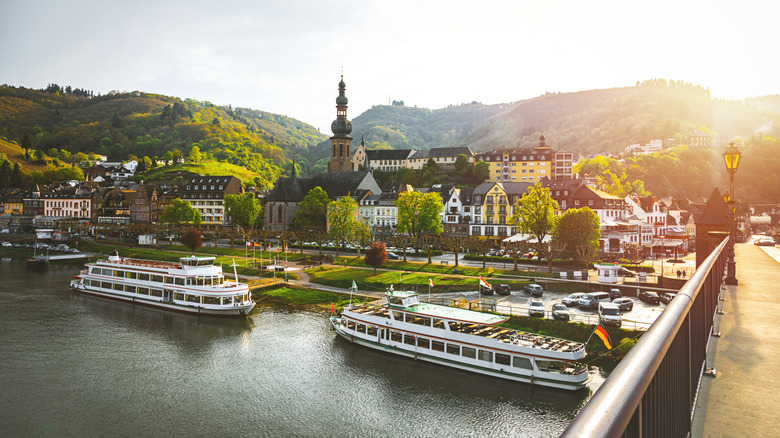
The Mosel (Moselle) Valley winds dreamily along the eponomously named river from the border of France to the beautiful riverside city of Koblenz, one of the Rhine Valley's best places to explore.
The Mosel Valley features towns like the Roman-era Trier, along with plenty of charming hamlets, such as Bernkastel-Kues and Cochem. In fact, Rick Steves calls the stretch of the Mosel Valley between Bernkastel-Kues and Cochem the most scenic.
While the Rhine has it's own cute towns, Steves notes that "boat, train, and car traffic [in the Mosel Valley] is a trickle compared with the roaring Rhine," making the valley a more peaceful destination. Then there's the wine, grown in one of the steepest wine regions in the world (hello, views!). Here, world-famous white wines (especially Riesling) have been grown since the time of the Romans. Summer and fall are ideal times to visit for wine-lovers, when towns throughout the valley host traditional festivals celebrating the harvest. Head to Cochem in early June for the Mosel Wine Week where local wine growers and musicians gather. Or check out the Wine Festival of the Middle Mosel in Bernkastel-Kues, which takes place in early September. Visit this charming half-timbered town for parades, fireworks, and a wine route throughout the village and beyond.
The Mosel Valley doesn't just have wine, smaller crowds, and pretty villages. It also has castles! Many of the towns along the river are crowned by a castle, including Cochem (Reichsburg Cochem) and Bernkastel-Kues (Burg Landshut). The valley's most famous castle, however, is Burg Eltz, which Steves calls "the real deal" and his "favorite castle in all of Europe." Burg Eltz, about 30 minutes from Cochem, dates back to the 12th century and has remained intact since it's inception. The fairy tale vibes here are strong, with well-preserved towers and bridges set against a backdrop of thick forest.
Where to stay in the Mosel Valley
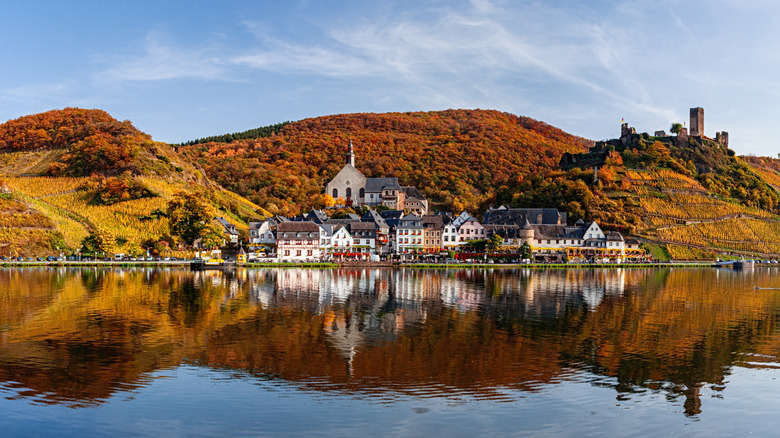
There are multiple ways to experience the castles, wine, and scenery of the Mosel Valley. While many opt for a river cruise, there are also several towns that make an ideal base. One of these is Cochem, the star of the Mosel Valley, lying a little over 30 minutes from Koblenz via train. Cochem, with its colorful buildings lining the waterfront and its sky-high castle, is undeniably picturesque and provides good access to other points in the valley. Within town, wander the breathtaking riverfront promenade, explore medieval streets, or take a cable car up Pinnerkreuz hill for panoramic views.
Rick Steves' favorite town along the Mosel is Beilstein, a romantic German village he dubbed "Cinderella-land." He also calls it "the quaintest of all Mosel towns." Until the early 20th century, you could only visit Beilstein by boat, and the town still has that forgotten feel. It even has the nickname "Sleeping Beauty of the Mosel." If you're looking for your very own German fairy tale, Beilstein is ideal, especially when you notice the castle ruins perched high above town. As Steves notes in another article, Beilstein is "what some visitors hope a Rhine River hamlet might be — a peaceful, romantic village slipped between impossibly steep vineyards and the river."
If you're looking for a less-quaint town along the Mosel (read: more amenities), consider Trier. Originally established by the Romans, Trier is Germany's oldest town, and it offers plenty of tourist attractions worth visiting, including Roman baths and Germany's oldest cathedral. Trier is also an excellent place to hop on the Roman Wine Route (Römische Weinstraße), which follows the origins of wine-growing in the area, all the way back to those Romans.