

4 Mistakes RV Camping Newbies Often Make
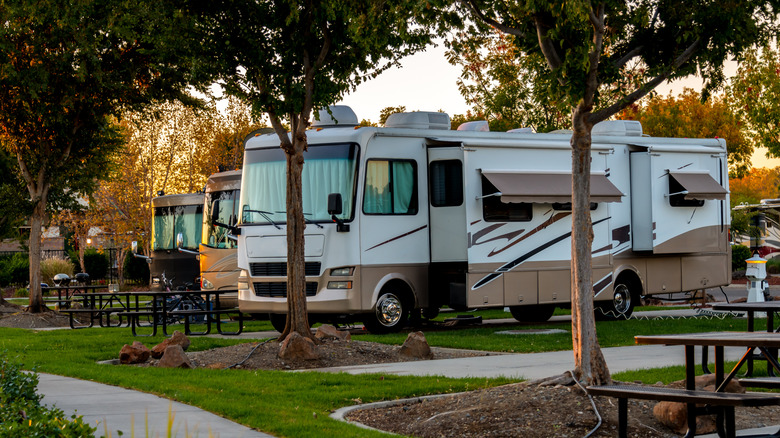
There are many things about RV camping that can be more desirable than the traditional practice of pitching a tent. RVs provide immediate shelter, a place to sleep that's far more comfortable than the ground, and the ability to prepare and cook food with more than just an open fire. "RVing means freedom," Anthony Nalli, host and producer of "The RVers" on Discovery Channel and PBS, told PlanetWare exclusively. "So you don't have to plan too much if you don't want to. Just go where the wind takes you and enjoy whatever there is, wherever you end up."
While rolling in and out of a campsite with everything you need may be a huge advantage, those who are new to this way of exploring the great outdoors should be aware that there can be a bit of a learning curve when it comes to owning and operating these versatile vehicles, beginning with campsite etiquette. "Don't walk through other people's sites," Nalli warned. "Don't get chatty with your new neighbor until you've allowed them time to settle in. Always leave your spot better than when you first arrived there."
And, according to the pro RVer, that's not all: There are a few common mistakes new RV campers make. Avoiding these mistakes can help ensure a smooth transition into the world of RV ownership.
1. Not purchasing the right RV for your needs
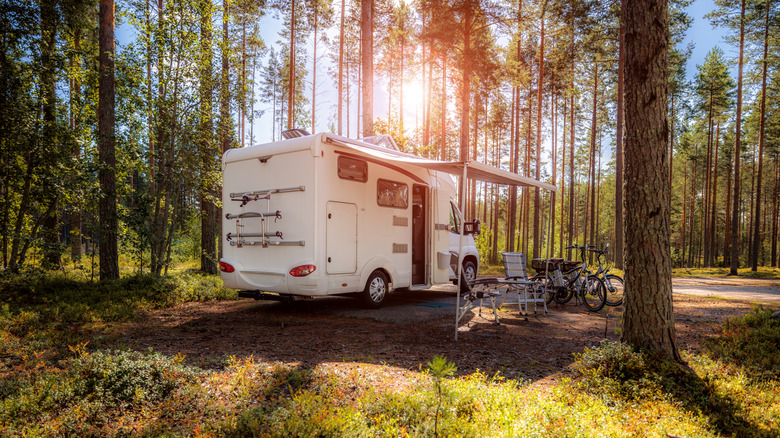
There is going to be a lot to choose from when it comes to purchasing your first RV. Learning the different classifications can help a beginner understand how their specific needs will be met when it comes to varying layouts and features. "Because RVs come with virtually infinite numbers of floor plans, the variety can quickly overwhelm," Anthony Nalli shared. "In my case, I opted to take a step back and digest all the options before choosing."
For example, Class A RVs are larger, sleep more people, and require driving skills associated with bus-sized vehicles, whereas Class B RVs are more compact and easier to handle on the road. It may be a good idea to consider purchasing a used RV so you can test out which features are the most important to you before investing in a newer model. "Practically speaking, you should try to get your second RV first. Meaning, the first one is where you'd learn about the RV more in depth and your preferences will begin to develop," Nalli explained. "This makes a pretty strong case for buying a more affordable used RV first, or even using a service like RVnGo (the Airbnb of RVs) to rent one for a trip or two to help you tune in your likes and dislikes."
Ultimately, Nalli is of the opinion that the worst thing you can do is be too indecisive. "A week passes, then a month, then a year, then another. The biggest mistake is inaction — not buying an RV, and therefore depriving yourself of the life-altering enjoyment the lifestyle can provide."
2. Not properly planning for your RV adventures
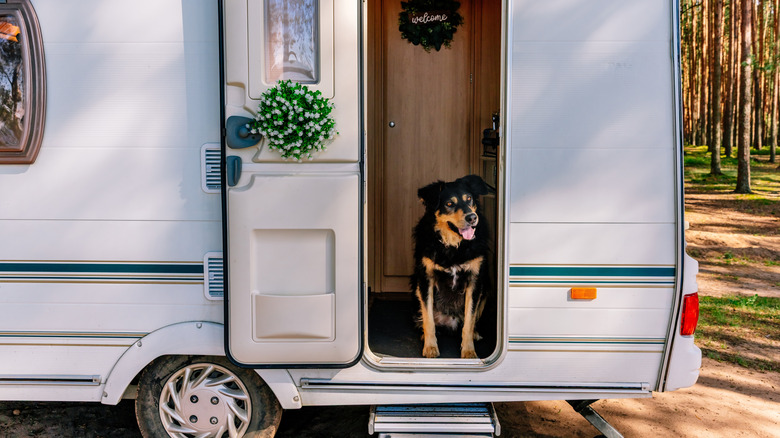
The whole idea of having an RV is going where the road takes you. This type of camping requires less planning and provides a sense of freedom that having to pack, unpack, and set up gear just can't compare with. That said, it's a mistake to not think ahead. "If you want to stay at a campground or other landmark or facility, it would be helpful to know their rules," Anthony Nalli recommended. The rules in question may involve the year and model of your RV or restrictions on pets. "Some places don't allow RVs of a certain age (usually an effort to avoid run-down eye-sores). If you have pets, some places won't allow certain breeds of dogs, for example." At the very least, you'll want to make sure that the campgrounds you plan to visit can accommodate RVs, unlike Congaree National Park, where RV camping is strictly forbidden.
Another form of planning to account for is the drive itself. "You can take the speedy interstate or scenic backroads, but using an RV GPS or RV trip planning service will help you avoid low bridges or harrowing roads," Nalli shared. Speaking of winding roads: While having an RV may be an overall asset in inclement weather (having a roof over your head is going to beat out a tent any day of the week during a rainstorm), driving in said storm is another issue altogether. "Driving an RV is more work than driving a car," Nalli warned. "This gets amplified in challenging weather conditions." He suggested using the app RV Weather to plan your trip around storms and strong winds.
3. Not learning the rules of the road for larger vehicles
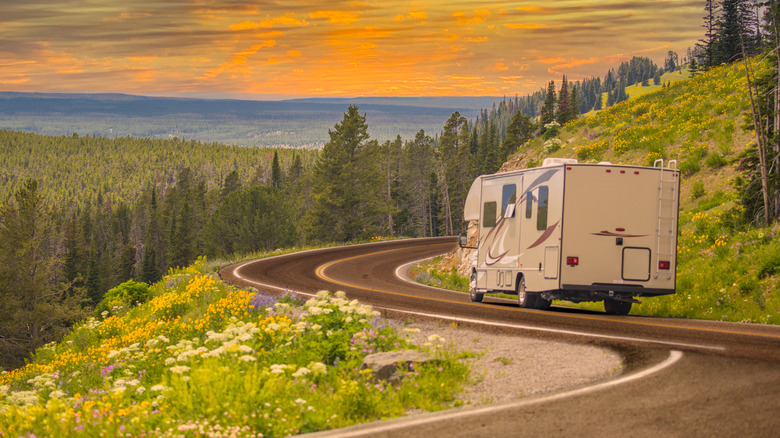
Road tripping in an RV can make seeing the 12 most beautiful stops along the Pacific Coast Highway and other sights more enjoyable than ever. However, not learning how to drive your new (or new to you) RV can be a big mistake, especially if it's much larger than what you're accustomed to driving. It's a good idea to practice driving your new RV before your trip begins, as this will allow you to gain the confidence needed to travel for longer distances. We recommend beginning with an empty RV to learn how to best maneuver without the added weight (this will also save on gas money!). Once you're ready to go, highway driving best practices for larger vehicles should be top of mind. As Anthony Nalli advised, "Don't stay in the passing lane."
And it's not just driving that will need to be considered, but also parking, given that you'll need a safe place to rest. You may need to utilize truck stops or parking lots if you aren't able to reach your destination in a single day — something that is bound to happen to any serious road tripper. "If overnighting at truck stops, use RV spots and not spots reserved for professional truck drivers," Nalli said. He added that you should always ask for permission before parking overnight in retailer lots (such as a Walmart parking lot). If you're allowed, "park in an out of the way corner of the parking lot, and don't 'settle in' (drop leveling jacks and extend optional slides)."
4. Not learning about RV safety and maintenance
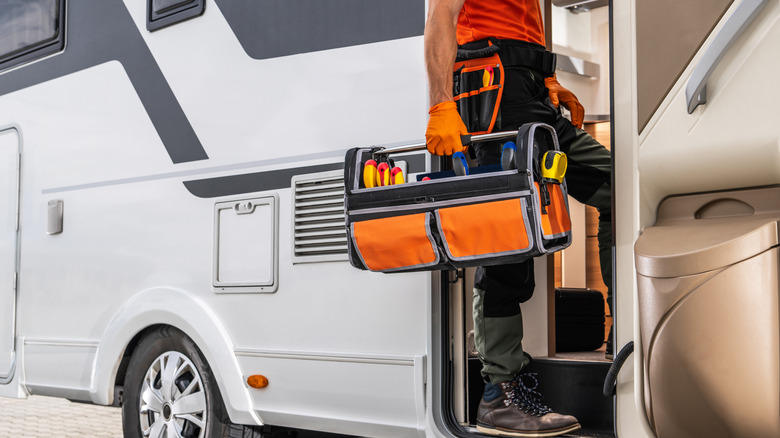
Just like any vehicle, an RV is going to need to undergo routine maintenance, but it may surprise you to learn that your home-away-from-home could need these checks more often than a typical car or truck. Checking your tires, windows, and door seals regularly is really the bare minimum, and not keeping up with small fixes associated with wear and tear can end up costing you in the long run.
"RVs are tiny homes that undergo a veritable earthquake mile after mile," Anthony Nalli explained. "Things get loose. Things break." So what can you do to stay ahead of any maintenance mayhem? The host of "The RVers" said that you should carry some basic household and automotive tools at all times, but if you're missing a piece, a neighboring RV camper will often lend a hand.
Regardless of how helpful your fellow RVers can be, it never hurts to be prepared. "Having a few spare parts on hand could be useful, too, like extension cords and hoses," Nalli recommended. By keeping all of these points in mind, you'll be prepared to make the most of your RV ownership, from road tripping up Maine's stunning scenic byway to camping in the beautiful Bear Lake State Park in Utah.