

Tourists Should Think Twice Before Visiting This Popular Island Destination In 2026
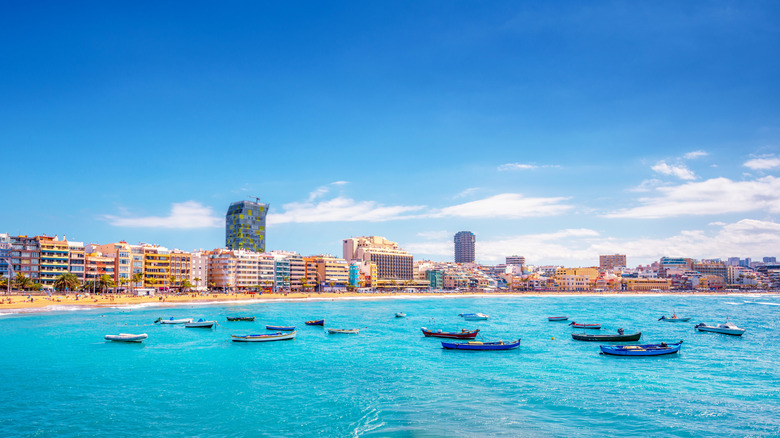
Each year, tropical destinations around the world become flooded with sun-seeking tourists. While many of these locations welcome the influx of travelers and the resulting economic boost, some are struggling to meet the massive demand, particularly those with limited resources and infrastructure. The Canary Islands are one such destination, and there is a call to ease tourism to the Spanish autonomous region, a holiday hot spot off the coast of northwest Africa.
Tourism is an economic driver for the islands, and tourists who adopt the right attitude can be a welcome addition to the places they visit, according to travel expert Rick Steves. But warning lights are flashing on the Canary Islands, with concerns of water shortages, rising home prices, and much too crowded roadways sparking the ire of the locals, reports Reuters. The pressure has elevated so greatly that protests have erupted on the island. Thousands of protestors took to the streets of Gran Canaria on May 17, 2026, demanding an end to overtourism, according to Reuters.
These are just some of the reasons that Fodor's has placed the Canary Islands on its No List for 2026. This annual roundup encourages vacationers to reconsider their plans to visit certain overburdened and under-resourced destinations, giving them a much-needed break. Instead, travelers may wish to set their sights on the most beautiful islands on the planet, some of which are better equipped for mass tourism than the Canary Islands, for the time being.
The impact of mass tourism in the Canary Islands
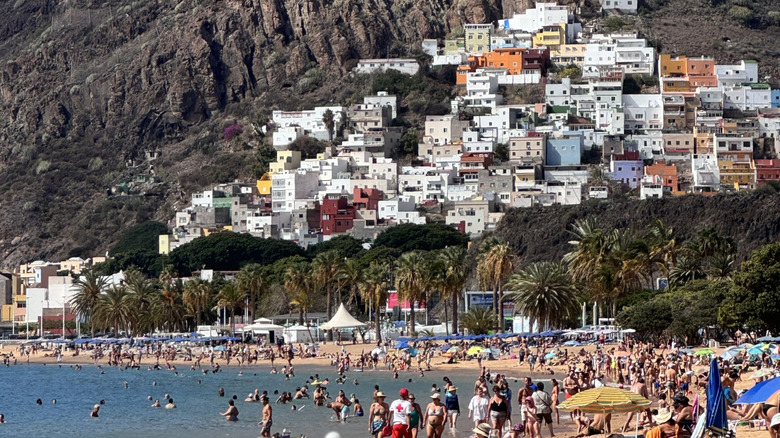
According to the Tourism Observatory of the Canary Islands, around 18.4 million tourists visited the region in 2025. While it was undoubtedly a successful year for tourism, with visitors staying an average of 9.2 days, the influx has taken a toll on the local way of life and the environment.
One study published in the Environment, Development, and Sustainability journal in 2023 says that the mass tourism and urbanization of the Canary Islands makes it more vulnerable to the effects of climate change. These effects, such as extreme heat and weather events, can disrupt the water supply, damage the infrastructure, and affect the wildlife and fragile ecosystems of the islands, per the study.
Thankfully, there is a way to make tourism more sustainable, according to the non-profit organization Canary Green, which connects visitors to eco-friendly experiences and local initiatives on the Canary Islands. "Choosing sustainable [accommodations], demanding energy efficiency and certifications from hotels, supporting local business and farmer's markets when on the islands, [and] being mindful consumers will bear a huge impact on how the tourism model of the Canary Islands will be developed in the future," the organization says. There are several things travelers can do to reduce the environmental impact of over-tourism, no matter where they visit. But sometimes, the most responsible choice you can make is to postpone your visit to places that are struggling under the pressure of tourism.