

The 'Grand Canyon Of Mexico' Offers An Adventurous Mountain Getaway
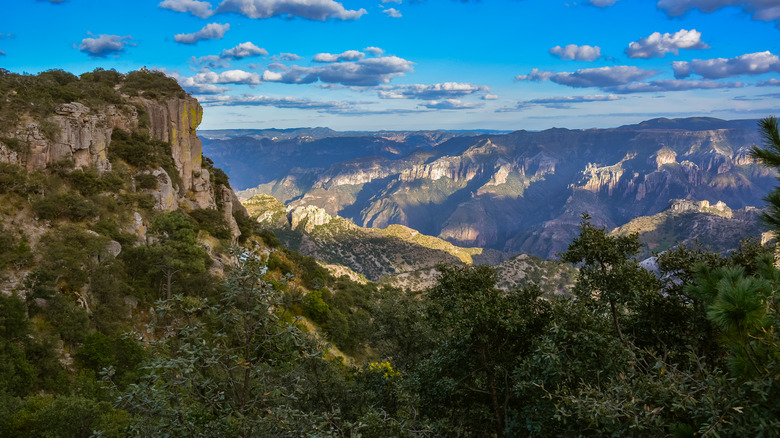
The Grand Canyon, Arizona's unique and ancient natural wonder, is so famous that it has inspired "Grand Canyons" all over, from the "Grand Canyon of the Yellowstone" to the "Grand Canyon of the East." One of the most impressive of all might be Copper Canyon, Mexico's answer to the Grand Canyon. Spanning 25,000 square miles, with sections more than a mile deep, Copper Canyon is actually "grander" than the original. In fact, it's four times bigger than Arizona's famous canyon. Known as Barrancas del Cobre in Spanish, it is one of Mexico's top destinations for adventurous tourists, with hiking trails and an epic passenger railway.
Copper Canyon, which gets its name from the cliffs' greenish-brown hues, is technically six canyons that are all connected. These are known as Urique, Tararecua, Sinforosa, Copper, Oteros, and Batopilas — all are within the vast landscape known as Copper Canyon. Located in the northwestern state of Chihuahua in the Sierra Madre Occidental mountain range, Copper Canyon is also known for its biodiversity, with opportunities to spot rare flora and fauna. The region is home to the Indigenous Tarahumara people, also known as Rarámuri, known for their impressive running skills and traditional way of life.
Copper Canyon can be challenging to navigate due to its rugged terrain, and the hikes can be physically demanding. But the rewards of visiting this incredible place outweigh the trials. As an added bonus, Mexico is rated one of the world's most affordable countries for 2026, making it a great choice for a more budget-friendly trip.
The best way to see Copper Canyon is by train
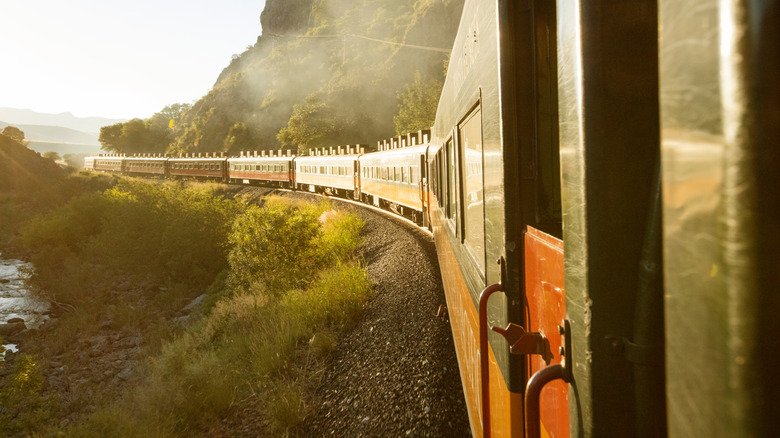
Copper Canyon may be remote, but it's not inaccessible, thanks in part to the epic Copper Canyon train. This impressive feat of engineering spans 390 miles, crosses 39 bridges, and passes through 86 tunnels. The train route is one of several on the Chihuahua-Pacific Railway, nicknamed "El Chepe," which connects some of the canyon's most prominent communities. It is the easiest — and best — way to experience the glory of Copper Canyon.
There are two Copper Canyon train routes to choose from. The El Chepe Regional train travels between Creel and Los Mochis, with 13 stops in between, while the El Chepe Express makes three stops and runs between Los Mochis and Creel. Travelers can begin their journey to Copper Canyon in either Los Mochis or Chihuahua, as both have international airports. While Mochis International Airport is considered the gateway to the Copper Canyon area, the Chihuahua Airport offers direct flights from U.S. cities like Denver and Dallas-Fort Worth. Creel is another main hub for tourists and an ideal base for adventures in Copper Canyon and beyond. The rural mountain town is rich with history and culture, and is also home to several hotels and tour operators for guided hiking, mountain biking, and rock climbing excursions. Be sure to visit the Tarahumara Museum of Popular Art in Creel, the premier cultural center of the Tarahumara people.
The Chepe Regional train has more of an old-school atmosphere, while the modern El Chepe Express offers a host of amenities, including a bar, viewing car with panoramic windows, and a restaurant. Step off the train and enjoy the views at towns along the way, such as Divisadero and Bahuichivo. Divisadero has several hotels with incredible views of the canyon, such as Hotel Mirador, a five-star accommodation right at the edge of Copper Canyon Adventure Park.
Things to do in and around Copper Canyon
When you look at any map of Mexico for your upcoming trip, Copper Canyon looks like it should be mostly desert, not unlike its grand neighbor to the north. Yet Copper Canyon is renowned for its diverse climate and ecology, due to the dramatic changes in altitude. The canyon's green landscapes range from pine and oak tree forests at higher elevations, to subtropical vegetation such as palms and banana trees at the base. The best time to visit Copper Canyon is between September and April for dry weather and minimal mosquitoes. However, prepare for windy days between February and the end of dry season. The rainy season runs from June to September and brings a gorgeous lushness to the canyon.
Along with the mind-blowing vistas and glorious nature, Copper Canyon is also a haven for outdoor adventure year-round. Hiking is one of the best ways to experience the canyon, although it's recommended you hire a local guide in Creel, as the trails are poorly marked and known for their challenging terrain, especially on longer treks. The 3 Amigos Private Adventures is a Creel-based company that hosts guided day trips to Copper Canyon. These include a trip to the famous Cusarare Waterfall, a walk amid the fascinating rock formations at Valley of the Mushrooms, a driving tour of the canyon's dramatic scenery, and a visit with the Rarámuri people. The tour company also offers group ATV rides through the picturesque San Ignacio Valley near Creel.
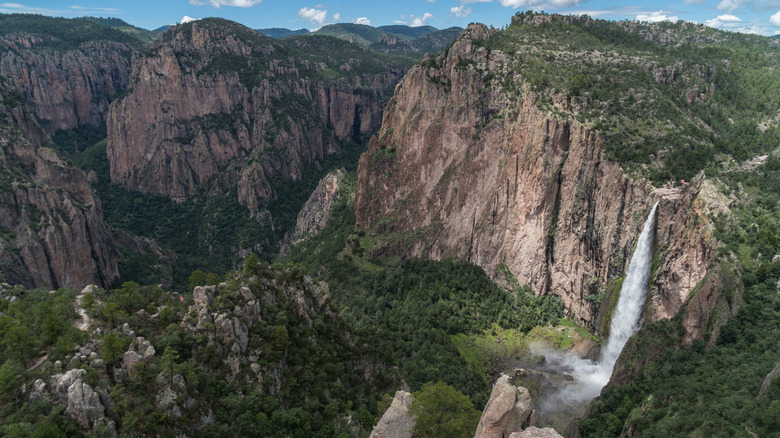
Creel is also an ideal base to explore the incredible Basaseachic Falls National Park, home to Basaseachic Falls, Mexico's second-tallest waterfall, cascading 853 feet into the gorge. It's also said to be the tallest continuously flowing waterfall because it never fully dries up. The moderately challenging trail to the falls offers incredible views, with an elevation gain of 791 feet over the span of 2.2 miles roundtrip, per AllTrails. Guided tours are essential, as the park is around 80 miles from Creel. The 3 Amigos offers day trips to Basaseachic Falls, which includes optional swimming at the base of the falls, hiking in the surrounding canyons, and transportation.