

Montana's Vibrant Gateway To The Rocky Mountains Is A Coveted Resort Town
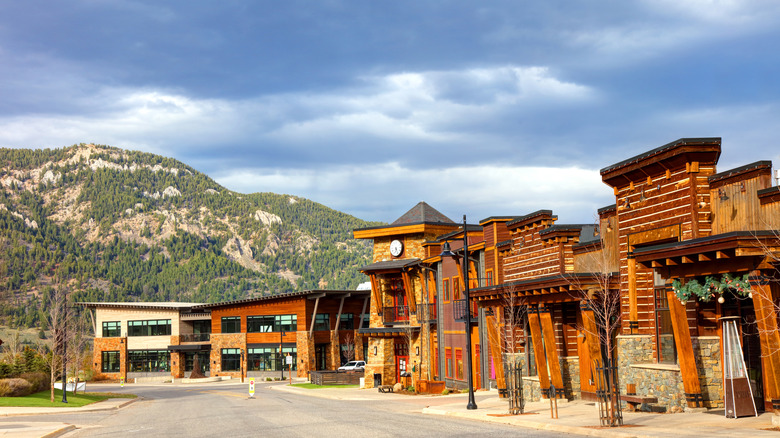
Skiing, hiking, zip-lining, horseback riding — in this little town in southwest Montana, you can do it all. Tucked into the Madison Range of the Rocky Mountains, elevation shapes both the climate and the appeal of Big Sky, Montana. Winters support a long, cozy season of snow sports that attract enthusiasts from all over. Summers open up hiking and mountain biking opportunities. Big Sky is only about an hour's drive from Bozeman and the West Entrance to Yellowstone National Park, a mesmerizing destination for nature lovers. In every season, the town is an ideal basecamp for people who want to stay active and get pampered as they explore all that the Rockies have to offer.
Big Sky is a laid-back town of about 3,000 full-time residents, anchored by a handful of large resorts and smaller lodges. It boasts one of the largest ski resorts in the U.S., Big Sky Resort, which offers significantly more amenities than Whitefish, Montana's other popular ski resort. Big Sky Resort serves as the primary hub for visitors, particularly those focused on winter sports. Other resorts in the town, such as Montage Big Sky, cater to travelers seeking a more luxurious and relaxing stay. Although the area was developed with tourism in mind, one of its greatest features is that it remains less crowded than many of Colorado's renowned resort towns, like Aspen.
Year-round recreation and luxury in Big Sky, Montana
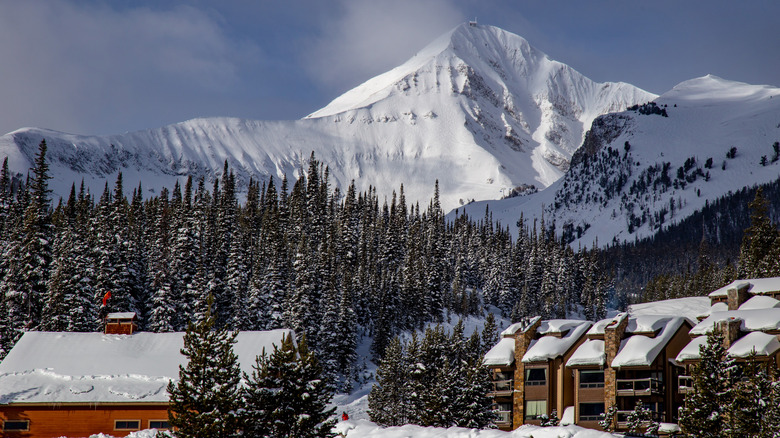
The main draw of Big Sky Resort is its slopes, and the sheer scale is remarkable. The resort bills itself as offering "the biggest skiing in America," and that claim rings true. There are more than 5,800 acres of skiable terrain. This means skiers and snowboarders of all levels have many options to choose from. In addition, the mountain boasts 40 chair lifts. Thanks to the expansive territory and abundant amenities for downhill enthusiasts, visitors rarely experience lines or crowds. "For the majority of the mountain, lift lines are pretty much non-existent," according to a review by SlopeLab. Reliable snowfall in this region keeps conditions consistent all season long, from December all the way through April. In fact, the resort claims that April is one of the best months to ski, as the weather is milder and there is still plenty of snow on the ground.
All that said, you don't have to be a snow bunny to fall in love with Big Sky. Once the snow melts, a different energy arrives in town. At Big Sky Resort, lift-served mountain biking, hiking and zip lining take over the mountain. Other summer activities on offer include golf at the 18-hole course, horseback riding, fly fishing in the Gallatin River, and whitewater rafting. Year-round, Big Sky Resort offers a rare and unique experience: Kircliff. It's a glass observatory at the top of Lone Peak, serviced by gondolas at an elevation of more than 11,000 feet. It offers panoramic views in all directions, allowing you to see Yellowstone National Park and ten mountain ranges, including the Teton Range.
As we mentioned, Big Sky Resort is not the only getaway spot in town. Luxury comes into sharper focus at Montage Big Sky. This gorgeous property attracts travelers who want access to the mountain while indulging a bit more. Inside, you'll discover a blend of modern amenities and rustic mountain charm, showcased by exposed wood and stones, all locally sourced. The on-site spa, with its relaxing indoor pool and extensive treatment options, is the perfect way to wind down after a day outside. As a bonus, Montage offers ski-in, ski-out access to the slopes at Big Sky Resort.
Planning your trip to Big Sky, Montana
For the best savings and availability at Big Sky Resort, it's important to plan ahead. Lodging can fill up quickly during busy periods, and equipment rentals may sell out at times. Book as early as possible, especially if you're aiming for holidays or peak winter weekends. The resort's website says that booking last-minute can be much pricier. Some windows, such as late January, early February, and April, offer cheaper rates. Summer has its own surge, when activities like hiking and mountain biking are in full swing. It's also a popular time for community events, like outdoor concerts and farmers' markets. Late spring and mid-fall tend to be quieter, and are often just as ideal for recreation.
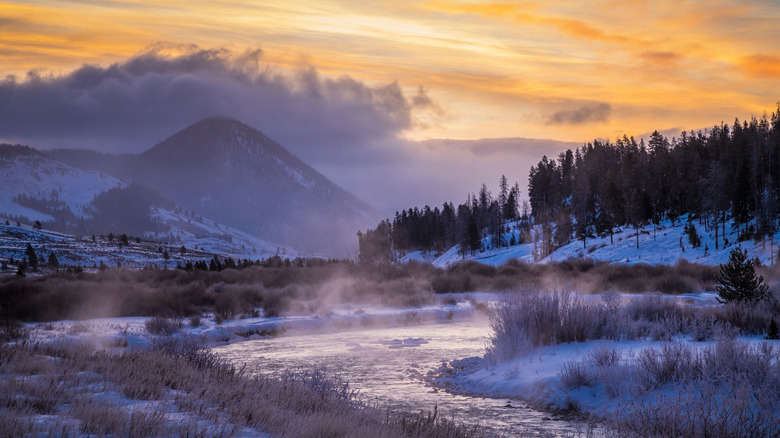
The average winter temperature in Big Sky is a frigid 25 degrees Fahrenheit. Summer is warm but refreshing — while daytime highs in July and August can climb to the high 80s, nights cool down quickly in the mountains. These shifts in temperature should shape what you pack. Layers are essential year-round, even in July, when mornings can feel crisp before the daytime sun is strongest. Hiking boots with solid grip and sun protection are also essential in any season, due to elevation. The Big Sky region sits over 7,000 feet above sea level. Be sure to drink plenty of water, as dehydration can set in quicker at high altitude.
If you're coming from out of town, Bozeman Yellowstone International Airport (BZN) is located about 45 miles north of town. Renting a car from the airport is the most flexible option once you're there. That said, shuttle services such as Big Sky Shuttle also run between the airport and resort. If you're not planning to explore beyond the resort, this may be your best option. Keep in mind that ride hailing companies such as Uber and Lyft do not service Big Sky.