

The Fastest Growing Caribbean Destination Is An Island Paradise With Magical Waterfalls
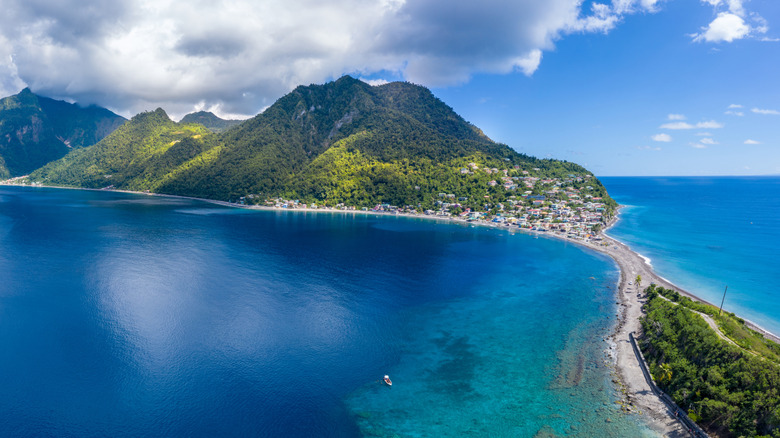
The Caribbean's island nations are incredibly diverse. Some are known for their romantic, all-inclusive resorts, while others are famous for beaches with wild pigs that visitors can swim with. One lesser-known tropical oasis that deserves to be on your radar is Dominica — not to be confused with the Dominican Republic, another affordable Caribbean island for a relaxing getaway. Dominica is a unique Caribbean island, partly because its main draw is not necessarily the beaches, but the interior. The island has nine active volcanoes, and the lush jungle covering its volcanic landscape is dotted with waterfalls, hot springs, and 365 rivers — one for each day of the year! Dominica's nickname is "The Nature Island," thanks to its stunning biodiversity.
The secret is out about Dominica's magic — it is among the fastest-growing tourist hot spots in the Caribbean. It experienced a 17.6% increase in overnight visitors in 2025, more than any other destination in the region, according to the Caribbean Tourism Organization via the Caribbean Journal. The island boasts lively towns, colorful festivals, and thrilling excursions. This includes offshore adventures like snorkeling, diving, and whale-watching — Dominica is one of the only countries in the world that enjoys year-round sightings of sperm whales, according to Tide Magazine.
Dominica is connected to a couple of major hubs in the U.S. Its main airport, Douglas-Charles Airport, provides direct flights between Miami International Airport (MIA) and Newark Liberty International Airport (EWR), as well as other Caribbean islands, such as Barbados and Saint Lucia. But as you'll soon discover, the journey is well worth it.
Explore waterfalls, jungles, and culture in Dominica
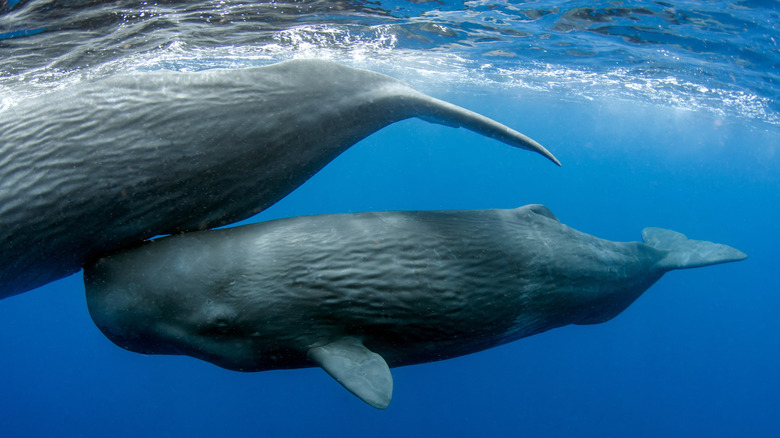
The most beautiful islands on the planet usually have a few things in common: stunning beaches, untouched landscapes, and a feeling of total escape. Dominica has all of this and more, with an emphasis on sustainability and immersion in nature. It is home to the world's first sperm whale reserve, a protected area roughly 300 square miles in size dedicated to the protection of these endangered creatures. Dominica also boasts the first long-distance walking trail in the Caribbean, the Waitukubuli National Trail, which spans 115 miles across the full length of the island.
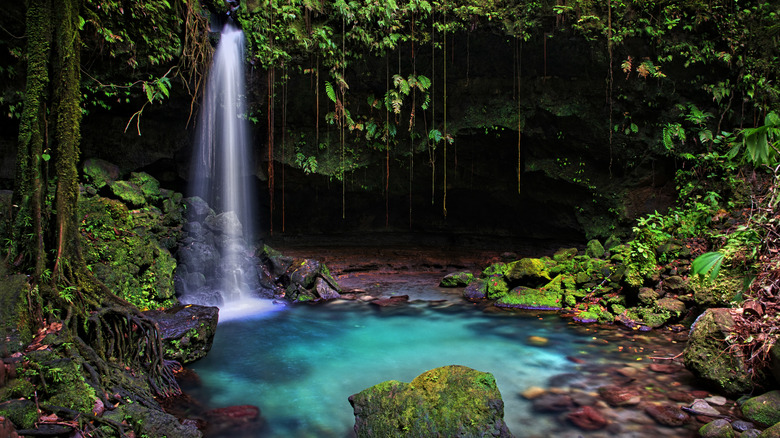
The best place to take in Dominica's natural beauty is Morne Trois Pitons National Park, a UNESCO World Heritage Site. It's where you'll find the island's most famous waterfalls, Trafalgar Falls and Emerald Pool, both of which are easy to get to for beginner hikers. Trafalgar Falls consists of two separate cascades, while Emerald Pool plunges into a pool of otherworldly emerald water, as its name suggests. Those seeking a more challenging waterfall hike can venture beyond the national park to Victoria Falls, on the island's southeastern side. This hike is 2 miles roundtrip and it's considered challenging, according to AllTrails, but it's incredibly picturesque. When you're ready to relax, visit one of Dominica's swimmable hot springs. Several spas with hot springs are located in the small town of Wotten Waven, described as "the Caribbean capital of hot springs" in the Caribbean Journal.
While Dominica's true highlights are found in nature, its cultural scene is equally as exciting. Roseau, the capital city, has a thriving Saturday farmers' market, a longstanding tradition for generations. The city also hosts various festivals, especially during Dominica's Carnival season between January and February, known as Mas Domnik or "The Real Mas." Dominica's Indigenous Kalinago people reside in the northern part of the island, and visitors are invited to tour the territory and participate in Kalinago traditions.
Planning your visit to Dominica
The best way to experience Dominica to the fullest is to base yourself in at least two locales on the island. Travel + Leisure recommends splitting your time between the north and the south side for easier access to the island's many attractions. In the south, stay in or near Roseau to explore the city, Morne Trois Pitons National Park, and the hot springs at Wotten Waven. Both destination are under 30 minutes from the capital by car. In the north, stay in Dominica's second-largest town of Portsmouth for quicker transport to the Kalinago territory and to visit the island's pristine beaches, such as Batibou Beach and Toucari Bay.
Traveling around Dominica isn't always simple. Some travelers choose to rent their own vehicle, but it's important to note that drivers use the left side of the road, and there are many twists and turns to navigate. "Driving [in] Dominica is not for the faint of heart and demands serious attention and concentration," says the blog Dominica Living. "Bottom line, driving is treacherous." If you'd rather leave the driving to someone else, consider joining an excursion with transportation included. Another option is to hire a taxi for the day, or use the public minibus system to travel between cities and towns.
Dominica may be a tropical paradise, but it's not immune to bad weather or hurricanes. The rainy season is from June to November — with it comes intense humidity, brief downpours, and lush greenery. Hurricane season is typically between August and October. The dry season, from December to May, offers the most pleasant weather and is therefore the most popular time to visit. For fewer crowds and potentially cheaper prices, consider visiting at the very start or the tail-end of dry season.