

What It Means When You Hear A 'Code Charlie' Called During Your Cruise
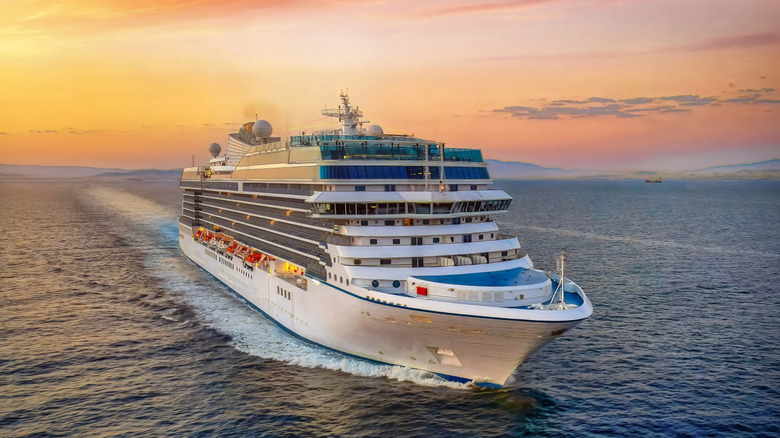
Over 37.2 million people set sail on an ocean cruise in 2025, and the number is steadily rising each year (via the Cruise Lines International Association). Major cruise ships host an average of 3,000 passengers or more at a time, and safety is both a constant concern and a top priority on board. Operators will not hesitate to ban popular cruise destinations — as was the case with Alaska's Tracy Arm Fjord – if the risk to passengers is deemed too high. On a vessel in the middle of the ocean, even common cruise behaviors like drinking too much can be more dangerous than they seem. As a result, personnel are trained to respond to emergencies of all kinds, and employ code words to communicate without alarming passengers.
One such code is "Code Charlie," which crew members might repeat three times, saying "Charlie, Charlie, Charlie" to notify staff of a security issue. Though rare, this could mean anything from a bomb threat to a possible pirate encounter, according to Prof Cruise. It may also be used in situations related to unsafe weather, says Southampton Cruise Centre. In the event of a "Code Charlie" emergency, there are a few things passengers can do to stay safe and help staff members address the situation effectively.
What passengers can do during a 'Code Charlie' emergency
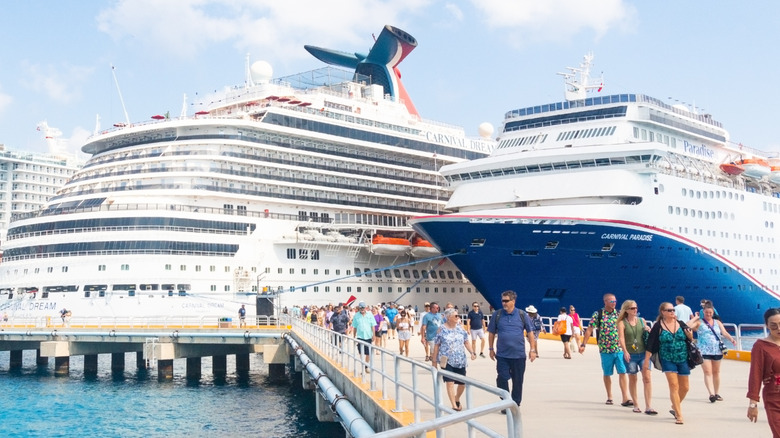
Crew members on cruise ships are well prepared to keep passengers safe. However, passengers can also do their part to keep themselves and others out of harm's way. Every cruise line has a code of conduct that guests must follow, and this includes being attentive when an emergency is called. Passengers are also required to take part in a mandatory safety drill on board, often prior to departure. These "muster drills" are enforced by the Coast Guard and required by international maritime law. Passengers are assigned muster stations, or designated gathering areas used during emergencies.
If you happen to hear "Code Charlie" or any emergency code during a cruise, it's important to remain calm and listen for instructions from the crew. For example, in severe weather, passengers may be told to stay indoors. In other situations, cruise ships may sound the emergency horn, during which time passengers must report to their designated muster stations.
Of course, not every emergency involves a security threat. Different codes are used to signal a range of urgent situations or incidents. For example, "Code Alpha" is used during medical emergencies, and "Code Oscar" often means that someone has fallen overboard, prompting search and rescue efforts, per Southampton Cruise Centre. Having a basic understanding of these codes can help passengers prepare in the unlikely event that the ship encounters an emergency. Knowing local laws before packing for a cruise, such as Mexico's ban on vaping devices and e-cigarettes, is another way to protect yourself while traveling abroad.