

Why Travelers Planning A Trip To Europe Should Be Prepared For Flight Route Disruptions
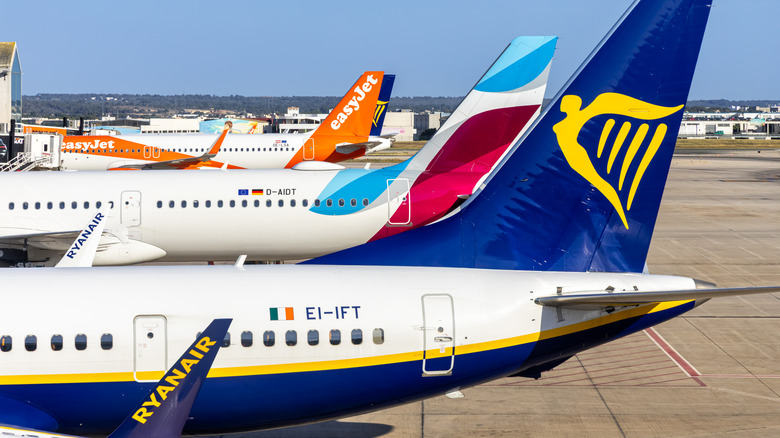
If you plan to visit Europe in the near future, prepare for potential disruptions to your flight. Ongoing blockages at the Strait of Hormuz, a critical oil shipping route between Iran and Oman, could lead to fuel shortages at European airports in the coming weeks, reports The Guardian. Airlines are beginning to prepare for the repercussions, and travelers should be prepared as well.
On April 9, 2026, Airports Council International (ACI) Europe wrote a letter to the European Commission saying, "If the passage through the [Strait] of Hormuz does not resume in any significant and stable way within the next three weeks, systemic jet fuel shortage is set to become a reality for the EU," per The Guardian. In response, the European Commission stated, "There is no evidence for fuel shortage in the European Union at present, but supply issues could occur in the near future," reports Reuters.
Some airlines have begun to trim flight schedules in preparation. Carriers such as Scandinavian Airlines (SAS) have reportedly cancelled flights. Chief executive at Ryanair, Michael O'Leary, said in an interview with ITV News that the airline may cut up to 10% of flights in May, June, and July if disruptions persist. The uncertainty could affect North American airlines as well. United Airlines CEO Scott Kirby noted that the airline may cut back its international flights, reports CNBC. Passengers booking flights in the coming weeks may also notice fare increases as a result of rising jet fuel costs, so it may be wise to borrow a few of our tips and tricks for finding deals on flights.
Here's what to do if your flight to Europe is disrupted
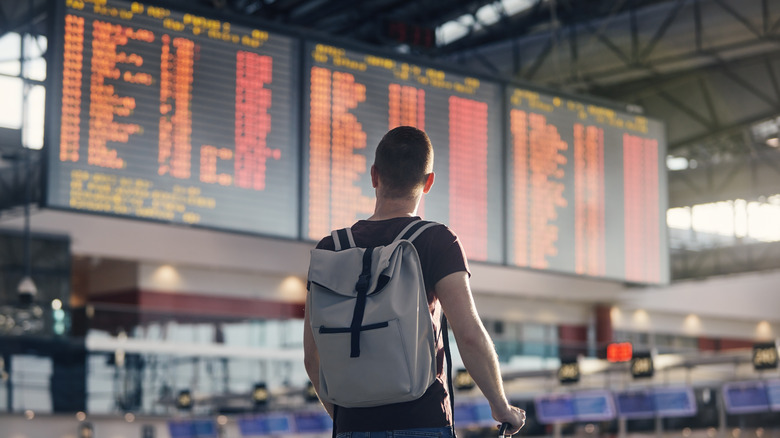
Summer is normally a peak period for travel, and airlines could make changes to match supply with demand. For example, The Independent reports that airports may have to stop elsewhere for fuel, however it's not clear to what extent this would affect passengers. Most importantly, if you're flying into, out of, or within Europe, you have the right to financial compensation if your trip is disrupted. This applies to all 27 countries within the European Union. Under EU Regulation 261/2004, airlines must provide information about compensation and assistance if your flight is cancelled, delayed by more than two hours, or if you are denied boarding. If this occurs, speak to your airline first, and if you do not receive resolution within two months, reach out to national authorities to claim your rights.
If your trip to Europe is still on track, are a few things you can do to prepare for sudden changes to your flight. Download your airline's app and opt in to receive notifications or email updates about your flight. On the day of travel, be sure to check in early — checking in late is a mistake that could make you lose your seat on the plane. Those who really wish to stay in the know can track their plane in real time using FlightAware or FlightRadar24. Though you may receive compensation from the airline, it's always a good idea to have travel insurance to cover unexpected issues. Baggage insurance, on the other hand, is a waste of money, according to Rick Steves.