
The US State With The Most Lakes Is A Dream For Nature Lovers
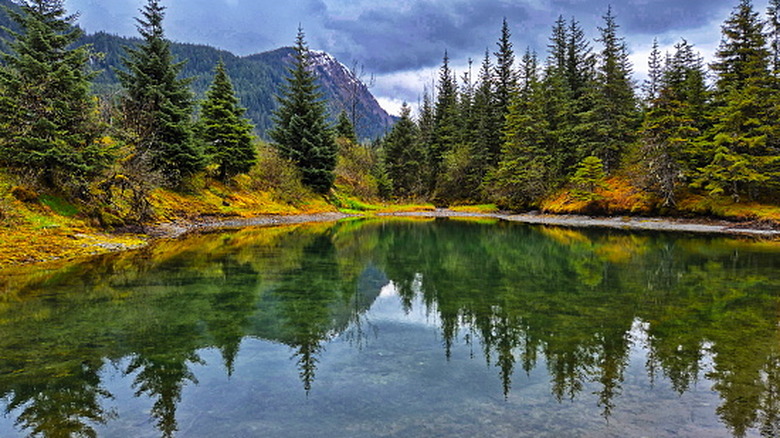
If you set a goal to visit every lake in a single state, it would be relatively easy to do in Nevada, which only has 36 of them. However, if you choose Alaska, the state with the most lakes, you're setting a real challenge for yourself. Alaska is home to over 3 million natural lakes — of these, just 3,197 are officially named. Trailing behind Alaska is Minnesota with just 11,842 natural lakes.
These stunning natural waterways are spread across the state, from Alaska's underrated and scenic state capital of Juneau, to the National Petroleum Reserve on the North Slope. The lakes in Southeastern Alaska's St. Elias Mountains, home to the biggest national park in the U.S., are expected to get even bigger due to glacial melting and climate change, reports Science News. A network of 25,000 shallow lakes are located in Central Alaska, and the state is also home to 12,000 rivers. The vast majority of the lakes in The Last Frontier remain untouched, surrounded by rugged forests teeming with wildlife.
In this guide, we'll explore five of Alaska's official lakes that are perfect for nature lovers. Each lake is easy to reach by car or plane from major cities across the state. Whether you visit one or all of these lakes, you will definitely need to pack bug spray in the summer and heavy duty winter gear as early as October.
Chilkoot Lake
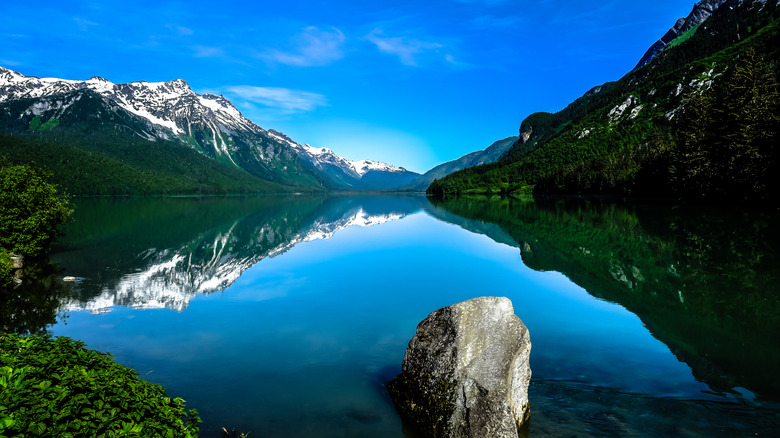
Famous for bear spotting, salmon fishing, and birding, Chilkoot Lake is one of Alaska's top spots for getting up close and personal with nature. The pure, glacier-fed lake is located in Southeastern Alaska near the end of the Chilkoot River, and is surrounded by towering peaks and Sitka spruce trees. It's located approximately 10 miles outside of Haines, which has an airport and a ferry terminal, making it easy to get to from other parts of Alaska.
The picturesque setting and easy access means that the lake is often packed with tourists from mid-July through August. Crowds flock to Chilkoot River every summer to watch brown bears and otters fish for salmon. Near the fish weir, you'll find pullout parking and space to set up your camera, but you will need to go early to beat the rush. If the bears are fishing, do not try to feed or attract them – not only is it illegal, but it will put you and other visitors in danger. While bears don't need a license to fish, you'll have to get one if you want to cast a line.
At the south end of the lake, Chilkoot Lake State Recreation Site has a first-come, first served campground as well as a boat launch for kayaks, canoes, and small watercraft. If you've packed food for your trip, be sure to use bear boxes, as the animals will be attracted to your meal.
Big Lake
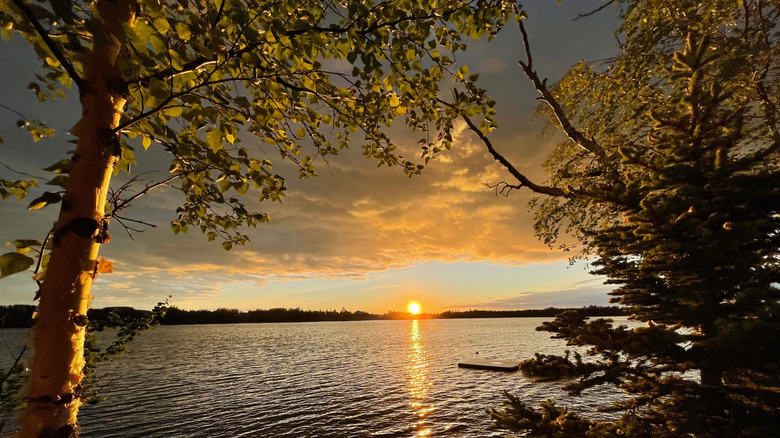
If exploring the natural world on a jet ski or a pontoon boat is more your style, head an hour outside of Anchorage to Big Lake. Nestled in Alaska's Matanuska-Susitna Region — affectionately called The Mat-Su by locals – Big Lake has 67 miles of shoreline waiting to be explored. Like many other Alaskan lakes, Big Lake is incredibly rich with sockeye salmon.
The lake has two state recreation sites: Big Lake North and Big Lake South. Between them, you'll find everything you need for a day (or several days) on the water, including boat launches, picnic areas, equipment rentals, and campsites, with grocery stores and restaurants nearby. The lake has 80 total campsites — all are first-come, first-served, and spots fill up quickly in the summer. If you're not willing to chance it, book a stay in a cozy cabin or bed and breakfast near the lake.
Big Lake is also known for its winter activities. If you can brave the cold Alaskan weather, the lake's frozen surface is popular for ice fishing. The surrounding valley is ideal for cross-country skiing, snowmobiling, and dog-sledding across the snowy wonderland. Visit a local dog kennel to see how mushers skillfully guide their pack, and learn how to do it yourself! No matter the season, it's important to clean and dry your gear thoroughly to avoid spreading Elodea, an invasive aquatic plant, to other parts of Alaska.
Lake Iliamna
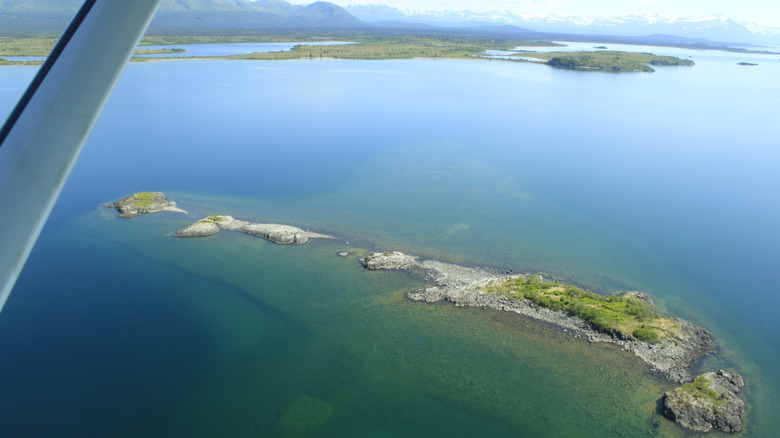
Lake Iliamna is Alaska's largest lake and one of the state's most pristine natural gems. Situated in Southwest Alaska between Lake Clark National Park and Katmai National Park, the 75-mile-long lake is a true Alaskan treasure. The lake and tributary rivers' crystal clear waters are home to millions of fish, and one of the world's largest sockeye salmon returns. During the peak summer season, bald eagles, freshwater seals, and bears come to feast, as do anglers looking for incredible fishing and views of nature. The sheer numbers of fish aren't the only legendary feature of the lake — the elusive Lake Iliamna Monster, a.k.a. "Illie," is believed to be lurking beneath the surface.
To reach this remote corner of Alaska, you'll have to embark on a trip that's as thrilling as the scenery. Hop on a float plane from Anchorage or the small town of Iliamna to reach your secluded Alaskan lodge or cabin on the water. Despite being inaccessible by road, accommodations surrounding Lake Iliamna are modern and comfortable. Self-guided fishing and rafting trips are permitted, but guided excursions are strongly recommended due to the rugged conditions and presence of wildlife.
Goose Lake
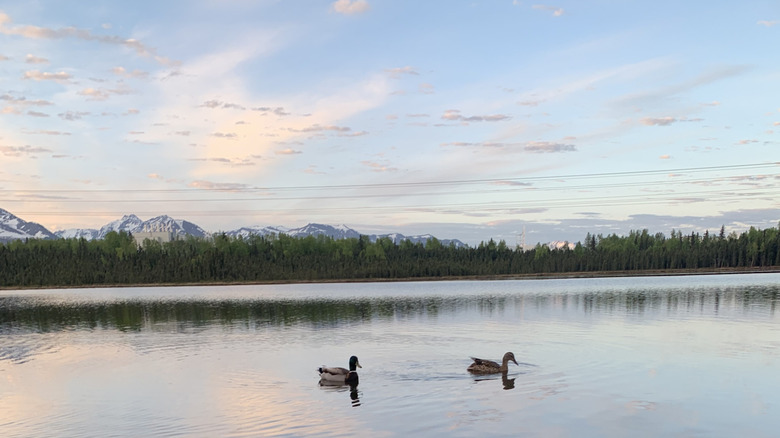
Goose Lake will give you a taste of the Alaskan wilderness in the heart of Anchorage. It offers stunning views of the picturesque Chugach Mountains in the background and deep green forests surrounding the lake. Bird lovers will enjoy the 3-mile paved trail around the lake, where Pacific loons nest in the warmer months and young families of American widgeons and Canada geese can be spotted on the water. You may even see moose – if you do, observe from a distance, especially if it's a female with a young calf in tow. Come winter, strap on your cross-country skis and traverse the Chester Creek Trail, where you may see a mink or a snowshoe hare if you're lucky.
Goose Lake's shoreline may not rival the turquoise beaches of picturesque Hawaii, but it is one of the only swimming beaches in Anchorage, making it a popular local hangout in the summer. Rent a paddleboat and grab a snack at the Paddleboat Cafe. Keep in mind that there have been no lifeguards on duty in recent years due to staffing shortages.
Chena Lake
Unlike the other lakes on this list, Chena Lake isn't completely natural, but it is still one of Alaska's best all-season destinations for nature lovers. Created as part of a water management project after the devastating Chena River floods, the lake is now the centerpiece of the 2,000-acre Chena Lake Recreation Area, which includes both the Lake Park and the River Park. Just 30 minutes from Fairbanks, the lake offers both access to amenities and opportunities to experience Alaskan wildlife without venturing into the backcountry. Beaver, muskrat, moose, and birds of prey are commonly sighted throughout the park, and visitors can watch the salmon run at the Moose Creek Dam in July and August. Travelers looking to spend the night near Chena Lake will find a campground at Lake Park and River Park. Both campgrounds have dozens of RV spots, though neither takes reservations in advance.
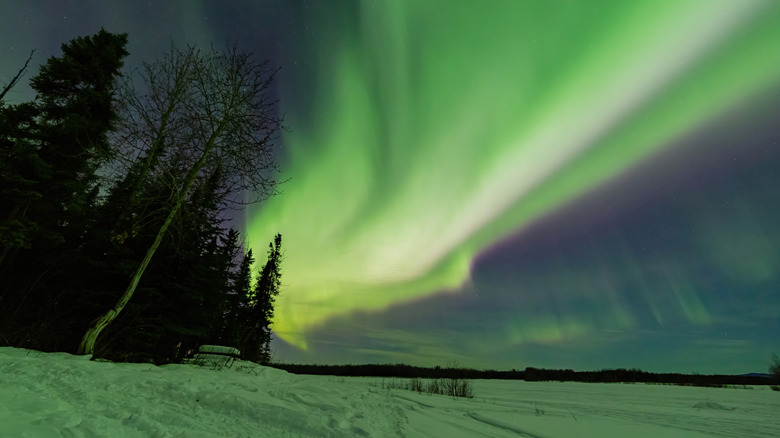
While summer is the peak season for fun in the sun, visiting Chena Lake during the off-season is a prime way to see one of nature's most incredible phenomena: the aurora borealis. Visitors can witness the northern lights reflecting on the water's surface in the early fall months when the lake hasn't frozen over. Or, wait until winter and join the locals for a day of ice fishing or tracking wildlife through the snow. The park has ice fishing cabins and firewood to keep you toasty warm. Due to the lack of sunlight, be sure to bring a headlamp when venturing out, even for a short walk.