

5 Cool US Desert Towns For An Affordable, Outdoorsy Getaway
Desert destinations in the United States are often associated with luxury resorts and high-end wellness experiences, especially in places like Palm Springs or Sedona. But across the Southwest, there are smaller towns that offer the same access to those same striking landscapes at much more affordable price points.
These towns will satisfy anyone searching for a destination with red rock canyons, open desert, and mountain trails. Many of them sit within driving distance of major outdoor attractions, including national parks, state parks, and protected public lands. That means visitors can spend their time hiking, exploring, or simply taking in the scenery without paying premium prices for lodging or activities. Free or low-cost trail access and public recreation areas make it easy to plan a trip that stays within budget.
Getting to these destinations is also pretty straightforward. We prioritized destinations that are within a few hours of major airports or cities, making them practical for long weekends or short getaways. Rental cars are often the best way to get around. The five towns below stand out for combining affordability with easy access to outdoor activities. Each offers a different take on a desert getaway, with options for hiking, biking, and exploring nearby natural landmarks without the higher costs found in far more crowded destinations.
Las Cruces, New Mexico
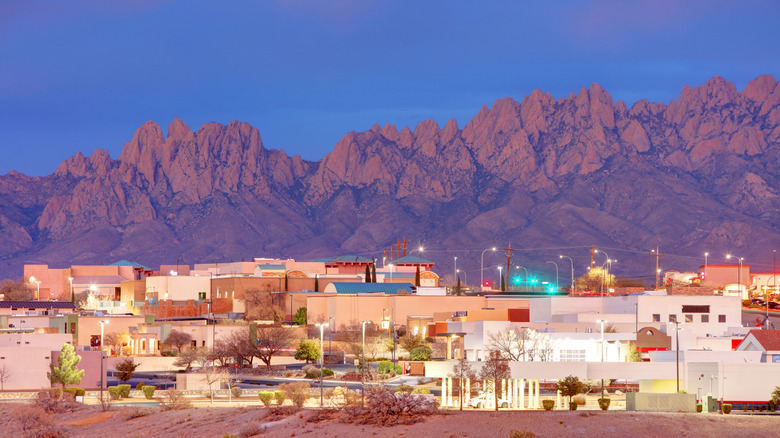
Las Cruces is a historic frontier town that was developed not long after the Mexican-American War ended in 1848, and became known for its agricultural success in producing chile peppers. In fact, it is home to the largest chile pepper sculpture in the world. Las Cruces sits in southern New Mexico near the Rio Grande, about a one-hour drive from El Paso International Airport in Texas, which offers frequent flights from major U.S. hubs. Visitors have noted that the city is significantly less expensive than nearby Santa Fe and Albuquerque, with budget hotels, motels, and short-term rentals widely available.
Outdoor recreation centers on the nearby Organ Mountains and the surrounding desert landscape. The Organ Mountains–Desert Peaks National Monument, located about 30 minutes east of town depending on the trailhead, provides extensive hiking opportunities. Popular routes include the Dripping Springs Natural Area, which passes historic ruins and desert vegetation, and the Baylor Pass National Recreation Trail, known for its beautiful, panoramic views of the surrounding mountains. Rock climbing is also common in designated areas of the monument. Another frequently visited outdoor destination is White Sands National Park, roughly a one-hour drive northeast of Las Cruces. Visitors can hike across the world's largest gypsum dunes, try sand sledding on designated slopes, and walk the otherworldly Alkali Flat Trail. Early morning and sunset visits are common due to cooler, safer temperatures.
Road cycling and mountain biking routes are located around the city. The Rio Grande corridor also offers opportunities for wildlife viewing — cottontail rabbits, mule and white-tailed deer, antelope, turkeys, doves and ducks are common. Incredibly, you can also see the African oryx, an antelope with long spear-like horns that was imported from Africa's Kalahari Desert and released in the 1960s to attract hunters. They have become remarkably well adapted to the region. They number roughly 6,000 and reside mostly in the White Sands Missile Range area.
Prescott, Arizona
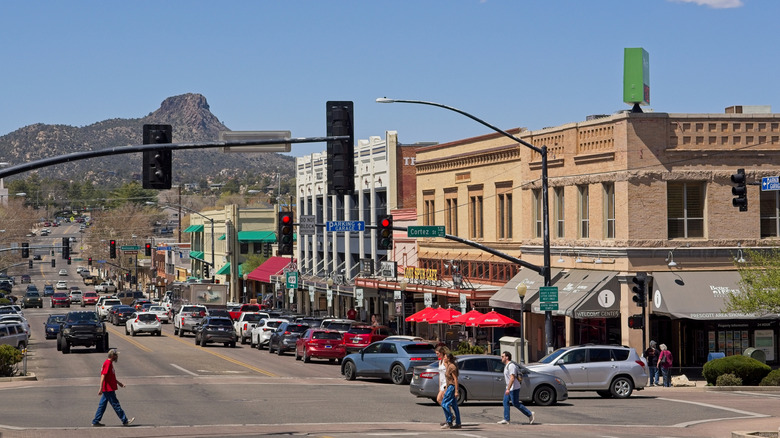
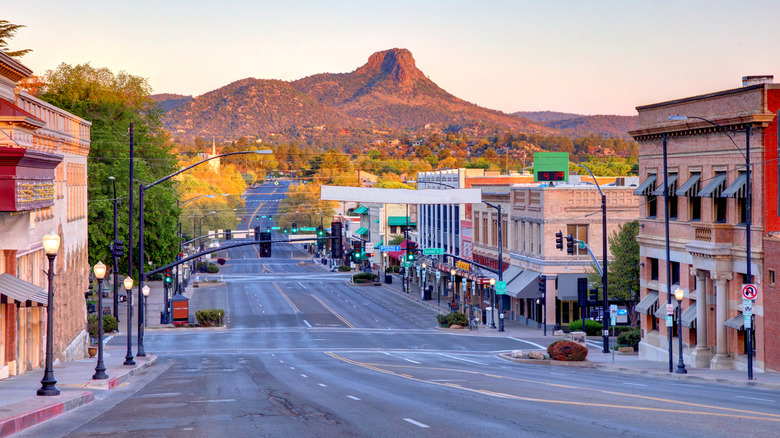
Prescott sits at an elevation of over 5,000 feet in central Arizona, which gives it noticeably cooler weather than Phoenix. The town is about a two-hour drive north of Phoenix, making it a convenient escape from the low-desert heat. The area is the ancestral homeland of the Yavapai and the Apache Indigenous tribes, and later became a mining hub. Prescott was also the first capital of the Arizona Territory before it become a state. Outdoor activity centers around Prescott National Forest, which surrounds the town. The Granite Dells, only about 10 minutes from downtown by car, feature unusual rounded rock formations with tons of accessible trails ranging from easy to difficult that attract hikers, mountain bikers, and rock climbers. The nearby Watson Lake offers kayaking, paddle boarding, and fishing, with watercraft rentals available on site.
Thumb Butte, visible from town, has a network of trails about 15 minutes away that range from forest hikes to steeper climbs with wide views of the surrounding hills. Mountain biking is also popular on the 450 miles of designated routes throughout the forest.
Because of its elevation, Prescott stands out in stark contrast from the rest of the desert towns on this list because it experiences four seasons. Summer temperatures are actually quite comfortable compared with much of Arizona. Meanwhile, winter is cool and even occasionally brings light snow that adds a pleasant change of scenery without shutting down most outdoor activities. A solid number of campgrounds, cabins, and dispersed camping sites provide lower-cost alternatives to hotels, making it a very budget-friendly destination.
Twentynine Palms, California
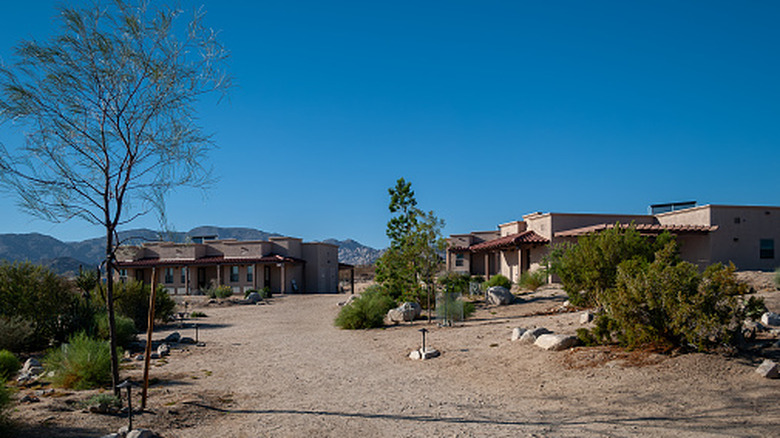
Twentynine Palms is a small desert city in Southern California, located right along the border of Joshua Tree National Park. The city's proximity to the park allows visitors to access the less crowded North Entrance. The drive is roughly one hour from Palm Springs International Airport and around three hours from Los Angeles, making it within easy reach for both regional and international travelers.
Joshua Tree National Park offers a wide range of outdoor activities. Hiking trails such as the Oasis of Mara begin near the North Entrance, while longer routes lead into the park's more remote desert terrain. Rock climbing is one of the park's signature activities, attracting climbers from around the world to its distinctive granite formations. Stargazing is also exceptionally popular due to minimal light pollution; the park is designated as an International Dark Sky Park.
Twentynine Palms is home to many beautiful murals and attractions like the beloved Smith's Ranch Drive-In Theater and the Sky's the Limit Observatory. Summer temperatures can exceed safe limits for strenuous activity, so fall through spring are the best seasons for long hikes. Like Palm Springs, it could be considered among the best destinations in California for a winter getaway. Accommodation costs are generally budget friendly, with motels, budget hotels, and short-term rentals available throughout town.
Kanab, Utah
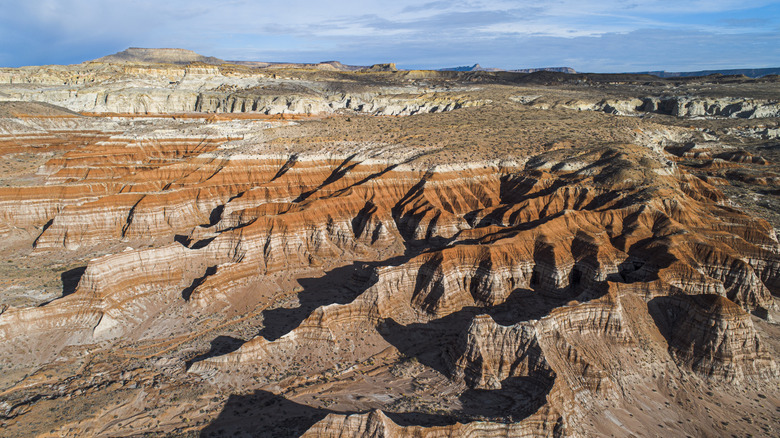
With its roots in the American frontier of the 19th century, this small town's connections to local Native American culture continues to influence visitors' experiences. The name itself, Kanab, is a Paiute word meaning "place of the willows." Geographically, this region of Utah sits on the Colorado Plateau, enveloped by the beauty of the Mojave and Great Basin deserts, which are home to some of the most stunning canyons in the U.S. Kanab, a small town in southern Utah, is uniquely positioned between several major national parks, making it a perfect home base for a desert adventure.
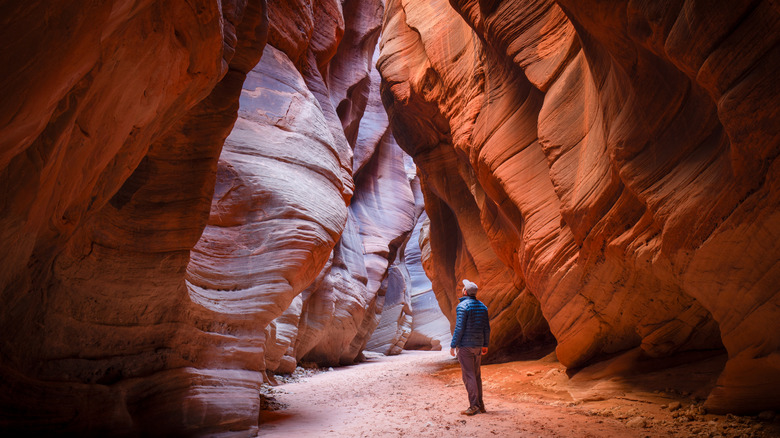
Kanab serves as a launching point for exploring Grand Staircase–Escalante National Monument, which offers excellent opportunities for backcountry hiking, nature photography, and camping. Zion National Park is also only a 30-minute drive from town, a region that holds traces of ancient Indigenous life — more than 500 sites within the park are managed by both tribal leaders and archeologists. Visitors can check out some of the 880,000 artifacts managed by this park at the Zion Human History Museum, located near the park's south entrance. Kanab also boasts many nearby slot canyons, such as Peek-A-Boo Canyon, known for long and narrow sandstone passages sculpted into labyrinthine trails. Coral Pink Sand Dunes State Park, about 30 minutes west of town, attracts visitors seeking a different type of desert terrain with wind-swept dunes of vibrant pink-hued sand.
As for the best time to visit, you might be starting to notice a pattern at this point. Like many other small desert towns, temperatures in Kanab are highest from June through August. Spring and fall provide more moderate, enjoyable conditions. Kanab lies about a one-hour drive from St. George Regional Airport and approximately three hours from Las Vegas.
Marble Canyon, Arizona
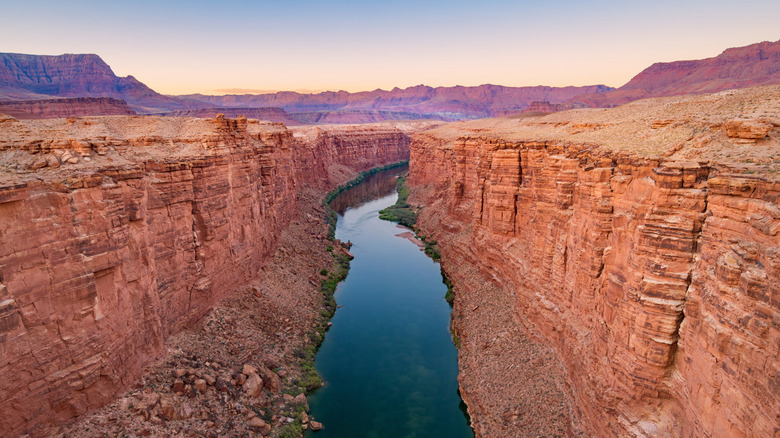
Shaped by its roots as a key Colorado River crossings in the American Southwest, Marble Canyon remains closely connected to the landscapes and cultures that shaped it. The area sits along the Colorado River, just downstream from Glen Canyon Dam, where the river enters the Grand Canyon system. Long before modern roads reached the region, Native American communities including the Puebloans, Hopi, and Navajo lived and traveled through this corridor. Their presence continues to shape the cultural landscape visitors encounter today. Though small and sparsely developed, Marble Canyon is uniquely positioned as a gateway to some of northern Arizona's most striking natural landscapes, without the crowds and prices of Grand Canyon. From Marble Canyon, visitors can reach the unique and ancient natural wonder that is Grand Canyon National Park in less than two hours.
One of the most notable nearby attractions is Lee's Ferry, a historic crossing point that now functions as a launch site for rafting trips through the Grand Canyon. It is also one of the few places where visitors can easily access the Colorado River, making it a worthwhile stop for water sports enthusiasts, as much as for folks seeking a quiet picnic by the water. Just a short drive away, Vermilion Cliffs National Monument offers opportunities for hiking and backcountry camping, with dramatic red rock formations and remote desert landscapes. For an accessible outing, the Navajo Bridge provides sweeping views of the river canyon below and is a popular spot for watching condors glide overhead. Marble Canyon is about a two-hour drive from Flagstaff, and roughly four hours from Las Vegas, with driving being the most reliable way to reach and explore the region.
Methodology
The destinations included in this article were identified through a review of discussions on travel forums, regional travel websites, and community platforms where travelers and experts share budget-focused recommendations and firsthand experiences. Online conversations were examined to determine which desert towns are frequently described as affordable, accessible from major airports, and located near well-known outdoor recreation areas. Sources included travel blogs, regional tourism guides, and Reddit forums where users discuss low-cost destinations and outdoor activities in the American Southwest.