

Pack Extras Of These 5 Camping Essentials And Thank Us Later
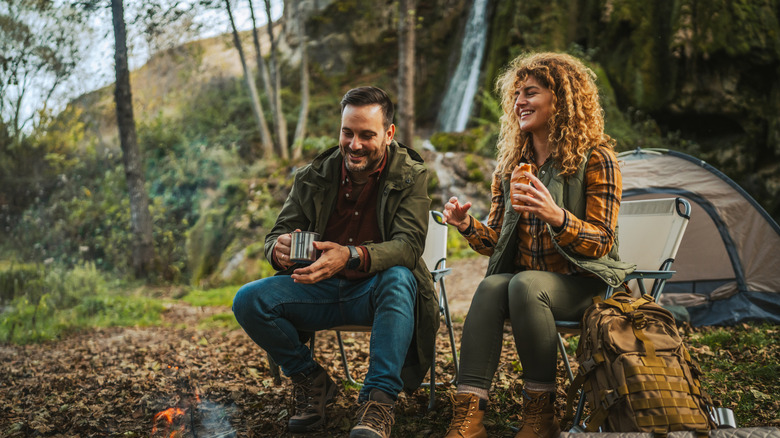
Most experienced campers rely on a core set of essential gear that addresses the same fundamental challenges: staying warm, maintaining energy, adapting to changing conditions, and navigation. These basic functions apply across environments, whether you're camping in forests, mountains, or exposed desert.
Sometimes, you have to learn things the hard way. I've been on a number of camping trips where I was unprepared and had to tough it out in less-than-ideal conditions. Luckily for you, I've compiled this list based on those lessons learned, as well as expert recommendations. The items covered here include various budget-friendly essentials that will upgrade your camping experience. Many of these items serve more than one purpose, offering added functionality without taking up extra space. Ultimately, good preparation allows you to spend less time managing discomfort or covering your basic needs and more time enjoying your surroundings.
Fire starters
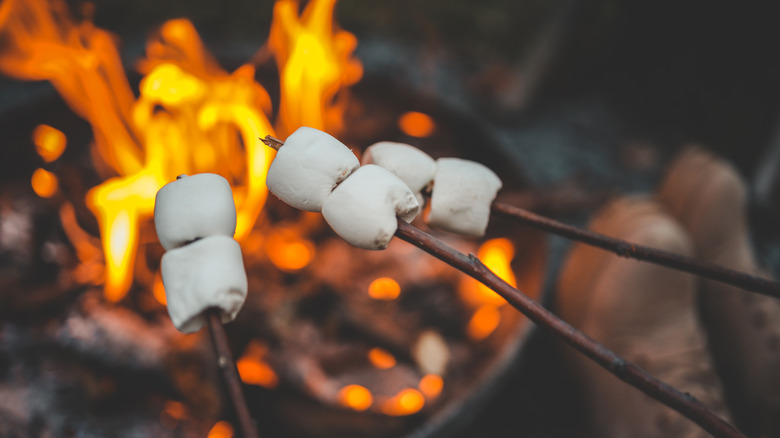
When camping, fire often plays a central role in comfort, as well as survival should something go wrong. Camp fires provide warmth, allow you to cook food, dry your wet clothes, and can serve as a signal in emergency situations. Even in warmer months, temperatures can drop quickly after sunset, especially at higher elevations or coastal areas such as California's beaches, ideal for winter camping. Without adequate resources, exposure to cold can become a serious risk. Carrying a few reliable fire-starting tools is critical for comfort and peace of mind.
Waterproof matches, lighters, and ferrocerium rods are among the most common tools for starting fires. Pro tip: experienced campers carry more than one method in case one fails. Humidity after rainfall, wind at an exposed campsite, and fatigue can all make starting a fire more difficult, so redundancy is important. It's also helpful to pack extra fire-starting materials, such as cotton balls coated in petroleum jelly or commercial fire starters, which can make ignition easier in difficult conditions. Some even come scented, adding an element of comfort.
That said, building a campfire is not always possible or permitted. In many regions — particularly dry or desert environments – fire restrictions are common due to the risk of wildfires. In this case, a portable camping stove becomes an essential alternative. While it doesn't provide the same warmth as an open fire, it allows you to heat food and water safely and efficiently without violating regulations. Always check fire restrictions before your trip, and use established fire pits at your designated campsite when available. Fire should be treated as a tool, not a guarantee. Having the ability to create heat when conditions allow — and a backup plan when they don't — is one of the most important aspects of being prepared outdoors.
A mix of nutritious and delicious snacks

Food planning is one of the most overlooked aspects of camping preparation, but it plays a major role in maintaining energy and morale. Keep in mind that physical activities involved in camping, such as hiking, carrying gear, and setting up the tent, can tire you out much faster than normal. At the same time, cooking outdoors is less convenient than at home. It requires careful planning and equipment that doesn't provide the same range of culinary possibilities as your kitchen. Because of this, relying solely on cooked meals can leave gaps in your energy levels throughout the day.
This is where snacks become essential. High-calorie, nutrient-dense foods provide a steady source of energy without the hassle of cooking in the woods. Items like trail mix, protein bars, jerky, nut butters, and dried fruit are commonly recommended because they are lightweight, easy to pack, and don't require refrigeration. They can be eaten quickly during breaks or even while moving, which is especially useful during long hikes or busy days outdoors. A good camping snack won't require plates, utensils, or cleanup, which simplifies your setup. This is particularly helpful in backcountry settings, where minimizing weight and waste is important. It's also important to choose a few snacks that hit home. Having a bite of comfort food does wonders when the going gets tough, as it can when you're in an unfamiliar place.
A general rule of thumb when camping is also to bring more food than you think you'll need. Unexpected delays, longer hikes, or changes in weather can increase your body's energy demands. Having extra food on hand helps prevent fatigue from low blood sugar, which can impair decision-making and overall safety. Packing extra snacks means you don't have to worry about preparing food constantly, or running out. You can focus more on enjoying the camping experience.
Layers
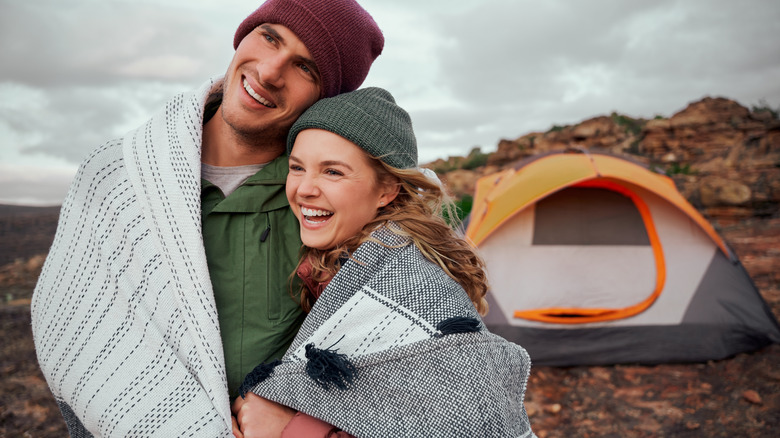
Adapt to changing weather conditions is one of the most important factors in staying comfortable outdoors. Unlike indoor environments where temperatures can be controlled, outdoor settings require you to manage your own comfort through what you wear. Packing strategic layers is a solid way to ensure your comfort through sudden changes in weather and fluctuations in your body temperature. A typical approach includes three main components: a base layer, a mid-layer, and an outer layer. The base layer is designed to wick moisture away from your skin, helping you stay dry during physical activity — avoid cotton textiles, which tend to absorb moisture. The mid-layer provides insulation, trapping heat to keep you warm — consider a fleece sweatshirt or down vest. The outer layer acts as a barrier against wind and rain, protecting you from external conditions. It should be durable and waterproof, ideally with deep pockets and a hood.
This system is effective because it allows you to add or remove layers as needed. For example, you might start a hike wearing all three layers on a drizzly morning, remove one as the sun comes out, and then put it back on in the evening. If you tend to run cold at night, having an extra layer that's cozy enough to sleep in will be a game changer. This flexibility is especially important in environments where temperatures shift significantly throughout the day. Even in warm climates, bringing extra layers is important. Desert environments, for instance, can experience sharp temperature drops at night. Similarly, higher elevations often have cooler and windier conditions than expected.
Power sources and connectors
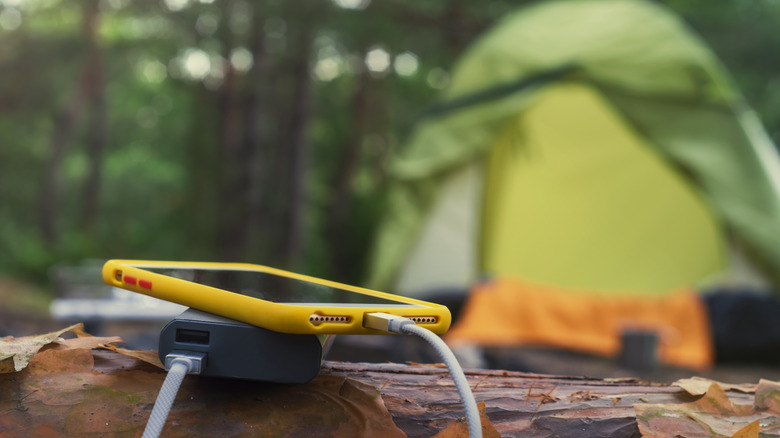
Reliable power is an essential part of any outdoor setup. Many commonly used items such as headlamps, flashlights, GPS devices, and radios depend on a steady source of power to function properly. If these fail, even simple tasks like setting up camp after dark or finding a trail can become more difficult.
It's a good idea to pack some back up juice for these devices. For example, extra batteries are a straightforward and effective way to avoid disruptions. It's also worth noting that cold temperatures can reduce battery performance, so keeping spares in a warmer place, like inside a jacket, can help extend their effectiveness. For rechargeable devices, power banks are equally important. A fully charged power bank can extend the life of your devices by several days, depending on usage. It's also a good idea to have a printed map on hand in case cell service is limited.
Bringing extra connectors, such as USB-C chargers, can be a simple but important addition to your camping setup. Having at least one or two backups helps avoid situations where a lost or damaged charger renders multiple devices unusable. It's also useful to keep one cable stored separately from the others, so you're not relying on a single location in your pack. In damp or rugged environments, cables can wear out faster than expected, so treating them as essential gear rather than an afterthought helps ensure your power setup remains reliable throughout the trip.
Trash bags
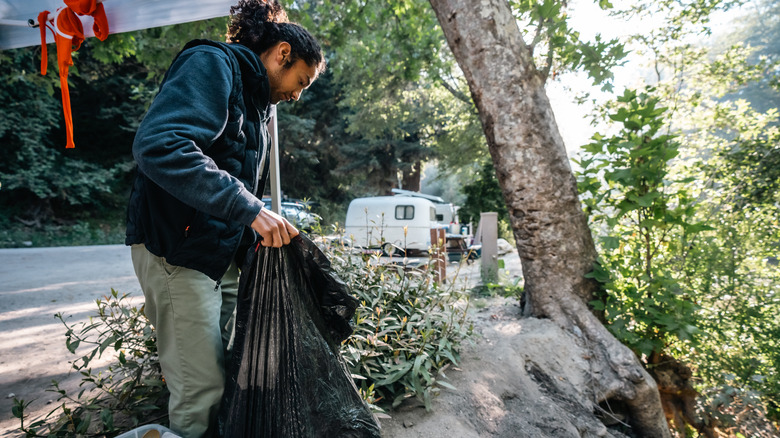
Trash bags are one of the most versatile and underrated items you can bring on a camping trip. At the most basic level, they allow you to pack out your waste and follow leave-no-trace principles, which are essential for protecting natural environments. But beyond waste management, trash bags serve several practical functions.
For example, they are useful for separating dirty clothing from clean gear, helping keep your pack organized and dry. After a long day of hiking, having a designated place to store muddy items can make a noticeable difference in comfort. They can also act as a layer of protection against the elements. In wet conditions, trash bags can be used to line your backpack or to wrap your gear to keep it dry. For water-based activities like kayaking or canoeing, they provide a simple water-resistant barrier for clothing and supplies. In a pinch, they can even be worn as an improvised rain poncho.
When filled with soft items like clothing, they can function as a great makeshift pillow, a low-tech hack to keep your sleeping bag warm. They could also serve as a ground barrier to keep moisture from seeping in. Because they are lightweight, inexpensive, and highly adaptable, a few trash bags can go a long way and are an easy addition to any packing list. Their usefulness across a wide range of situations makes them incredibly handy. Some folks specifically swear by trash compactor bags that are more durable and less likely to tear than the regular ones.
Methodology
This article is based primarily on the author's personal camping experience, and is supported by the experts at renowned outdoor guides and outfitters such as REI and Outside. The focus was placed on widely applicable essentials that address fundamental needs across a variety of environments. In developing these recommendations, priority was given to items that serve multiple purposes and contribute directly to safety, comfort, and efficiency. The goal was to highlight essentials that are practical, versatile, easy to pack, and relatively accessible for all budgets.