

5 Of California's Top-Tier Surf Towns With Beautiful Beaches, According To Experts And Travelers
Surfing isn't just popular in California — it's literally the state's official sport. The dream of catching the perfect wave has been drawing surfers from all walks of life, and from around the world, to its more than 800 miles of coastline for nearly two centuries. Along that golden coast, several communities consistently stand out for their reliable waves and the beauty of their beaches.
These towns have seen it all, from the heyday of bohemian surfer lifestyle, to the more recent way that surf culture has become woven into daily life. The steady presence of surfers paddling out beyond the break is what has helped certain towns develop a reputation among travelers. These places appear frequently in surf travel guides, visitor reviews, and regional rankings that highlight California's best surf towns.
The towns listed below are also relatively easy to reach from major cities such as Los Angeles, San Diego, and San Francisco. They're common additions to road trips along California's coastal highways. For visitors interested in exploring California's surf culture while enjoying some of the state's most distinctive beaches, these towns offer accessible shoreline, great views, and surf breaks that have earned lasting recognition among travelers and surfers alike.
Malibu
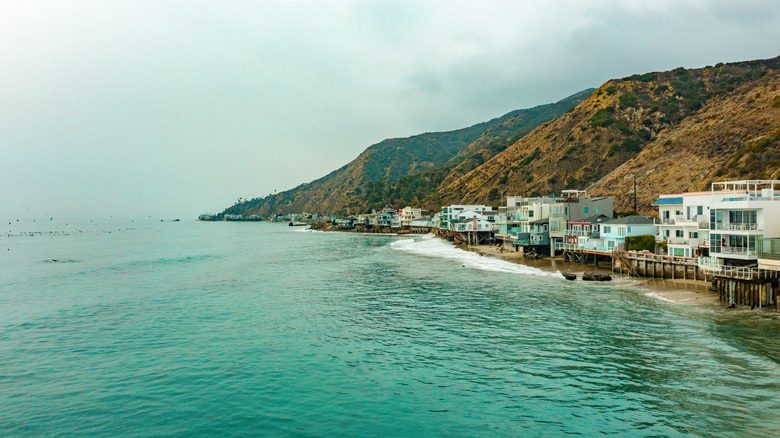
Located about 30 miles west of Los Angeles, Malibu is one of the most iconic beach towns along the Pacific Coast Highway. The city's coastline sits between the Santa Monica Mountains and the Pacific Ocean, creating a stretch of shoreline known for its natural beauty. For many travelers exploring Southern California by car, Malibu is one of the first places where the coastal scenery begins to feel expansive and less urban.
Much of Malibu's surfing reputation centers on Surfrider Beach, a point break that sits right next to the historic Malibu Pier. The break here produces long, gently unfurling waves when southern swells arrive during summer and early fall. Travelers frequently mention the beach in reviews for its combination of surf culture and scenic setting. Part of the shoreline is specifically reserved for surfers, and visitors watching from the sand or pier can often see them riding waves across multiple sections of the break.
Travel guides frequently describe Malibu as one of Southern California's classic surf destinations because the point break tends to produce smooth, predictable rides compared with many beach breaks. Even for visitors who don't surf, the sight of longboarders gliding across the wave face has become one of the defining images associated with the Malibu coastline. Visitors often note the appeal of walking along the beach at sunset. Nature lovers and birders will enjoy the Malibu Lagoon State Beach, which connects to Surfrider Beach and attracts more than 200 species of birds.
Santa Cruz
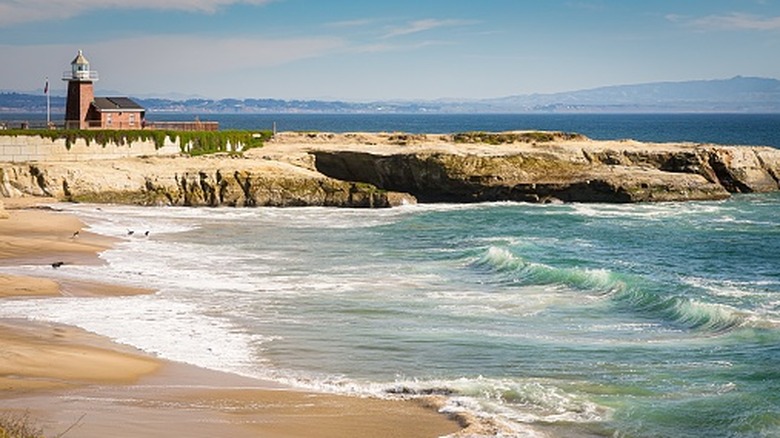
The historic city of Santa Cruz sits along the northern edge of Monterey Bay and has long been associated with surfing on the Northern California coast. Santa Cruz is one of those old school American cities with attractions that feel stuck in the 1980s, but it's not without its charms. Travelers often describe it as a place where surf culture is visible throughout the waterfront, from surf shops and coastal trails to the steady presence of surfers in the water. Santa Cruz is relatively accessible for visitors exploring Northern California. The city is just over an hour's drive south of San Francisco. Because of this proximity, it has become a common stop for travelers interested in experiencing a Northern California surf town while exploring the Pacific Coast.
One of the best-known surf locations in the city is Steamer Lane, a wave that breaks along rocky reefs beneath coastal cliffs near the Santa Cruz Surfing Museum. Visitors frequently mention the area in travel reviews because it offers a rare opportunity to watch experienced surfers ride powerful waves from vantage points directly above the break. From the cliffs, spectators can look down on surfers paddling into waves that roll across the point. Fall and winter are often considered the best seasons for surfing and surf watching, because storms in the North Pacific generate larger swells that reach the coastline during this time.
West Cliff Drive is a popular bay side area with 2 miles of accessible mixed use paths along the most scenic parts of the Santa Cruz coastline. This is one of the best places to watch surfers and take photographs with the picturesque lighthouse, cliffs, and crashing waves at sunset. Also near the drive sits the gorgeous Natural Bridges State Beach, where a natural bridge carved into rock by the ocean welcomes monarch butterflies during the winter on their long migration.
Carpinteria (Rincon Beach)
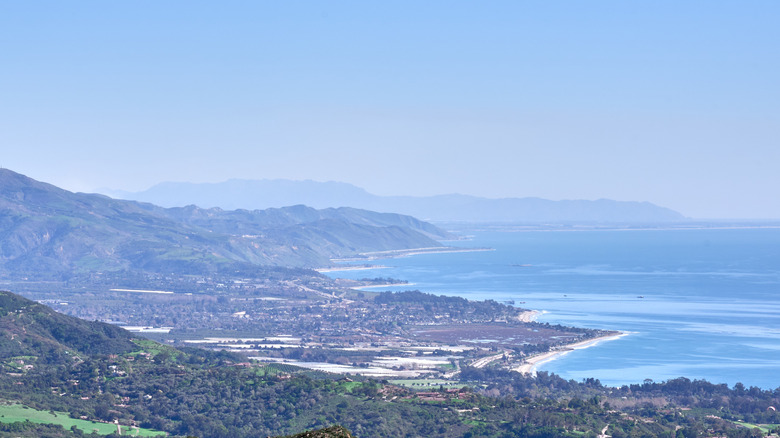
Just southeast of Santa Barbara, the surf break known as Rincon sits a short 10 minute drive from the scenic coastal gem of Carpinteria. The area is widely recognized among surfers because of the long waves that break along Rincon's rocky point. When winter swells arrive, Rincon's waves can form a series of connected sections that allow surfers to ride for extended distances. The Rincon break lies directly beside Highway 101, making it possible to spot surfers in the water while driving along the coast. Parking areas near the beach allow visitors to walk down to the shoreline, where they can watch waves rolling toward the shore.
Winter typically provides the best surfing conditions because swells generated in the North Pacific travel toward the Santa Barbara Channel and wrap around local points, producing ideal waves. During strong swell events, the beach is known to get quite crowded. However, visitors frequently describe the setting as one of the most visually striking along the Southern California coast.
If you're looking for a break from the crowds, head to Carpinteria State Beach, known for its relatively gentle waves and relative quiet. You will still see surfers around, particularly around the section of the beach called Tarpits. You may also catch sight of the harbor seals that live nearby. Beyond the beach, Carpinteria's compact downtown features cafes, casual restaurants, and small shops within walking distance of the ocean. Travelers looking for a low-key coastal experience often choose Carpinteria for its slower pace, with easy access to legendary surf spots.
San Clemente (Trestles)
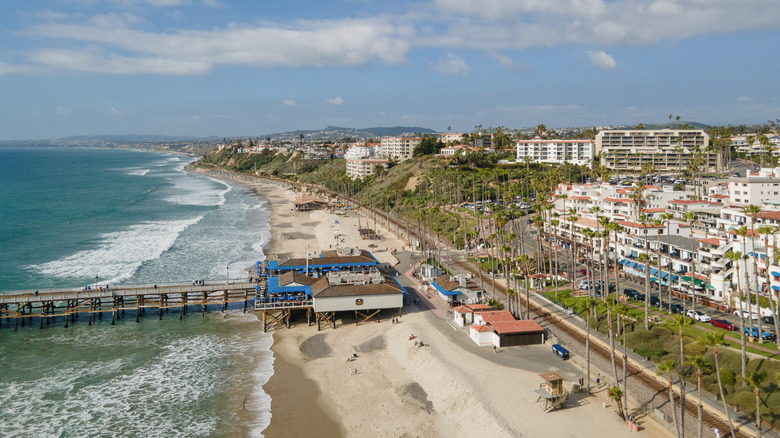
Situated roughly halfway between Los Angeles and San Diego, San Clemente has developed a reputation as one of Southern California's most active surf communities with deep surf history. Much of that reputation centers on the surf area known as Trestles, located within San Onofre State Beach just south of the city. Reaching the beach requires a walk down a paved trail that leads through coastal hills toward the ocean. As you approach the shoreline, you can usually see surfers already waiting in the water beyond the break.
The surf area includes several distinct peaks, but Lower Trestles is the most frequently mentioned in traveler accounts as the best spot. Summer and early fall often bring the most consistent conditions as southern swells move up the coast.
Within the town of San Clemente, much of the activity centers on the waterfront and downtown areas. Visitors can stroll the shoreline near the San Clemente Pier, or walk and bike along the paved San Clemente Beach Trail that runs just above the sand. Inland, be sure to check out the Casa Romantica Cultural Center and Gardens, a former cliffside residence now open for tours, exhibitions, and garden walks overlooking the ocean. Avenida Del Mar serves as the main commercial street, lined with cafes, surf shops, galleries, and casual restaurants, making it easy to spend an afternoon browsing or stopping for a meal before heading back toward the beach.
Half Moon Bay
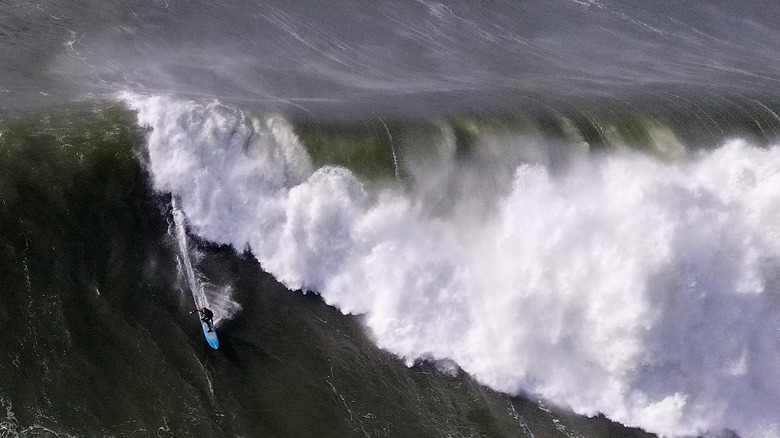
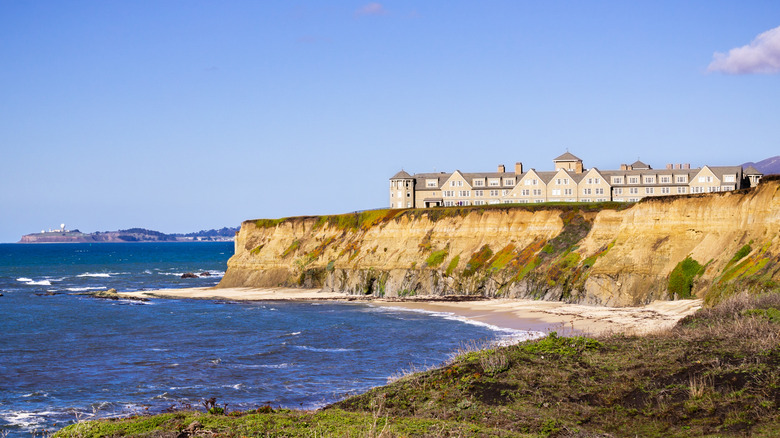
About 30 miles south of San Francisco, Half Moon Bay is a gorgeous coastal city with picturesque beaches and views. It is best known in surfing circles for massive swells called Mavericks, or as Surf Atlas calls it, "the big beast of the West Coast." Distant storms can produce some of the largest waves in the world – up to 60 feet tall. Because the break itself sits a half-mile offshore, you'll need to bring binoculars for the best chance at viewing the action from dry land. The best viewing and surfing conditions typically occur between November and March.
The town features a walkable historic core and several coastal parks. Main Street is lined with small boutiques, cafes, art galleries, and seafood restaurants. The city has a distinctly charming, small-town feel. Along the shoreline, visitors gravitate to Half Moon Bay State Beach for long walks on wide sandy stretches, while the paved California Coastal Trail offers miles of oceanfront walking and cycling dotted with scenic overlooks. Nearby Pillar Point Harbor adds a different atmosphere, with fishing boats, whale-watching tours, and waterfront eateries serving freshly caught seafood.
Methodology
The destinations included in this list were selected based on recurring mentions in surf travel guides, local tourism boards, and visitor reviews that highlight beaches known for both scenic appeal and surf activity. These locations appear frequently in discussions of California surf destinations and are widely recognized for their world-class surf breaks. Accessibility was another factor in the selection process. Each destination can be reached relatively easily from a major California city, making them common stops for travelers exploring the state's coastline.