

One Of America's Least-Visited National Parks Is A Hidden Gem In The Pacific
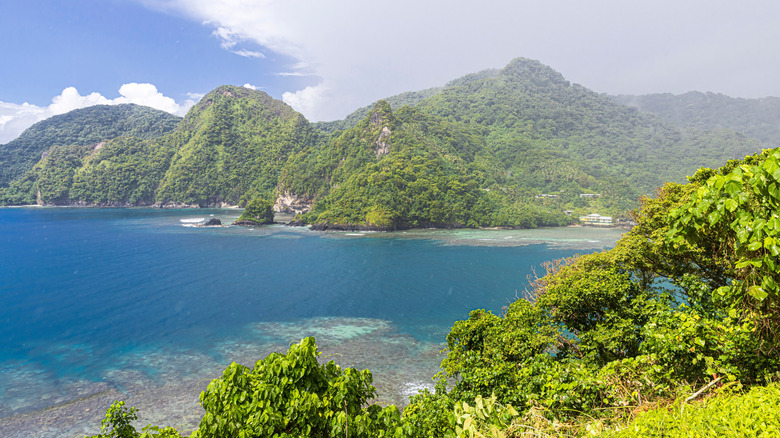
Located far out in the South Pacific, the National Park of American Samoa is one of the least-visited national parks in the United States, with just about 5,000 visitors yearly. A hidden 13,500-acre gem spread across three islands (Tutuila, Ofu, and Taʻū), this park houses incredible biodiversity and landscapes: from flying foxes and humpback whales to lush tropical rainforests climbing steep mountainsides to coral reefs and quiet, pristine beaches. If you're a traveler seeking some true natural solace away from the usual crowds found at the must-see attractions at a popular national park like Yellowstone, then this is your ideal destination.
Established in 1988, National Park of American Samoa is the only U.S. national park located in the Southern Hemisphere. It holds deep cultural significance and is sometimes described as the "Islands of Sacred Earth," reflecting the meaning of "Samoa." The islands here have been home to Samoan communities for over 3,000 years and, interestingly, much of the land within the park is not under federal ownership but only leased through a 50-year agreement with eight Samoan villages, allowing locals to remain on their ancestral lands. Although American Samoa is under U.S. jurisdiction, it's an unincorporated territory with its own constitution and immigration system, and its residents are U.S. nationals (rather than citizens). Citizens of the U.S. must hold a valid passport to visit this area, but a visa isn't required.
To reach the park, the best route is to fly into Honolulu first. Then, fly roughly five hours to Pago Pago International Airport on the Island of Tutuila — but note that only Hawaiian and Alaska airlines serve the route, and round-trip costs may surpass $1,000. While rental cars and taxis operate on Tutuila, the other islands are far more remote, and you can only get to them through ferries or small local flights.
Unforgettable experiences on Tutuila Island
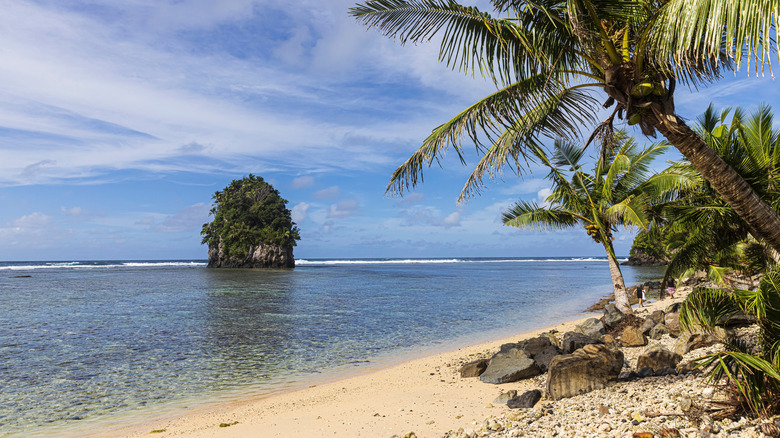
While many travelers would easily flock to some of the world's most beautiful islands, you can also have undisturbed fun at a spot like Tutuila — the largest island in the National Park of American Samoa. A key highlight here is the Mount Alava Trail, a challenging hike (7 miles round trip) that climbs through dense rainforest and gives you scenic panoramic views of Pago Pago Harbor, counted among the deepest natural harbors in the South Pacific. Get ready to spot Pacific pigeons, fruit bats, resplendent wild orchids, and stunning cliffside views along the way. The Pola Island Trail is a less challenging walk (just 0.1 miles) leading to a rocky beach and yielding a rewarding view of the Pola Island. Be careful not to swim here, as the currents may grow too strong.
Water lovers can check out the protected waters of Fagatele Bay, where you can snorkel and kayak. The water is calm and clear, and it's filled with sea turtles, sharks, and coral formations. Meanwhile, history buffs can visit the World War II Heritage Trail, a 1.7-mile path winding past wartime defenses and the historic Blunts Point Battery, where cannons once guarded Pago Pago Harbor. A visit to the villages near Pago Pago is a great way to experience the simple communal Samoan way of life, including eating traditional meals while sitting on the floor. You can also shop for local handicrafts or fashion items like the traditional puletasi dresses for women.
What to experience at Ofu and Taʻū Islands
Ofu Island is famous for its tranquil beaches with white sands and crystal-clear waters. Ofu Beach — considered by some to be one of the world's most beautiful beaches — is home to hundreds of fish species and colorful corals, and it's a perfect spot for snorkeling, best done at low tide. For a real off-the-beaten-path adventure, Taʻū Island serves just that. The island also features Lata Mountain, the highest point in American Samoa, measuring a little above 3,000 feet. Hiking here spans about 2.5 miles, but you're rewarded with sweeping island views and ocean vistas.
Camping and accommodations aren't available directly within the National Park of American Samoa, but hotels can be found around the airport. A popular example is Tradewinds Hotel, although it's about 40 minutes from the park. Plan your visit around May through October for slightly drier weather and more comfortable hiking conditions. American Samoa has a tropical climate year-round, so expect warm and humid temperatures no matter when you visit, with heavier rainfall from November through April. To fully enjoy your visit, make sure to bring along light hiking shoes, breathable clothing, snorkeling gear (if possible), sun essentials, insect repellents, and refillable water bottles. For more amazing nature views, you might want to check out the least-visited national park in the U.S., the Gates of the Arctic National Park.