

4 Overcrowded US National Parks That Got Rid Of Reservations In 2026
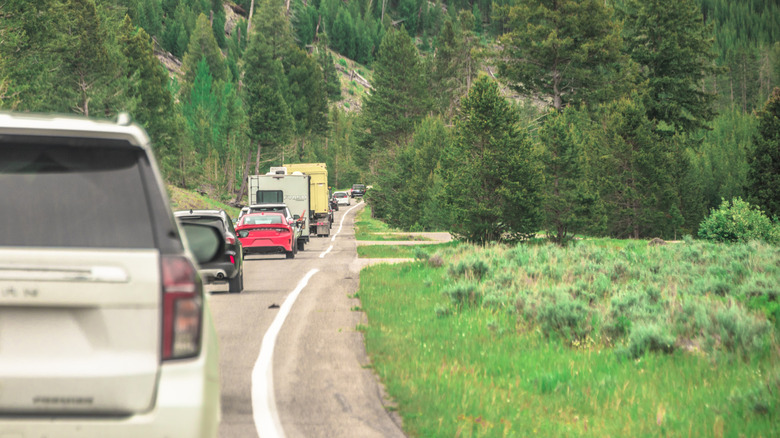
Nature lovers looking to visit some of the most popular national parks in the United States will find that there are changes to entry times or no need for reservations in 2026. The National Park Service announced in February that the changes will impact four specific national parks in an effort to "expand public access while maintaining safe and responsible management during peak visitation."
The update comes just a few months after a new ID rule for visitors to national parks was put in place that impacts who pays what for entry fees. For reservation changes specifically, the four parks impacted are Yosemite National Park in California, Arches National Park in Utah, Glacier National Park in Montana, and Mount Rainier National Park in Washington. Before the announcement, travelers could book reserved entry times into each park in hopes of eliminating or reducing wait times to enter and easing parking congestion within each designated area. Moving forward, the National Park Service will use "targeted tools" when necessary to protect visitors and preserve the parks, a statement reads.
Some conservationists disagree that the changes will protect the parks and say that the lack of reservations will do more harm than good. The reservation system has also received mixed reviews over the years from park-goers. Some say the reservations are an additional pain point, while others believe the system makes exploring the parks more enjoyable and manages crowds. Regardless, the new system is in effect for summer 2026, and each park has its own nuances, so it's best to plan ahead before you go.
Reservations are no longer required to visit Yosemite
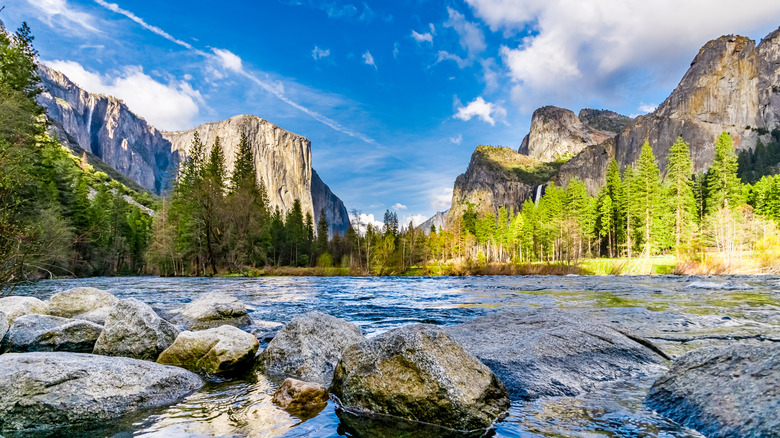
The massive Yosemite National Park has been protected since 1864. Stretching for nearly 1,200 square miles, the California park saw nearly 3 million visitors in the summer of 2025. In 2026, the park will no longer offer the advance reservations that were intended to control those crowds. Instead, the National Park Service said temporary traffic diversions during peak capacity hours, and more staff on hand, will ensure the historic and scenic park remains accessible.
The approach even applies during the busiest summer months at the park, despite an increase in visitors. In 2025, the park required reservations only during its peak summer season in an attempt to spread out the visitors and preserve the land. Conservationists are concerned that the lack of crowd control in 2026 will damage local ecosystems, which they say was the case in summer 2025 when the reservation system was relaxed, The Fresno Bee reported.
The change, authorities say, makes Yosemite National Park more accessible while also maintaining safety. In a similar vein, California's closest airport to the park, Yosemite International Airport, just underwent a major expansion, further improving accessibility to the area. No reservations may sound convenient, but be prepared for larger crowds.
Timed entries are a thing of the past at Arches National Park
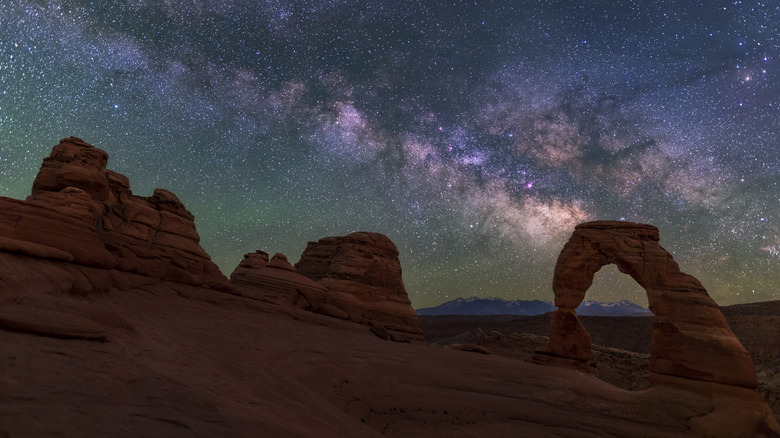
With a history of drawing more than 1.5 million visitors each year, Arches National Park continues to show its popularity. And with good reason! This park in Utah holds the record for the highest density of natural stone arches on Earth, which is just one of a number of impressive world records held by U.S. national parks. Timed reservations that were required in 2025 are no longer available moving forward in 2026, however, meaning more traffic and more people are possible this year.
Park authorities appear to recognize that crowding could be a challenge this summer in the popular park and recommend staying informed before making a visit to Arches. Those planning to visit are encouraged to check current park conditions on the official park webcam and purchase entry passes online rather than at the park itself. Park officials also suggest visiting Arches after dark, as it's an International Dark Sky-certified stargazing spot.
"Arches offers extraordinary experiences at every hour of the day," said Superintendent Lena Pace in a news release. "We encourage visitors to arrive early, explore lesser-traveled areas if certain locations are busy, and be flexible when enjoying the park." Visitors may also encounter temporarily restricted locations to reduce congestion and are encouraged to explore additional scenic viewpoints across its 119 square miles.
Glacier National Park leaves vehicle reservations behind in 2026
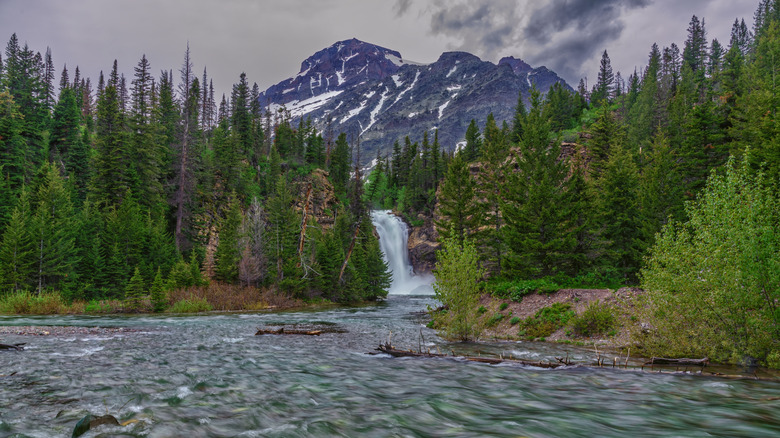
Since it was established in 1910, Glacier National Park has invited guests to explore 1,600 square miles of untouched Montana land. Its numerous ice rivers, 25 glaciers, and picturesque waterfalls drew approximately 3 million annual visitors in recent years. To handle the traffic, the park had a required vehicle reservation system in place to help alleviate crowds and traffic jams.
That's not the case for 2026, however. According to the National Park Service, the vehicle reservation system is now a thing of the past. Instead, authorities said visitors can expect increased, active management of the park's more congested areas. This includes the popular Going-to-the-Sun Road, a 50-mile stretch of two-lane highway that provides pull-over access to scenery that captures photographers' imaginations.
Parking limits could also be implemented in the park during the busier summer season. Since vehicle reservations are no longer available to help visitors avoid crowds and lines, it might be worth spending the night in the park to tackle the sights early the next morning. Reservations will be needed, however, to stay in the old-school Many Glacier Hotel that offers a scenic, romantic escape.
Park management strategies will replace Mount Rainier's reservation system
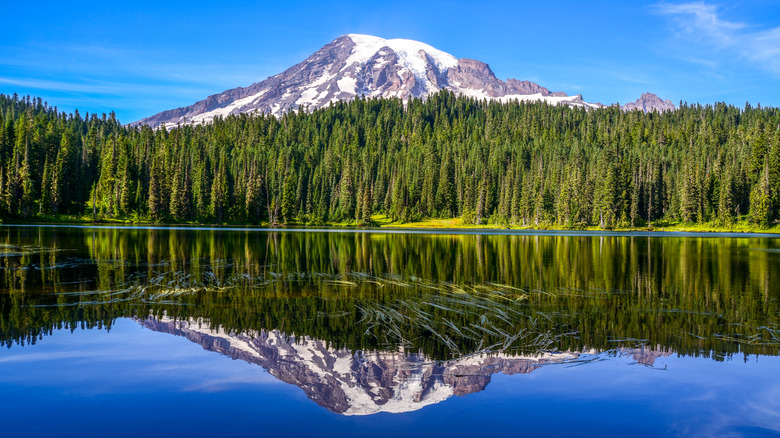
Mount Rainier is a spectacular national park in Washington state that's home to an active volcano. So, it's no wonder that in 2025, nearly 2.5 million people flocked to the park. Like with other national parks, Mount Rainier depended on a reservation system in previous years to organize timed entries and avoid vehicular backups at the park's gates.
Instead of using the reservation system and timed entries, in 2026, the park will work to manage traffic and parking using alternative strategies. In a news release, the park encourages visitors to Mount Rainier to take steps to ensure their visit goes as smoothly as possible. Among the suggestions is visiting before 7 a.m. or after 4 p.m. Mount Rainier National Park is open 24 hours, after all. Other suggestions the park offers for a maximized experience is to visit during weekdays, when crowds are typically smaller. Those planning a trip can also visit the official Mount Rainier website to determine which areas may be less congested on any specific day.