

Washington Boasts One Of The Most Popular National Parks In The US
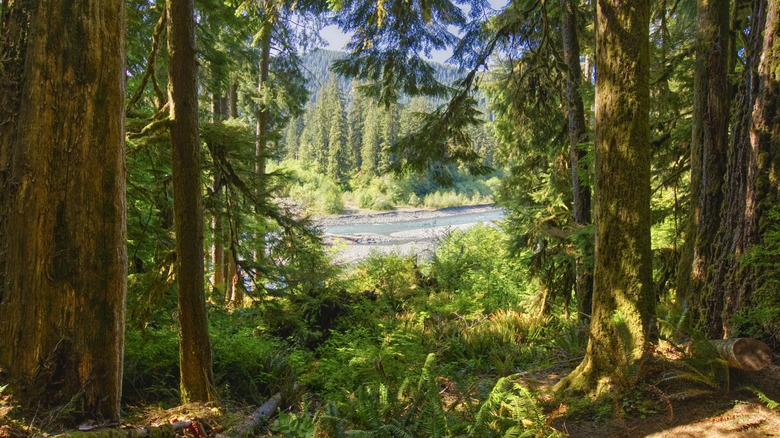
The United States has several iconic attractions and destinations, and Washington State doesn't shy away from this list. One of the state's biggest highlights is Olympic National Park, a vast area of wilderness covering nearly one million acres (about 1,440 square miles) sitting atop the Olympic Peninsula. Here, you can move from snowcapped mountain peaks to verdant rainforests and dramatic Pacific coastlines, a rare geographical diversity that's probably why the park continues to pull in millions of visitors yearly, putting it among the 10 most popular national parks in the U.S.
The area's protection dates back to 1909, when President Theodore Roosevelt designated part of the region as a national monument. Nearly three decades later, President Franklin D. Roosevelt signed legislation establishing Olympic National Park in 1938, preserving its diverse landscapes from logging and development.
Olympic National Park is about 140 miles from Seattle, and the closest major hub is Seattle-Tacoma International Airport. From Seattle, get a rental car because public transport options are limited. You'll drive a little over two hours to reach the park, and Highway 101 leads almost anywhere among the park's major areas. You may also take a ferry across Puget Sound and add scenic views to your journey. If you enter on foot or by bike, the entrance fee is $15 for a seven-day pass. Motorcyclists pay $25, while private vehicles are charged $30. And while the park is open all year, certain areas tend to close seasonally. So, plan well and confirm the accessibility of the areas you want to see.
Places you shouldn't skip at Olympic National Park
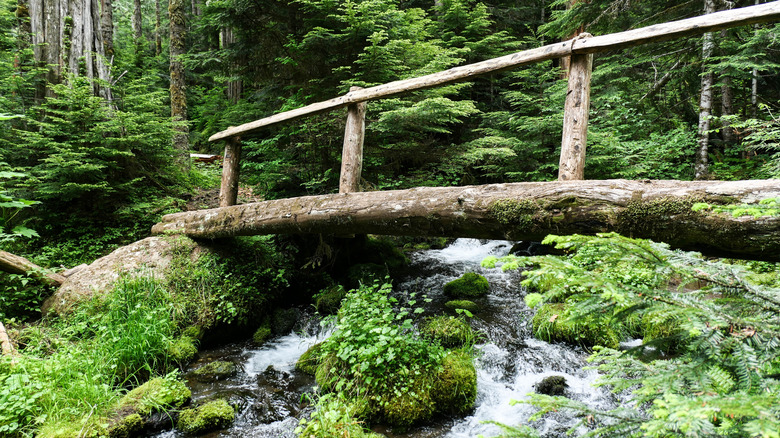
If you have time for only one spot, it should be Hoh Rain Forest, one of the finest temperate rainforests in the United States, with moss-covered trees creating a dense canopy, ferns and lichens forming a carpet across the forest floor, and a chance to spot elk. The park is one of the top U.S. national parks for hiking, and its trails are easy and accessible for hikers of all levels. Hall of Mosses Trail is a 0.8-mile loop great for a short walk through the forest, while the Spruce Nature Trail is a slightly longer 1.2-mile option. The Hoh River Trail runs 18.5 miles and takes you to the Blue Glacier moraine, where you can get a great view up at Mount Olympus. The Hoh Rain Forest Visitor Center operates every day in peak season, though hours may vary.
For mountain views, don't miss Hurricane Ridge, where you'll be treated to immersive panoramic views of the Olympic Mountains. And spring brings alpine meadows covered in wildflowers including possible sightings of grazing blacktail deer. But remember that this place may be inaccessible if there's heavy snowfall.
Coastal scenery also abounds here, with Ruby Beach offering dramatic sea stacks that rise from the Pacific Ocean and tide pools teeming with marine life from colorful sea stars and anemones to small crabs and fish. Check out Rialto Beach for a scenic coastal hike to Hole-in-the-Wall, a natural, unique rock formation best explored during low tide, when tide pools reveal small marine creatures — stay away during high tide, as conditions can become dangerous. A quick 0.7-mile hike takes you to Second Beach, another unique spot with sea stacks, tide pools, and wide coastal views. Inland, there's Lake Crescent, a 624-foot-deep lake with clear blue water, the only place you can find fish species like Beardslee and Crescenti trout.
Things to know before heading to Olympic National Park
There are different accommodation options around the park. Budget travelers will appreciate the availability of campgrounds, with standard prices typically around $20 to $33 per night. Also inside the park is Lake Crescent Lodge, providing lakeside views. You may as well find hotels and vacation rentals in nearby towns like Forks and Port Angeles — such as Port Angeles' Quality Inn, which costs about $100 for a night.
Summer is arguably the best time to visit this park, as you'll have clear skies and full access to alpine trails like Hurricane Ridge, but it's also the busiest time. Spring is also a good time with cooler temperatures, although you should expect more rain. Winter has an even quieter and beautifully snowy atmosphere, opening opportunities for activities like cross-country skiing and snowboarding.
Because the weather here is unpredictable and rain is common, it's wise to bring waterproof layers when you visit. Likewise, get waterproof hiking boots with good grip, sunscreen and other sun protection items, insect repellent, and a refillable water bottle. A camera is highly recommended for those magical shots. Make sure to download maps in advance so you don't get stuck with the limited cell service in many of the areas, and check tide charts before heading out for tide pooling. For more exploration of Washington, check out this beautiful coastal town with plenty of scenic and outdoor fun.