

Canada's 11 Most Beautiful National Parks For Outdoor Adventurers
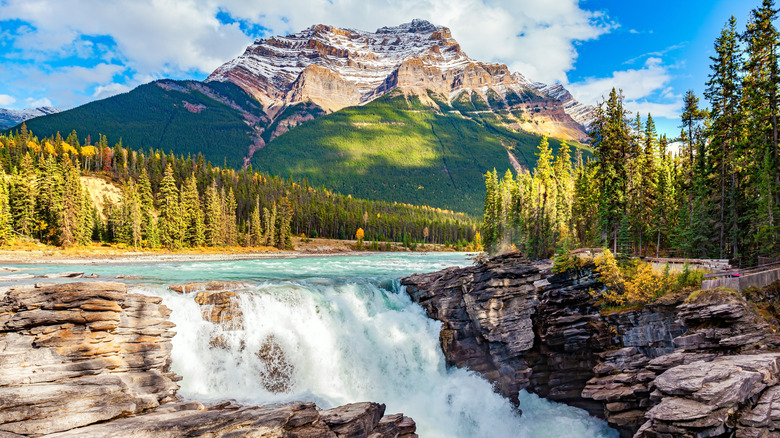
With 37 national parks, 11 national park reserves, and more than 130,000 square miles of protected land, there's no doubt about it — Canada is a nature lover's paradise. This massive country is jam-packed with every kind of terrain imaginable, from grasslands to mountains to fjords. Luckily, Canada makes it easy for people to experience its diverse landscapes with dozens of national parks that showcase the country's natural wonders. Visitors can hike, swim, kayak, camp, ski, cycle, and more, all while surrounded by UNESCO World Heritage Sites and views that most people only get to see in photos. It's no surprise that national parks are widely considered Canada's top attractions for tourists.
With so many national parks to see, you may be struggling to decide which ones to cross off your bucket list first. To make your selection process a little easier, we rounded up the most beautiful national parks in Canada for outdoor adventurers. We evaluated each national park's unique scenery, spotlighting the ones most consistently praised by previous visitors online.
Banff National Park, Alberta
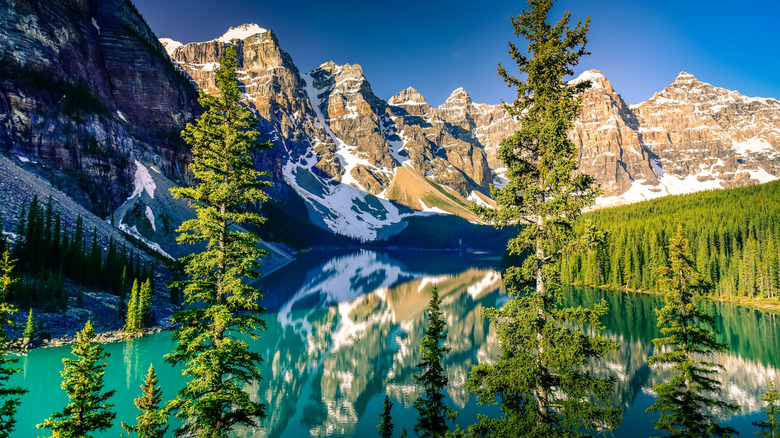
No matter when you visit Banff National Park in Alberta, you'll have plenty of things to see and do. Spanning over 2,500 miles, this park is chock-full of mountains, valleys, and sapphire-toned lakes formed by glaciers within the Canadian Rocky Mountains. A UNESCO World Heritage Site, many would call it the country's most beautiful park — and certainly its most-visited one. More than 4 million people trek here every year. "Banff National Park is one of the most beautiful places on Earth and although I have been here many times, I never grow tired of it," wrote one past visitor on Tripadvisor. "For spectacular beauty, and unforgettable scenery, there's no better place than Banff National Park."
To see the park from above, hop on the eight-minute gondola ride to the peak of Sulphur Mountain, or take the chairlift to the top of Mount Norquay. Hikers can also find scenic viewpoints on many of the park's trails, including the Tunnel Mountain hike and the Sundance Canyon Trail. Keep an eye out for elk, bighorn sheep, mountain goats, wolves, bears, and cougars.
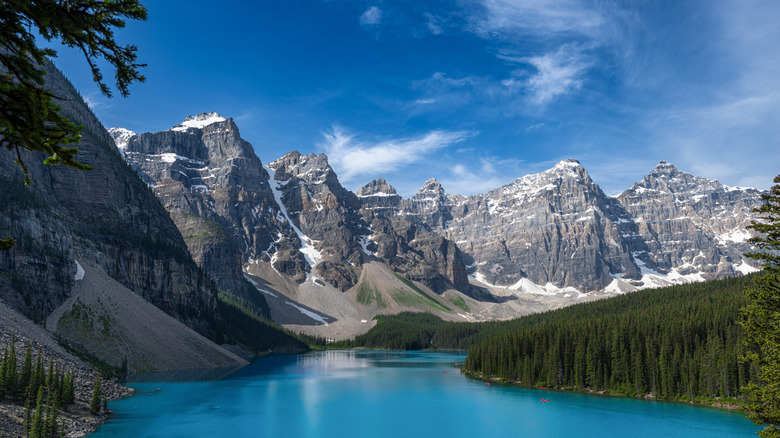
Banff National Park is most famous for its lakes. The one that tops the list for many is the turquoise Lake Louise, an alpine lake named after Queen Victoria's daughter. Visitors can see it on the Lake Louise Shoreline Trail or from a luxurious suite at the nearby Fairmont Château Lake Louise.
Bruce Peninsula National Park, Ontario
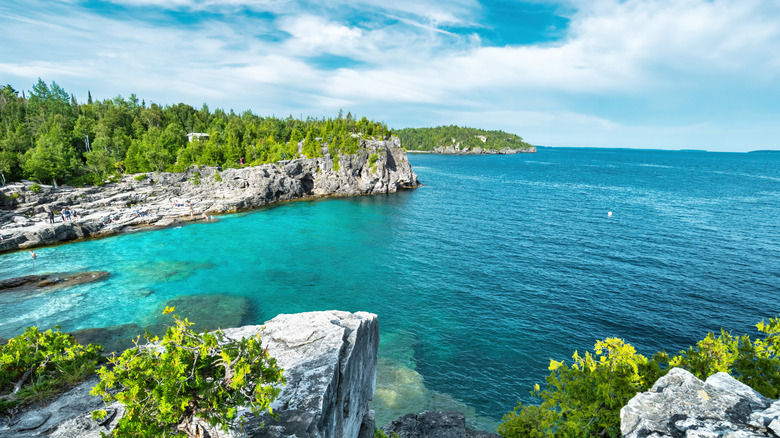
Forget the Caribbean — the real place to be in the summertime is Bruce Peninsula National Park in Ontario, which is located upon the same 400-million-year-old escarpment as Niagara Falls. However, Bruce Peninsula National Park has plenty of its own claims to fame. It has more kinds of orchids than anywhere else in Ontario, as well as many rare plant types. The park is part of a UNESCO World Biosphere Reserve with many sights that make it worthy of a visit. Plus, since it's one of the biggest protected areas in the province, its natural beauty is largely undisturbed. "This is a beautiful park with many different sites to explore," wrote one past visitor on Tripadvisor. "Something for everyone for sure. Hiking, [sightseeing], beaches... And all well maintained."
The park is most famously home to the Grotto, a limestone sea cave that's been dubbed the jewel of Ontario, thanks to its crystal clear waters and an underwater tunnel that swimmers can explore. If you would rather stay on dry land, relax on the shore at Singing Sands Beach, named for its sands that literally "sing" due to their concentration of silica. A quieter yet equally stunning beach option is Indian Head Cove, which features flat, limestone rocks towering above the turquoise waters of Georgian Bay. To see more of Bruce Peninsula National Park's biodiversity, hike a portion of the 550-mile Bruce Trail, the country's oldest and longest walking trail.
Cape Breton Highlands National Park, Nova Scotia
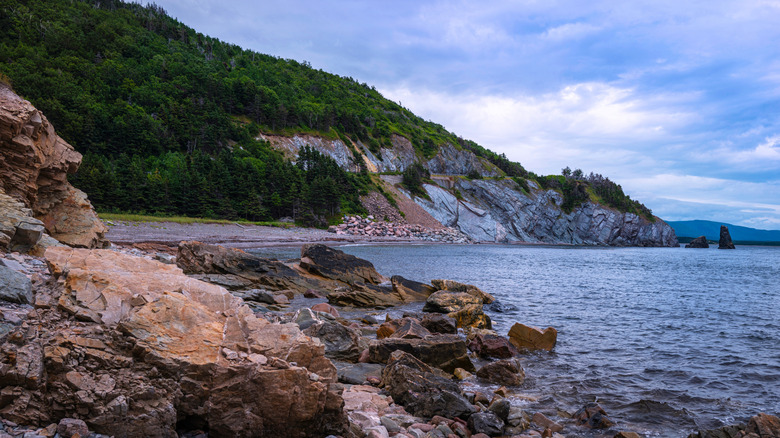
For those who can't choose between the mountains and the seaside, there's perhaps no better spot to visit than Cape Breton Highlands National Park in Nova Scotia, one of Canada's best destinations to snap beautiful pictures. Spanning more than 350 square miles on Cape Breton Island, this park offers forested river canyons, towering cliffs, 26 scenic trails with panoramic views, valleys, mountains, rocky coastlines, and waterfalls. Within these unique settings, rare and endangered plants and animals thrive, including Ice Age-era plants, pilot whales, moose, and bald eagles. It was named Canada's best national park by USA Today in both 2017 and 2018. "Cape Breton Highlands National Park is beautiful," wrote one past visitor on Tripadvisor. "Give yourself enough time to stop and enjoy the scenery and beaches."
Cape Breton Highlands National Park is surrounded by the Atlantic Ocean and the Gulf of St. Lawrence, and it contains numerous lakes for paddling. Nova Scotia's winters are cold and wet, so the best time to visit this park is in the summer, when conditions are optimal for hiking, cycling, and water activities. There are countless bike paths, but the most famous place for cycling is the Cabot Trail, which has been called one of the best biking destinations on the planet. The trail includes several scenic overlooks ideal for taking in the park's beauty. To make a stay of your trip to Cape Breton Highlands National Park, spend the night at one of its seven campgrounds between May and October, ranging from beachside to backcountry locations.
Fundy National Park, New Brunswick
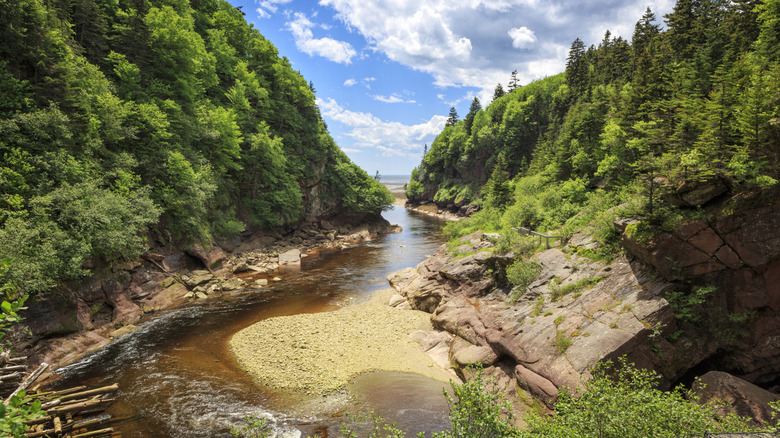
There's only one place on Earth where you can experience the highest tides in the world twice per day, and also explore the floor of the Atlantic Ocean: New Brunswick's Bay of Fundy. At the 80-square-mile Fundy National Park, the tides can rise and fall up to 50 feet. It's a rare and special place, given that the park is one of the sole remaining wilderness areas in the region. It's also one of the country's smallest national parks, but don't be fooled by its size — it has so much to offer.
Vsitors can walk along the ocean floor during low tide to see red rocks and sand, as well as sea animals and seaweed species that are usually concealed by water. Hikers can also explore more than two-dozen hiking trails, some of which lead to lakes and waterfalls. Within these Acadian forested areas, you might spot moose, beavers, and black bears. Some of the lush foliage that surrounds the trails is within the UNESCO-protected Fundy Biosphere Reserve. "We absolutely loved Fundy," wrote one past visitor on Tripadvisor. "There are trails for every level of hiker and everything was gorgeous."
The best time to visit Fundy National Park is when the weather is warm, typically late spring through fall, to enjoy its hiking trails and campsites. The park also has other seasonal attractions, including an outdoor saltwater pool and a golf course.
Grasslands National Park, Saskatchewan
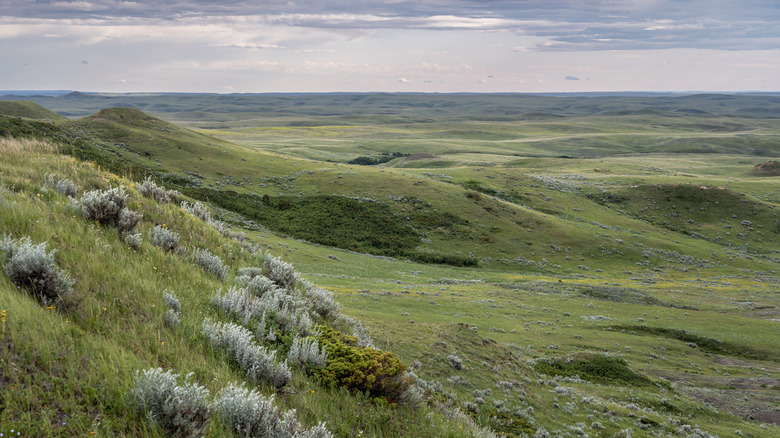
Home to coyotes, rattlesnakes, and prairie dogs, the prairies are often associated with the American West. However, Canada is home to this landscape, too, and much of it is protected within Grasslands National Park in Saskatchewan. At over 550 square miles in size, the park features rolling hills bathed in mixed-grass prairie terrain, otherworldly rock formations, and land seemingly untouched by human hands. The park also boasts the biggest and darkest Dark Sky Preserve in the country. Adding to the feeling that the park is worlds away from humankind, it also has many dinosaur fossils. "I have been to many National Parks, but Grasslands far exceeded my expectations," wrote one past visitor on Tripadvisor. "It is very unique. The scenery is unlike anything you may have seen before."
One of the best places to experience its stunning scenery is along the difficult yet rewarding Valley of 1000 Devils Trail, which winds visitors through both desolate land and unique rock formations. After all that rocky and rugged terrain, you'll relish a hike down the Eagle Butte Trail, which is full of unique wildflowers between May and July. If wildlife viewing is what you're after, head to the Frenchman River, where many of the park's animal residents trek to find respite on hot summer days. To get a bird's eye view of the park, you can traverse the 70 Mile Butte trail, which takes visitors to one of Grasslands National Park's highest peaks.
Gros Morne National Park, Newfoundland and Labrador
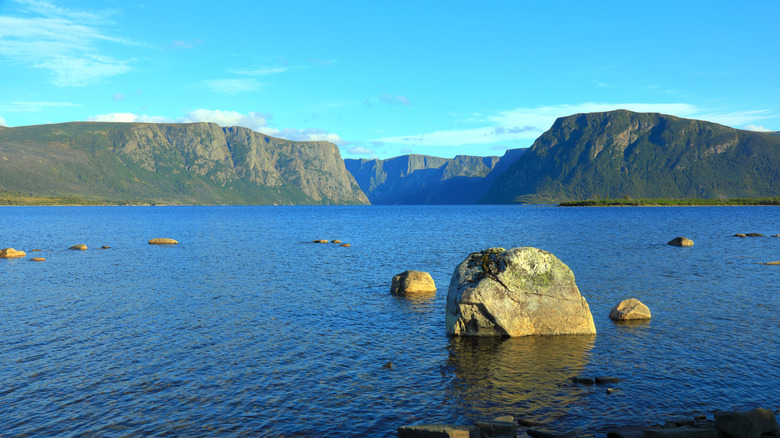
The terrain of Gros Morne National Park in Newfoundland and Labrador is 485 million years old, and visitors can see every bit of that antiquity throughout its nearly 700 square miles. It was formed by the shifting of tectonic plates, and it's one of the few places on the planet where people can actually view these plates. Former ocean floors, preserved ocean avalanches, and the planet's exposed mantle, as well as age-old cliffs, fjords, waterfalls, and mountains fill this one-of-a-kind park in Newfoundland, a designated UNESCO World Heritage Site. "This place took up most of the photos on my cell camera," wrote one past visitor on Tripadvisor. "So many beautiful vistas and little villages. It would be easy to make it a week long vacation just in this one park."
As one of the largest national parks in the country, there's plenty to see and do here, including kayaking, hiking, cycling, swimming, and skiing. Hikers have over 60 miles of trails to choose from, ranging from the Lookout Hills Trail, which offers expansive views of the park, to the Stanleyville Trail, which takes hikers to an abandoned community. Stanleyville aside, Gros Morne National Park is full of life. It's home to cultural celebrations as well as natural wonders, with festivals, music performances, and art showcases held throughout the year. Cow Head and Woody Point are both artsy enclaves, home to renowned festivals and theaters.
Gwaii Haanas National Park Reserve, British Columbia
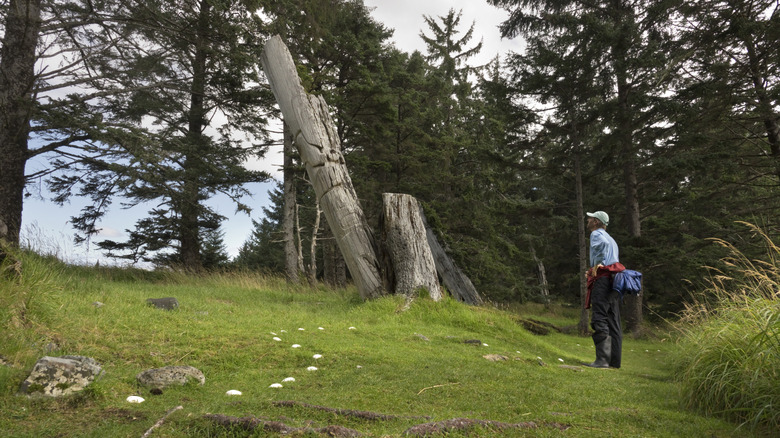
Unlike most of the parks on this list, Gwaii Haanas National Park Reserve in British Columbia isn't just a place of natural beauty — it's also a place of cultural importance. Its 138 islands include more than 500 sites of significance to the Haida Indigenous people, including ancient villages and burial caves. "The natural beauty should have been enough, but the history of the people who lived here before was fascinating," wrote one past visitor on Tripadvisor. The park combines Indigenous heritage with Mother Nature's wonder — the reserve's name even translates to "islands of beauty" in the Haida language. That beauty, as well as the park's native plants and animals, give it the nickname the "Canadian Galapagos."
One of the must-do activities here is to visit SGang Gwaay, a UNESCO World Heritage Site and the biggest of the five Haida Gwaii Watchmen areas in the reserve. It contains the preserved homes and memorial landmarks of the Haida people. Visitors should also see T'aanuu Llnagaay, a former Haida village on Tanu Island that's been named a National Historic Site of Canada.
A visit to this park takes some advance planning. It's only accessible by boat or floatplane, and the number of visitors is capped each day, with most eager to visit during the late summer. There is so much more to discover in British Columbia to make the journey worthwhile, such as the charming Canadian town of Tofino located on Vancouver Island.
Jasper National Park, Alberta
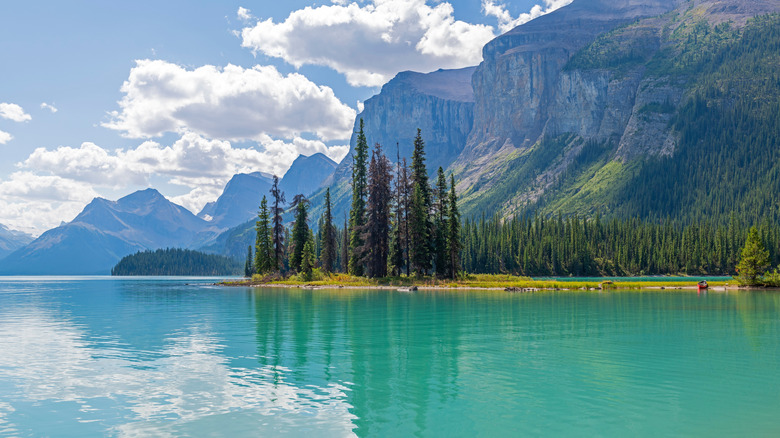
Spanning more than 2.7 million acres, Jasper National Park is the biggest national park in the Canadian Rockies as well as one of the planet's largest Dark Sky preserves. Its territory includes everything from glaciers to forests, home to animals like grizzly bears, moose, and elk. If you happen to encounter a grizzly, learn this life-saving poem to protect yourself when camping in bear country. To soak up the park's famous views, take a trip on the Jasper SkyTram, the longest and highest cable car in the country. From 3,500 feet up in the air, it provides sweeping vistas of the diverse surrounding landscapes, including several mountain ranges.
In addition to its rugged backpacking trails, the park also has gentler activities for those who prefer to take it slow. This includes several short-but-sweet hikes, like the half-mile Athabasca Falls Trail and the Toe of the Athabasca Glacier Trail, also less than a mile. The most popular trail is the 0.6-mile Columbia Icefield Skywalk, a glass-bottom walkway located 1,000 feet above the Sunwapta Valley that allows visitors to see the park's landscapes from a one-of-a-kind vantage point. "Jasper is one of those 'once in a lifetime' places that you must visit (at least once)," wrote one past visitor on Google. "The scenery is astounding. You really cannot fathom it from pictures or videos, this is one place you have to see and experience for yourself."
Mingan Archipelago National Park Reserve, Quebec
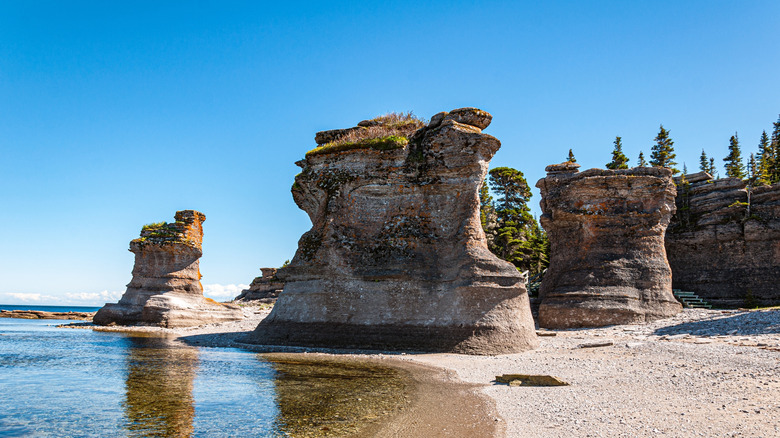
Solely accessible by boat — which are usually only available for tours or rentals during the warmer months — the journey to the nearly 25,000-acre Mingan Archipelago National Park Reserve in Quebec isn't an easy one. However, it's worth it, which is why 40,000 people visit the reserve every year. "I can't wait to get back," wrote one past visitor on Tripadvisor. "Breathtaking images. I recommend the place to all."
The reserve is home to the largest group of monoliths in the country, formed 500 million years ago. The unique park comprises nearly 1,000 islands across 93 miles, and it's home to a variety of rare plants and beautiful birds, including puffins and razorbills. Whales and seals also frequest the waters surrounding the islands. Its main activities revolve around water sports, such as kayaking in Romaine Bay, white water rafting, and paddling around the more centrally-located islands, which have the most monoliths as well as a boreal forest.
Waterton Lakes National Park, Alberta
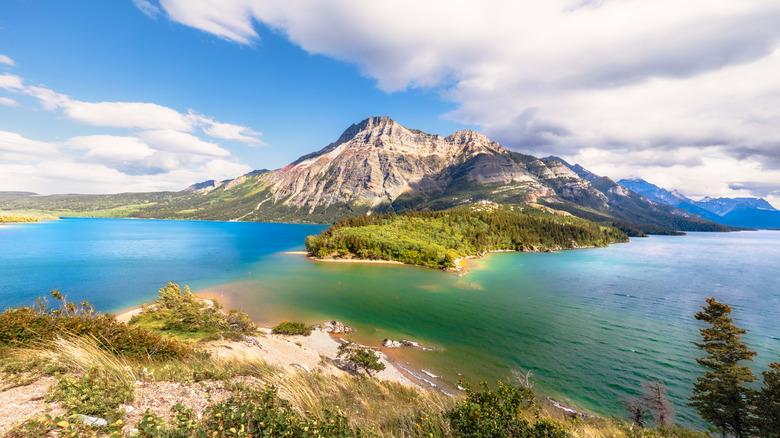
The 195-square-mile Waterton Lakes National Park is one of Alberta's crown jewels, but it's famous for much more than its natural beauty. While it is home to everything from mountains to crystal clear lakes — precious habitats for bears, wolves, bald eagles, and cougars — it's also a unique symbol of peace. It is part of the Waterton-Glacier International Peace Park, a UNESCO World Heritage Site in partnership with Montana's Glacier National Park. It is the first destination of its kind and is one of the many national parks that hold an impressive world record. The peace park gives visitors a rare opportunity to explore two countries in one trip.
In this park, outdoor adventurers can explore three diverse lakes. The 7-mile-long Upper Waterton Lake is the most jaw dropping, deeper than any other lake in the Canadian Rockies and surrounded by mountains. It's joined by the narrow Middle Waterton Lake, known for its calm waters, as well as Lower Waterton Lake which, although the smallest of the trio, offers great picnicking locations and panoramic views. Visitors can kayak, canoe, or join boat tours to explore the lakes' hidden bays.
You'll also have your pick of trails, as Waterton Lakes National Park has nearly 125 miles of walking paths to explore, ranging from lush grasslands to Rocky Mountain cliffs. "Waterton Lakes National Park is an absolute gem in the Canadian Rockies," wrote one past visitor on Tripadvisor. "It is much quieter and less touristy than parks like Banff and feels more wild."
Yoho National Park, British Columbia
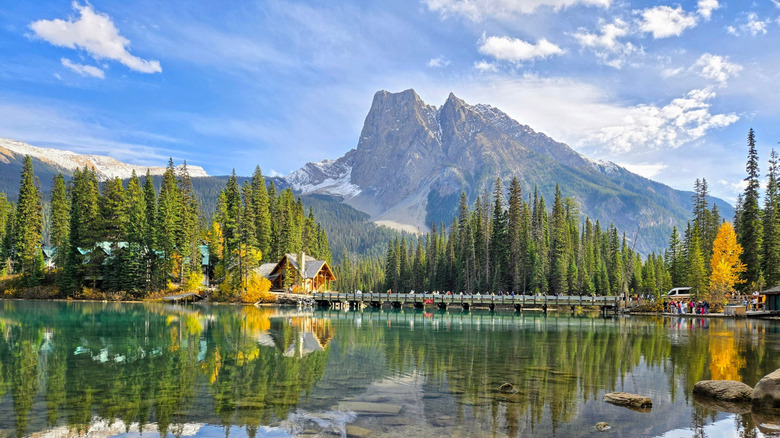
Yoho National Park in British Columbia spans more than 500 square miles and includes parts of the Rocky Mountains, a natural stone bridge, one of the highest waterfalls in Canada, and more. However, its most beloved feature is its history. This park is best known for the Burgess Shale archaeological site, which is one of the best-preserved and most significant fossil formations on Earth. It's full of specimens like arthropods, worms, sponges, and mollusks dating back more than 500 million years. Around 60,000 fossils have been discovered here.
Even if you didn't dream of being an archaeologist as a kid, you'll love a visit to Yoho National Park. Here, visitors can marvel at waterfalls like Wapta Falls, which stretches nearly 500 feet wide, as well as Takakkaw Falls, one of the tallest waterfalls in the country. Another favorite spot is the aptly-named Emerald Lake, with clear waters that reflect the park's mountains and foliage. "Everything about Yoho was outstanding," wrote one past visitor on Tripadvisor. "From the Natural Bridge, Emerald Lake to to the stunning drive from the border to Field, Yoho delivered magic."
Methodology
With one of world's largest national park systems, outdoor lovers will find paradise in Canada, home to countless natural wonders that are as diverse as they are stunning. After extensive research, we determined that these parks stand out in two distinct areas: opportunities for adventure and exceptional beauty.
First, we reviewed photos of each national park for their jaw-dropping scenery, selecting those with unique features such as monoliths, turquoise lakes, limestone cliffs, and ancient Indigenous sites. We read hundreds of reviews on Tripadvisor and Google to see which national parks are the most celebrated and widely recommended, particularly among those with an appetite for adventure. While none of the parks in this guide are located in Northern Canada, adventurers should also consider a trip to Yukon, a stunning region that boasts spectacular natural scenery and recreation.