

The Potential 2026 Rule Americans Need To Know Before Visiting This European Country
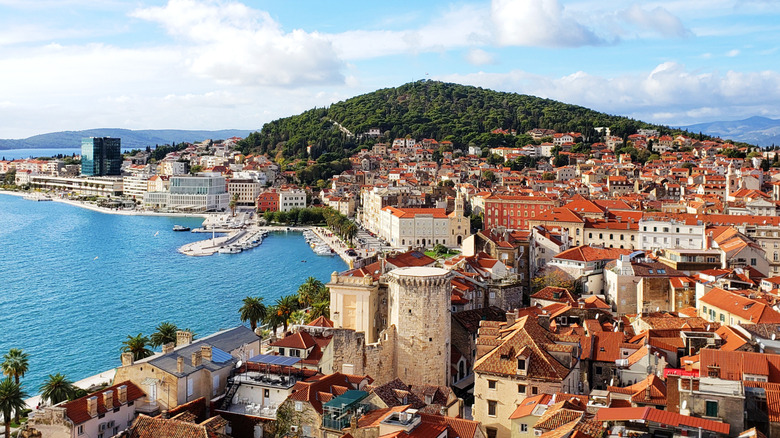
Seeing as though I am a Croatian citizen myself, I may be biased when I say that Croatia is one of the most beautiful, culturally rich, and extremely proud nations within Europe. It's home to chic islands such as Hvar, walled cities like Dubrovnik — considered the 'Pearl of the Adriatic' — and some of the most stunning beaches you can't miss on your first visit. As breathtaking as this Balkan country is, there's something that's ruining the vibe for locals as of late: drunk tourists. However, for those that like to let loose while on vacation, there is a potential new rule in Split, Croatia, involving alcohol sales that Americans need to know.
Set to begin as soon as summer 2026, the popular coastal city, home to the Roman Diocletian's Palace, may be cracking down on alcohol sales at grocery stores and liquor shops between the hours of 8 p.m. and 6 a.m. sooner rather than later. Remember back in school when there was always one group of kids in your class that caused some trouble, but then the whole class had to suffer with detention afterwards? Well, drunk and rowdy tourists are that group.
During a recent visit to Split, a local friend of mine shared frustrations about drunk tourists treating the historic city like an amusement park rather than a place where locals reside. Reports include public urination, bathing in fountains, broken glass, and indecent behavior. Along with the ban, heavy fines will be implemented with the new "Respect and Enjoy Split" rule. Locals, including Split's Mayor, Tomislav Šuta, support the alcohol ban saying, "It is precisely here that situations arise that impair the safety and quality of life of tenants," as reported by The Independent.
What tourists need to know before heading to Split
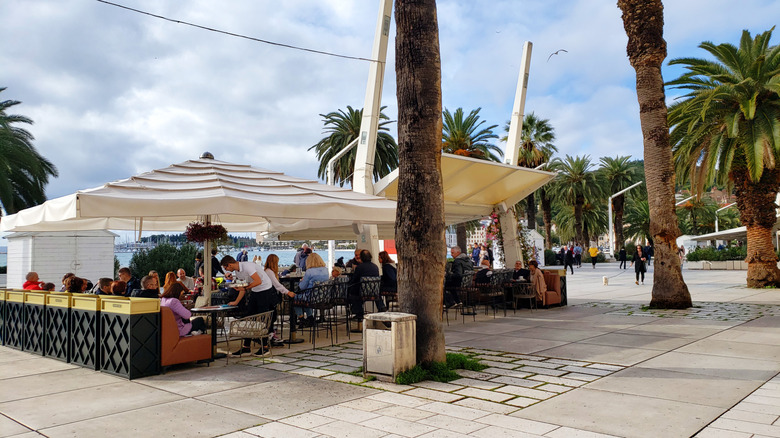
The increase in Split's popularity also brings throngs of rowdy tourists with it. And with United Airlines introducing direct flights to Split from Newark in Spring of 2026, Split is likely to become more accessible to American tourists who want to avoid the four-hour drive from Croatia's capital city of Zagreb.
The new alcohol sales ban isn't just geared towards Americans, though, it's a ban on sales for everyone during these hours in order to keep the peace within the city for locals. Considering most countries have unspoken etiquette rules that tourists should know before visiting, it's worth noting that in Croatia, public displays of bad behavior isn't something that is tolerated. Nonetheless, Split's booze ban won't make it a dry city when night falls. The new rule still allows travelers to purchase alcohol between 8 p.m. and 6 a.m. at licensed venues, such as bars and restaurants, rather than drinking and causing noise in the streets.
Split also hosts festivals such as Ultra Europe, Split Summer Festival, and the Mediterranean Film Festival, bringing in massive crowds every year and giving Split a "party city" reputation which younger crowds flock to in order to let loose. Someone who is happy to see the ban take place is Darijo Šarić, CEO of VIP Holiday Booker. He states that Croatian tourism doesn't want to be associated with drunkenness and affordable alcoholic drinks, "focusing instead on our rich cultural heritage, natural beauty, and family-friendly environment."
Enjoy your time in Split, but respecting locals should be top priority
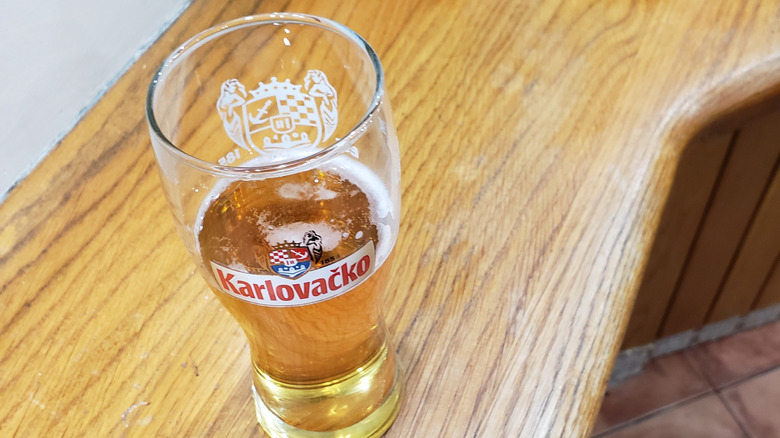
Of course, Croatians want you to enjoy their country — including its historical cities, such as Split. However, they also want to be respected as people who live, work, and play in the same places that tourists stroll around daily. Respect to locals should be a travelers first priority, and as Šarić puts it in conversation with Food Bible: "We also don't want residents to feel like the city is a 24-hour party zone. By drinking responsibly and respecting local customs, you help us keep Croatia a cherished, safe, and welcoming destination for everyone."
Split isn't the only Croatian city looking to shift gears in regards to tourism. The island destination of Hvar, a popular ferry route from Split, is filled to the brim with tourists chasing party scenes, beach clubs, and potentially spotting a celebrity or two during the summer. While Hvar's noisy parties trickle into the early morning hours, the island has now implemented a controversial noise cap to 85 decibels, despite pushback from venues fearing it may hurt their bottom line.
Another popular Croatian city looking to preserve its cultural heritage, restore its historic infrastructure, and curb mass tourism is Dubrovnik. Famously known for being a Game of Thrones filming location, Dubrovnik has begun to tighten the ropes on the daily number of cruise ships allowed to dock at its port to avoid the overflowing, shoulder-to-shoulder tourism that's brought millions of tourists into a destination that only has a permanent population of 42,000 people. The city has also moved forward with a transfer option for wheeled luggage in order to cut down on the incessant noise of tourist's suitcases clicking and clacking along the cobblestone streets.