

Rick Steves Seeks Out These Budget-Friendly Dining Options In Europe

Europe has an amazing food culture, and you don't need to break the bank to savor its delicious offerings. Veteran traveler Rick Steves advises travelers to avoid tourist traps and to eat at the same places as the locals. But if you really want to save money, opt for small plates. "Sometimes, rather than getting two main courses, my travel partner and I share a little buffet of appetizers or first courses — they're filling, less expensive, and more typically local than entrees," Steves wrote in USA Today.
These small plates have different names across Europe. In Spain, they're called tapas, and can include olives, fried calamari, and iberico ham for just about €3 per dish (around $3), letting you sample different bars without committing to a full meal. In some southern parts of the country, like Granada and León, you can get free tapas with the purchase of a drink. Tapas bars are also social spots where locals chat, which adds some fun to it all, as you get to meet and interact with the locals. In northern Spain, like San Sebastián and Cantabria, you'll also find small bites known as pintxos, served on bread and held together with a toothpick or skewer.
Greece's bite-sized meal version is called Meze (or mezedes), coming in the form of grilled or fried cheese, seafood, olives, stuffed vine leaves, and rich dripping sauces that you can share in city cafes or seaside taverns such as well-rated Thes Meze in Nei Epivates, allowing you to experience an aspect of Greek culture as you enjoy different local flavors. The same can be said of Italy's antipasti, a starter course that also involves cured meats, grilled veggies, cheeses, and seafood. La Prosciutteria Milano is a restaurant worth checking out in Milan.
Eating well for less across Europe
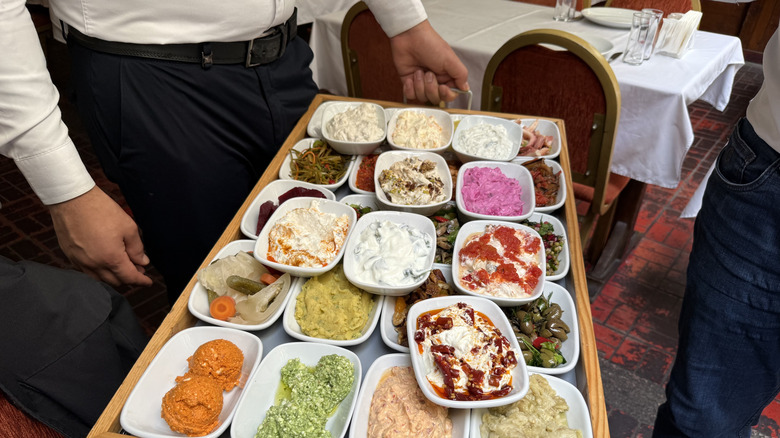
The tapas of Portugal are petiscos, which you can find in Lisbon's casual eateries, like Rota Dos Petiscos, where you can get traditional cuisines such as octopus salad or pork steaks. In France, there's apéro, which is a social ritual revolving around drinks taken with small bites before dinner. Visit wine bars such as Frenchie Bar à Vins in Paris and have a glass of wine with a charcuterie board. Meanwhile, in Germany, Munich's beer garden (biergarten) culture — though not exactly small-plate style — comes with classic Bavarian snacks like pretzels, spreads, and sausages. Head to Augustiner-Keller to get a taste of the beer tradition firsthand.
If you're looking to cut costs even further, Steves offers several other tips for saving both money and time while dining in Europe. To identify spots that serve food at local prices, look out for handwritten menus in the local language since tourist-focused restaurants tend to have English or multilingual menus instead. Steves also recommends eating near markets. In the same vein, you may opt for picnicking and get all you need (fresh produce, fruits, and local wine) from the market. Other places to get meals at local prices include cafeterias in museums, department stores, and canteens in universities. With these tips, you can enjoy real budget-friendly dining during your European trip. For more travel tips, check out Steves' advice for booking affordable European hotels.