

The Most Dangerous Caribbean Destinations You May Want To Avoid
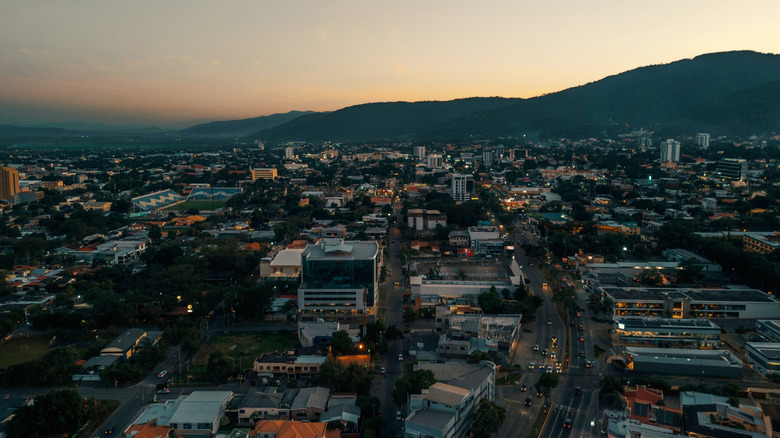
The Caribbean is among the most popular travel destinations in the world, particularly for U.S. travelers. The region's close proximity to the United States mainland makes it an appealing getaway for those who don't want to stray too far from home. Many Caribbean islands — widely considered the best tropical vacation destinations on the planet – are generally quite safe, welcoming over 61 million global visitors in 2025. However, safety conditions can vary dramatically from island to island, and travelers may want to exercise extra caution when visiting certain locales. When considering which destination to visit for your next Caribbean vacation, it can be helpful to review official crime statistics and current travel advisories. These resources take various factors into account, such as violent crime levels per capita, civil unrest, and the effectiveness of local law enforcement.
In this guide, we'll take a closer look at 10 Caribbean destinations where travelers may face higher than average safety risks, based upon recent crime data and official travel advisories at the time of publication. The U.S. Department of State has a four-level advisory system that cautions travelers of potential safety concerns. These range from "Level 1 – Exercise Normal Precautions," to "Level 4 – Do Not Travel." The destinations below are currently under Level 2, 3, and 4 advisories, indicating moderate to severe travel risks.
This list is decidedly not intended to discourage travel to the Caribbean as a whole, nor does it suggest that every trip to these destinations will be unsafe. Rather, our goal is to provide context and advise travelers about places where they may wish to take greater safety precautions. As with all international travel, political and civil situations can shift quickly. It's always wise to register with the Smart Traveler Enrollment Program (STEP) for real-time updates and check official sources prior to your departure date to any foreign destination, even those considered the safest countries in the world to visit.
Haiti
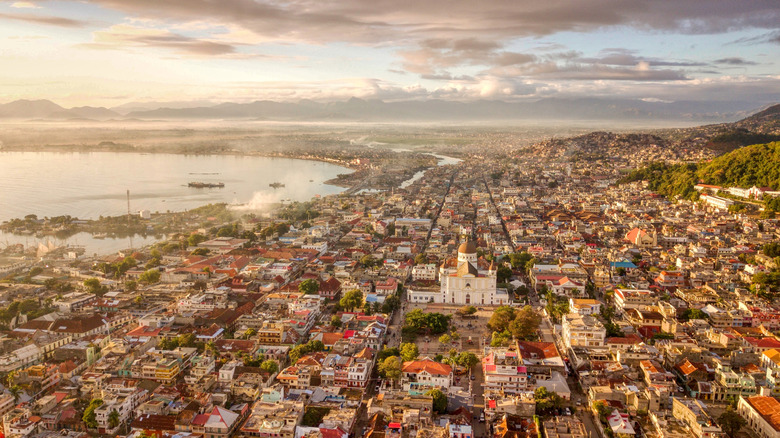
Haiti is under a "Level 4 – Do Not Travel" advisory from the U.S. Department of State, at the time of writing. The advisory indicates that there is currently a high risk of violent crime, including kidnapping for ransom and terrorist activity. Organized crime and gang-related violence are serious concerns, as are limited health care and emergency response capabilities throughout the country. This prompted the Royal Caribbean Cruise Line to stop making port there over safety fears. The U.S. Embassy in Haiti notes that it cannot provide reliable support to U.S. citizens who may be victimized in the nation due to authorities' own inability to safely leave the embassy compound. The Trutier neighborhood surrounding the embassy in Port-au-Prince has experienced an increase in violent crime and gang activity.
Even seemingly routine travel can be unpredictable here. Travelers are sometimes accosted, kidnapped, or attacked by organized crime syndicates as they leave Toussaint Louverture International Airport and nearby hotels, notes the State Department. The United Nations found that 5,601 known gang killings occurred in Haiti in 2024. That same year, 1,494 individuals were reported kidnapped. Although the violence in Haiti often occurs between rival gangs, travelers and local civilians may get caught in the crossfire. While Haiti has a fascinating and rich cultural heritage, current conditions make travel extremely risky for international visitors, and U.S. citizens are strongly advised to avoid travel to the island nation at this time.
Venezuela
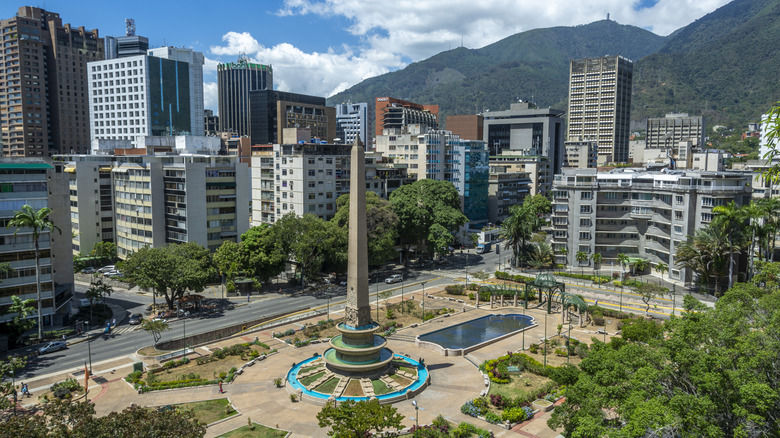
Venezuela has the longest Caribbean coastline on Earth, offering gorgeous white sand beaches and incredible tropical scenery. This natural beauty can make it a very appealing destination for travelers from around the world. However, Venezuela is currently under a Level 4 advisory issued by the U.S. Department of State. The current climate in this South American nation has led to serious safety and security concerns. According to the government's assessment, risks in Venezuela include violent crime, terrorist activity, and kidnapping. According to the Overseas Security Advisory Council (OSAC), in 2024, Venezuela posted one of the world's highest homicide rates, with 6,884 murders. Another OSAC report notes that armed robbery and carjacking are both concerns here, as well as violent political protests, which can occur without notice.
Another major safety issue in Venezuela is the high risk of arbitrary detention. Prisoners are also often tortured while they are in custody, reports the State Department. In January 2026, the U.S. Embassy in Bogota, Colombia warned that any U.S. citizens in Venezuela should immediately leave the country, and should exercise a high degree of caution prior to departure. In 2019, the U.S. government pulled officials from the Embassy in Caracas due to safety concerns. There is currently no ambassadorial assistance available to U.S. residents and citizens in Venezuela who may find themselves victimized. In no uncertain terms, authorities in the United States have no way of assisting U.S. nationals in Venezuela. While the nation's beauty is unrivaled, travelers should not visit Venezuela at this time.
Trinidad and Tobago
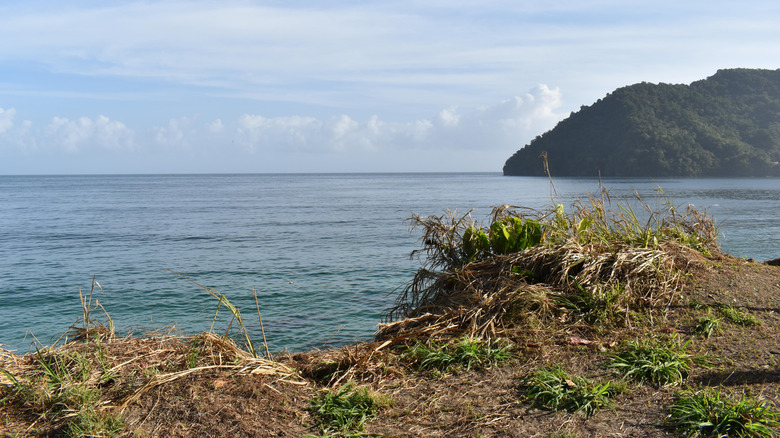
Trinidad and Tobago is currently under a "Level 3 – Reconsider Travel" advisory from the U.S. Department of State. This is due to increased levels of violent crime like sexual assault, robbery, kidnapping, and homicide, typically perpetrated by local gangs. Anyone in Trinidad and Tobago, including locals, should take precautions when out and about, particularly after dark. For example, fine jewelry should be left at home, and money should be concealed. OSAC reports that people should be especially aware of pickpockets and carjackers. The agency notes that the best way to avoid a violent confrontation is to hand over one's valuables without a fight.
At all times, visitors should avoid the Port of Spain neighborhoods of Besson Street, Beetham, Charlotte Street (specifically between Oxford and Park Streets), Laventille, and Picadilly Street. And, during the evening hours, downtown and beaches carry heightened risks. It should be noted that crimes in this country vary by area and can affect both residents and visitors. Gang violence in which innocent people are harmed is a serious concern that has escalated in recent years. Nevertheless, many visitors from around the world still come to Trinidad and Tobago — over 460,000 tourists arrived in 2024 — to enjoy the island's exceptional street food and gorgeous beaches. However, U.S. travelers are still advised to avoid trips here at this time out of an abundance of caution.
Honduras
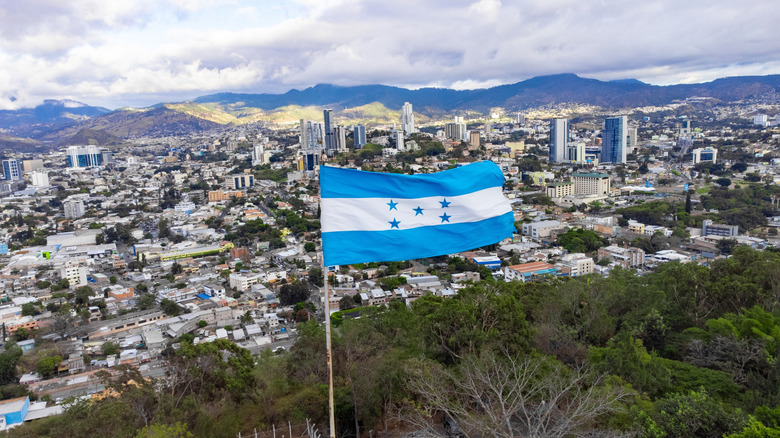
Honduras is currently under a Level 3 advisory from the U.S. Department of State. The department warns the public to avoid all travel to Gracias a Dios, specifically due to its high risk of human trafficking. Armed robbery, kidnappings, and homicide are all risks in Honduras, with numerous incidents directly linked to organized crime and gang warfare. The Association for a More Just Society (ASJ) works extensively in this nation, and notes that there have been "unprecedented levels" of violent crime over the past few years. OSAC points out that these crimes generally don't affect tourists, but international visitors should remain vigilant in certain neighborhoods and after dark.
Honduras' most popular tourist areas, specifically Roatán and the Bay Islands, generally have lower crime rates and a more robust police presence than other parts of the country, but they are not exempt from the U.S. travel advisory. Throughout the nation, political and civil demonstrations can result in violence. Furthermore, these protests often lead to unexpected road closures, which can make it difficult to travel within the country. OSAC notes that local emergency services and law enforcement may be unable or ill equipped to respond to reports in some parts of Honduras, which can increase safety risks for travelers. Honduras offers a lovely Caribbean coastline and wonderful cultural experiences, but U.S. travelers should adhere to government travel warnings at this time and reassess any upcoming plans to visit.
Guyana
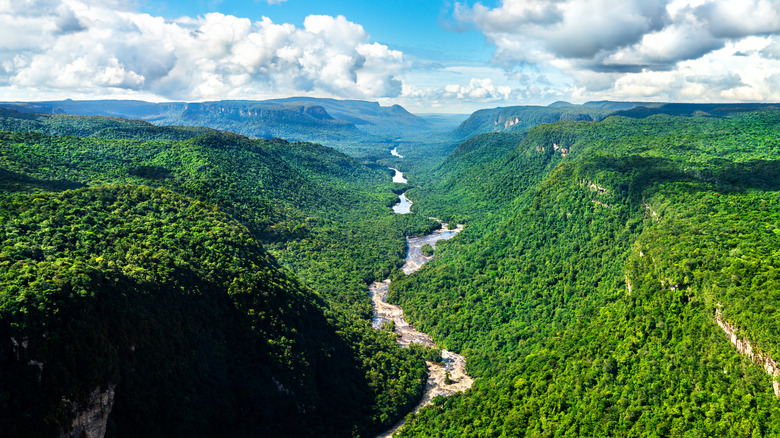
Due to heightened levels of violent crime, the Caribbean nation of Guyana has been under a Level 3 advisory issued by the U.S. Department of State since May 2025. Armed robbery and homicide are both particular concerns here, especially after dark. Agricola, Albouystown, Stabroek Market, and Tiger Bay are specific areas of concern. Guyana, which borders Venezuela, is particularly susceptible to organized criminal activity, per a study by the United Nations Office on Drugs and Crime (UNDOC). Drug trafficking, wildlife trafficking, and illegal mining of precious metals are all major black-market industries in this small nation. The rainforests and jungles that cover about 85% of Guyana make it relatively easy for traffickers to operate without detection. The Organized Crime Index notes that human trafficking also occurs regularly in Guyana.
The Government of the United Kingdom warns that border disputes between Venezuela and Guyana can result in civil unrest, and crime rates increase in border areas. Additionally, Guyana lacks an effective police force. Local authorities are understaffed and, in some cases, are themselves working in league with organized crime syndicates. Both the U.S. and U.K. governments note that violent robberies and assaults are common, particularly when someone is viewed as affluent. Guyana's natural landscapes are incredible and make it something of a hidden gem in South America, but U.S. residents should heed government warnings at this time and travel elsewhere instead.
Jamaica
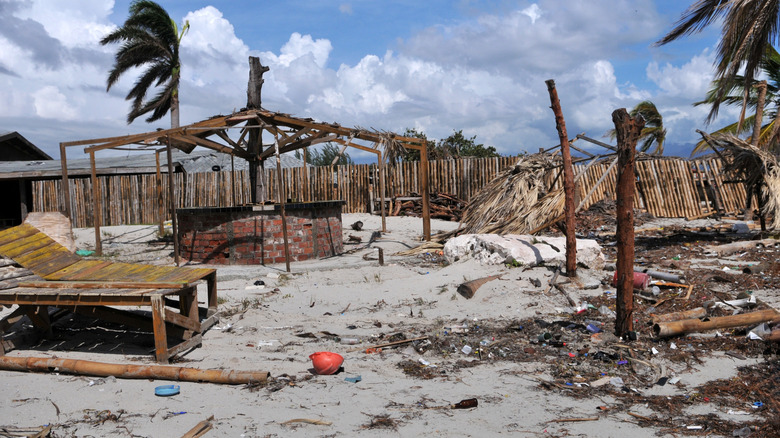
Jamaica has long been counted among the Caribbean's most popular travel destinations. The nation of "One Love" is known for beaches, reggae music, and its overall colorful culture. It is important to note, however, that the country is currently under a Level 2 advisory from the U.S. Department of State, and travelers are warned to "exercise increased caution" while visiting. Issued in January 2026, this advisory is an improvement from Jamaica's previous Level 3 warning. Nonetheless, travelers should remain vigilant for their safety. According to U.S. government guidance, violent crimes, including murder and sexual assault, are serious concerns in certain parts of the country. Resort hotspots like Montego Bay and Ocho Rios typically report fewer crimes than other parts of Jamaica. Travelers are advised to remain in highly-populated, well-lit areas, and should also avoid public transportation and unauthorized taxi services.
The State Department says that the impact of Hurricane Melissa may also increase safety risks for travelers. The storm, which struck in late October 2025, severely damaged infrastructure in Jamaica, meaning that emergency response crews and healthcare facilities may not be operating at full capacity. For United States passport holders, Jamaica is still a viable travel option, especially at safe, highly-rated resorts, but pre-travel planning and increased vigilance are key to a safe holiday. Since conditions can change quite suddenly in any country, those with upcoming travel plans should carefully monitor official U.S. travel advisories prior to departure and throughout their trip. For those who may need assistance while in Jamaica, the United States Embassy located in Kingston provides essential services to U.S. citizens.
Turks and Caicos
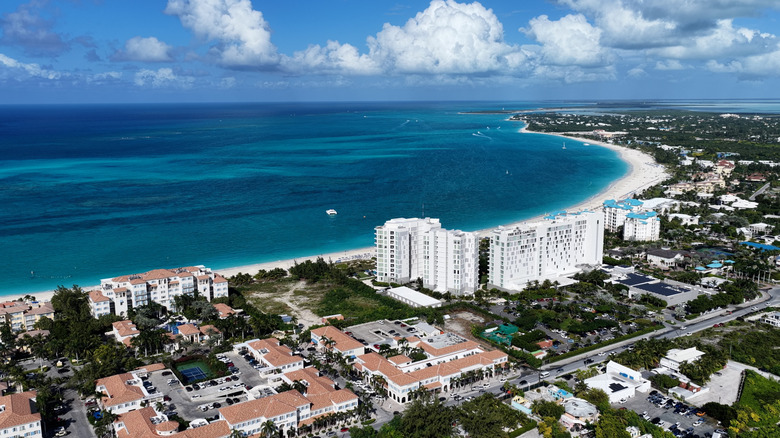
Since March 2025, Turks and Caicos has been under a Level 2 advisory from the U.S. Department of State. The advisory pertains specifically to crime, including robbery and assault. The nation also has one of the top murder rates in the Caribbean, with 48 homicides in 2024. It is worth noting, however, that its population of under 50,000 may contribute to a higher per-capita count. Most crime occurs in Providenciales, mainly because it is the most populous island in the archipelago. Travelers in Turks and Caicos are warned to avoid opening the door of their hotel room or vacation rental to strangers, and to avoid walking alone after dark.
Additionally, the advisory cautions that firearms and bullets are illegal here and laws are strictly enforced. Thus, it is important to be vigilant when packing. This could be particularly important for U.S. travelers who have recently taken hunting trips, for example.
A Level 2 designation does not indicate widespread danger, and about 2 million global visitors traveled to Turks and Caicos in 2024. For Americans who plan to visit in the near future, obeying all local laws and taking these precautions are key contributors to a safe trip. Even basic measures like concealing valuables and keeping doors locked can make a major difference in one's experience here.
Belize
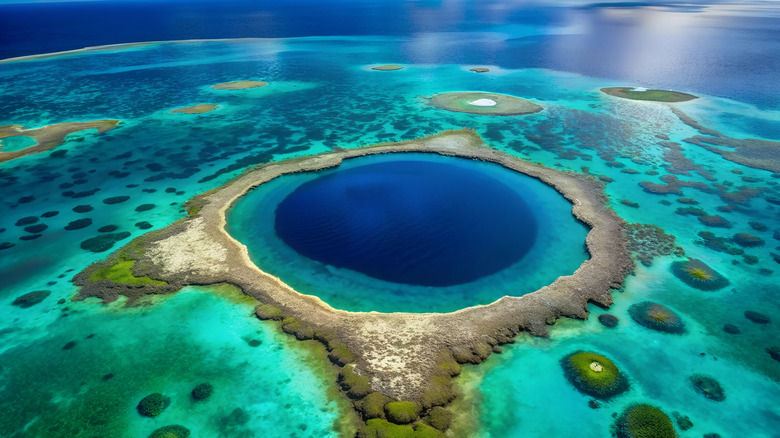
Belize, a gorgeous Caribbean destination known for its pristine beaches and snorkeling, is also currently under a Level 2 advisory from the U.S. Department of State for crime-related concerns. Belize City, in particular, is under a Level 3 advisory, as the Southside district can be especially dangerous. Fortunately, this neighborhood is not close to popular tourist and resort areas. However, travelers are advised to stay informed of the potential risk of violent crimes like breaking and entering, armed robbery, and homicide, as they are not uncommon. New Zealand authorities at Safetravel NZ also warn that protests and demonstrations can break out unexpectedly, hindering travel.
Travel advisories from around the world note that vacationers should be extremely careful while visiting banks and ATMs, and should avoid wearing valuable jewelry or logo-heavy designer items. Anything that signals affluence can make one a target in Belize. Those who plan to travel to this country should do careful research when choosing their accommodations and sightseeing excursions. All-inclusive resorts are great for those who don't wish to venture into the city often. As in other popular vacation destinations in the Caribbean, the United States Embassy in Belize is available to provide assistance to citizens if needed.
Dominican Republic
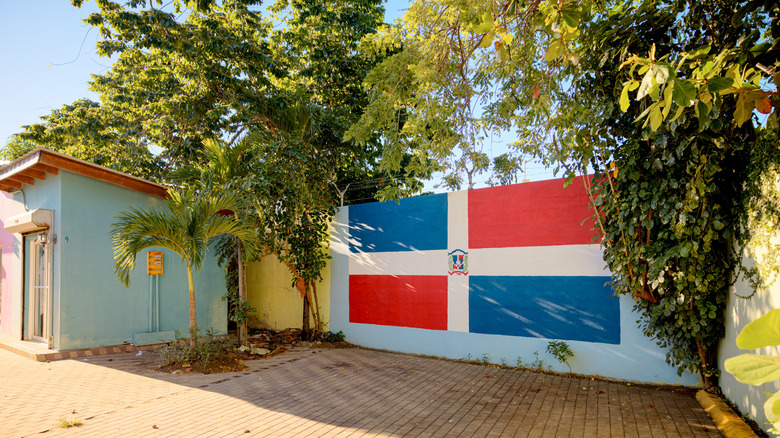
As one of the most affordable Caribbean islands for a relaxing getaway, the Dominican Republic remains popular among North Americans seeking an escape to the tropics. In fact, tourism in the country hit a record high in 2025 with 11.6 million annual visitors. However, travelers should note that it is currently under a Level 2 advisory from the U.S. Department of State. The designation is based on concerns of violent crime, including sexual assault, robbery, and even homicide. The highest risk areas are often non-tourist neighborhoods, and popular vacation spots generally have a more effective police presence and better security. According to both U.S. and U.K. government guidance, travelers should be wary of people they do not know, particularly in places that are off the traditional tourist track.
Those visiting the Dominican Republic should take basic precautions such as staying aware of their surroundings, using licensed transportation services, following local laws and regulations, and being extra vigilant outside of resort areas. Staying in a safe, well-reviewed hotel or vacation rental is essential. For travelers, the Level 2 advisory signals that the Dominican Republic remains a viable travel destination, but proper planning prior to departure is essential to minimize risk. If essential services are needed, the United States Embassy is located in the capital city of Santo Domingo.
Methodology
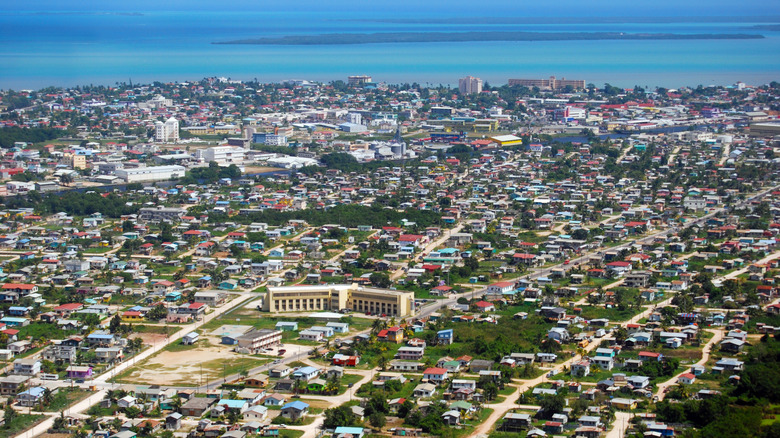
To provide the most accurate and up-to-date information, we relied on the official travel advisories issued by the U.S. Department of State for each nation, as well as the Overseas Security Advisory Council. Crime statistics were pulled from highly reputable sources such as the Organized Crime Index and local police reports. Travel advisories from other nations, such as United Kingdom and New Zealand, were also reviewed for additional information. Finally, we used reputable news outlets in our research for supplementary details about crime, tourism, and traveler-related concerns in each destination.