

Why Rick Steves Thinks Booking Hotels For One Night Is A Bad Idea
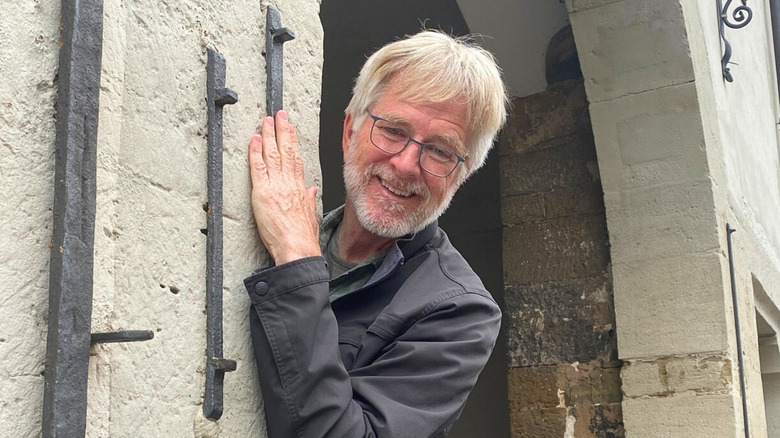
Europe is a continent where tourists can move easily between destinations, thanks to its efficient transportation networks. As a result, it can be tempting to plan for as many cities as possible, since you're confident that budget-friendly and high-speed trains and airlines are waiting to whisk you from place to place in just a few hours. However, according to travel expert Rick Steves, it's important to avoid booking hotels for just one night if you want to fully experience each destination without feeling rushed. In a blog post, Steves advises: "Minimize one-night stands. Even the speediest itinerary should be a series of two-night stands."
Steves goes on to explain that when you arrive in the afternoon and settle into a hotel for two nights instead of one, you earn yourself "a full uninterrupted day for sightseeing." To put this into perspective, let's say you book a one-night stay at a destination, but arrive late in the afternoon and leave the next morning. This essentially gives you just one partial day to explore the place.
However, if you're staying two nights, you'll have a full day to yourself without any sense of urgency, as well as part of the following morning. This gives you more opportunity to move around the streets, get a feel for the town, appreciate your surroundings, take in the views, and absorb the local culture.
Less stress, more time, and smarter spending

Apart from the sightseeing benefits, staying in a town for more than one night also lets you go through less travel stress and waste less time. Because when you think about it, checking in and out of hotels, dragging your luggage around, and jumping on different modes of transportation can take a toll on you. Instead, traveling should be about relaxation, not stress — especially at a time when wellness-based travel trends are becoming popular.
Similarly, you can also use your time more efficiently by picking a single location that's well-connected to other interesting cities and using it as a base. That way, you can stay there and take short trips to nearby destinations during the day. "Depending on the distances involved," Steves explains, "staying in a home base and making day trips can be more time-efficient than changing locations and hotels."
Finally, if you're a budget-conscious traveler, you already know that switching between hotels and cities means spending more on varying room rates, train tickets, taxis, and even flights. By staying longer in a particular place, you may be able to enjoy deals or better rates available only for extended stays — plus, you'll also spend less on frequent transportation. Paired with Steves' helpful money-saving tip worth holding on to, this approach can make your trip both more affordable and more enjoyable. So, next time you're planning to visit some of the most affordable European destinations, remember to follow this tip to save yourself from stress while also ensuring your time and money are well-spent.