
The Top 10 Cleanest Lakes In The US, According To A 2025 Study
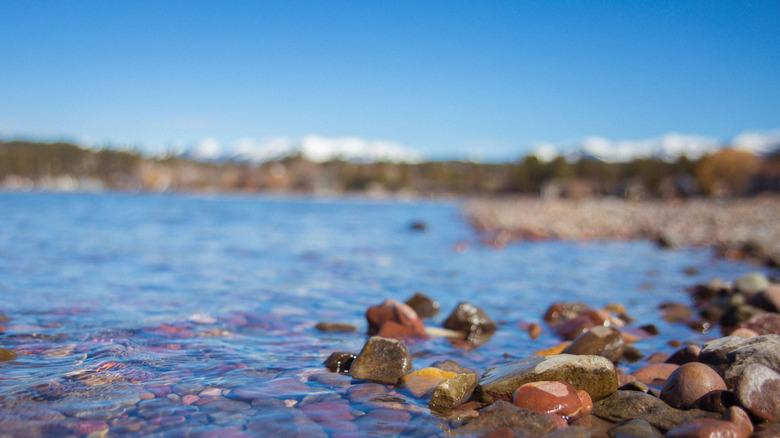
We've all heard stories about rivers and lakes in the U.S. that have become too polluted to swim or fish in. Toxins from nearby industry or development can lead to some pretty dirty bodies of water — such as Florida's Lake Okeechobee, which is often murky due to intense algal blooms caused by agricultural runoff. Warning signs about toxic blue-green algae are often posted near lakes, rivers, and ponds that can become especially dangerous during mid-summer and early fall.
That said, thanks to environmental cleanup efforts and consistent monitoring, some lakes are the complete opposite — with crystal blue waters, healthy habitats, and low pollution levels that make them perfect for swimming, fishing, or paddling. That's where this list comes in.
As the basis for this roundup of the cleanest lakes in the U.S., we relied on a 2025 survey by Lake.com, which analyzed data from the National Water Quality Monitoring Council (NWQMC), a program supported by the U.S. Environmental Protection Agency. This list includes some of the country's largest lakes ranging across the country, from Washington and Idaho to Georgia and South Carolina. From national parks and must-visit resorts to inviting marinas and local beaches, read on to discover ways to get out and enjoy the 10 cleanest lakes in America.
Lake Superior, Upper Midwest and Ontario
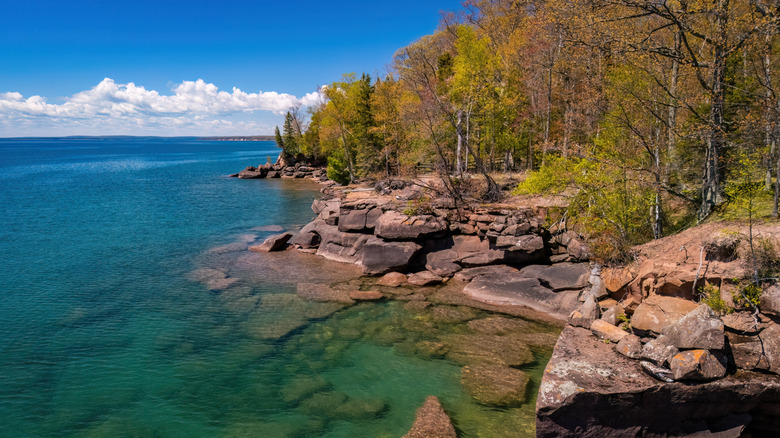
So large that it's sometimes described as an inland sea, Lake Superior is a dream for getaways of all kinds. Its northeastern area is bordered by Ontario, Canada, while the western and southern boundaries touch Minnesota, Wisconsin, and Michigan. Its shoreline — not including islands — is more than 1,700 miles long, sprinkled with state and provincial parks, resorts, ports, charming towns, beautiful forests, and more. There, visitors can fish for trout, salmon, walleye, northern pike, and dozens of other species before taking a dip at Twelvemile Beach along Pictured Rocks National Seashore in Northern Michigan, or foraging rocky shorelines for Lake Superior agates, known for their ochre-stained, red and orange hues.
This stunning Great Lake has the cleanest water for swimming and recreation. Not only is Lake Superior the largest freshwater lake in the world in terms of surface area, but it also has a reputation for being moody — a photographer's dream. One popular place to capture storm waves, which have been known to top 30 feet, is from the bluffs of Split Rock Lighthouse on Minnesota's North Shore.
Lake Superior is nothing if not diverse in its landscapes, seasons, history, and ways to immerse yourself. Apostle Islands National Lakeshore near Bayfield, Wisconsin, features a spectacular shoreline perfect for paddling, camping, and learning about the Indigenous Ojibwe culture's fascinating relationship with Lake Superior over thousands of years. In Michigan, the remote Isle Royale National Park offers a scenic nature escape. And toward the east, Ontario's Lake Superior Provincial Park features a nearly 2-mile-long sandy beach and dramatic cliffs at Old Woman Bay.
Lake Chelan, Washington
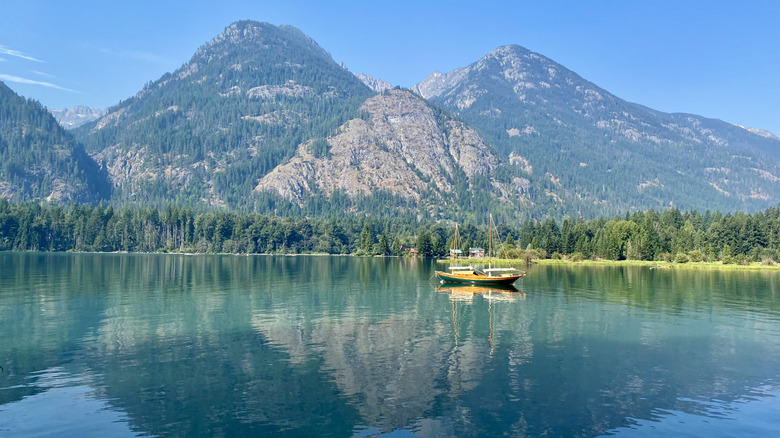
Nestled in Washington's North Cascades, Lake Chelan gives Lake Superior a run for its money in terms of cleanliness. It's the third deepest lake in the country, with a maximum depth of nearly 1,500 feet, and its rich blue waters are very clear, with visibility possible up to 30 feet — a joy when it comes to fishing. This can all be chalked up to the fact that it's a glacially fed lake, so there are fewer nutrients in the water.
Lake Chelan stretches for a little over 50 miles, punctuated by numerous campgrounds, small communities, and parks like Twenty-Five Mile Creek State Park and Lake Chelan State Park. The further north you travel, the more rugged and natural it becomes. The northernmost part of the lake is encompassed by North Cascades National Park Complex around the Stehekin area, which is remote enough that no roads connect to it, making boating or paddling in a great way to access hiking trails and primitive campsites in the mountains.
Around the southern end of Lake Chelan, revel in vineyards and wineries with exceptional views over the water, such as Siren Song Wines Vineyard Estate and Winery, Karma Vineyards, and Mellisoni Vineyards, among many others. The small city of Chelan is the area's gateway, with resorts, public lake access, watercraft rentals, and a water park called Slidewaters, plus guided tours and private charters provided by Lake Chelan Boat Company.
Lake Hartwell, Georgia and South Carolina
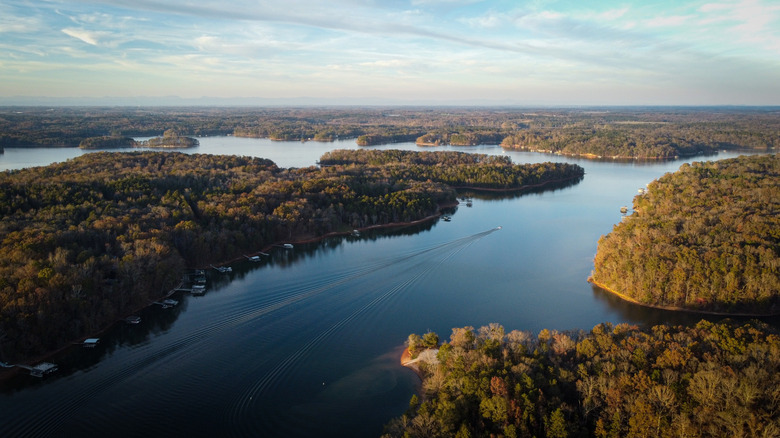
Located in northwestern South Carolina, Lake Hartwell is a 56,000-acre reservoir on the Savannah River that's ideal for boating and fishing. You'll find more than 40 boat ramps, including two in the lovely Lake Hartwell State Park, where camping is an ideal way to feel like you're in the middle of it all. It's joined by a number of other parks, including Tugaloo State Park, Sadler's Creek State Park, and the Broyles and River Forks Recreation Areas, among others. The area is very natural and serene, thanks to 23,000 acres of public land hugging its shores, plus local museums, quaint towns, and scenic drives.
Lake Hartwell consists of a broad body of water toward its southern end with tendrils branching upward. At its far northeastern extent, it meets the historic stagecoach inn known as Traveler's Rest State Historic Site in Toccoa, Georgia; at its northernmost point, it brushes up against another reservoir called Lake Keowee. Along the way, it's lined by inviting towns like Clemson and Anderson in South Carolina and Hartwell, Reed Creek, and Gumlog in Georgia.
Fishing is one of the primary draws to this area, which feels especially riverine with its narrow branches, islands, and peninsulas. That means there are plenty of little inlets perfect for casting a line for crappie, bream, and numerous types of bass. It's also ideal for a kayak trip or jet-ski ride, as its twists and turns mean there's something new to discover around every bend, and its crystal-clear waters mean less algae sticking to your paddles.
Lake of the Ozarks, Missouri
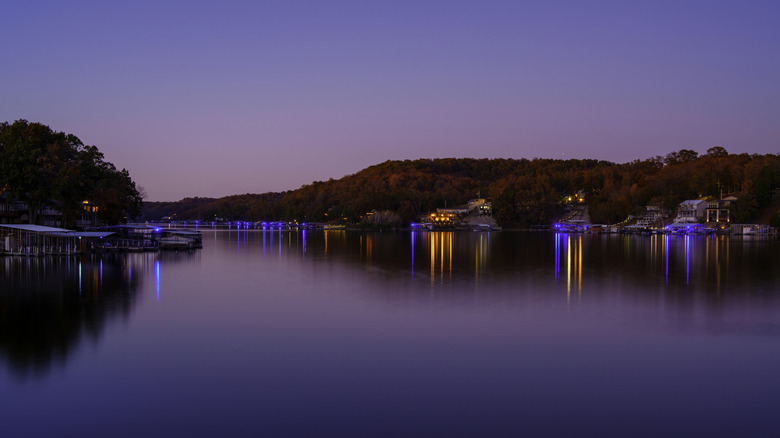
When we think of lakes, we often imagine broad, open spaces with maybe an island or two, but Lake of the Ozarks — a reservoir created in the 1930s — bucks the trend with its long, serpentine shape. Located in central Missouri, at the northern edge of the Ozarks, the lake is a hotspot throughout the warmer months as a haven for boating, fishing, and relaxing. Summer can get crowded with holidaymakers from St. Louis, Kansas City, and further afield, but if you head there in spring or stay into the fall, you can enjoy a somewhat more tranquil experience — especially during the week.
Along with Branson, a cool Missouri city full of family-friendly fun, which sits two hours south by car, Lake of the Ozarks is one of the Show-Me State's most popular destinations. It has a surface area of 54,000 winding acres, connecting towns like Camdenton, Eldon, Lake Ozark, Osage Beach, and Versailles. Camdenton is a great place to start if you've never visited before, as its existence is owed entirely to the creation of the reservoir, which earned it the nickname "Hub City of the Ozarks." In the vicinity, you'll find golfing, Ha Ha Tonka State Park, the fascinating underworld of Bridal Cave, and resorts like Pebble Bay Club and Old Kinderhook Resort and Golf Club.
That's just a taste of what you'll find all around the lake, which has nine public boat access areas. With virtually endless options for inlets and different branches, you can angle for bass, crappie, and catfish. You'll find great access at Lake of the Ozarks State Park east of Osage Beach.
Lake Pend Oreille, Idaho
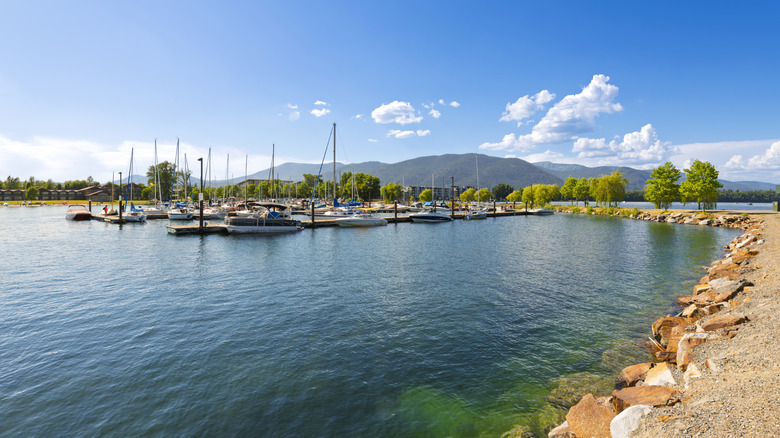
Idaho is primarily known for Boise, a dynamic and artsy capital city with Rocky Mountain views, and its gorgeous landscapes. That said, Idaho is also home to spectacular lakes like Pend Oreille, which is the fifth deepest lake in the U.S. and the largest in the state. Pronounced "pond-er-ay," the lake is tucked amid the Idaho Panhandle National Forests in the state's northern region, and it's considered one of the clearest in the country, with visibility that can regularly exceed 100 feet. It's also an oasis for anglers seeking salmon and Kamloops, a type of giant trout. Head out on your own or hire a guide service such as Pend Oreille Charters or North Star Charters to show you the best spots.
Pend Oreille features a spectacular combination of pristine, undeveloped natural shorelines and charming lakeside towns with plenty to offer everyone, whether you crave recreational activities or prefer immersing yourself quietly in nature. At its southwestern tip sits Farragut State Park, which is ideal for easy-access camping.
The eastern side is the quietest and most remote, with access via narrow roads to camping areas managed by the U.S. Forest Service, such as Whiskey Bay Rock Campground. As you head up around the top of the lake, you'll encounter small, friendly communities like Clark Fork, Hope, and Trestle Creek. The most populous area is at the northwestern edge, where the town of Sandpoint provides an anchor for others like Ponderay, Kootenai, and Dover. Grab an excellent burger or beer at Dish at Dover Bay, take the kids swimming at Sandpoint City Beach Park, or fuel up with an epic breakfast at the rustic Hoot Owl Cafe in Ponderay.
Lake Winnibigoshish, Minnesota
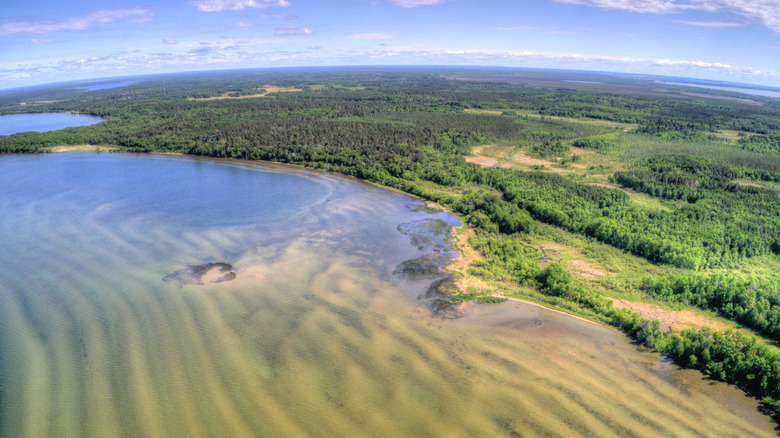
Often referred to as "Lake Winnie," this Minnesota gem is home to more than a dozen resorts and campgrounds, and it clocks in as the North Star State's seventh-largest lake — which is saying something in the "Land of 10,000 Lakes." A huge destination for anglers seeking walleye, northern pike, muskie, and more, Winnibigoshish is a simplified spelling of the Ojibwe word "Wiinibiigoonzhish," which is in turn derived from the word "Wiinibiig." Ironically, in the context of the cleanest lakes in the country, it translates to "dirty water."
In fact, Lake Winnibigoshish is generally clear with low levels of algae, making it ideal for whatever recreation you prefer. The Minnesota Pollution Control Agency does point out that fish have been documented to contain slightly elevated levels of mercury in their tissue, but levels are typically low enough that people regularly eat their catches. Nonetheless, it's always prudent to keep an eye on any notices posted by the DNR.
Winnibigoshish sits about halfway between Bemidji and Grand Rapids along the scenic U.S. Highway 2. Nestled in the Leech Lake Reservation and Chippewa National Forest, the lake is surrounded by pristine forests and marshes, and the Mississippi River even flows through it. Hop in your kayak or boat for a relaxing float, then round out the day in a rustic cabin at a resort like High Banks or The Pines.
Kentucky Lake, Kentucky and Tennessee
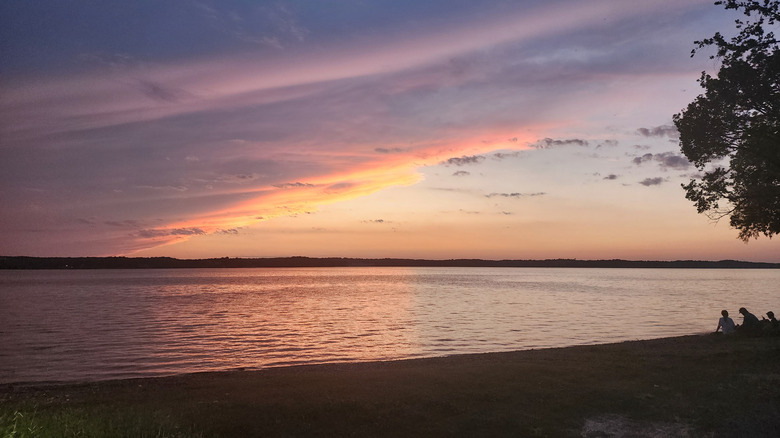
Kentucky Lake is the largest man-made reservoir in the eastern U.S. at over 160,000 acres of surface area — making it ideal for boating, fishing, and water sports. Like many other man-made lakes, it cuts a serpentine shape through the landscape as it holds water along the Tennessee River for 184 miles, but it can also be quite wide in places.
Steeped in history, you'll find plenty of antique shops and Civil War battlefields around Kentucky Lake. Take a swing at one of several golf courses located on both sides of the lake, thrill the kids at Venture River Water Park in Eddyville, or get retro with a movie screening at the Calvert Drive-In Theater in Calvert City. On its southern end, stop at a number of state parks, including Johnsonville State Historic Park in Tennessee, which honors a historic townsite and a Civil War battle that took place here.
Directly to the east of Kentucky Lake is a sibling reservoir called Lake Barkley, and the space between them is a popular outdoor destination known as Land Between the Lakes National Recreation Area. Popular with hunters and anglers, it's also a go-to for designated OHV routes, horseback riding, lakeside camping, wildlife viewing, and a living history museum called The Homeplace, which preserves a mid-19th-century farm.
Lake Norman, North Carolina
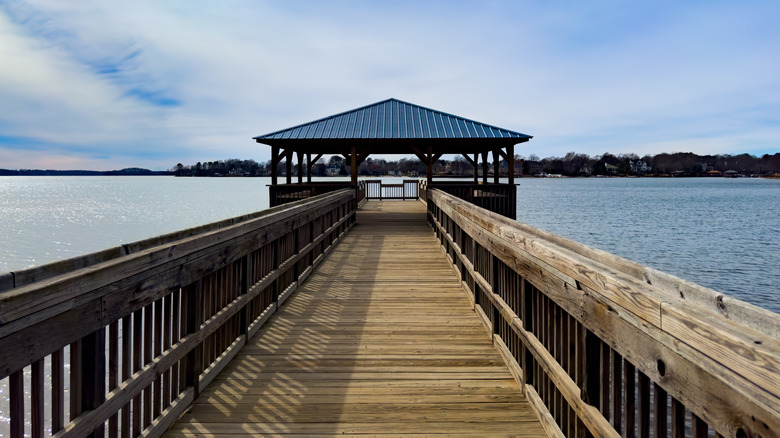
Located only a 30-minute drive from downtown Charlotte, Lake Norman is perfect for either a day trip or a longer stay. Created when a dam was constructed in the mid-20th century, it stretches a little more than 33 miles from north to south. Here, you'll find luxury homes nestled in tree-lined neighborhoods, plus golf courses and parks. With what feels like virtually endless inlets and branches, it's a major draw for boaters and paddlers. Especially outside of algae season, when the water can take on a slightly milky hue, Lake Norman is generally very clear and blue.
Lake Norman is perfect for a family getaway or a romantic weekend, as its lively surrounding towns of Cornelius, Huntersville, Mooresville, and more are chock full of shops, restaurants, and vacation rentals offering comfy vibes. Alternatively, you can book quaint lodgings in town, such as The Inn on Front Street in Statesville, Davidson Village Inn in Davidson, or the charming Lake Norman Motel in Sherrills Ford.
Unlike many of the other lakes on this list, it's quite populous — with the southern end especially organized into beautiful neighborhoods. That said, it can be very busy during the summer, particularly on weekends and holidays. So, if you crave a little bit more quiet time, the northern end is marginally calmer and less developed. Even so, you'll still find publicly accessible boat ramps around the whole lake. For an even more remote experience, park an RV at Lake Norman State Park, where you can take advantage of multi-use trails and a beach.
Lake Mead, Arizona and Nevada
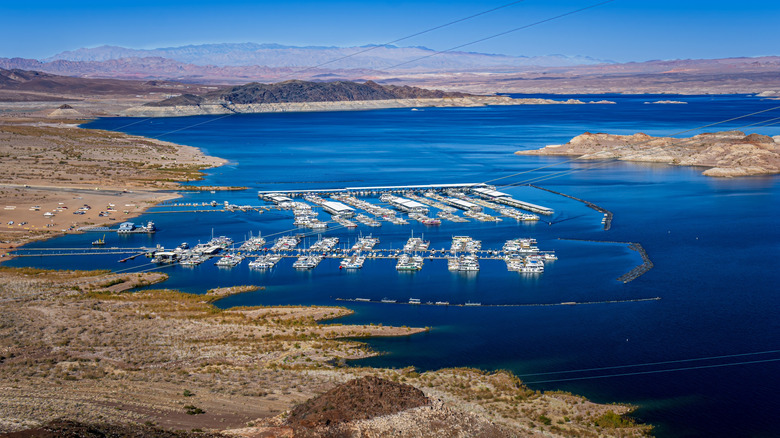
On the opposite side of Las Vegas from the striking Red Rock Canyon, which is perfect for day hikes, sits the azure Lake Mead. The deep blue hue is thanks to a combination of depth and what Lake.com describes as "ultra-clear" water. This immensely popular recreation area exists thanks to the engineering marvel of Hoover Dam, which backs up the Colorado River and creates the country's largest reservoir, spanning nearly 250 square miles of surface area. It also forms part of the first national recreation area ever designated, which encompasses more than a million acres, including another reservoir known as Lake Mohave.
Lake Mead is a desert oasis less than 45 minutes from downtown Las Vegas. Visitors can take advantage of five launch ramps managed by the National Park Service, or head to the world's largest inland marina at the aptly named Lake Mead Marina in Hemenway Harbor. There, you'll find a restaurant called The Boat House, along with a shop for take-along snacks and other goodies.
Whether you like to be on the water or simply enjoy views of it from the shore, Lake Mead is ideal for hiking, biking, camping, and paddling. And the fishing is a huge draw, specifically for striped bass, rainbow trout, catfish, and more. Take a scenic drive along Northshore Road, and cozy up in your tent or RV at one of 15 different camping locations.
Flathead Lake, Montana
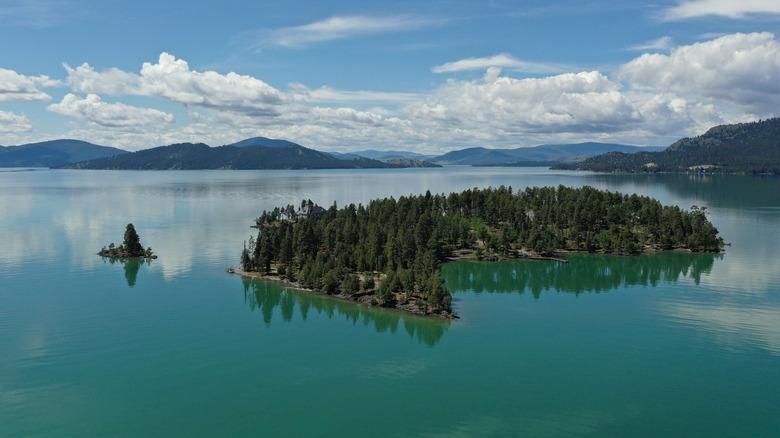
Located just a 30-minute drive south of Whitefish, Montana's stunning resort town that's perfect for a winter ski trip, Flathead Lake is a destination brimming with woodsiness, beautiful vistas, and small-town vibes. Its southern half is hugged by the Flathead Indian Reservation of the Confederated Salish and Kootenai Tribes, and it's important to note that, if you plan to hike on any trails or fish in the southern part of the lake, you'll need to get a tribal Conservation License, available for purchase through Montana Fish, Wildlife, and Parks.
There's something for everyone around this 200-square-mile lake — from an alpine coaster in Lakeside to opportunities to cruise the waters at night in a clear-bottom kayak. The southern end is also where you'll find the Big Arm unit of Flathead Lake State Park, along with the phenomenally picturesque Wild Horse Island State Park. This stunning, 2,165-acre forested island is only accessible by boat, and it's still inhabited by its namesake wild horses.
There are more than a dozen public access points around the lake to put in your boat, canoe, or jet ski, and it's typically a very clear body of water, with visibility of up to 20 feet. And if you want to get right in the middle of the lake's exciting trout fishing culture in keeping with time-honored Salish and Kootenai customs, plan your visit during the annual springtime tradition of Mack Days.
Methodology
Our primary source for this roundup was the NWQMC data sample used by Lake.com that reflected the quality of the country's 100 largest lakes from January 1, 2020, to July 15, 2025, which specifically considered eight characteristics: dissolved oxygen, ammonia, lead, phosphorus, sulfate, total dissolved solids, turbidity, and the deviation from a pH of 7 (pure water is neutral on the 1-14 pH scale measuring acidity and alkalinity).
Of the 100 lakes surveyed, 46 had data for at least three of these characteristics within the set time period. Even though the EPA approves individual states' water quality standards and assessments, states still submit slightly different information — so, in some cases, only a few of the eight characteristics are recorded. Lake.com then gave each lake a "Pollution Score" on a scale of one to 10, with the lowest numbers denoting the cleanest lakes. For example, Lake Superior and Lake Chelan achieved the first and second spots, respectively, but differ by only 0.14 of a point, making them both exceptionally clean.
For additional information about the lakes included here, we consulted regional tourism sites like the Minnesota Pollution Control Agency, LakeSuperiorCircleTour.info, VisitNorthIdaho.com, FunLake.com, LakeHartwellAssociation.org, MOSTateParks.com, DNR.State.MN.gov, DNR.SC.gov, NPS.gov, NationalParks.org, and others.