

5 Dark Sky State Parks In Texas For Your Next Stargazing Adventure
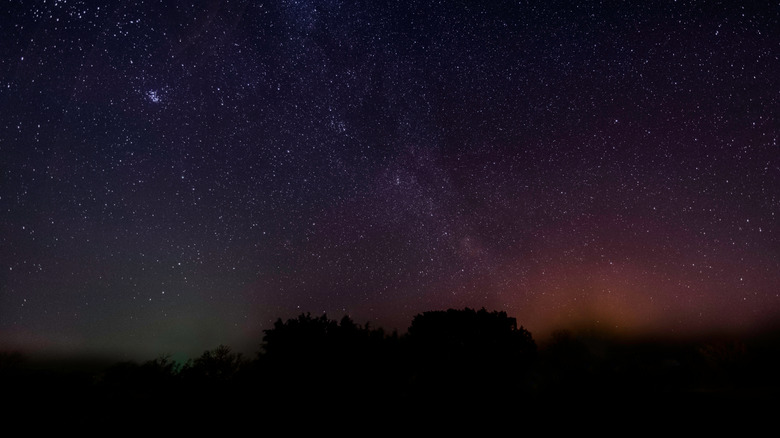
The Lone Star State may have only one star on its flag, but come nightfall, its skies are covered in twinkling lights, just like in the well-known country song "Deep in the Heart of Texas." Across the state, roughly two dozen different locations are designated by DarkSky International as Dark Sky Places, as of early 2026. These areas protect the night sky from light pollution to preserve magnificent views of the Milky Way and more stars than you can count before losing track, between March and September. Of these places, five are incredible Texas state parks ready for your stargazing adventure. Not only do they have incredibly bright night skies, but they also have all of the basics you'll need for an unforgettable trip. The five state parks are: Big Bend Ranch State Park, Caprock Canyons State Park, Copper Breaks State Park, Enchanted Rock State Natural Area, and South Llano River State Park.
These state parks are generally far from Texas' largest cities and major airports, including delay-prone Dallas-Fort Worth International Airport, where you may catch a connecting flight across the state. If you make the long journey to any of these state parks, you'll be rewarded with the true peace and serenity of nature while exploring some of the darkest skies in the world. Just don't forget to reserve your campsite if you plan to stay overnight.
Even though these recreation areas are managed by the state, be well prepared before heading out on a camping trip, and be sure to carry enough food and water and fill your tanks before setting off on your adventure. And, critically, don't forget your telescope or a good pair of binoculars, along with a red light headlamp.
Big Bend Ranch State Park
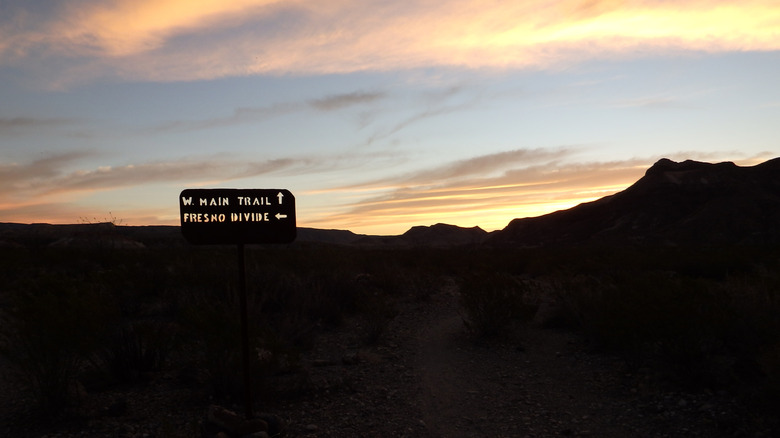
The biggest state park in Texas is also one of the state's best for exploring the night skies and lies beside one of the most isolated national parks in the Lower 48, Big Bend. Due to the park's isolation (the nearest airports are in El Paso and Midland, five hours away), the skies here are far darker than most places on Earth and are classified as a Class 1 out of 9 on the Bortle Scale in some areas, making Milky Way's shadow and Andromeda visible without observation instruments. For some of the best views in the country, take a gorgeous drive along the River Road or head to the West Contrabando Trailhead. Two other options are Big Hill or the park's iconic Hoodoos, made famous from the 2014 movie "Boyhood."
While you're waiting for the stars to come out, you'll find hundreds of miles of trails to explore at Big Bend Ranch. One of the can't-miss trails is the Closed Canyon Trail, a relatively flat, 1.4-mile trek through a slot canyon that provides some protection from the desert sun and makes for stunning views. Though you may see pools of water called tinajas along the trail, be sure to carry all the water that you'll need for your adventure in the sun.
Being an isolated park, campsites at Big Bend Ranch are primitive, having little more than a table, a concrete pad, and a fire ring. You'll have access to a few composting toilets within the park, though campsites do not have toilet facilities or running water apart from what you bring, and you'll need to carry out all trash (including human waste). Consider going to Costco to grab a few affordable car camping items for a major campsite upgrade.
Caprock Canyons State Park
Utah's otherworldly national park and magnificent red rocks offer some of the best stargazing and desert scenery in the country. However, the Texas Panhandle holds its own with the second-largest canyon in the United States and beautiful starry skies come nightfall. Located less than two hours from Amarillo and Lubbock, Caprock Canyons State Park is the most recent state park to gain accreditation from Dark Skies International for its starry skies, as of this writing. Caprock Canyons is a Class 2 on the Bortle Scale, meaning you'll have just a bit of skyglow but millions of stars.
Caprock Canyons makes a great option for families, as the state park has 35 campsites with power and water at the Honey Flat Area and nine walk-up campsites with water close by at Lake Theo. All other campgrounds at the state park are primitive, though they have nearby toilet facilities. While you're waiting to traverse the starry skies with your eyes, explore nearly 90 miles of desert trails in Caprock Canyons State Park while the sun is still up for majestic daytime views. The family-friendly Caprock Canyon Rim Trail is a short, rewarding trek that intermixes breathtaking views of plant and animal life, including prairie dogs, in the Honey Flat area.
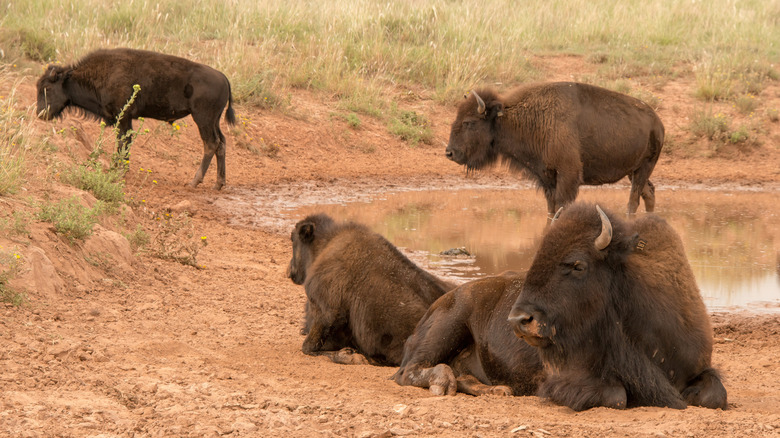
Unique to Caprock Canyons, you'll likely see signs of the Lone Star State's official bison herd, which is genetically distinct from bison in other parts of North America. If you do see bison on the trail, or if they enter your camping area, use the "rule of thumb," meaning if you can't cover the bison with your thumb extended in front of you at arm's length, you are too close.
Copper Breaks State Park
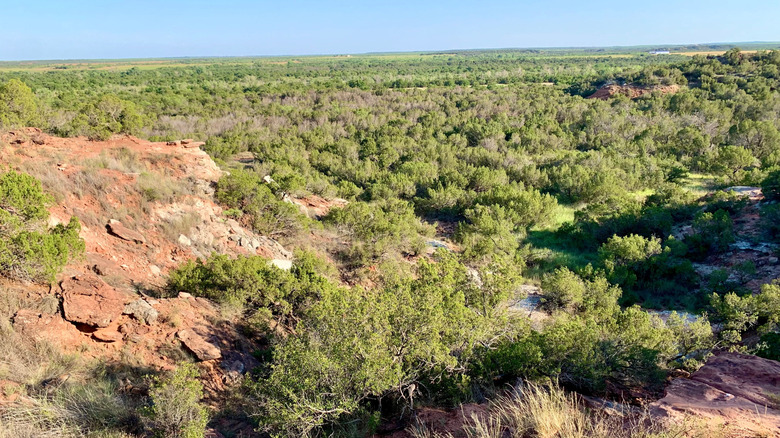
In North Texas, roughly halfway between Fort Worth and Amarillo, you'll find Copper Breaks State Park, a local secret with comfy camping facilities and a wealth of activities for the whole family, including biking, swimming, horseback riding, and hiking – in addition to stargazing. Copper Breaks has some of the darkest skies in Texas that are rated as a Class 2 on the Bortle Scale, matching parts of Big Bend Ranch and Caprock Canyons. While you're waiting for the main event, grab your fishing poles and bathing suit and head for Lake Copper Breaks before marveling at the stunning sunset. Another option is to look for birds, deer, raccoons, or maybe even a Texas horned lizard that may be foraging or hiding out amongst the juniper breaks. Once night falls, local volunteers host free monthly star gazing programs between April and November, teaching visitors how to map the night skies. If you can't make one of the star parties, you'll still be able to witness the magical Milky Way from outside of your tent or RV. One important note: Campsites and day passes both sell out during the spring and summer months. Be sure to reserve your entry pass and campsites before visiting.
Copper Breaks also has the notable distinction of being home to a few heads of the official Texas longhorn herd. The state park hosts "Meet the Longhorns" events on Friday and Saturday afternoons where — if you're brave — you can position a feed cube between your lips and get a slobbery "kiss" from a steer.
Enchanted Rock State Natural Area
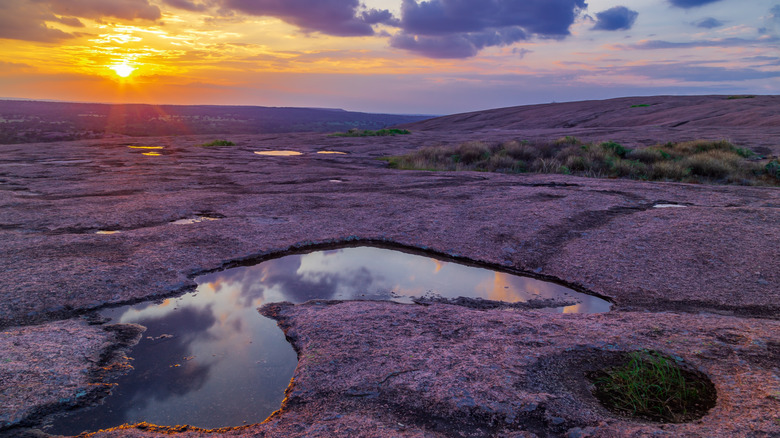
Near Fredericksburg, where you'll find a taste of Germany and a friendly flair, is one of the state's most-visited state parks, Enchanted Rock State Natural Area. Named after a 425-foot-high batholith rising gently, yet proudly, over the Texas Hill Country, the area has a Class 3 rating on the Bortle Scale, meaning you'll get an excellent view of the starry skies and Milky Way above once darkness falls. During the day, explore the 11 miles of trails in the park, or take a moderately challenging hike to the top of Enchanted Rock. Come nightfall, grab a blanket, head out of your tent, and watch the Milky Way slowly dance to life. Visitors who would like some extra company can join park rangers or volunteers for a free stargazing party throughout the year. Check the schedule on the park's website.
Since Enchanted Rock is incredibly popular, there are a couple of caveats you should note before visiting. First, you will need to make reservations to visit on a weekend in advance, as the park frequently hits its daily visitor capacity. Also, since Central Texas is prone to droughts, bring all the water you'll need to keep hydrated on your trip, especially if you plan to hike. Although the park has restrooms, they may be closed and substituted with portable potties due to the water shortage.
South Llano River State Park
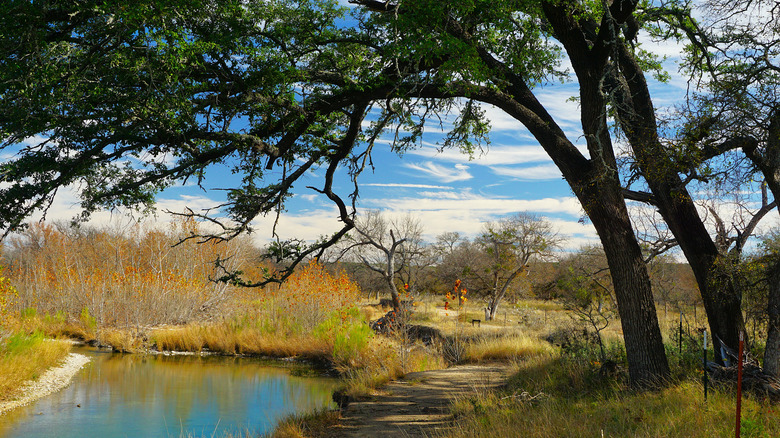
South Llano River State Park may only have a Category 3 rating on the Bortle Scale; however, it has qualities that other parks in this article don't have. For one, it's just two hours northwest of San Antonio on the western edge of Texas Hill Country, and it's a perfect place to spend a day fishing or tubing on the South Llano River, followed by taking in views of the Milky Way. The state park has a range of camping areas, including RV campgrounds with electricity and water hookups as well as primitive camping areas with nearby access to showers and restrooms. In addition to other campers' footsteps, you may see turkey and deer trekking in the park's hardwood forests, while over 150 species of birds can be found there and in the adjoining Walter Buck Wildlife Management Area section of the park. Many are active just before the stars come out.
Though none are posted at the time of writing, in the past, the park has hosted regular star parties with local astronomy clubs. Per the park's website, keep up to date with its social media profiles to see when the next event will happen. Though the viewing sessions are free, the park charges a $5 night activity fee for stargazing past 10 p.m.
Methodology and an honorable mention
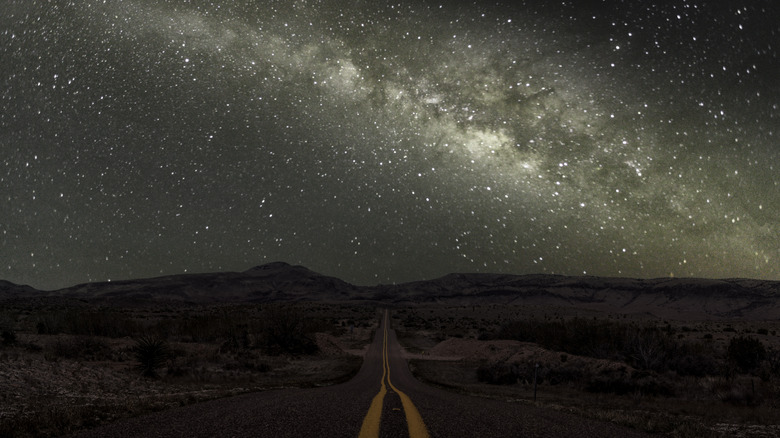
These five parks were selected based on being DarkSky-designated destinations that are renowned for their gorgeous nighttime starry skies, in addition to their locations in various regions of the state. Further, each state park has a mix of other activities to keep you entertained on your trip, in addition to stargazing. We used official Texas state park websites, local travel blogs, local news sites, and Texas travel and lifestyle magazines to provide deeper insight into the most rewarding and worthwhile places for stargazing across the state.
Apart from these five internationally designated parks, Texas has one more out-of-this-world stargazing experience that true star enthusiasts shouldn't miss. Near Davis Mountains State Park, you'll find the McDonald Observatory, which describes itself as one of the best astronomical research labs in the world. By day (from Tuesday through Saturday), it's one of the few places where visitors can safely watch the sun and solar flares. By night, the observatory's Frank N. Bash Visitors Center hosts thrice-weekly (on Tuesday, Friday, and Saturday nights) star parties where you can take a look through some of the most powerful telescopes in the country and see the heavens in clear detail.