

This Popular Country Was The Most-Visited Southeast Asian Destination Of 2025
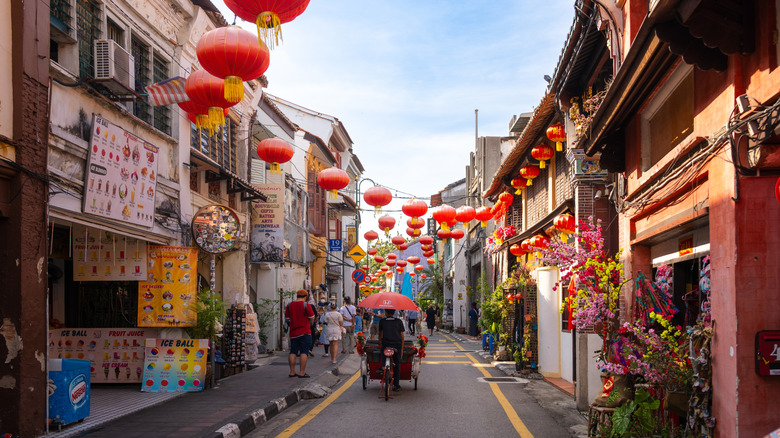
Whether you're going for the food, beaches, or lower costs in general (apart from one of the world's most expensive destinations), Southeast Asia has a smorgasbord of destinations for any type of traveler. While Thailand has long been one of the major destinations in the regionand Vietnam is vying to climb the ladder, neither is the most-visited destination in the region. The winner for 2025 was Malaysia, a crossroads of food, language, and cultures. According to VnExpress, Malaysia welcomed over 38 million visitors in 2025 –more than the country's population – beating its target of 31.4 million.
The former British colony delivers on overall value, offering a high level of infrastructure and comfort intermixed with a mixture of local traditions, cuisines, and cultures spanning across the entire continent. English is widely spoken in the country. There is a wide range of cultural influences here — you can hear the call to prayer while nursing a cold beer or chowing down on a bowl of pork-rich Hokkien mee — and it is statistically the safest and most peaceful country in all of Asia.
Malaysia's booming capital city, Kuala Lumpur, is an easy-to-navigate foodie paradise. Kuala Lumpur International Airport (KUL) has flight connections across the world, with flights from a range of cities in the U.S. starting at roughly $1,000 round-trip, and cheaper flights on the West Coast. Visitors from the U.S., Canada, and the U.K. can visit Malaysia visa-free and stay up to 90 days. During your stay, expect it to be hot and humid every day, even during the dry season.
Two of Malaysia's top tropical islands
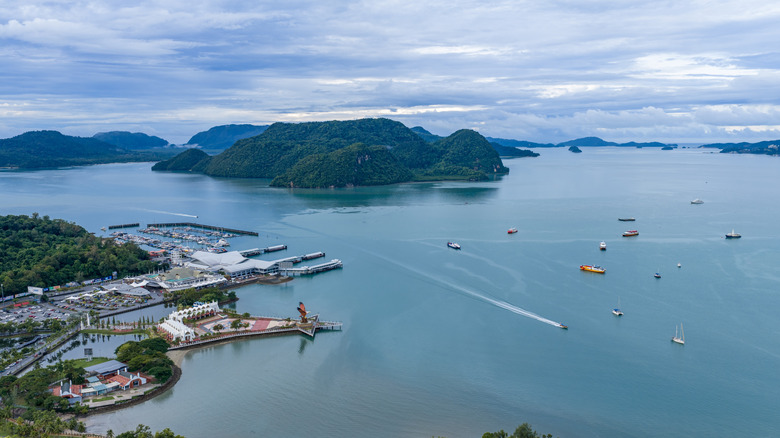
While Indonesia and the Philippines are known as being tropical island getaways in Southeast Asia, Malaysia holds its own with 878 islands across the country. Two of the best-known islands are Penang and Langkawi, and are safe introductions for first-time visitors to the country. With its postcard-perfect nature as a backdrop to sandy beaches, a unique mix of cuisines, and trendy street art, Penang has been featured by both CNN and The New York Times as a must-visit destination for 2026. The low-key island is also incredibly affordable, drawing English-speaking retirees from all over the world, and has been noted as one of the five best places to retire in Asia.
Further north, Langkawi, where myth and legend mix with Mother Nature, drew nearly 2.3 million visitors in 2025. Langkawi, an ancient archipelago and UNESCO-designated Global Geopark, is a favorite destination for families and nature lovers who are looking to unwind on a perfect beach or in a green canopy. Pulau Langkawi, the main island, is a breathtaking mix of old and new, with quaint fishing villages and traditional Malay houses, as well as modern hotel resorts beside well-developed Pantai Cenang beach. Soar above Langkawi Island on the world's steepest cable car, then traverse the Langkawi SkyBridge, one of the island's top attractions on Tripadvisor.
Both islands have international airports and are easy to reach domestically and from throughout the region. Once you're on the ground, opt for renting a car, scooter, or using Grab, the local version of Uber. If you do plan to drive around the islands, be sure to get your International Driver's Permit (IDP) as well as a motorcycle license if you plan to rent a scooter.
Go natural in East Malaysia
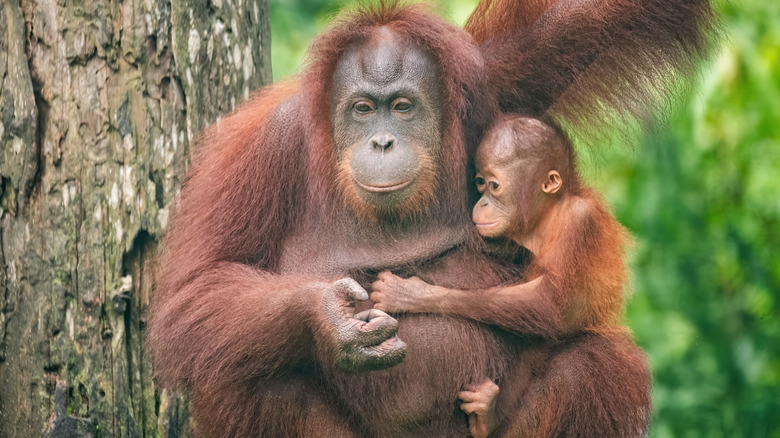
Not only is Peninsular Malaysia popular, but Sarawak and Sabah, the two states in East Malaysia on Borneo are also booming, bringing in over 8.4 million total visitors (mainly from Asia) in 2025. East Malaysia is very different culturally, ethnically, and environmentally than Peninsular Malaysia and is home to the region's tallest mountain, Mount Kinabalu in addition to incredibly diverse and unique species of natural wildlife. East Malaysia makes up a small portion of Borneo, one of two islands in the world that is home to wild orangutans.
East Malaysia's two largest cities, Kota Kinabalu (locally called KK) and Kuching, are great bases to explore the vast wilds of Borneo, both over land and under water. If you've never been diving or snorkeling, Tunku Abdul Rahman Marine Park makes an excellent day trip for an underwater adventure just outside the city. First-time snorkelers shouldn't miss exploring the reefs around Sapi Island, while beginner divers can get certified exploring around Mamutik Island or saving clams at the Gayana Diving Center.
If primates are on your itinerary, odds are you'll see them at the Semenggoh Wildlife Center, a Tripadvisor Travelers' Choice activity outside of Kuching. The orangutan sanctuary is home to over twenty orangutans who are free to roam (and eat) as they please within the property boundaries before they are fully released back into the wild. Twice a day, the center opens during feeding times, in the mornings and afternoons. Past visitors noted that you'll have the best chance of seeing them between April and November. If you do venture out into the jungles, don't forget your binoculars or a camera to snap the one-of-a-kind creatures on your journey.
A cultural melting pot
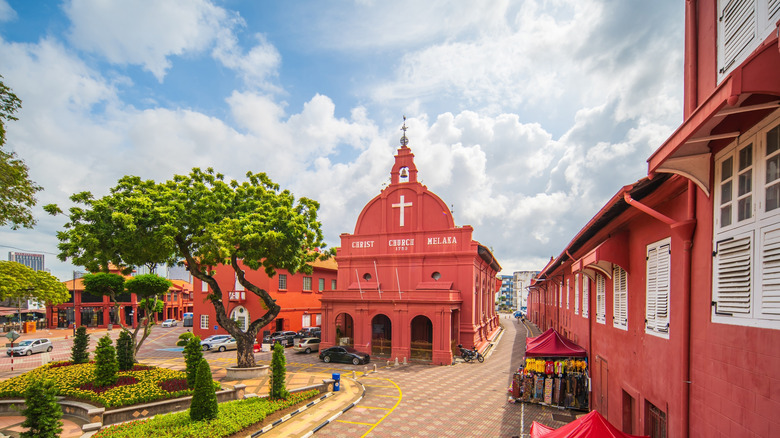
While Kuala Lumpur is known as a foodie paradise, visitors to the capital shouldn't miss taking a two-hour trip south to the country's oldest city, Melaka (also written Malacca), a cultural hub for adventurous travelers. Throughout modern history, Melaka was colonized by the Portuguese, the Dutch, the British, and captured by the Japanese during the Second World War. It's a can't-miss hotspot for history buffs, as well as a culinary mosaic, and one of the first places where globalization came together through cuisine. Whether you're a foodie or not, don't miss visiting a traditional kopitiam and trying out some of the local food. The city is well known for its savory chicken rice balls as well as its creamy Nyonya Laksa, also known as curry laksa.
Culturally, Malaysia is conservative yet very open to visitors from different parts of the world, but there is a degree of modesty expected from visitors. If you are planning a day at the beach, pack a change of clothes to wear away from the water and consider more conservative beachwear. Though Malaysia is welcoming to families from the world over, the country can be a challenging destination for those accustomed to PDA. If you're out with your loved one on a gorgeous sunny day, save your personal displays of affection for a private space such as your hotel room. Deeper public displays of affection, such as kissing, are illegal under local laws, even for non-Muslims. Moreover, LGBTQ+ travelers to Malaysia should be aware that same sex relationships are illegal in the country and should travel discreetly if they visit.