

Europe's 12 Most Affordable Destinations To Visit In 2026
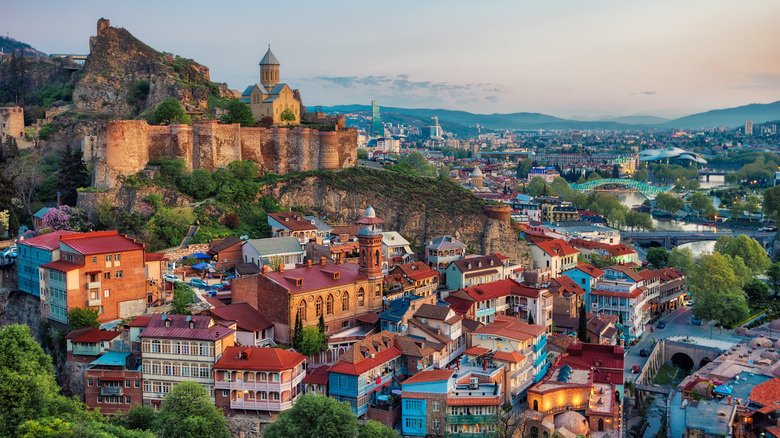
Europe has a reputation for being expensive that isn't always deserved. Sure, you can easily spend thousands of dollars per night on a fancy Parisian hotel, but it's also possible to explore much of this diverse continent on a budget — especially if you know when and where to go.
There are plenty of hacks for exploring Europe for less, like using public transportation, choosing hostels or budget hotels, focusing on free or low-cost attractions, limiting your alcohol intake, and eating at local markets. In addition, traveling during the shoulder or off season can also make for a cheaper trip. That said, there are destinations that simply provide more bang for your buck no matter the season.
For this article, we compared prices for food, accommodation, activities, and transportation to identify some of the best European destinations for budget travelers. In addition to this research, the writer relied on personal experience when applicable. The result: a list of Europe's 10 most affordable destinations to visit in 2026.
Hungary
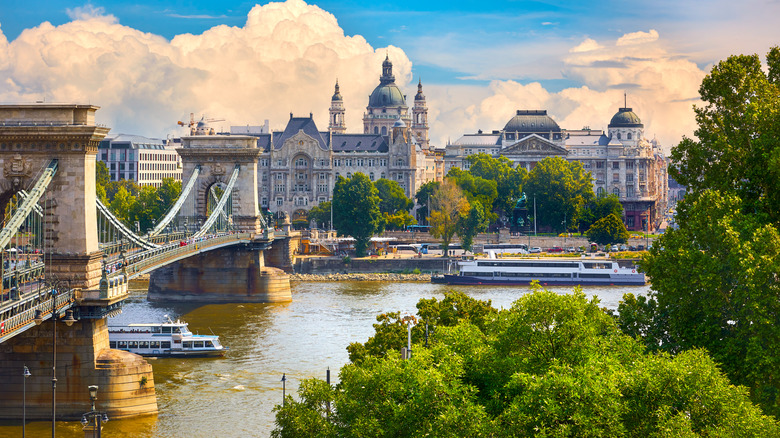
Hungary's capital, Budapest, is known as the "Paris of the East" — and it does have a certain Parisian elegance, with its broad avenues and grand buildings along the Danube. Beyond being gorgeous, the city also offers great value for money, with incredible food and enriching activities reasonably priced, making it one of the most affordable holiday destinations in Europe. On average, a typical traveler spends around $111 per day in Hungary — although budget travelers can spend as little as $35 to $70 per day. However, Hungary is also an ideal spot for affordable luxury, as a more upscale trip would cost approximately $170 per day.
In fact, much of Budapest feels like luxury within reach, like the famous Szechenyi Baths — housed inside a former palace — which travelers can enjoy with a $20 day pass. Speaking of elegant buildings, the exterior of Budapest's iconic Parliament along the Danube, much of the Castle on the hill, and the elegant Chain Bridge are all free to explore. Plenty of these lovely old buildings are also home to delicious restaurants, where you can expect to pay between $10 and $30 for a sit-down meal.
Accommodation can notoriously upend any travel budget, but not in Hungary, where it's possible to find decent mid-range hotels for around $60 per night. And while Budapest is quite walkable — another way to cut costs and sightsee — it's also easily navigated by public transportation, including trams, the metro, and buses, which cost about $1.50 per trip.
Albania
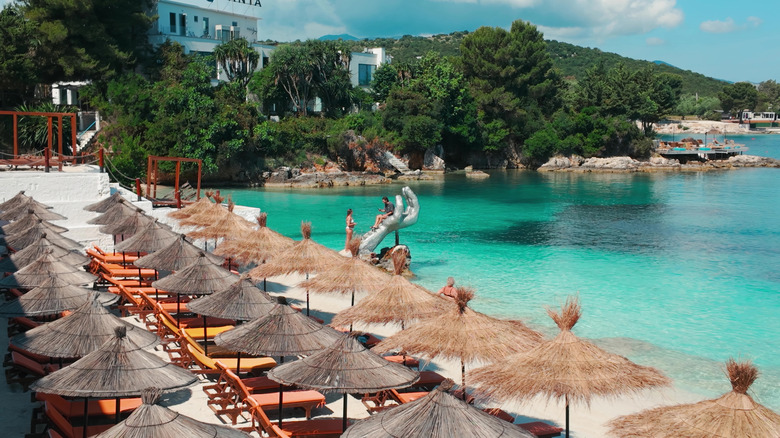
One of Europe's cheapest countries, Albania is gaining traction as a new hotspot on the Mediterranean — and the steadily rising prices reflect that. Nonetheless, the country is still a steal, often considered one of the most affordable beach getaways on the continent. On the lower end of mid-range, travelers should budget approximately $95 per day.
With its crystal-clear water, white sand beaches, and coastal promenades, the Albanian Riviera is certainly a good deal — some even call it the "Maldives of Europe." That said, popular areas like Ksamil are seeing the effects of slowly increasing prices, so expect to spend at least $20 on a mandatory beach chair rental. Luckily, most of Albania's other still-gorgeous beaches are free, or at least cheaper, to enjoy, including the lovely Sarandë and the cliffside beauty of Dhërmi. Beyond the coast, some of Albania's best attractions can be found inland. The intriguing capital, Tirana, is home to one of the largest mosques in the Balkans, and the imposing Berat Castle in the eponymous town is free to explore. Meanwhile, the sprawling ruins of the UNESCO-listed Butrint National Park cost around $11 to visit. While you're taking advantage of the free or low-cost activities, you'll have to eat, of course. This shouldn't hurt your budget much, however: we're talking under $30 for a sit-down meal, less than $2 for a latte, beer, or glass of wine, and around $50 for a week's worth of groceries.
When it comes to accommodations, mid-range travelers in Albania can score a decent guesthouse for $50 to $60 per night. Getting around can be as cheap as $7 per day, though public transport can be notoriously confusing and unreliable. For an easier trip, rent a car, which typically costs about $35 per day.
Bulgaria
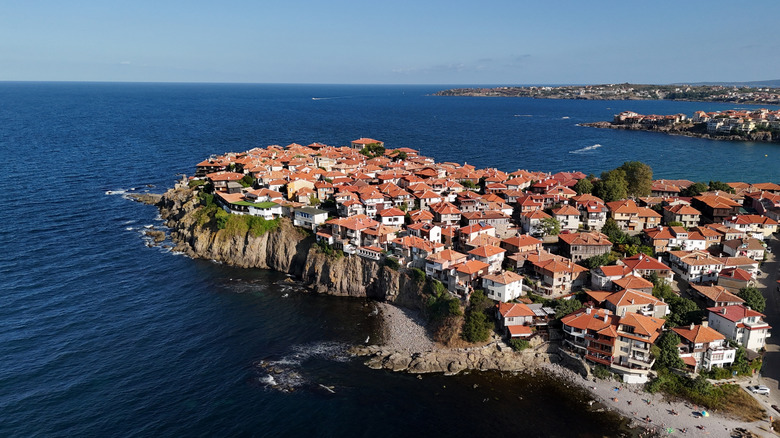
Another hidden gem in Europe's eastern reaches is the charming and affordable Bulgaria. Despite its wealth of cultural sites, natural beauty, outdoor recreation, and city destinations, Bulgaria remains relatively undiscovered — a good thing when it comes to prices. As such, visitors can expect to spend roughly $87 per day.
In addition to Bulgaria's affordability, its diversity of activities is appealing. In the lovely Bansko, travelers will find some of the continent's cheapest skiing in the winter, along with quiet, uncrowded trails. Meanwhile, the resorts along the Black Sea have a distinct Greek flavor — with a Bulgarian twist at local prices. Alternatively, you can visit Perperikon, often called the "Machu Picchu of Europe," for around $8, or wander the streets of Plovdiv, Europe's oldest city and an underrated cultural hub. Finally, Sofia, Bulgaria's capital, is easy to explore on foot and offers plenty of low-cost cultural activities and accommodations. To travel between cities, trains are often the cheapest option. For instance, you'll pay around $5 to $9 for a ticket between Sofia and Plovdiv.
Accommodation-wise, expect to spend between $50 and $60 per night for a mid-range hotel, with prices increasing in Sofia. Even there, however, it's possible to find a charming, well-reviewed guesthouse for under $70, even during high season. When it comes to food, a good sit-down meal will set you back around $20, but there's plenty of delicious street food — think sausages (kebapcheta) or cheese pastries (banitsa) — that won't cost you more than $4.
Romania
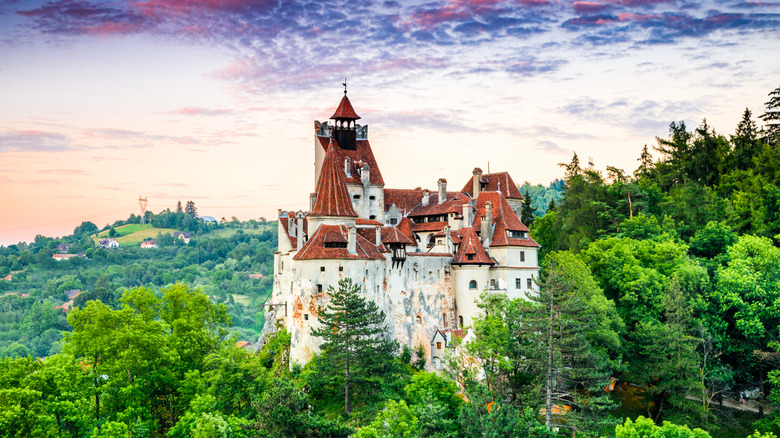
Romania is an awe-inspiring destination brimming with breathtaking, almost mythical landscapes and lively scenery. From castles and vampires to modern cities and Black Sea beaches, the country has plenty to offer at a fraction of the cost. In fact, the average traveler in Romania spends approximately $121 per day.
As for activities, the Eastern European country has something for everyone. For starters, the capital city of Bucharest offers a particularly good value for those looking to book a spa holiday, with some packages costing as little as $16 for a three-hour session that includes access to saunas, treatment rooms, or pools. Meanwhile, the legendary Transylvania is a highlight for travelers who love history and folklore, and the colorful Sighisoara, lovely Sibiu, and lively Brasov are just a few more of the region's incredible towns and cities. While they're slightly more expensive than other lesser-known spots, mid-range travelers can still score a hotel room for around $40 per night.
For even better deals, stay in smaller homestays in the countryside. Many include breakfast, which can help cut costs. Otherwise, a sit-down restaurant meal costs between $12 and $30, while a beer or a coffee will set you back under $4. Finally, the best way to take in the countryside — where iron crosses stand at rural crossroads, flashy cars pass horse carts carrying hay, and villages are crowned by crumbling ruins — is to rent a car, with prices starting at just $5 per day. If you stay in Bucharest or another major city, public transport costs roughly $1 for a one-way ticket.
Baltic Capitals
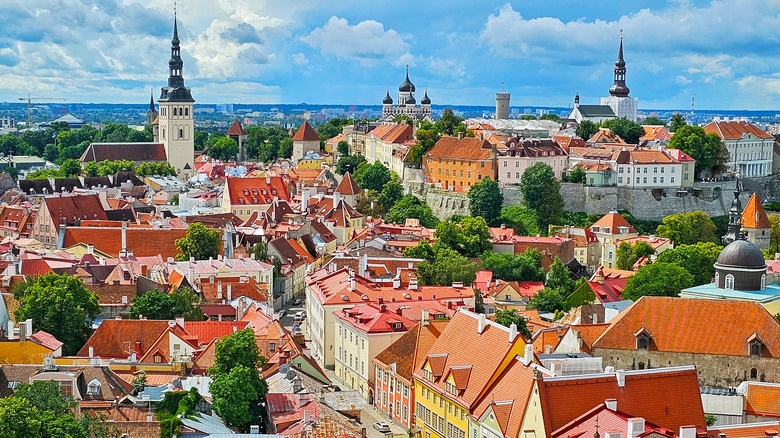
The Baltics are an affordable oasis in the famously pricey region of Northern Europe. Once part of the former Soviet Union, each country — comprising Lithuania, Estonia, and Latvia — boasts thriving tech sectors, tourist hotspots, medieval centers, and bustling cities. Better yet, they each have their own charm, and their capitals shine on their own merits year-round. Luckily, this isn't reflected in the travel costs, making them some of the budget-friendly European cities for a winter vacation, with snowy vistas, crisp air, cozy vibes, and charming Christmas markets.
The most affordable Baltic capital is Vilnius in Lithuania, with an average daily cost of $132. Comparatively, Tallinn, in Estonia, runs about $145 per day for the average traveler, and Riga in Latvia, comes in at $158 per day. While in Tallinn, consider cutting costs with the Tallinn Card. Starting at roughly $50 for 24 hours, it includes public transportation, admission to over 50 attractions, and a free sightseeing tour. Similarly, both Riga and Vilnius offer free walking tours, which are one of the best ways to get your bearings and get a solid dose of history.
Hotels in the Baltic capitals can cost upwards of $150 per night in the high season. However, to save on accommodation, consider apartment rentals, which can cost as little as $30 per night but typically average about $50. Meanwhile, sit-down meals typically cost around $50, although Riga is often cheaper, at closer to $30. There are also plenty of charming, casual cafés where you'll spend less than $20. As for transportation, a one-way ticket on public transit will set you back under $1 in Vilnius and less than $2 in Tallinn and Riga. Thankfully, all the Baltic capitals are fairly compact, and their medieval centers are a joy to explore on foot.
Georgia
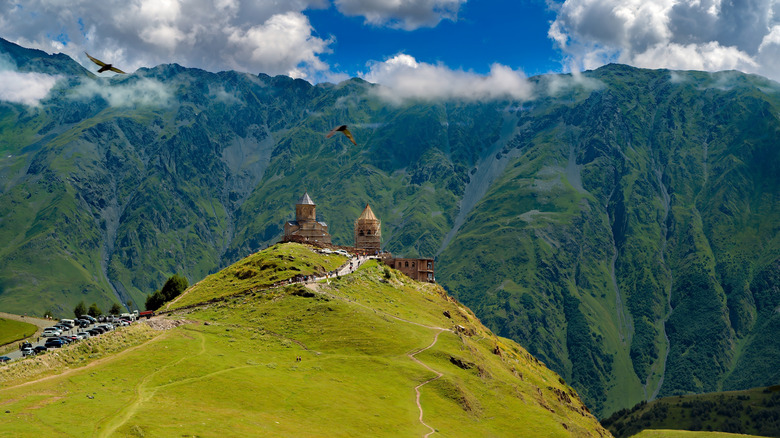
They say that, generally, the further east you go in Europe, the cheaper it'll get — and that's certainly true of Georgia. So far east it borders Asia, the destination is primarily known for its affordability and excellent hiking opportunities. Better yet, it offers such good value for money that it's often considered one of the most affordable countries in the world to visit in 2026. Cost-wise, the average traveler spends just $38 per day. That said, if you're willing to spend around $80 per day, you can essentially travel in comfort and style.
Although most travelers to Georgia will spend the bulk of their time in the beautiful, historic, and eventful capital city of Tbilisi, many are also attracted to one of Georgia's most famous pastimes: hiking. Specifically, the stunninf Caucasus Mountains — divided into Greater Caucasus and the Lesser Caucasus — dominate the landscape, with lush peaks ripe for largely cost-free exploration. To reach said trails (and everywhere else in the country), take a local minivan, or marshrutka, which typically costs between $2 and $12, depending on your destination. Within bigger metro areas like Tbilisi, the best way to get around is on Bolt (Georgia's equivalent to Uber), with rides starting around $2.
Georgia is also kind to your wallet when it comes to accommodation and food. A mid-range hotel will cost you around $30 per night, although you can splurge for under $70 and enjoy amenities like a private pool. For food, a meal in a traditional restaurant costs around $8, and a mid-range eatery will set you back about $15. Georgia is also renowned for its ancient wine tradition, and a glass of the classic amber (orange) wine typically costs no more than $3.
Bosnia and Herzegovina
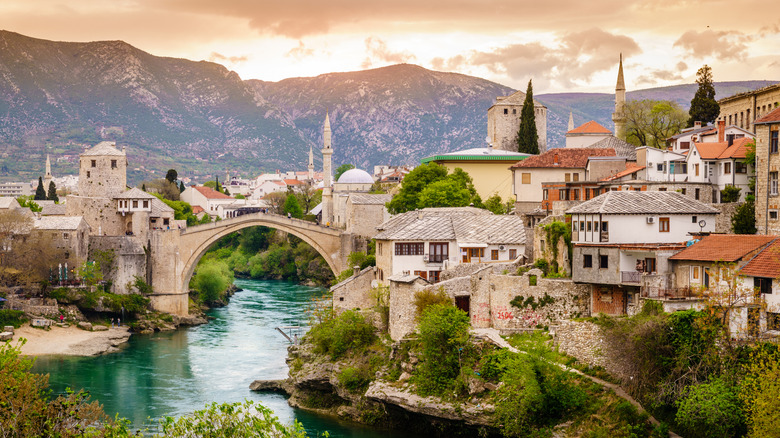
Despite its complex past, current travelers agree that Bosnia and Herzegovina is a delightful surprise — and not just because of its affordability, with typical travelers spending about $100 per day. As for activities, Sarajevo is considered one of Europe's cheapest capitals, where you can sample strong coffee from a copper pot for less than $2, explore mosques, visit museums, or hop aboard a scenic cable car ride for just a few dollars. Beyond the capital, the gorgeous city of Mostar is another favorite among travelers. Known for its turquoise river, stone buildings, and famous bridge, Mostar is even less expensive than Sarajevo, where budget travelers can easily spend just $45 per day.
Accommodation-wise, travelers can book a stay at a decent budget hotel for roughly $24 to $40 per night (depending on where you are in the country). When it comes to food, classic dishes like ćevapi (grilled sausages served in bread) and the famous burek (a Balkan meat pastry) typically cost between $2 and $8. A sit-down meal in a restaurant will typically cost $20 or less, while the beer is salso affordable often costing less than $2 per pint.
Poland
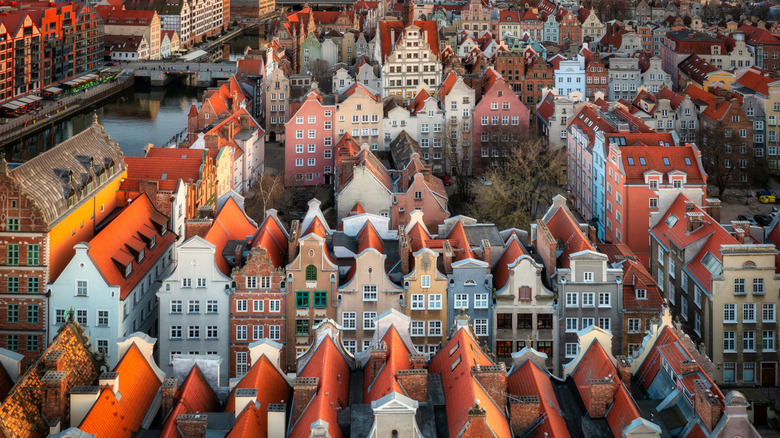
There's an old saying that goes, "Eat in Poland, drink in Hungary, sleep in Germany, and make love in Italy." And while you shouldn't discount Poland for drinking, sleeping, or love, the food is certainly worthy of a visit. Combined with its affordability and wealth of incredible sites, Poland is a dream destination for travelers of all kinds. From the stress-free, under-the-radar city of Krakow to the affordable capital city of Warsaw to the historic, gorgeous Gdansk, there's so much to see in Poland that it's hard to justify skipping it. Pro tip: combine the best sites in any Polish city with a food tour to explore the streets with a guide while sampling the country's best cuisine.
And things only get better when it comes to prices: mid-range travelers should budget around $90 per day in Poland. Another bonus: Poland is also a great place for those with champagne tastes on a Budweiser budget, considering luxury travelers can spend as little as $165 a day. Travelers in Poland should plan to spend around $60 per night for a private apartment, and around $5 per day for unlimited public transport — or between $.80 and $3 for a single trip. Poland's cities are well-connected by buses, trains, and planes. Buses are by far the cheapest with one-way tickets between Krakow and Warsaw often costing under $13. Poland is also ideal for a rental car, which starts at approximately $20 per day.
And then there's the food — delicious and cost-effective. Street food starts at $1.50, with casual take-out spots — including a serving of the famous pierogi, or Polish dumplings — generally costing up to $9. A sit-down restaurant usually isn't more than $25, and drinks like beer, wine, and coffee typically cost less than $4, with beer often even cheaper).
Montenegro
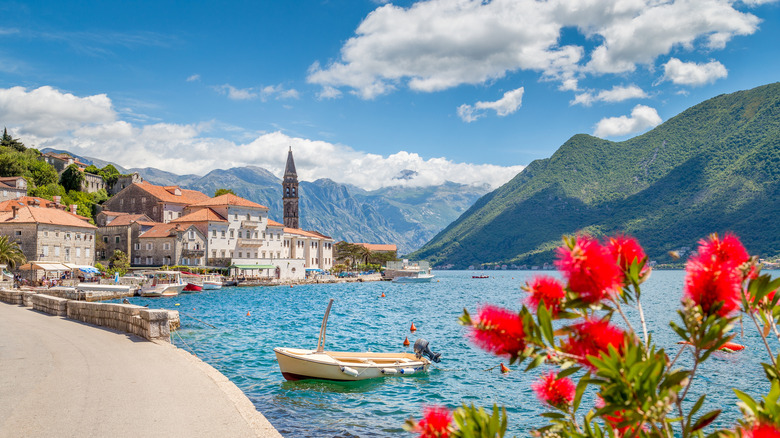
From beaches to mountains to fjords, Montenegro is a nature lover's paradise — and a great value, too. The stunning fjords on the Bay of Kotor, which lead to the quaint, historic town of the same name, are guaranteed to impress. On the coast, you'll find a budget-friendly Mediterranean getaway in Budva, while further inland sits the quirky capital, Podgorica. While not the most affordable destination on this list, Montenegro can still be explored for as little as $40 to $60 per day, although mid-range travelers should expect to spend around $100. That said, visiting in the shoulder season — typically from May to June and September to October — means fewer crowds, lower prices, and still-gorgeous weather.
Much of Montenegro's allure lies in its natural beauty, which can typically be enjoyed for free. The country's old towns — especially the walled city of Kotor — are also free to explore. Many hiking trails and beaches come at no cost. Getting out on the water — especially on a boat trip through the Bay of Kotor — is a must, and typically costs at least $20. Montenegro's natural beauty also makes it ideal for overland travel, especially via the city's modern bus network, with fares like Kotor to Budva starting at just $6. Plan to walk as much as possible in the cities like Kotor and Budva, which are compact and a joy to wander.
When it comes to accommodation, travelers should plan on spending upwards of $45 per night on a private apartment, or around of $25 per night for a budget hotel. When it comes to food, street eats are a great value at around $2, while a sit-down meal typically costs around $20. Both beer and coffee usually cost less than $2.50, and a week of groceries averages under $50.
Slovenia
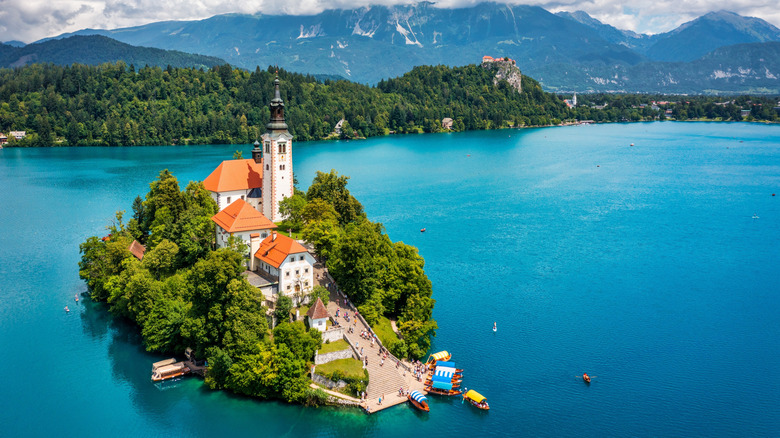
Slovenia might just be the most underrated destination in Europe. This small country — sandwiched between Croatia and Italy — boasts its own coastline and is home to an incredible range of landscapes in one compact place: fairytale castles, Alpine peaks, Mediterranean beaches, vineyards, winding rivers, and old forests. Oh, and it's also incredibly reasonably priced. Specifically, mid-range travelers and above should plan on a budget of at least $138 per day.
Although Slovenia is well-connected by bus and train, it's typically better-explored by car — mainly because this allows easy access to the country's many outdoor opportunities. This includes scenic lakes, trails, mountains, and gorges, along with remote castles, tiny villages, and acres of vines at family-run wineries. Luckily, car rentals in Slovenia start at around $22 per day. With a car, you can travel between the coastal town of Piran and Lake Bled in under two hours, or between Ljubljana and the charming Šmartno in the Brda wine region in about 1.5 hours. Within cities, it's easy to get around on foot — even in Ljubljana, which is beautiful and worth exploring.
While in Slovenia, plan to spend upwards of $100 per night for a well-reviewed hotel in larger cities or high-tourist areas during peak season. When it comes to food, expect to spend around $35 per day, with street food like burek (a meat pastry) starting at $6, coffee costing less than $3, the famous Bled cream cake running about $5, and sit-down meals averaging around $25.
Methodology
For this list of 10 affordable countries in Europe, we sourced expert travelers and their blogs — primarily Nomadic Matt and Neverending Footsteps — as well as flight booking websites, review sites like Reddit, official tourism bureaus for each destination, and statistics compiled from governmental and private entities.
We also used several online budget-planning tools, such as Budget My Trip, to compare reported costs with average daily spending reported by travelers in each destination. Finally, the author drew on firsthand knowledge of multiple destinations to inform the final selection of Europe's most affordable countries for 2026.