

The Problematic Weather Phenomenon That Can Throw A Wrench In Your Winter Travels
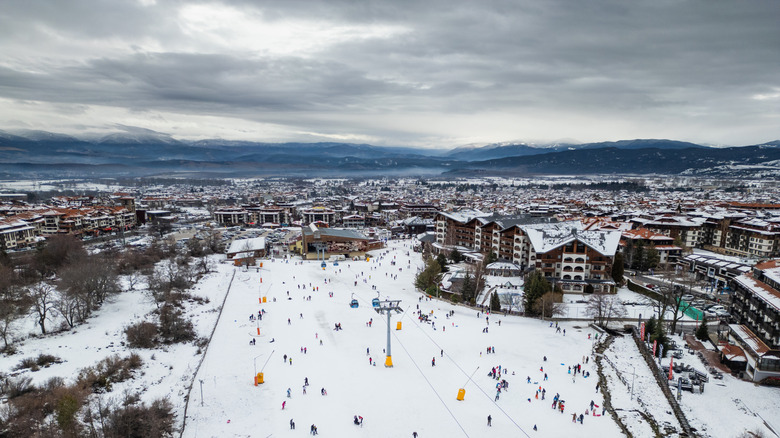
Imagine after months of planning, coordinating with friends and family, and securing all of your gear, you find that your ski trip has everything except for one thing: snow! That's happening more and more frequently around the world as vacationers and tour companies face reduced snowfall in some of the most popular winter destinations on the planet. A phenomenon known as "snow drought" is forcing people to make changes to their winter vacation plans, or cancel them entirely.
For years, northern European destinations have seen the impact of climate change on their slopes. In Switzerland, home to many stunning Alpine villages, ski resorts are having to adapt to warmer winter temperatures. In the United States, tour operators that rely on snow are experiencing cancelations because of the lack of snowfall. In Colorado's Rocky Mountains, snowfall amounts have nearly hit a record low, at the time of writing. Many of Utah's must-visit ski resorts are also being impacted this season.
There's no question that snow droughts are changing the way people travel. However, experts are quick to point out that it could impact much more than just winter tourism. Agriculture and drinking water supplies could suffer if the trend continues, as melting snow is a huge resource of fresh water in communities that rely on the spring thaw each year.
Here's what travelers should know about snow droughts
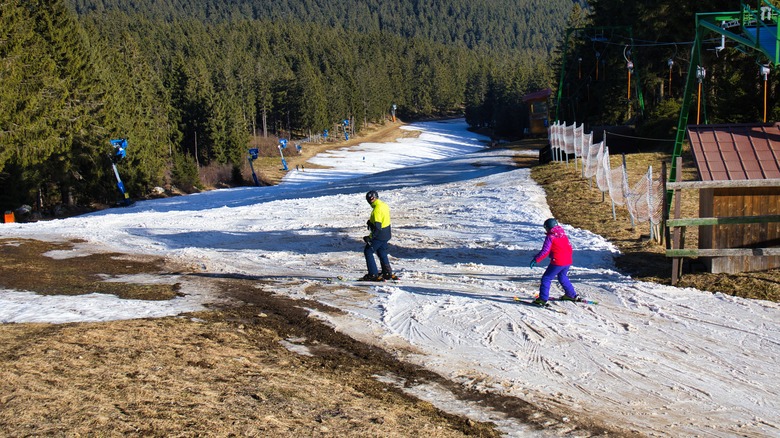
The term snow drought is used to describe both above-average temperatures that prevent falling moisture from freezing and becoming snow, as well as a complete lack of precipitation in the winter. Neither form can spare a winter ski trip without the help of some artificial snow. Thankfully, the vast majority of ski resorts in Europe and North America use snowmaking technology to keep their slopes operational.
Much of the western United States is experiencing a snow drought this ski season. Some meteorologists blame the influx of atmospheric rivers that dumped large amounts of rainfall on the mountains in late 2025. While the rain did cause extensive flooding, it also melted existing snow that had already fallen on the mountains. The warmer weather that followed limited or prevented more snow from forming. In Europe, temperatures are warming faster than the global average. Snow persistence, or the duration and stability of snow, is dropping steadily each year. However, that's not to say that the snow is gone and that all ski holidays are off. Higher altitude locations are receiving more snowfall in some areas, thanks to the increased humidity brought on by rising temperatures. Even with fewer skiing opportunities, Rick Steves recommends visiting Europe in the winter to make the most of your trip.
There are a few ways to ensure that your winter trip can proceed as planned. Experts recommend that you pay close attention to the weather forecast and snow conditions at your destination as your travel dates approach, and make sure that your plans are refundable. It might also be wise to save your ski trip for later in the season for the best possible chances of reliable snowpack and late-winter snowfall.