

How Travelers Can Reduce This Invisible Environmental Impact Of Over-Tourism

Over-tourism goes beyond what most people think it is, and its impacts are not always obvious at first glance. That's why when the term is mentioned, the main things most think of are crowded streets, littered beaches, or even strained local resources. As it turns out, however, it's actually microplastic pollution that's considered one of the most damaging effects of over-tourism. Microplastics are often ignored because, as the name suggests, they're far less visible. Made up of tiny plastic particles that come from broken-down plastic waste, synthetic clothing, and everyday travel items, microplastics have been found in oceans, lakes, soil, wildlife, and even the air we breathe (via National Geographic). All these findings have made microplastics a growing environmental concern — and a major byproduct of over-tourism.
In recent years, over-tourism has become a big problem for some countries. And while the news currently focuses on only a few affected destinations, it's only a matter of time before other countries — including the U.S., home to a long list of beautiful cities — are impacted as well if sustainable measures are not put in place.
The connection between over-tourism and microplastics is straightforward: when more visitors enter a destination, the use of disposable plastics also increases. From plastic water bottles to thousands of microplastic fibers released into wastewater after hotels do their laundry, tourism quietly contributes to microplastic pollution in ways travelers may never see. As a result, some of the world's most visited countries — especially those home to some of the most beautiful islands in the world — stand a higher risk of being affected. Thankfully, there's a quiet solution to curtail this problem: sustainable tourism.
How travelers can reduce the impact of microplastics
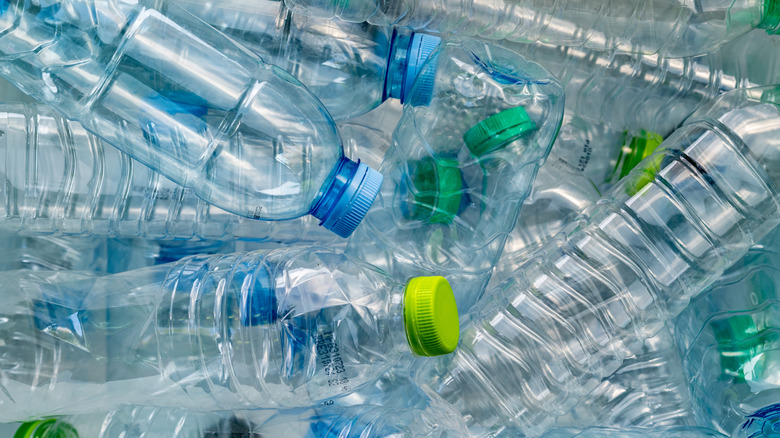
Although it will take more than a single hand to solve the problem of microplastic pollution, there are still little contributions to limit its impact. One of those choices is prioritizing reusable water bottles, shopping bags, and travel containers for toiletries over disposable plastics, which helps reduce plastic waste that can break down into microplastics. In addition, your clothing choices matter, too. Pack garments made with natural fibers like cotton, linen, or even wool. These clothing choices can help reduce microfiber shedding, unlike synthetic fabrics. Also, if you're planning a longer trip, try not to wash your clothes too frequently — and make sure to use laundry bags made to trap microfibers when you do.
Additionally, choosing accommodations and tour operators that prioritize sustainability can go a long way. For instance, some hotels have now limited their use of plastic, improved wastewater management, and work to educate guests about environmental impacts. Although these steps may appear simple, they are vital in curtailing this invisible form of pollution that keeps growing in over-visited destinations.
Overall, as tourism continues to expand, thoughtful travel habits can help protect the places people love to visit. So the next time you're exploring some of the world's most iconic tourist attractions, take steps to protect them by reducing your contribution to microplastic pollution. After all, microplastics may be invisible, but their effects are not — they are harmful and long-lasting.