

11 Wellness Travel Trends That Will Become Popular In 2026
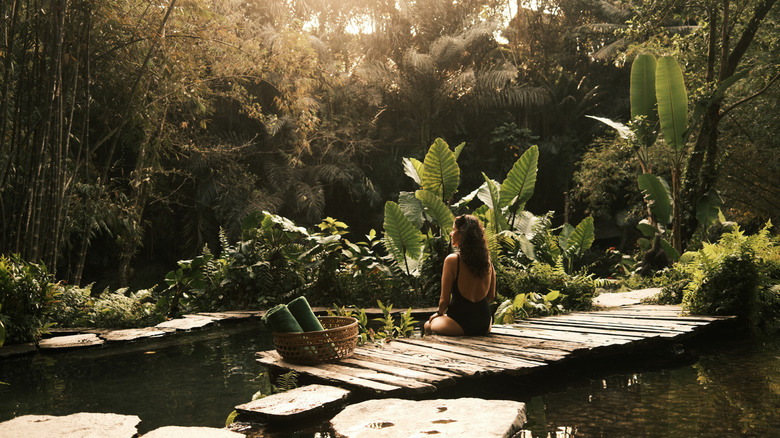
Some of the biggest trend predictions for wellness travel seem intimately tied to our rapidly evolving relationship to technology. As certain trends seek to reverse its effects by escaping into remote wilderness, others opt to shake its robotic rhythms out of our systems. Meanwhile, there are also trends that embrace tech — integrating next-level data wizardry into hyper-personalized treatment plans or customized itineraries. And threaded through all of these is a seemingly endless yet evolving quest for personal meaning. "It's a crazy pendulum: AI and tech on one side; ancient techniques on the other," says Elise Carlin of FINN Travel New York, commenting on a recent report on travel trends.
That tension appears to be hitting a sweet spot and is driving traveler priorities at scale. According to Marriott's 2025 International Traveler Report, 90% of travelers cite wellness offerings as a key factor in their booking decisions — a 10% increase from the previous year. As our findings below reveal, wellness is no longer limited to spas or yoga retreats. Instead, for many travelers, it has become a pursuit that increasingly defines the purpose of travel itself.
The rise of AI-powered wellness treatments
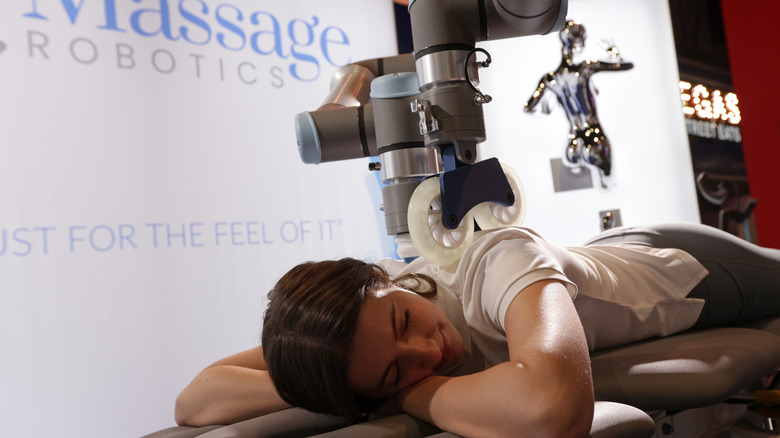
Traditional massage and spa treatments are being supplemented — and, in some cases, replaced — with AI-driven and automated solutions. These approaches promise personalized precision, convenience, and consistency beyond human capacities, alongside a rising confidence in tech-enhanced services that appears to support this shift.
One emerging example is the Aescape AI-powered robot massager, now installed in more than 100 locations and counting — including hotels and wellness spas across the U.S. During a session, robotic arms use sensors to scan a guest's anatomy and deliver customized treatments in real time. The appeal lies not just in automation, but in AI's ability to provide personalized, body-specific care consistently and at scale. This ultimately represents a broader industry trend that's moving toward hyper-automation and customization in wellness settings.
Many experts suggest that such innovations aren't replacements for human therapists, and are actively trying to curb a futuristic fantasy in which all human contact is erased. Human connection, they insist, will remain a core feature of the hospitality industry. "Our industry thrives on empathy, emotional intelligence and the ability to read subtle cues from guests," explains Jennifer Wolfe, a luxury spa owner and AI thought leader writing for Forbes. "While AI can enhance these experiences through data-driven insights, it cannot replace the genuine relationships built between staff and guests."
'Holistic' and 'metaphysics' are the new buzz words for spiritual wellness
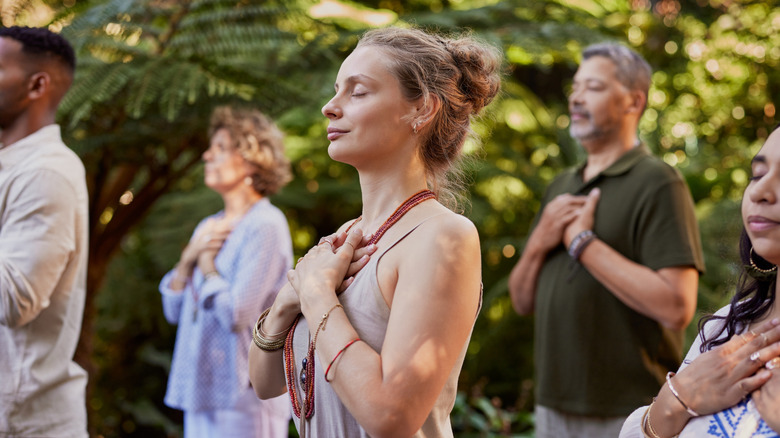
Yoga is arguably the most ubiquitous example of a spiritual practice once viewed as New Age and fringe that has gone mainstream. There are more subtle integrations, too. For example, it's not unusual to see a healing salt lamp tucked into the corner of a massage room — despite a consistent resistance to approaches that were previously deemed too "New Age."
Today, however, there appears to be a renewed interest in wellness that not only integrates but also centers the esoteric and spiritual. A report from Transparency Market Research states that the global spiritual and wellness industry is expected to grow to $9.6 billion by the end of 2034. Rather than calling it New Age, many in the wellness industry are using new terms. "Metaphysics," for example, is a word whose opaque meaning itself gestures toward the intangible, spiritual aspects of wellness — and has been adapted as a modern umbrella for spiritual, energetic, and intuitive wellness practices. Similarly, the term "holistic wellness" refers to the integration of body, mind, and spirit.
As a result, travel wellness itineraries — like the one available at Enchantment, a luxurious Arizona resort tucked away in Boynton Canyon — now regularly include activities such as chakra balancing sessions, tarot or astrology consultations, crystal healing, and energy work. There's even a burgeoning overlap within the spiritual wellness industry between concepts drawn from quantum physics and healing therapies. For travelers burned out on productivity-driven wellness, this metaphysical framing signals permission to explore spirituality, mental health, and personal meaning.
The stars are literally aligning to give astrotourism a boost
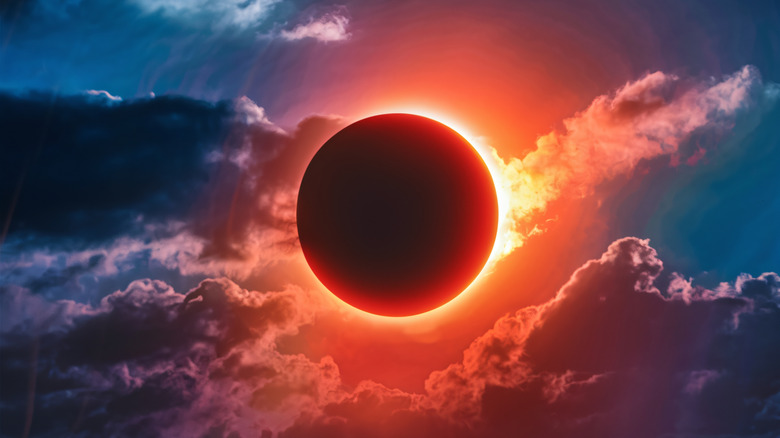
The year 2026 marks the beginning of a rare multi-year period featuring three major solar eclipses, or what astronomers are calling a "double eclipse cascade." As a result, these celestial events are driving demand for astrotourism, which increasing scientific research suggests can be good for your health. Specifically, witnessing an eclipse combines several elements that research shows boost mental health: spending time immersed in natural environments, experiencing darkness, and feeling a sense of awe.
Eclipse tour packages have been springing up all along the so-called "path of totality" — the geographic region from which the eclipse will be visible. In August 2026, the path of totality is projected to cross through parts of the Atlantic and Arctic Oceans, Greenland, Iceland, and Spain. Iceland's official tourism office has created a special website for travelers, featuring an eclipse countdown and detailed information on the best viewing locations. Similarly, dozens of tour operators are taking to the seas, offering cruise packages in which travelers can view the eclipse while sailing across the Atlantic and Arctic Oceans. Some even offer daily astronomy lectures on board led by experts.
Many 2026 eclipse experiences have already sold out. Yet, there are still tons of other destinations — including non-eclipse-specific trips — that are part of the broader astrotourism trend. For example, Broughton Sanctuary offers guided starbathing meditations in which participants recline in Victorian clawfoot bathtubs set within the Yorkshire Dales National Park. In South Africa, Bliss & Stars offers guided stargazing, night hikes, access to state-of-the-art telescopes, and what it describes as "a multisensory exploration of the universe."
Connecting to wildlife takes priority over nature immersion
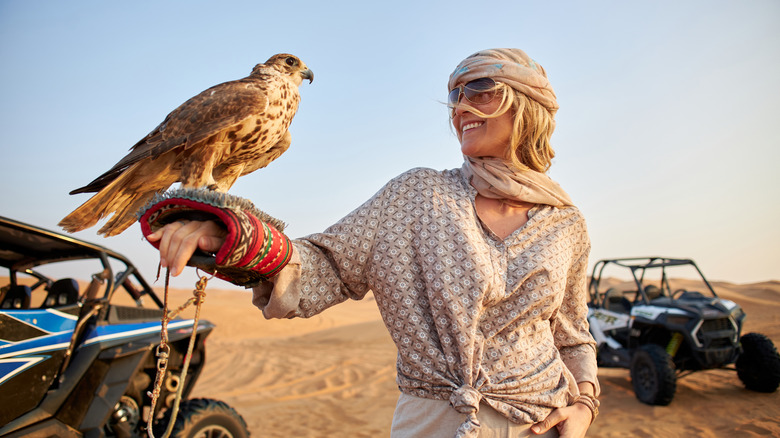
Connecting with nature is taking on a whole new look this year. Modern travelers aren't satisfied with mere nature immersion experiences like "forest bathing," and evidence suggests that they want to actually climb up to the forest canopy and swing alongside the monkeys they're observing (without physical interaction).
This trend is highly visible in Africa — a continent known for its wildlife — where the wellness tourism market is projected to grow to $114.24 billion by 2029 (via BizzCommunity). According to The Spa Trends Report 2026, Tanzania is the top destination for spa lovers and has seen a 194% increase in demand compared to the previous year. Rwanda came in second place. Safari operators are also leaning in, particularly with the emergence of what some are calling the "wellness safari."
For example, Artisans of Safari offers intimate, women-only wellness safaris in Tanzania at the prestigious Chem Chem Lodge, which emphasizes a "Slow Safari" ethos. In addition to daily yoga and meditation, activities include a guided walk with a Maasai tracker and meetings with local women who are leading wildlife conservation efforts. Food & Body, a tour operator based in Australia, offers clients yoga safari tours in Zambia that mix daily yoga and meditation led by experienced instructors in "pristine wilderness teeming with wildlife." As evidenced by these offerings, wellness safaris strive to go beyond the traditional model of merely having a spa at the safari lodge, instead offering wrap-around experiences that prioritize deep connection and close encounters with the wilderness.
TikTok as a wellness travel guide, influencers as companions
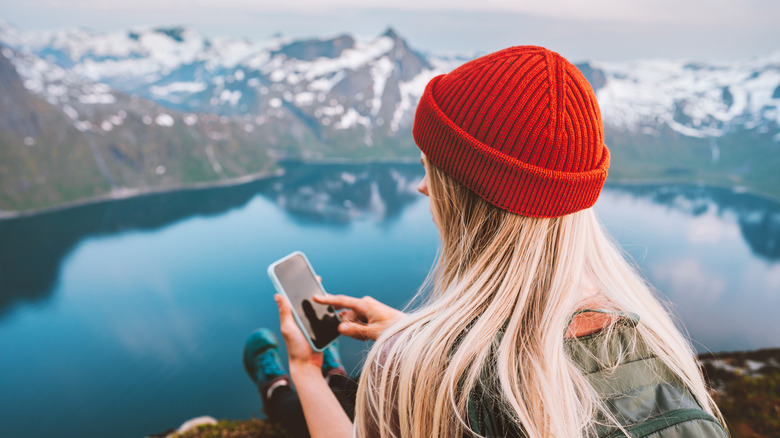
According to a recent survey by Marketing Dive, two-thirds of Gen Z travelers admit that they use social media to inspire their travel plans. As an answer to this growing demand, TikTok launched a new marketing feature called Travel Ads in August 2025, which is specifically designed to lead users from travel inspiration content directly to booking opportunities. "Social media used to be a muse for future travels," explains Going travel expert Katy Nastro, in conversation with Travel Agent Central. "Now inspiration becomes reality in one click."
Add to this a growing number of globe-trotting wellness influencers who are actively curating experiences for their followers, inviting them to travel to inspiring destinations around the world to connect and rest together, and further blurring the line between content, community, and commerce. In fact, some travel companies are even starting to market their sites as venues for influencers to host wellness retreats, such as the Lunita Jungle Retreat in Mexico.
Nowadays, many wellness travel trends get their start with viral social media content. Examples of this include the #softtravel trend, which focuses on slow, immersive, and long-duration travel to compensate for overwork and burnout. Another TikTok trend has been driving travel to places like Bali and Thailand, where traditional, local purification ceremonies promise to leave visitors' minds and bodies cleansed. However, many of these viral destinations often experience challenges due to sudden, skyrocketing tourism, and trend promoters often downplay or entirely omit some of the relevant risks of participating in health and wellness trends.
Beauty culture is shaping treatments and destination choices
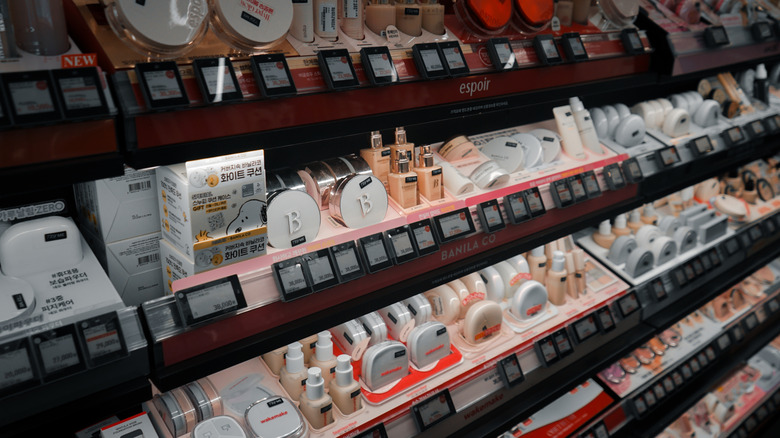
According to a travel trends report by Booking.com, travelers this year are increasingly prioritizing skin care — positioning it as a central motivation for wellness travel. In fact, the platform's 2026 travel predictions point to the rise of so-called "glow-cations," or trips designed around improving skin health through tailored treatments, environments, and routines.
Several forces may be driving this shift. First, there's the likelihood that travelers may be tuning in to more news about how pollution, sun exposure, and long-haul flights affect their skin. In addition, a recent study by Dermatology Times also highlights that social media has helped normalize more advanced skincare knowledge and routines. Data from McKinsey & Company also show that Gen Z places a higher value on skin and hair care than older generations. In response, spas and wellness hotels are expanding their menus beyond traditional facials.
One big trend that's expected to rise is the use of advanced skincare technology. The broader wellness industry is moving toward personalization and measurable outcomes, and the companies behind these technologies claim they can provide exactly that. Some luxury spas are already offering clients AI-powered skin analyses that use photo imaging to assess skin health, offer evaluations
, and create customized treatment plans. Beyond that, beauty culture itself is also shaping destination choice. For example, the viral rise of K-Beauty on social media, as well as Seoul's reputation for cutting-edge skincare, may be driving increased travel to South Korea. So much so that many travelers plan entire trips around dermatology clinics, non-invasive facial treatments, personalized beauty consultations, and visits to renowned local retailers.
Integrating rhythm & sound into rituals for renewal
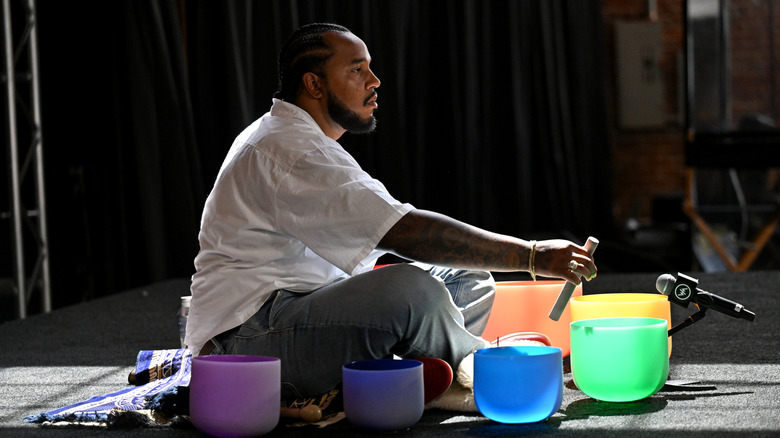
From sound baths to live DJ sets for ecstatic dancing, rhythm and sound are becoming central features of today's wellness travel market. This is a stark departure from the silent meditation retreats that once dominated the category. Over the last few years, these types of offerings have been increasingly present in spas and hotels, including Phoenix's floating sound bath experience. Now, major global luxury brands are also adopting the approach — signaling that the centrality of rhythm and sound in wellness programming is here to stay.
In 2024, upscale hospitality brand Six Senses started offering sound healing therapies across 27 of its properties. More luxury destination brands followed suit. Grand Velas Los Cabos, a AAA Five Diamond resort, announced the launch of an immersive aquatic sound healing experience for its guests. Similarly, luxury cruise line operator Explora Journeys announced two new ocean retreats dedicated exclusively to wellness, which will include holistic sound and movement offerings.
This isn't just a passing trend, though. Many cultures around the world integrate sound and music into their healing practices, and science is only just starting to catch up. For example, studies suggest that the ancient Tibetan and Buddhist practice of using singing bowls may improve heart rate and blood pressure. Other studies show evidence supporting the general idea that music is healing.
All eyes are on Asia's wellness destinations
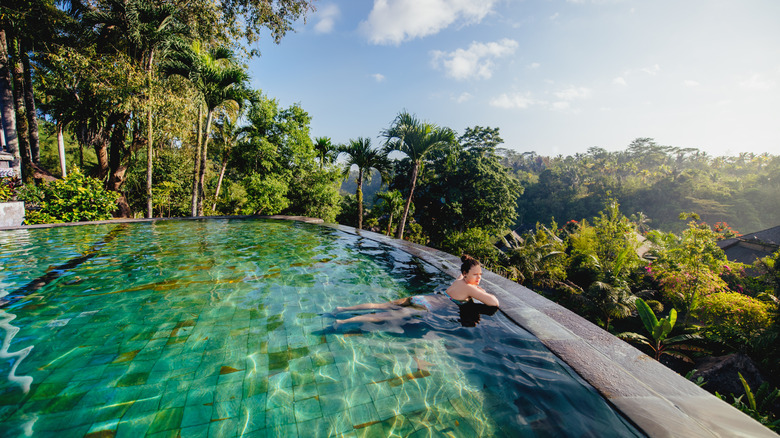
Data suggests that Asia will continue to dominate as a premier region for wellness travel. This isn't surprising, given the region's diverse cultures, deep healing traditions, rejuvenating natural landscapes, and spa offerings. Per Marriott's 2025 International Traveler Report, "Asia is the top destination of choice, with 67% of wellness-minded travelers planning their trips within the region." In addition, half of the top 10 destinations among spa lovers in 2025 are located in Asia, according to SpaSeekers.com.
Specifically, Bali has emerged as the top wellness destination in 2025, with Thailand and Japan not far behind. Offering a varied mix that includes yoga, clean-eating retreats, and spiritual practices woven into lush landscapes, Indonesia continues to attract wellness travelers at scale. Meanwhile, Thailand remains a consistent favorite with holistic well-being offerings such as Thai massage, meditation, and nature immersion. Finally, Japan has also sustained popularity for wellness seekers. Its centuries-old onsen culture and forest-bathing practices were recently highlighted in a Book Retreats report, naming it the No. 2 wellness destination in the world.
However, Asia's wellness appeal is not limited to its most established destinations. Other rising hotspots include Vietnam — where spa and holistic resorts are gaining attention — and China, with its viral all-night mega-spas that feature baths and saunas alongside non-stop entertainment and are drawing increasing numbers of visitors. Overall, these destinations underscore Asia's appeal for travelers seeking renewal in 2026.
Travelers seeking to boost immunity turn to vitamin IV drips
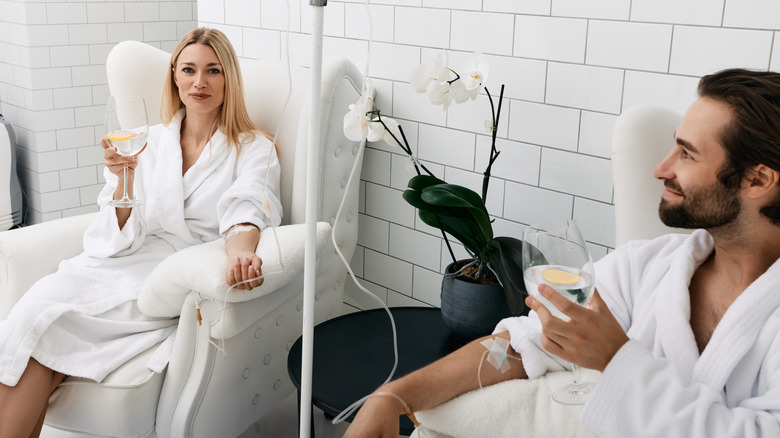
A growing number of wellness providers are promoting intravenous (IV) vitamin drips that they claim can boost immunity, energy, and recovery before, during, and after travel. Vogue Arabia reports that more travelers are booking antioxidant IV drips prior to departure as part of "prejuvination," a trend in which they seek to boost their health in preparation for upcoming trips. Clinics offering this treatment are springing up in popular destinations around the world and are part of a rapidly expanding market that's expected to reach $5.66 billion by 2033 (via Grand View Research).
Reviv, for example, is an IV drip company that offers its services at 108 locations including in North America, Europe, the Middle East, the Caribbean, and Asia. In addition to retail locations, it also offers mobile clinic services that bring treatments directly to clients. These services advertise treatments designed to deliver high doses of vitamins, minerals, and antioxidants directly into the bloodstream.
However, medical experts recommend caution. One recent study found that many IV hydration spas operate with little regulatory oversight to ensure patient safety, despite reports of adverse reactions. "Nearly all sites made claims about their services, most commonly related to boosting energy, supporting the immune system, and antiaging, yet very few provided evidence to support these claims ... There is currently a lack of any evidence that IV hydration spas improve health," the report reads.
Psilocybin and cannabis are gaining visibility
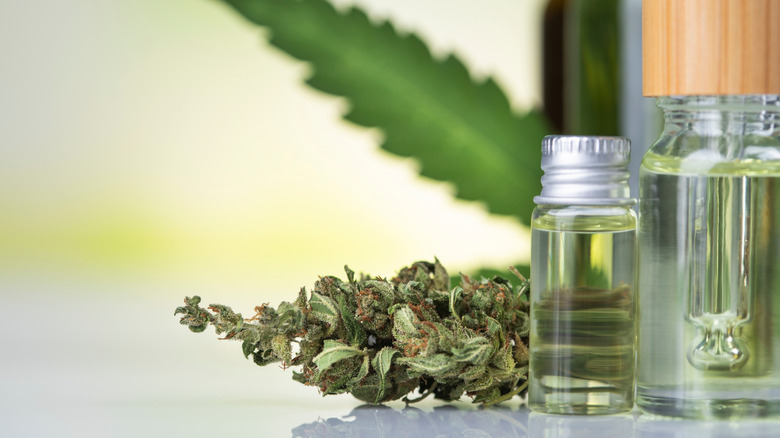
Luxury psychedelic retreats that feature psilocybin have moved from fringe offerings to sought-after transformational travel experiences, and destinations where legal frameworks permit them may see an increase in popularity in 2026. For example, experiences like those offered by Beckley Retreats combine psilocybin with meditation, breathwork, and therapy in scenic settings like Jamaica and the Netherlands, and are gaining traction as part of a growing market. In fact, a report by SNS Insider predicts that the global psychedelic market will reach $10.11 billion by 2032 — citing advances in medical science and the legal regulation of its healing applications as key drivers in this forecast.
Meanwhile, Yahoo Finance reported in mid-2025 that "cannabis tourism is emerging as a lucrative niche in the travel industry, driven by the legalization of recreational marijuana in key destinations worldwide." As part of this broader shift, resorts in markets like Asia and Latin America are starting to offer an expanding buffet of cannabis-infused experiences — such as cooking classes, beach walks, yoga, and breathwork — that reflect a shift toward thoughtful integration of cannabis into hospitality.
At the same time, however, medical experts urge caution. While early research suggests potential therapeutic benefits, long-term data on the psychological and physiological effects of these approaches to wellness remain limited (via UCLA Health). This is especially true outside of controlled clinical settings. Similarly, researchers note that outcomes can vary widely depending on dosage, individual mental health history, and the presence or absence of professional supervision.
Gen Z is shifting toward sober experiences
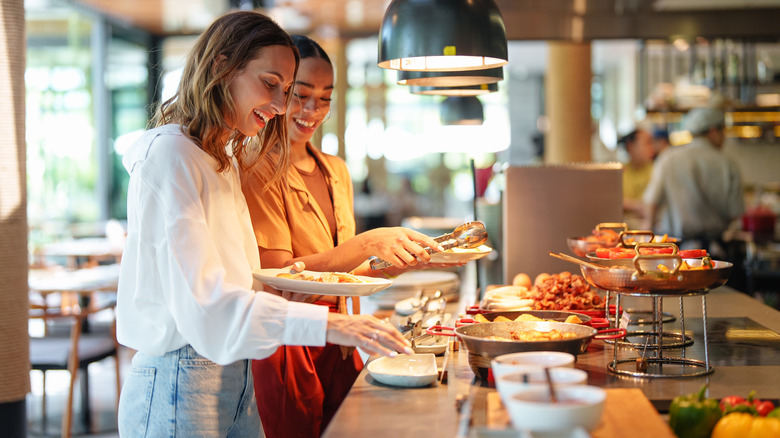
Travel preferences among Gen Z are reshaping the tourism industry with a noticeable shift toward alcohol-free experiences. According to Flight Centre Travel Group's 2024 State of Student and Youth Travel Report, 83% of Gen Z travelers are open to booze-free vacations, suggesting this is a generation that prioritizes safety, wellness, and meaningful engagement. And that trend is likely to take off in 2026.
For example, cruise lines are introducing mocktail menus for sober travelers, and global tour operators like Contiki have announced "Sober Curious" itineraries across Britain and Ireland. These trips omit alcohol-oriented activities and focus on a diverse list of cultural, historical, and social experiences. "The data doesn't lie. Young travellers are not only drinking less in general, but are also increasingly curious as to what a completely sober travel experience would look like," explained Contiki CEO Adam Armstrong to Travel Market Report.
Culturally drier regions may also become increasingly attractive wellness destinations. FINN Partners notes that the Middle East is already ahead of the curve, with many resorts reframing their limited or alcohol-free policies. Rather than positioning these regulations solely as reflections of cultural or religious norms, properties are emphasizing them as intentional choices designed to support healthier, more balanced environments for guests.
Methodology
To anticipate wellness travel trends in 2026, we conducted a systematic search for both quantitative and qualitative data across multiple credible sources. This involved reviewing major travel and wellness market studies published in 2025 by established research and reporting agencies, including industry surveys and wellness travel market analyses. Along with this, we also consulted leading travel and lifestyle outlets such as Forbes, National Geographic, Travel Weekly, and Condé Nast Traveler, among others, for expert commentary, trend narratives, and destination examples. All of this eventually helped contextualize quantitative findings and illustrate emerging patterns in wellness travel.