

The Best Winter Destinations In California For A Weekend Getaway, According To Visitors
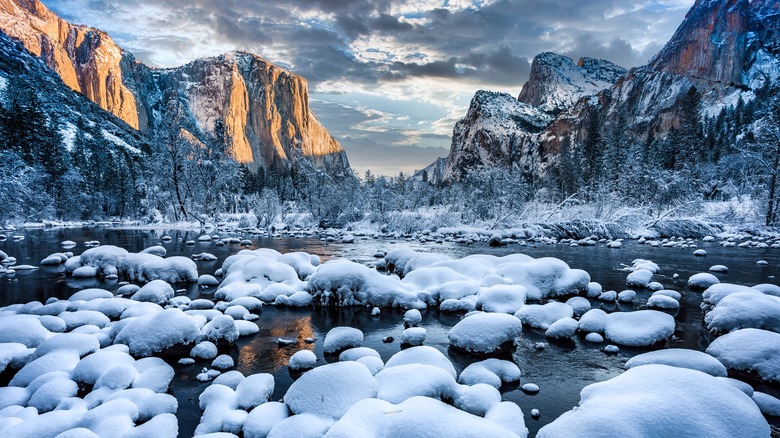
Visions of California often evoke summery scenes of busy beaches, festivals, and outdoor experiences of all kinds. After all, summer is the peak season for a number of regions in California, such as Napa Valley, where farm-fresh food and local wines make for amazing tasting experiences. Lake Tahoe, perched high in the Sierra Nevada Mountain Range, hums with activity in the summer as visitors flock to enjoy the lake's crystal-clear waters and top-notch resort experiences. Even though many California hot spots are ideal for visiting in the summer, don't discount winter when it comes to epic adventures at the state's nine national parks, charming small-town experiences, and all-around cozy vibes. Plus, if you'd prefer to avoid the scorching heat, some places are much more comfortable to visit between December and March.
Weekend trips allow you to get away for long enough to really unplug, while also being more affordable than longer vacations. However, keep in mind that California spans more than 1,000 miles from north to south and 560 miles from east to west, so driving can become quite time-consuming given its size. For example, cruising from San Francisco to Los Angeles would take six to seven hours without stops. So, when it comes to weekend trips in the Golden State, it is important to be strategic about the places you plan to visit. Winter is a prime time to plan a getaway, and below you'll find 11 places around California that make the most of the season.
Lake Tahoe
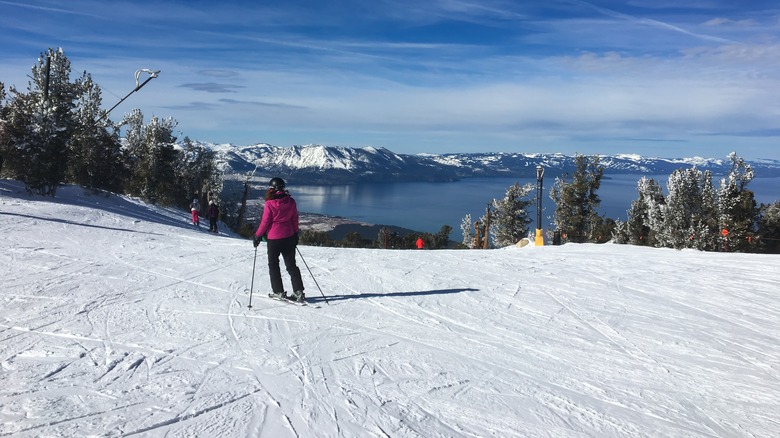
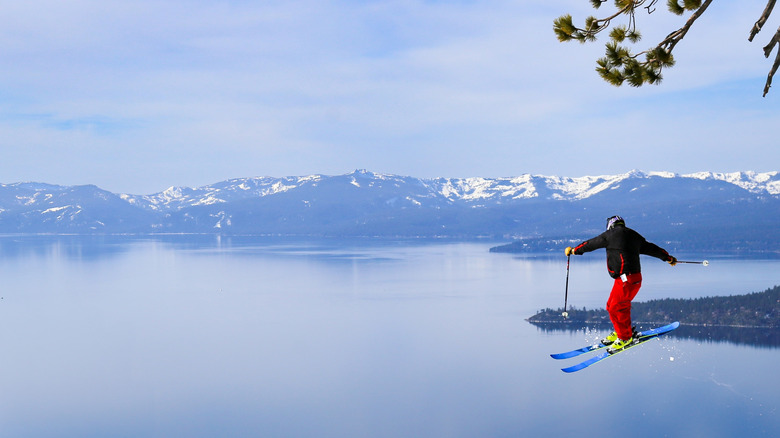
A mecca for skiing and mountain lodges, Lake Tahoe is just as much of a stunner in the winter as it is in the summer. Outdoor recreation is this area's main attraction, with a wealth of opportunities for downhill and cross-country skiing, snowboarding, and snowmobiling. The kids will love soaring down the groomed tubing lanes at Tube Tahoe. Heavenly Village in South Lake Tahoe is a lively, charming destination with numerous shops, eateries, an old-time photo studio, cinema, ice skating, and more.
Around Lake Tahoe, you'll be spoiled for choice for comfy and luxurious places to stay. The area is home to a number of world-class ski resorts, and its best-kept secret is a community-owned resort with uncrowded slopes. Heavenly, for one, serves up amazing lake views and 4,800 acres of skiable terrain, and Northstar offers a wide range of upscale accommodations that put the "lodge" in lodging. Kirkwood is a more remote option with great powder that requires a bit more effort to reach, but the trek is worth it. And of course, the aprés-ski vibes are worth immersing yourself in, whether you're a skier or not. Beer is big in South Lake Tahoe, with a number of breweries, taprooms, and restaurants serving top-notch pours and bites. After a long day of winter fun, nothing beats curling up with a drink by the outdoor fire pit at South of North Brewing Co. or Jimmy's at the Landing.
Mammoth Lakes
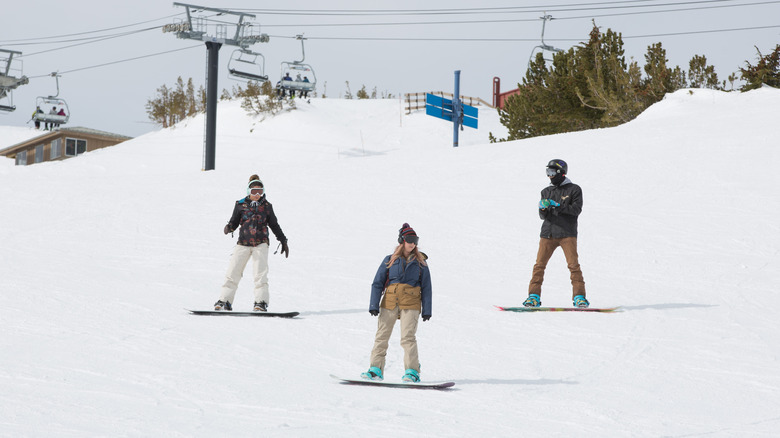
Located just west of US Highway 395, southeast of Yosemite National Park, Mammoth Lakes is a beautiful "year-round adventureland" resort town in the Eastern Sierra. At about five hours from both Sacramento and Las Vegas by car, it requires a bit of an early start for a weekend jaunt, but if skiing is what you seek, look no further. This destination is worth the trip for those seeking fresh, deep powder, as it receives hundreds of inches of snow each winter — Mammoth Mountain Resort, in particular, averages well over 300 inches annually. This huge skiing destination boasts 180 trails and 25 lifts, plus two terrain parks with more than 80 features.
Mammoth Lakes' free trolley system runs all winter long, making it easy to get around. If you're in the area to ski as much as you possibly can, stay at the Main Lodge, which offers the easiest access to the slopes. A number of other lodges, chain hotels, condos, and bed and breakfasts are located both in the heart of the action at Mammoth Village and tucked away in quieter areas like Old Mammoth.
A series of natural hot springs near Mammoth Lakes, such as Wild Willy's, can be accessed in the summer and are often pretty busy. In winter, when the local roads close due to snow, the springs continue to gurgle amid their powdery surrounds and become destinations for more adventurous hikers and snowshoers on sunny days. A number of springs are located near Benton Crossing Road, just west of Mammoth Lakes, off of Highway 395.
Solvang
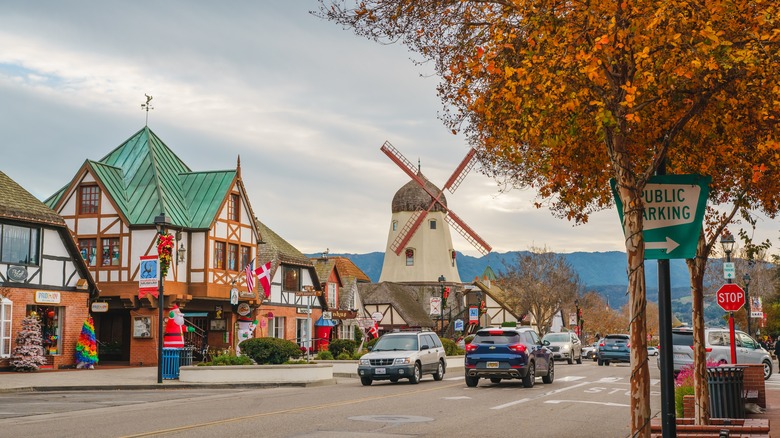
Topping USA Today's 10Best Reader's Choice Awards for "Best Small Towns in the West," Solvang is a true gem nestled in the Santa Ynez Valley just 45 minutes northwest of Santa Barbara. But it's not just any small town — it's a true taste of Europe. Meaning "sunny fields" in Danish, Solvang was founded in 1911 by Danish settlers who sought better farming opportunities. Less than three hours northwest of Los Angeles by car, it makes for an amazing weekend escape, especially if you want to feel as though you've traveled much, much farther.
Coinciding with its European theme, Solvang's winter market is a splendid way to soak up holiday cheer. Julefest typically kicks off in late November and runs through early January, with light installations, a weekly maker's market next to the town's farmer's market, weekend carolers, and a slew of other events.
No matter what time of year you visit, you'll discover old-world charm and experience the lively feel of Denmark wherever you turn in this little fairytale town. That includes a traditional windmill, half-timber buildings, numerous themed restaurants, and a Hans Christian Andersen Museum. Check into Wine Valley Inn & Cottages for ample cozy vibes and a spa.
Napa Valley and Sonoma Valley

When you think of wine country, you probably think verdant summertime vineyards and warm, sunny days. But would you guess that winter is also a splendid time to visit? In Sonoma Valley and neighboring Napa Valley, a famous wine-growing region in Northern California known for its luxurious stays and upscale wineries, winter is the best time to take advantage of low-season hotel rates. The days are relatively mild, with Fahrenheit temperatures in the mid-50s throughout January, February, and March, and plenty of daytime sunshine. While evening lows can dip just below freezing, it's the perfect time to cozy up next to a fireplace or make the most of the region's outstanding restaurants. In fact, January is Restaurant Month in Napa Valley, during which dozens of participating restaurants offer special promotions.
Winter is also a great time to take advantage of spa resorts, such as the award-winning Meadowood in St. Helena or Golden Haven in Calistoga. These resorts, among many others in the region, offer luxury accommodations that promote rest and rejuvenation. Winter is considered the off-season in Sonoma and Napa alike, but visitors still have access to tours and less-crowded tasting experience. Many wineries offer tastings by reservation, so it's best to plan your winery visits ahead of time.
Palm Springs
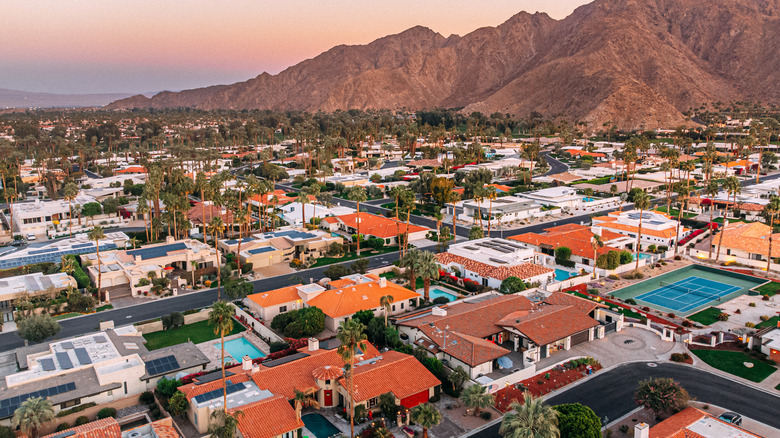
A southern California gem famous for its mid-century modern architecture, Palm Springs is a desert destination that really hits its mark in the winter. Just over two hours east of Los Angeles by car, it's a very doable weekend getaway destination. Palm Springs, and the Coachella Valley in which it sits, enjoy much more comfortable temperatures in the winter compared to the intense heat of summer. The area gets plenty of sunshine and highs of 75 degrees Fahrenheit during December, January, and February, and chilly temperatures after the sun goes down. Hike along more than 50 miles of trails at Mount San Jacinto State Park, or take a swing at one of the countless championship-level golf courses in the area. If retail therapy is on your agenda, don't miss Palm Springs' vintage shopping row brimming with fab finds.
Palm Springs makes for a perfect romantic getaway, a fun escape with friends, or a memorable trip for the whole family. Kids will love the Palm Springs Aerial Tramway, a 10-minute ride that conveys passengers from the desert to an alpine landing area called Mountain Station, which sits at an altitude of 8,516 feet. At the top, you can dine at one of two restaurants, take in jaw-dropping views, wander through a natural history museum, and even camp overnight. Just remember to pack extra layers, as there's typically about a 30-degree temperature difference between the valley and the peak.
Joshua Tree National Park
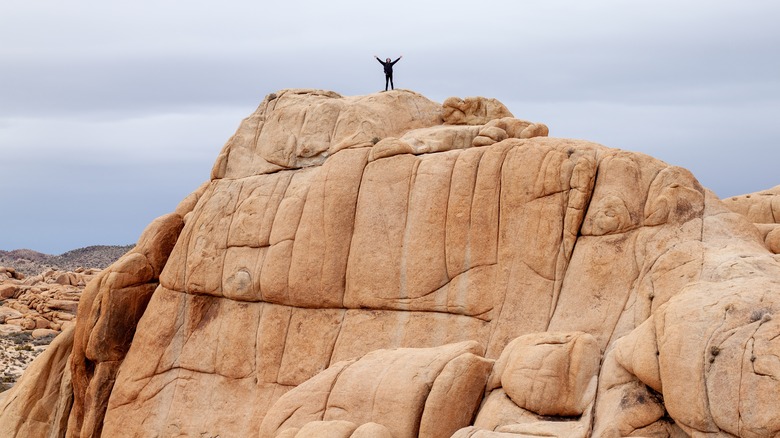
Located 140 miles east of Los Angeles and 175 northeast of San Diego, Joshua Tree National Park preserves one of the most impressive desert landscapes in the country. Spring and autumn are popular times to visit due to warm days and mild nights, but winter is no less beautiful if you don't mind average daily highs of about 60 degrees Fahrenheit. Overnight temperatures typically dip to freezing or slightly below, but camping is definitely still an option if you have the right equipment. If you plan to spend a weekend in the park, your best bet is to book a campsite in advance to avoid disappointment. There are also plenty of lodging options outside of the park boundary in communities like Joshua Tree, Twentynine Palms, Yucca Valley on the northern side, and Palm Springs and Palm Desert on the southern side.
Joshua Tree, sometimes referred to as Joshua Tree City to distinguish it from the park itself, is one of the best destinations for first-time visitors due to its easy access to the national park's west entrance, but it's also brimming with its own charming, trendy vibes. As for accommodations, Hicksville Trailer Palace is a truly funky destination with a fleet of vintage campers and on-site activities. For something more sophisticated, the area is home to beautiful casita rentals that offer privacy and understated elegance with views of the surrounding desert.
Arcata and Eureka
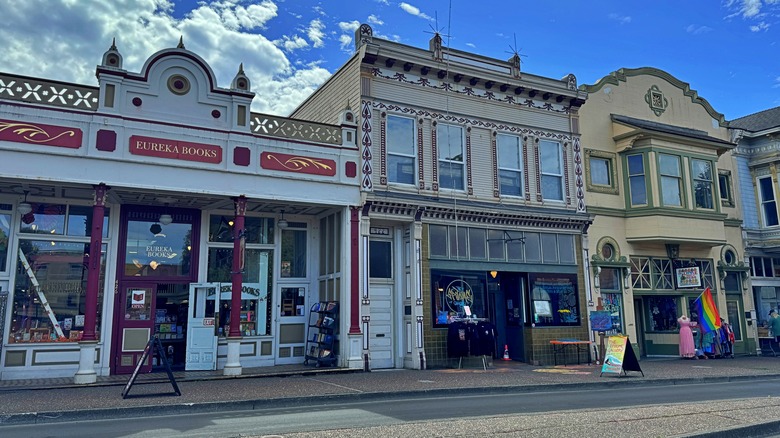
If you're craving Pacific Northwest vibes like atmospheric forests and rugged coastlines, look no further than Eureka and its nearby northern neighbor Arcata, a coastal California town framed by redwoods with bohemian buzz. About five hours north of San Francisco via Highway 101, coastal Humboldt County may be a bit too far for a quick escape from the city, but if you have time to make the trip, it's the perfect hub for a couple days of relaxation in NorCal.
Arcata is a nature-lover's oasis, with nearly 800 acres of redwood trees in the Arcata Community Forest, a stunning protected area full of multi-use trails. The understatedly beautiful Arcata Marsh & Wildlife Sanctuary is ideal for birdwatching, with recorded sightings of over 300 bird species. Settle in at a local spot like Front Porch Inn, home to modern-meets-rustic cottages and guest suites that are ideal for unwinding.
Historic Eureka, located north of Arcata on the opposite side of the scenic Arcata Bay, brims with Victorian architecture and funky eateries. Grab a brewski and a great bite at Lost Coast Brewery & Café, and snap a photo of the iconic Carson Mansion, built in 1885. There's only a 10-minute drive between the two cities, making it a cinch to visit and enjoy the best of both.
Mendocino
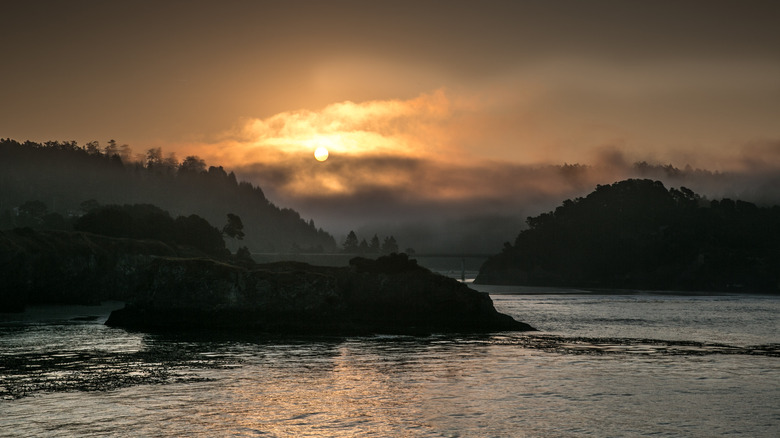
Situated right on the coast along the iconic California State Route 1, known also as the Pacific Coast Highway, Mendocino is a scenic gem with panoramic views. It's also a great year-round destination with mild temperatures and coastal character, where cozy inns and bed and breakfasts seem all the more inviting in the winter. The town brims with postcard-worthy historic architecture, and many 19th-century houses have been transformed into luxurious accommodations. Among many options for lodging, check into the oceanfront Sea Rock Inn, or cozy up at MacCallum House for charming suites and cottages. The pet-friendly boutique hotel has converted a historic barn into beautifully appointed rooms with river stone fireplaces, saunas, hot tubs, and ocean views.
Nature-lovers are in luck when it comes to stunning coastline views and whale watching in Mendocino. Thousands of gray whales migrate south from Alaska toward Baja, Mexico between November and April, and one of the best spots to see them is at Mendocino Headlands State Park, which hugs the town on a rugged peninsula. Trails, beaches, and bluffs characterize this amazing spot, with an elevation high enough to get a glimpse of the whales as they breach and spout. Don't forget your binoculars!
Big Bear
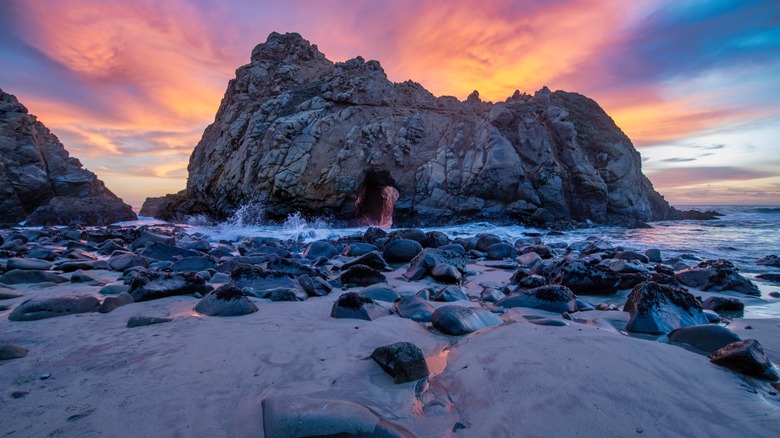
For those in Southern California, it's thankfully not necessary to trek all the way up to the High Sierra for epic skiing and snowboarding in the Golden State. Big Bear Lake, located just two hours east of Los Angeles and about three hours north of San Diego, is especially inviting in the winter when the San Bernardino Mountains are covered in snow. Big Bear Mountain Resort is the primary go-to for hitting the slopes, and it doesn't disappoint with a total of three mountains — Snow Valley, Snow Summit, and Bear Mountain — and more than 80 trails across them all. There's also fun for all ages with snow tubing areas at Big Bear Snow Play, Coyote Creek Tube Park, and the Alpine Slide at Magic Mountain.
Even if you don't plan to take to the slopes or terrain parks, Big Bear Lake is ideal for hiking, snowshoeing, and simply slowing down. Visit the Big Bear Alpine Zoo to see and learn about a wide range of big cats, bears, foxes, birds, snakes, and more. Big Bear Lake's alpine-themed village is bursting with live music and boutique shopping, along with a range of dining options and other entertainment. Hit the lanes at The Bowling Barn, test your aim at Yosemite Axe Throwing, catch a movie at the cinema, or enjoy good grub and tunes at Village Sports Bar.
Yosemite National Park

Yosemite National Park, named after its iconic valley in the High Sierra, is another locale that's a bit of a trek from major urban hubs, but don't let that deter you. The journey is about three hours southeast of Sacramento and another half-hour longer from San Francisco, but it's the kind of weekend trip that will make you feel as though you've been transported to another world. Wintertime brings solitude and snowy views to Yosemite, perfect for a cozy stay at Yosemite Valley Lodge or The Ahwahnee, the park's two year-round lodges.
Yosemite Valley and Wawona are accessible all year, although Tioga Road closes in the winter months due to snowfall, limiting some access. Drivers are required to carry tire chains due to slippery conditions, and these requirements are enforced. However, they may not be needed if you're entering the park through Mariposa on Highway 140. If you'd prefer to leave the driving to someone else, take the daily Yosemite Area Regional Transportation System (YARTS) bus into the park from surrounding cities. If you're hoping to ski or snowboard, head to the Badger Pass Ski Area, complete with epic slopes, fast lifts, rentals, and lessons, as well as groomed cross-country trails and downhill tubing. In mid to late February, don't miss the opportunity to see Horsetail Fall transform into a "firefall" at sunset, when the waterfall illuminates with the last light of the day and appears to cascade in flames.
Death Valley National Park
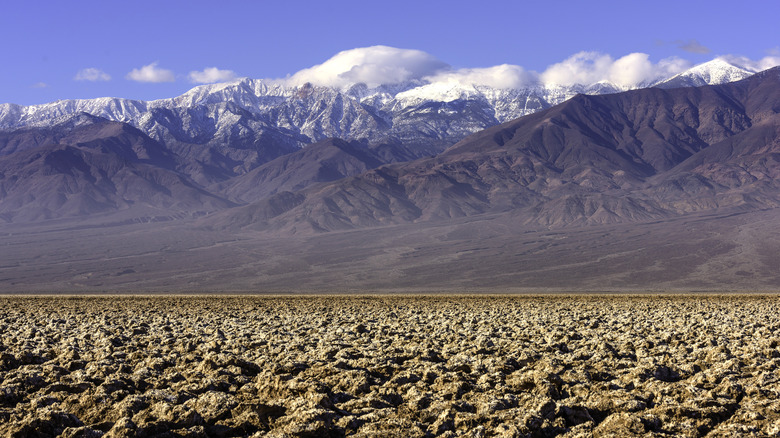
If cold weather and snow is exactly what you're trying to escape, look no further than the hottest, driest place on Earth: Death Valley National Park. Fortunately, winter is when Death Valley is the most comfortable, making it an ideal time to visit. Temperatures are mild during the day, averaging at around 55 degrees Fahrenheit in January and around 75 degrees Fahrenheit in March. Overnight temperatures only reach freezing occasionally. Death Valley National Park is located in the Mojave Desert of Eastern California, over four hours from Los Angeles and only about two hours west of Las Vegas by car. With a park boundary spanning more than 3.4 million acres — 93% of which comprises the largest designated wilderness area in the contiguous United States — there's an incredible breadth of outdoor adventures to experience here. A weekend trip still offers plenty of time to see some of the area's best gems.
Artists Drive is a must-see one-way scenic drive through the park, leading you to the otherworldly Artists Palette, a unique and colorful natural landscape composed of volcanic deposits. Badwater Basin, a surreal expanse of salt flats that also happens to be the lowest point in North America, is also easily accessible. Zabriskie Point, reachable in 15 minutes from the Furnace Creek Visitor Center, is a spectacular place to catch the sunrise and sunset with its panoramic views over Manly Beacon and the badlands.
Methodology
California is known for its vast size, ecological diversity, and wide array of both natural and cultural attractions. This variety allows for virtually endless exploration all year-round, and there's truly something for everyone when it comes to weekend getaways. In the winter, California's desert expanses and coastal stretches may be less crowded, but its mountain ranges and ski resorts undoubtedly become busier. We made sure to include both the popular winter hubs and underrated off-season gems for those who prefer a quieter escape. This guide also includes destinations in all corners of the Golden State, with accessible weekend getaway options from a variety of big cities.
In addition to the author's personal experience both living and traveling in California, this guide draws from a variety of reputable sources, including regional tourism boards such as VisitCalifornia.com, VisitLakeTahoe.com, SolvangUSA.com, NapaValley.com, SonomaCounty.com, VisitPalmSprings.com, Yosemite.com, TravelYosemite.com, and BigBear.com. Location-specific information for visitors, such as seasonal offerings, opening hours, and surrounding attractions, were taken from Snow.com, USAToday 10Best, PalmSpringsGolfVacations.com, Parks.CA.gov, and NPS.gov. Finally, countless reviews from visitors on Tripadvisor and Google Reviews, as well as discussions on Reddit, were used to ensure that each destination is popular and widely recommended by visitors and locals.