
The Safest Countries In The World To Visit In 2026, According To Berkshire Hathaway Travel Protection
Whether you're traveling solo or with your family, the biggest concerns on any trip often revolve around safety. How much of an issue is pickpocketing in certain cities? How politically stable is the nation you're interested in visiting? There are many things to consider, from social unrest to crimes that affect travelers. Fortunately, plenty of resources exist that can help you plan a safe vacation.
Since 2018, an annual report published by Berkshire Hathaway Travel Protection (BHTP) lists the 15 safest countries in the world to visit. In addition to conducting a large survey of American travelers, the report draws on data from the Global Peace Index (GPI), published by the Institute for Economics & Peace, which considers a wide range of issues like perceptions of criminality, violent demonstrations, political instability, and many more. Iceland is consistently recognized as one of the world's safest countries, often taking the top spot on the BHTP list. However, in the 2026 report, it was unseated by The Netherlands. By comparison, the United States is not included in the BHTP report, and ranks in 128th place on the Global Peace Index for 2025.
To stay safe while you venture abroad, keep an eye on travel advisories issued by the US Department of State. Sign up for the Smart Traveler Enrollment Program to receive alerts about weather events or security issues from the embassy nearest to you while you're traveling. If safety is your priority, take a look at the BHTP's safest countries to visit in 2026 and start dreaming up your next adventure.
The Netherlands
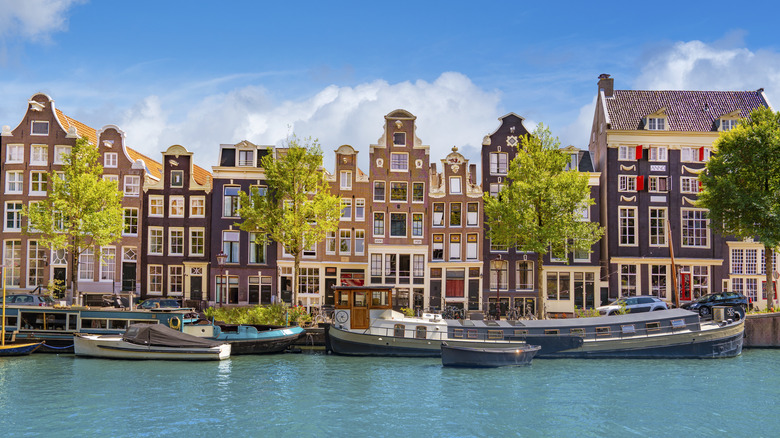
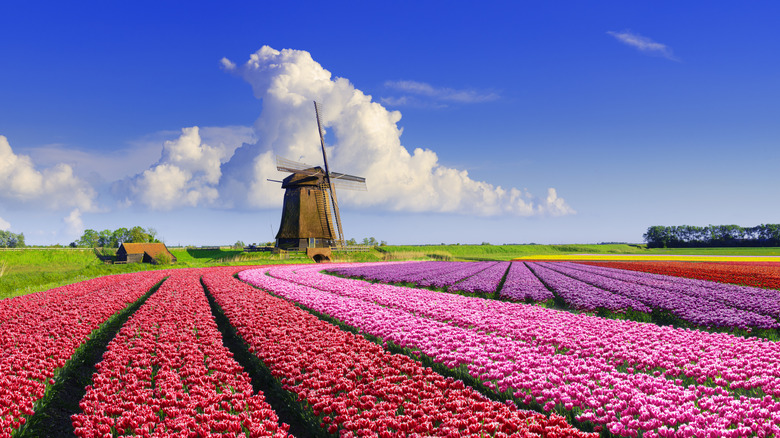
The world's safest place to travel for 2026 is in Europe, brimming with fields of vibrant tulips, city streets teeming with bicycles, and some of the world's most prominent museums. The Netherlands are a perennial favorite for travelers who love art, architecture, and the unique atmosphere of historic districts with canals and cobbled streets.
Data published by Numbeo, which continuously updates both crime and safety indexes in cities worldwide, reflects that the six largest cities in The Netherlands have crime indexes in the "low" and "very low" range, as well as "high" or "very high" safety ratings. The Hague, Eindhoven, and Utrecht are among the top 12 safest cities in 2026, according to Numbeo, out of a list of 400 cities worldwide. According to travelers surveyed by BHTP, The Netherlands is described as a safe place to visit for individuals of diverse backgrounds, LGBTQ+ visitors, women, and people of color.
The Netherlands is both a healthy and physically active nation, where bicycles have similar rights as motor vehicles and dedicated bike paths are a fixture of big cities. The cycling culture makes it extremely easy to get around, but for those who have never been here before, the sheer amount of cyclists can be surprising. Be diligent about checking for bikers before crossing the street.
Australia
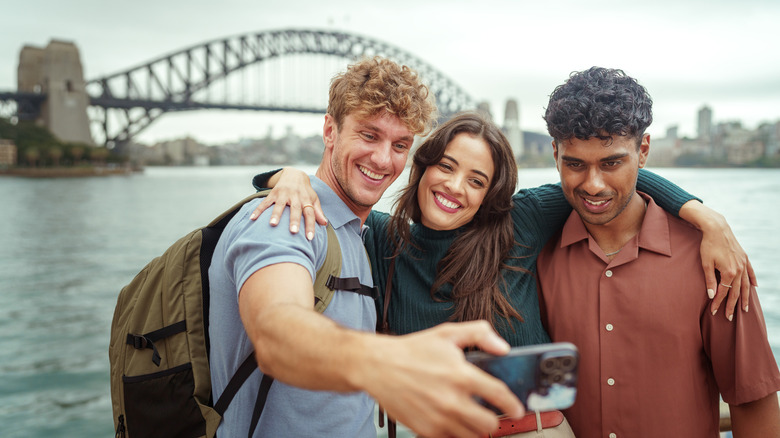
Australia is generally quite a politically stable country, and it's also among the world's healthiest. It regularly makes Berkshire Hathaway Travel Protection's annual top 10 list of the world's safest countries. Australia is a huge nation, approximately the same size as the contiguous United States, but with a population that's less than 10% of America's. Most people live in big cities like Sydney, Melbourne, Brisbane, Perth, Adelaide, and other hubs predominantly around the southern coastal areas. These cities are generally considered very safe to visit, with extensive public transportation networks that make it easy to get around.
You'll want to take normal precautions in the larger cities, especially in busy tourist hubs areas like Sydney's Circular Quay, near its iconic opera house. In more remote areas, like Australia's famous Outback or the tropical coastline of Queensland around the Great Barrier Reef, you'll have more environmental concerns to think about. In the Outback, make sure you're prepared for the possibility of extreme weather. It can get sweltering in the summer and below freezing in the winter. And off the coasts, be aware of marine life like jellyfish and sharks, as well as rip currents, depending on the location. Famous for its wildlife, Australia is known for its big spiders, too. The huntsman spider may be large, but it's mostly harmless to humans. There are plenty of ways to avoid Australia's most dangerous wildlife on your vacation. Keep in mind that travelers must declare their goods upon arrival, including food. Australia's customs and biosecurity controls carefully monitor what can be brought into the country to help prevent invasive plants and animals from entering its ecosystem.
Austria
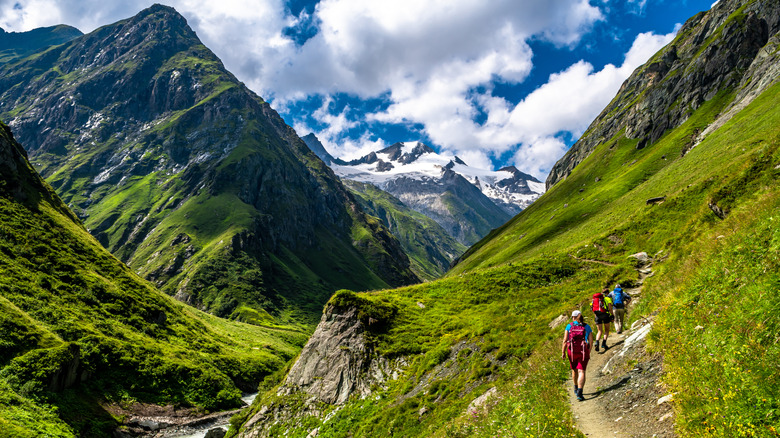
Rated fourth on the 2025 Global Peace Index, Austria makes its debut on the Berkshire Hathaway Travel Protection report for the first time, landing impressively in third place. The nation generally ranks very low when it comes to crime. It's also a welcoming country, which is great news for tourists who can't get enough of Europe's jaw-dropping Alpine parks with glaciers, waterfalls, and wildlife. Austria is famous for its soaring peaks, and outdoors-lovers heading to the summit should always exercise safety precautions when hiking in the wilderness and getting acclimated to high altitudes.
Vienna, which is Austria's capital and its largest city, is also the location of national embassies. Occasionally, the United States issues travel alerts due to demonstrations taking place in the vicinity. Keep an eye on the local news about demonstrations or protests in the area, but these events are typically not disruptive to tourism. As you would in other European cities, watch for pickpockets in crowded places and on public transportation. The US Department of State advises American travelers to keep valuable documents, such as passports, locked in the hotel safe or secure place. If you think you may need to provide documentation, such as to purchase alcohol, carry a photocopy of your passport and another form of ID. In touristic hubs like Vienna and Salzburg, it's important to keep your valuables secure.
Iceland
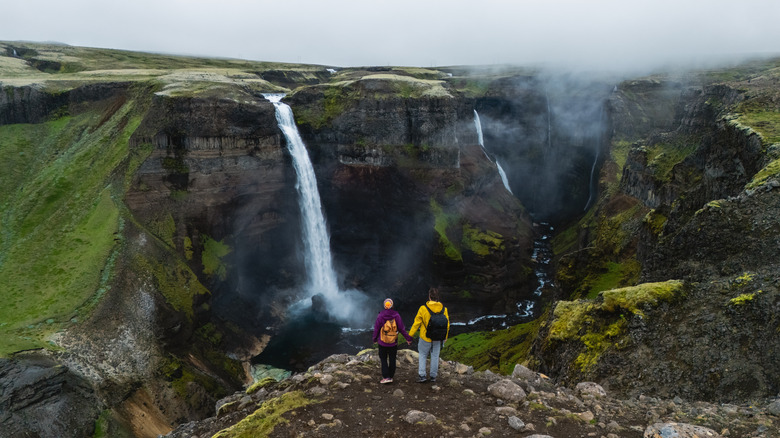
Iceland regularly tops the list of the world's safest countries, including Berkshire Hathaway Travel Protection's report for 2025. However, in 2026, Iceland has dropped down to fourth place on the list, largely due to its geological makeup. Its volcanic nature has the potential to disrupt travel because lava flows can block the island's main road. On the other hand, it's this very phenomenon, along with the northern lights and its stunning black-sand beaches, that attracts many visitors here to begin with. Photographers and tourists alike arrive in droves to see lava flows and Iceland's otherworldly landscapes. It is possible to safely visit Iceland's volcanoes by booking a hiking tour with a knowledgeable guide, but it's important to be prepared for changes in volcanic activity.
Iceland is generally very welcoming to tourists, and a popular destination is Reykjavik, the nation's capital. This is a go-to no matter the season, but it's worth noting that the weather here can be unpredictable. Expect wintry conditions from late October until early April, and milder temperatures from May to September. Summer temperatures in the capital average around 55 degrees Fahrenheit, but in the winter, it can get down to around freezing, and wind and moisture can make it feel colder. It's not uncommon to experience all four seasons in one day, as Iceland is affected by both Arctic and North Atlantic weather patterns.
Canada
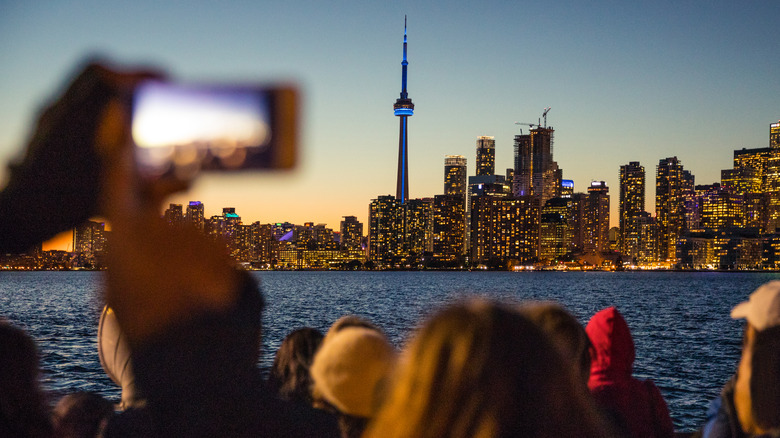
Canada is the safest North American country on the Global Peace Index, landing in 14th place. It's an expansive nation at more than 3.8 million square miles in size, although most of its population resides in the southern regions where it's warmer. Canada topped the BHTP list in 2024, fell to third place in 2025, and now sits in fifth place for 2026. Canada's many claims to fame include its universal healthcare system, and the crime rates in many parts of the country are considered low. Crime rates spike in larger cities, but destinations like Halifax, Montreal, Calgary, and Ottawa, and Quebec City all rank "low" on Numbeo's crime index.
Canada boasts many beautiful wilderness areas for the outdoorsy types to explore, such as British Columbia's "outdoor recreation capital" surrounded by mountains and parks. However, it's important to exercise caution when hiking, camping, and driving in the remote wilderness. Cellular connection may be sparse, and encounters with moose, grizzly bears, and other animals are a real possibility. Of course, if you're visiting in the winter, thermal clothing and appropriate gear is essential. Always travel with a map and stay aware of your surroundings — including the nearest gas station.
Many of Canada's largest cities, including Toronto, Montreal, Vancouver, Calgary, and the nation's capital of Ottawa are also major tourist hubs. Like any large city, it's always a good idea to safeguard your belongings and stay vigilant when traveling alone, especially at night. If you plan to rent a car, you'll want to be aware of the traffic laws and parking rules of the city you're visiting. For example, downtown Toronto requires drivers to share the road with streetcars, and many streets are limited to one-way traffic only. Plus, drivers may receive a fine in Montreal, Toronto, and Vancouver for leaving car doors unlocked. Valuables should always be hidden out of sight to reduce the risk of break-in theft.
New Zealand
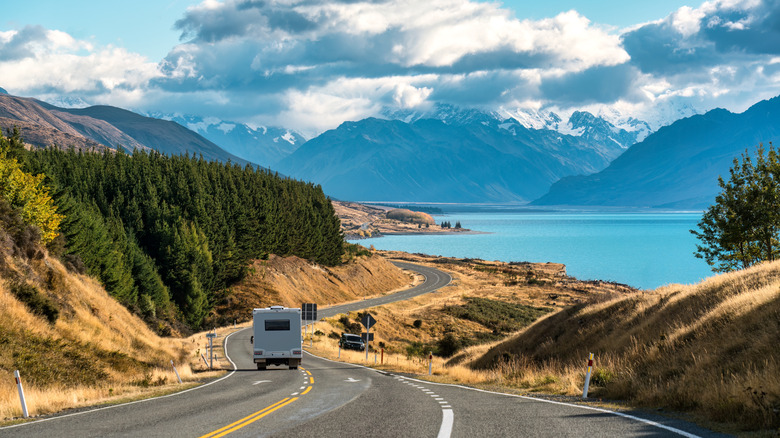
Holding strong in sixth place on the Berkshire Hathaway Travel Protection report for 2026, New Zealand is undoubtedly one of the safest countries in the world. It ranks third out of 163 countries on the Global Peace Index. Generally speaking, New Zealand residents — affectionally known as "Kiwis" — are very friendly and welcoming towards travelers. However, like anywhere else in the world, your experience may be quite different depending on which part of the country you visit.
New Zealand is a popular travel destination all year round, thanks to its mild climate. Its location in the Southern Hemisphere means that summertime — and the busiest travel period — is between December and February. Autumn is still very pleasant, with slightly cooler temperatures and fewer crowds between March and May. With its sweeping mountains and gorgeous coastlines, New Zealand is popular for outdoor adventures and a number of multi-day "Great Walks," like the Whanganui Journey on the North Island and the Abel Tasman Coast Track on the South Island, among many others. Adequate preparation and safety precautions are essential for those planning to enjoy New Zealand's abundant nature. Bring appropriate clothing and hire a local guide to visit more treacherous areas like glaciers and remote wilderness. To play it extra safe, carry a personal locator beacon, a safety hack that could save your life while camping or hiking in the wilderness.
United Arab Emirates
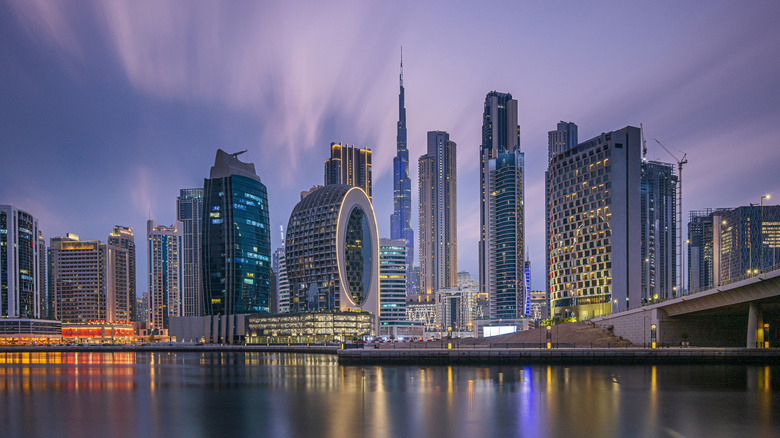
In 2025, the United Arab Emirates (UAE) landed in 18th place on BHTP's list of the safest countries worldwide. This year, the UAE has risen in the ranks to seventh place globally. While the UAE is located in the Middle East, where travel warnings are often issued by the US for possible terrorism and acts of war, the UAE itself is generally quite safe. This is in no small part because the nation takes crime and other violations seriously, which travelers should certainly be aware of while visiting. At the time of writing, the Numbeo crime index puts five major cities in the United Arab Emirates — Dubai, Sharjah, Ras al-Khaimah, Ajman, and Abu Dhabi — in the "very low" category for crime, and "very high" for overall safety.
As a Muslim nation, the dress code in the UAE is something to be mindful of. Generally speaking, people dress conservatively, but there are nuances to this also — Dubai is a little more relaxed with its modesty rules compared to other cities like Sharjah or Ajman. In public places, it's important to wear clothing that covers up the shoulders and knees, which means no tank tops or shorts. Signs are typically posted about the requirements at beaches and public places, such as shopping centers. That said, the sun is strong here, so an extra layer also offers protection from ultraviolet rays.
Switzerland
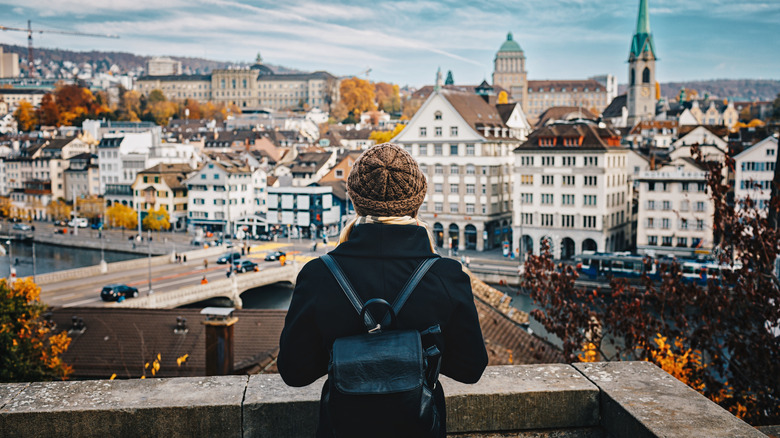
While there are some mistakes to avoid on a trip to Switzerland, there's little you need to be concerned about when it comes to safety in this mountainous, historic country. Ranked fifth on the Global Peace Index, Switzerland is home to cultural hubs like Zurich, Basel, Geneva, Lausanne, and many more, nestled among towering Alpine peaks and postcard-worthy lakes. Aside from the typical precautions visitors should take in large cities and tourist hubs, where pickpockets and bag-snatchers are more likely to target unsuspecting visitors, most of what you'll encounter in the risk department has to do with Switzerland's rugged outdoors.
As a popular destination for hiking in the Alps, safety standards are high in Switzerland. However, there is always a chance of unpredictable weather events, such as landslides, avalanches, storms, snowdrifts, and other severe conditions. Attacks from large predators such as bears and wolves are very rare in Switzerland, but you will want to watch out for ticks, which are abundant in the warmer months. It's always a good idea to stick to marked paths, check the weather ahead of time, be prepared with the right equipment, and inform someone of your whereabouts prior to venturing into the wilderness.
Japan
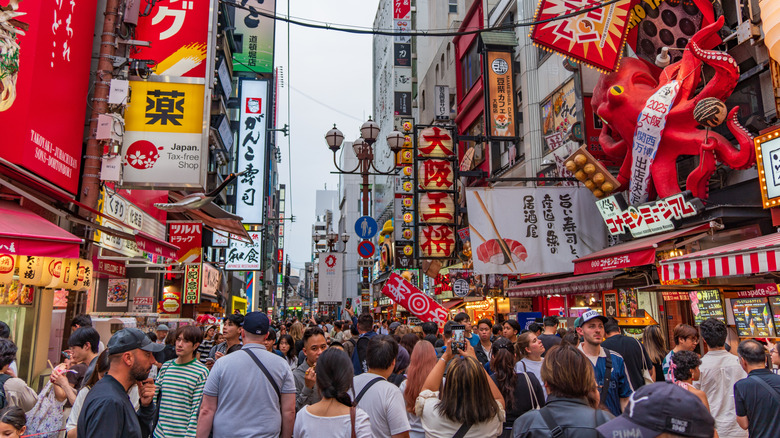
Consistently one of the safest countries in the world despite its incredibly dense population, Japan is a unique fusion of deeply rooted traditions and contemporary cultural and technological influences. Japan ranked 12th on the Global Peace Index for 2025, making it among the safest in Asia. It boasts a very low violent crime rate, strict laws, and strong social norms related to respect, order, and harmony. That said, there are a few safety considerations to keep in mind. For example, one thing tourists should be aware of are street promoters, also known as "touts," who often roam popular nightlife areas trying to entice tourists into tucked-away bars or clubs with the promise of drink deals or other perks. Unfortunately, these establishments often end up being overpriced and, in some cases, could put visitors at risk of theft. Touting is illegal in Japan, and if a stranger approaches you and insists you follow them, ignore them and keep walking.
In terms of your health, it's important to be aware of prescriptions and substances that are forbidden in Japan, such as Adderall, or are limited to a particular length of supply, typically one to two months' worth. Japanese pharmacies do not fulfill US prescriptions, so make sure you have all of your medicines with you when you arrive.
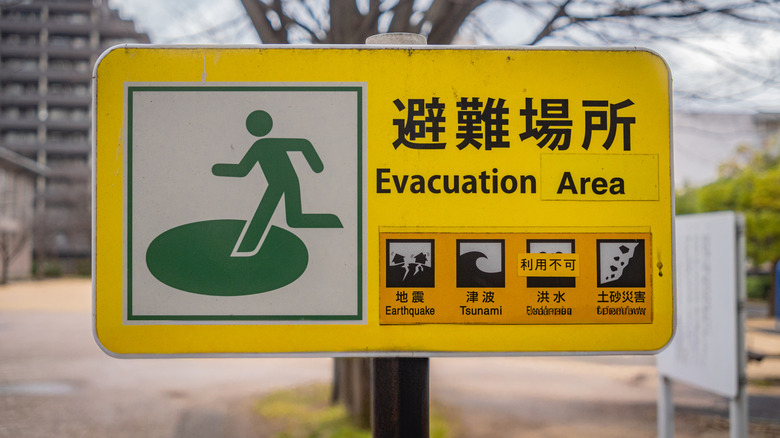
Japan is a volcanic island that has experienced its fair share of earthquakes. Sometimes, earthquakes both locally or elsewhere can trigger tsunami warnings. Keep an eye on local news alerts and become familiar with the evacuation route and earthquake safety measures at your hotel.
Ireland
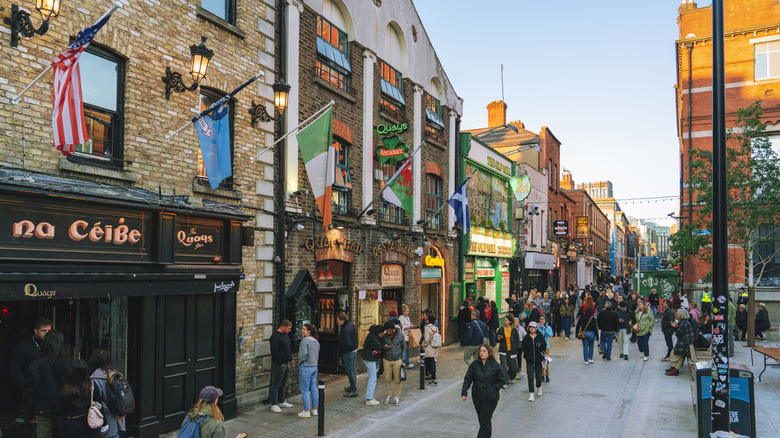
Landing in second place on the Global Peace Index, Ireland is a very safe country to visit and perfect for solo travelers. The country's level of violent crime is low, and it is generally considered a politically stable nation. Dublin, the nation's largest city, sees an elevated rate of thefts and other crimes compared to smaller communities and more rural areas, as one would expect. Travelers should remember to stay alert and keep their belongings secure at all times. Per the US State Department, thieves often target rental vehicles, so if you're road tripping around the Emerald Isle — and especially if you're parked in a city center — make sure any valuables are completely out of sight and the doors are locked. Even better, remove any company insignia like stickers that identify the vehicle as a rental.
Traffic laws are one of the top areas of concern for travelers who plan to drive in Ireland. Cars drive on the left side here, and the roads are often two-lane only and narrow, with hedges or grass at the edges rather than paved shoulders. In other words, if you're not in a lane, you're in a shrub. You'll also likely encounter a number of roundabouts. If it's your first time driving on the opposite side of the road — especially if you're a little nervous about it — do yourself a favor and rent an automatic transmission, even if you're accustomed to a manual. It might cost more, but it will help you stay focused on the road without the added stress of shifting gears.
Methodology
The Berkshire Hathaway Travel Protection report offers a comprehensive analysis of the world's safest countries and it gathers its data from a number of sources. In addition to the Global Peace Index, the report references crime data gathered from Numbeo and GeoSure. American travelers are also surveyed and their firsthand accounts are factored into the results. The report is careful to point out that unforeseen acts of violence are generally not accounted for in overall safety ratings.
In addition to BHTP, we consulted data published by the World Health Organization, Numbeo, the Global Peace Index, the Global Health Security Index, Travel.State.gov, and others. Destination-specific information was sourced from official tourism and government websites such as NewZealand.com, Canada.ca, and Australia.com. The author drew from personal experience visiting several of the countries on this list, including Ireland, Switzerland, Austria, Canada, and The Netherlands, both as a solo traveler and with a group. Finally, this article draws from the expertise of Rick Steves, as well as feedback from visitors on Tripadvisor and discussions on Reddit.