

The Most Beautiful American Botanical Gardens By Far, According To Reviews
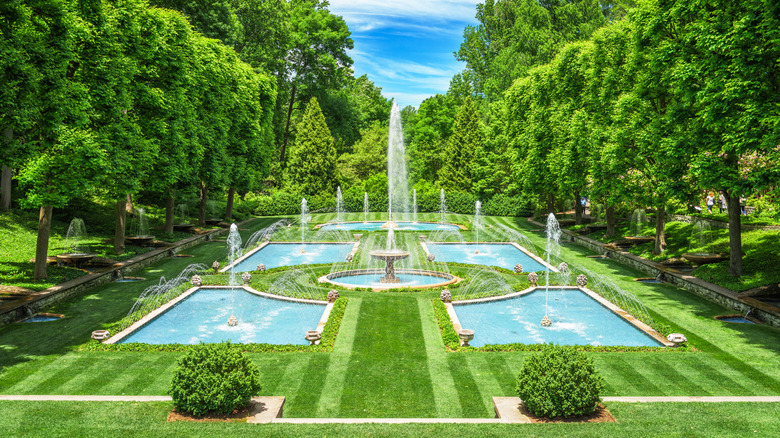
Botanical gardens are living, breathing expressions of place, climate, and cultural imagination. Across the U.S., the most beautiful gardens stand out not just for their size or prestige, but for the distinct aesthetics they cultivate. After all, they offer a uniquely rewarding way to explore a region through its plants, design, and community.
From desert landscapes that celebrate cacti and succulents to rainforest conservatories brimming with tropical species, these spaces highlight how plants adapt to and thrive within specific environments. Many gardens also transform dramatically with the seasons, offering rotating floral displays, light installations, and cultural programming that invite repeat visits throughout the year.
The gardens included in the list below demonstrate the many ways botanical spaces can be immersive, educational, and deeply tied to the natural worlds they inhabit. They showcase plants from ecosystems all around the globe, as well as native and indigenous plants specific to their regions.
Princeville Botanical Gardens (Princeville, HI)
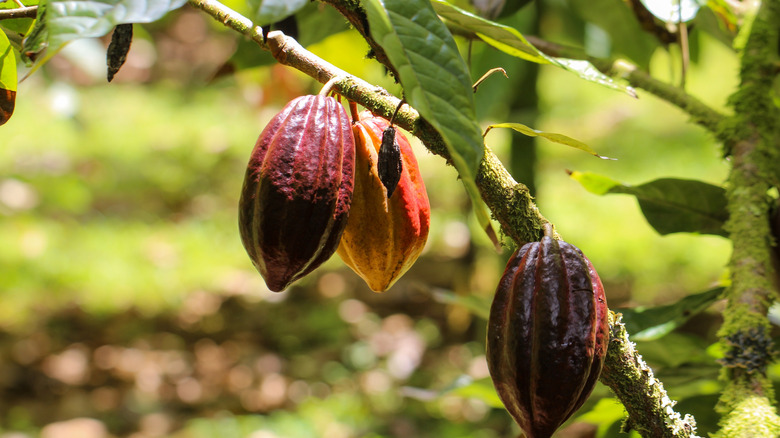
Known as the "Garden Island," Hawaii's Kauaʻi is a perfect home for an impressive collection of native Hawaiian plants and tropical species from around the world. The island itself is mostly covered in tropical rainforest, and thus offers the perfect climate for the Princeville Botanical Gardens. Located on the island's north shore, the garden started as a husband-and-wife hobby to restore ecological balance to the island.
Visitors must book tour reservations in advance, as there is no general admission. One visitor wrote on Google: "Without a doubt, this was the most fun garden tour that I have ever done. The tour guide was incredibly knowledgeable about the history of the different plants and their relation (if applicable) to Hawaiian culture."
One of the garden's most distinctive features is its chocolate garden, where cacao trees grow alongside other plants historically tied to chocolate production. Guided tours explain the cultural and ecological history of cacao in Hawaii and beyond, tracing the journey from pod to bar. Tastings of chocolate, as well as many tropical fruits, make the experience both educational and delicious.
United States Botanic Garden (Washington, D.C.)
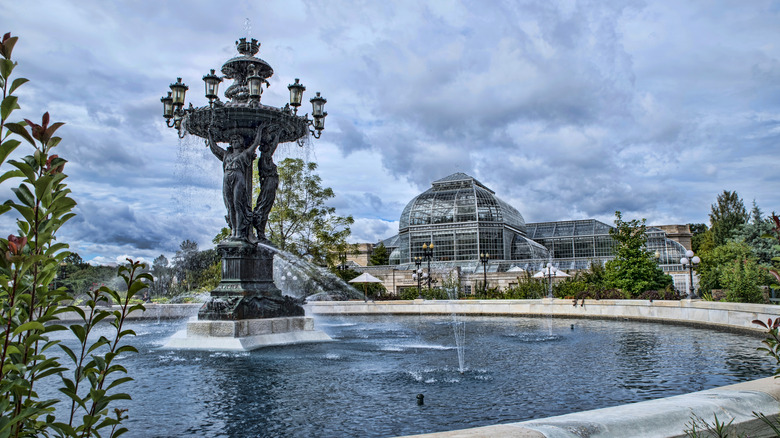
Just steps away from the U.S. Capitol Building, in the heart of Washington, D.C., stands one of the oldest continuously operating botanical gardens in the country. Located on the National Mall, the United States Botanic Garden is an oasis for native Washingtonians, politickers, and tourists alike. It encompasses a glass-domed greenhouse with multiple rooms, gated outdoor gardens with statues and fountains, and a "secret garden" that showcases sustainable practices on two acres of urban space.
The garden maintains an exuberant collection of nearly 44,000 plants from around the world, including rare and threatened species that are increasingly vulnerable due to climate change, habitat destruction, and overexploitation. These living rooms recreate a range of ecosystems that are a wonder to behold in an urban setting.
As one visitor wrote on Google: "I spent an entire afternoon at the National Botanical Gardens and could've easily stayed longer. The grounds are immaculate — lush greenery, vibrant flowers, and thoughtfully designed walking paths. The highlight for me was the tropical greenhouse, which felt like stepping into another world."
Desert Botanical Garden (Phoenix, AZ)
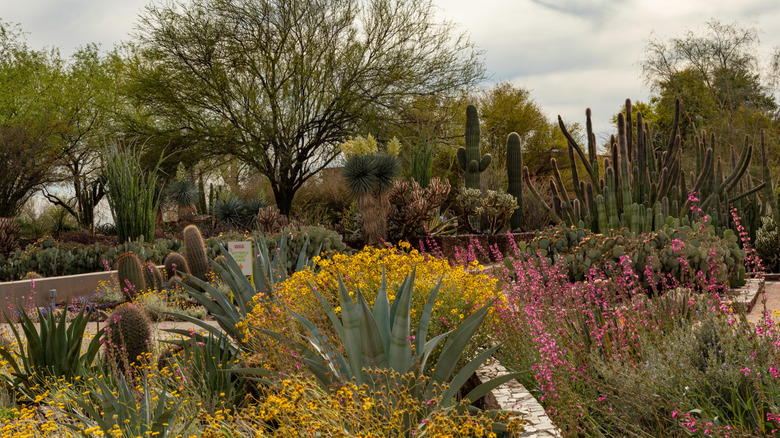
As the name suggests, the Desert Botanical Garden's specialty are plants that thrive in dry, arid conditions. Located in Phoenix, it's home to a unique collection of more than 50,000 desert plants such as cacti, succulents, and wildflowers. While desert plants may not immediately be what comes to mind when you think of lush garden beds, the space has perfected the art of desert garden design.
Part of its charm is that the plants are tastefully spread across 55 acres of actual Sonoran Desert, and visitors can choose from five scenic trails to enjoy them. This natural environment means guests can check out not just the unique flora, but also the fauna that call this region home. As one visitor remarked on Tripadvisor: "Coming early you are rewarded with being easily able to see lots of wildlife: quail, ground squirrels, rabbits, nesting birds and lizards who are also enjoying the cooler climate."
Visitors can further immerse themselves in this ecosystem by visiting the butterfly pavilion. Here, you'll be surrounded by more than 2,000 butterflies in a 3,000-square-foot open-air structure where you can learn about the insects' intimate relationship with desert plants.
Brookgreen Gardens (Murrells Inlet, SC)
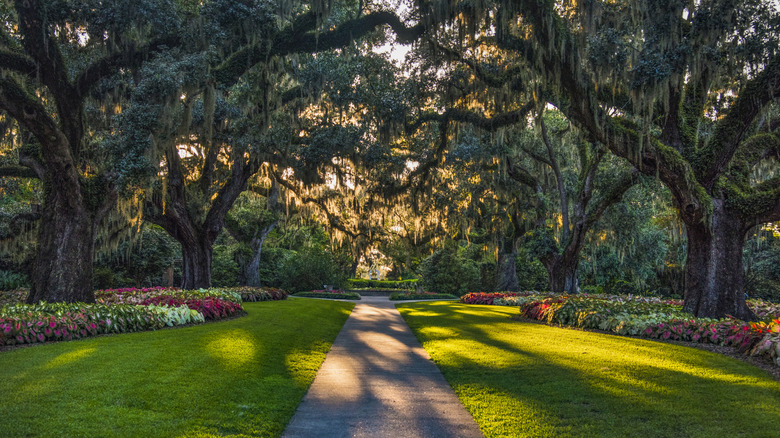
Along South Carolina's Lowcountry coast north of Charleston, Brookgreen Gardens is a rare place where art, history, and landscape design meet. Founded in 1931, the gardens are part of a sweeping 9,200-acre historic and wildlife preserve. It is recognized as the home of the first sculpture garden in the United States, and holds accreditation from the American Alliance of Museums for its nationally significant collection of figurative sculptures.
More than 2,000 sculptures by 430 artists are integrated throughout formal gardens, wooded paths, and open lawns, creating moments of respite as visitors move through the landscape. Bronze and marble figures appear along quiet trails and reflective pools, often framed by azaleas, camellias, and native coastal plants. The setting makes it easy to forget you're in a curated space, as the artworks are seemingly naturally embedded into the landscape. "This place had a peaceful, calming effect on me," noted one visitor on Tripadvisor. "Even with tons of people there, it didn't feel overcrowded; I felt embraced by the beauty of nature, sharing it with others who also appreciate nature and art."
Brookgreen also tells a layered ecological and cultural story of the Lowcountry. In addition to its sculpture collections, the site includes wildlife exhibits and preserved historic rice fields. Several types of tours are available for guests looking to learn more about plantation history, regional ecology, and conservation.
Balboa Park Botanical Building (San Diego, CA)
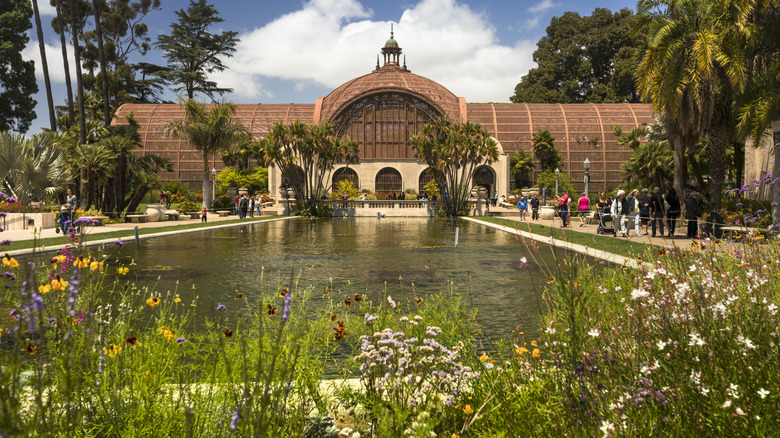
Balboa Park is a massive 1,200-acre cultural park in San Diego, California, featuring museums, gardens, theaters, and the world-famous San Diego Zoo. A little lesser-known is the park's Botanical Building, also known as the Lath Palace. Housed in one of the world's largest wooden-slat structures, this botanical garden is as celebrated for its architecture as it is for its plants. As one visitor wrote on Tripadvisor: "Paved walkways inside guide visitors through a lush garden that feels like another world."
Built for the 1915 Panama-California Exposition, the Spanish Colonial Revival-style of Balboa Park's Botanical Building connects its colonial history to the rest of San Diego. The building features a gorgeous and intricate wooden lattice and an open-air roof that lets in the rays and fresh air of Southern California's unbeatable climate. A large outdoor lily pond encircled by plants and flowers is a gorgeous addition to the scenery. Visitors also appreciate that entry is free to this architectural monument.
More than 2,000 tropical and subtropical species thrive in this gorgeous, open-air palace year-round. Recent major renovations saw the structure fortified, as well as the reapplication of its distinctive "sponge sugar" pink exterior.
Coastal Maine Botanical Gardens (Boothbay, ME)
Located about an hour's drive outside Portland in one of Maine's most underrated towns, the whimsical Coastal Maine Botanical Gardens sit on 300 acres of mesmerizing coastal land. Along the property's western edge is the beautiful Back River, which flows steadily out into the Atlantic. At the heart of this enchanting site is a cluster of magnificent gardens, an apiary, and a butterfly house. For those looking to explore, scenic trails wander through the complex and extend into the surrounding forests.
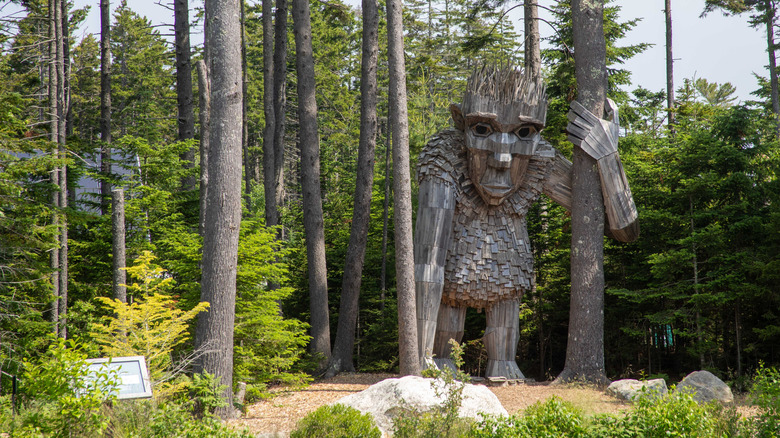
One of the most celebrated parts of the Coastal Maine Botanical Gardens is its Guardians of the Seeds experience, during which visitors are given a challenge to find 10 different kinds of native plants. Along the trail, which can take up to five hours to complete, visitors encounter five mammoth-sized troll sculptures made of recycled wood that emerge along a winding path through native and Indigenous plants and trees. Legend has it that they are the protectors of the seeds, trees, and forest. Created by Swedish artist Thomas Dambo, the troll sculptures inspire curiosity and contemplation of the role of humans in the natural world. As one visitor wrote in a Google review: "I felt like a kid again — my husband kept laughing at my big grin as we came across delightful surprises. We spent over 90 minutes and I wished we had spent all day at the gardens."
Bellagio Conservatory and Botanical Garden (Las Vegas, NV)
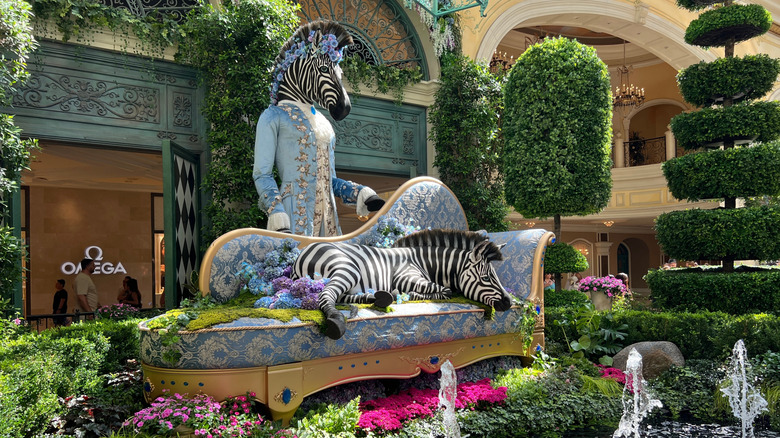
For those with a taste for extravagance, the Bellagio Conservatory and Botanical Garden does not disappoint. Located at the center of Las Vegas' famous Strip, the garden forms part of the iconic Bellagio Hotel & Casino and is best known for its elaborate, large-scale seasonal floral displays that transform several times a year to fit rotating themes. Incredibly, it's entirely free to access — a rare occasion in Vegas that makes for a peaceful and affordable escape for anyone who needs a break.
A visitor with a unique perspective shared on Google: "The Bellagio Conservatory feels like something straight out of one of my thriller novels. As a thriller author, I'm always drawn to spaces that mix beauty with tension, and this one has that quiet, cinematic energy. It's controlled chaos in a story."
In one exhibit, a giant chess game is spread out across the room, with each of the pieces made of meticulously sculpted and scaffolded green vines. Other notable sights include zebras dressed in Victorian garb lounging in chaises decked with brightly colored moss and flowers, and a tiger relaxing on a swing hanging from the ceiling. Everything is larger than life in this topsy-turvy wonderland. Although it can get crowded, visitors say it's worth the visit. Since there's only a single exhibition room, it typically doesn't require more than half an hour to fully enjoy.
Missouri Botanical Garden (St. Louis, MO)
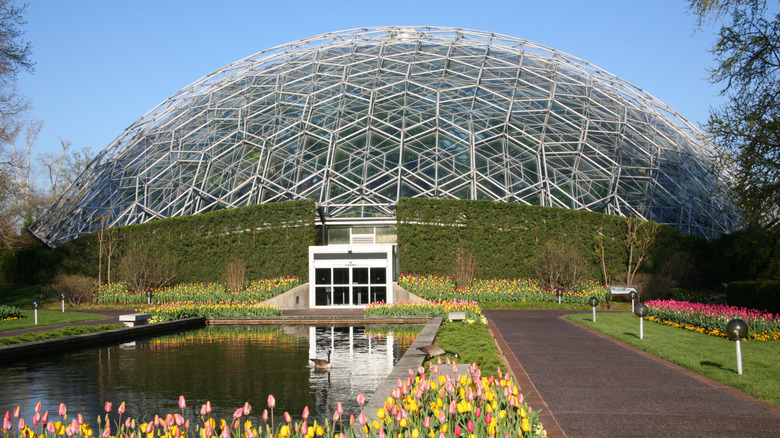
Known as one of the oldest botanical gardens in the United States, visitors love the Missouri Botanical Garden for its famous Garden Glow show, which lights up the space with 2 million colorful lights during the holidays. It also stands as an impressive home to many plants from around the world. One visitor remarked on Google that it competes as one of the best botanical gardens, even at an international level: "We have been to many botanical gardens throughout the world and this is one of our top 5."
One of the most beloved features of the garden is the Climatron, an iconic geodesic dome that's home to a tropical rainforest. Its structure is not only impressively large, but also a feat of engineering — it uses no interior supports or columns, allowing maximum sunlight for its more than 2,800 tropical plants. Another top attraction is the incredible corpse flowers. These massive flowers, native to Indonesia, are known for emitting a foul odor that attracts pollinators. Only in bloom for about 24 hours, it's quite an ordeal when one opens up, and droves of people line up to take a whiff.
The complex is also quite large, with 79 acres of gardens. Thankfully, a tram is available for a small fee to make it easier to get around. Guided walking tours are included with admission. Due to its strong commitment to research and publication, the garden hosts a wide variety of events, classes, and workshops throughout the year.
Portland Japanese Garden (Portland, OR)
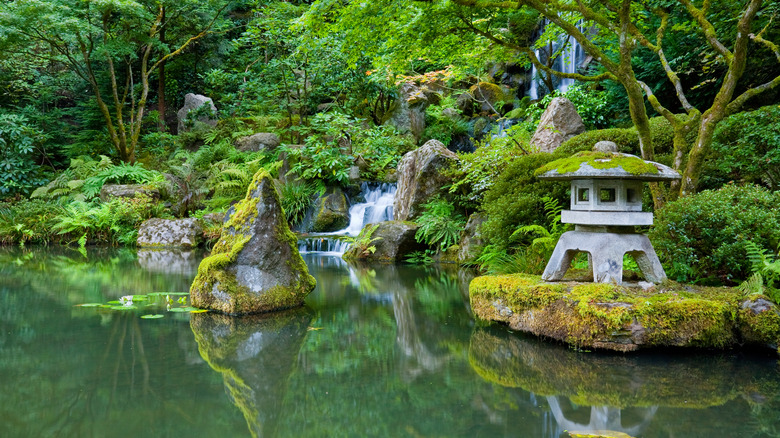
Tucked into the forested hills of Washington Park, the Portland Japanese Garden is regarded as one of the best Japanese gardens outside of Japan. Designed with meticulous attention to Japanese aesthetic principles, the garden emphasizes restraint and intentionality rather than spectacle. It's so stunning, with views of Mount Hood in the distance, that it has become a popular destination for professional and amateur photographers alike.
The garden is composed of several distinct spaces, including a Strolling Pond Garden, Tea Garden, Sand and Stone Garden, and Natural Garden. Together, they offer a meditative experience that shifts subtly throughout the year — with cherry blossoms in spring, vibrant maples in autumn, and serene snow-dusted paths in winter. One visitor wrote on Tripadvisor: "The garden's design is stunning — every detail feels intentional, from the koi ponds to the stone paths. The sense of peace and balance is remarkable."
Beyond the gardens themselves, the site functions as a cultural institution with a robust calendar of exhibitions, lectures, workshops, and tea ceremonies. These programs explore Japanese art, craft, philosophy, and contemporary culture, deepening visitors' understanding of the aesthetics they see outdoors.
Longwood Gardens (Kennett Square, PA)
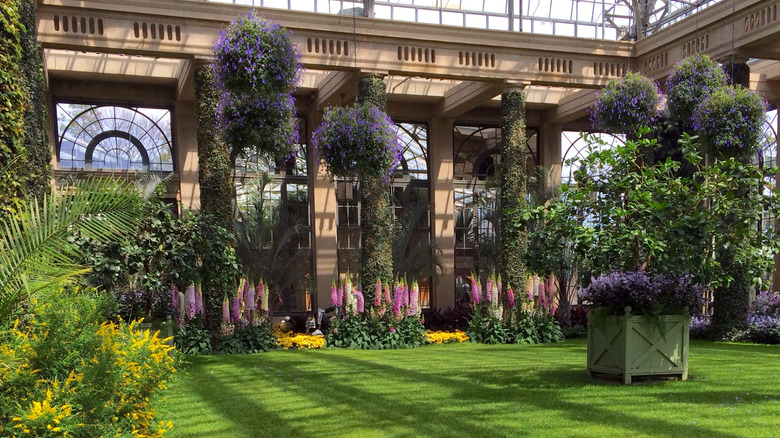
Drawing heavily from European traditions of formal garden design, Longwood Gardens — located in the rolling countryside just outside of Philadelphia — is known for its dramatic scale, theatrical displays, and architectural grandeur. From meticulously clipped hedges to towering fountains and large glass conservatories, visitors tend to walk away deeply impressed. While not quite at the scale of, say, Versailles, it's still unique by North American standards and is considered the largest botanical garden in the U.S.
The indoor gardens in the Conservatory District are a major highlight. Vast glasshouses showcase seasonal floral installations, tropical plant collections, and carefully choreographed displays that change throughout the year. Outdoors, visitors can wander through Italian-inspired terraces, rose gardens, meadow landscapes, and woodland paths that feel both monumental and carefully controlled. Longwood is also famous for its fountain performances, where water jets move in sync with music and lighting. As one reviewer recently noted on Google: "Every corner feels like a new discovery — from the breathtaking conservatory to the vibrant outdoor meadows."
Chanticleer Estate (Wayne, PA)
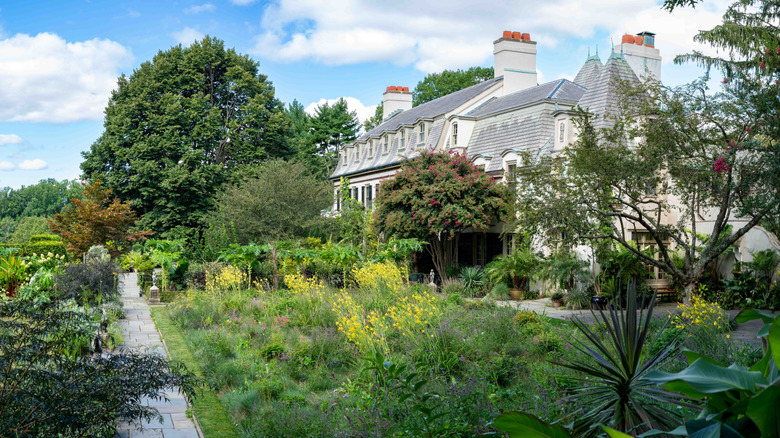
Just outside Philadelphia, the Chanticleer Estate is home to a garden that rewards curiosity. Built on the grounds of an early 20th-century estate, it is organized into a series of distinct outdoor spaces, each designed around a theme or mood. This approach gives the garden a sense of intimacy and surprise, as visitors move from one space to the next and encounter entirely different planting styles and atmospheres. This almost labyrinthine layout makes it feel as if the wonders are never-ending, as one visitor remarked on Tripadvisor: "Just when we thought that we found our favorite area, we discovered another stunning garden. Even the drinking fountains are works of art."
Notable highlights at Chanticleer include the whimsical Teacup Garden, where plants spill out of oversized containers, and the reflective Pond Garden with its layered plantings and water features. Meanwhile, the Ruin Garden incorporates stone structures and climbing plants to create a romantic sense of decay. Tours of the house and the gardens are available to book separately, and they are only offered on certain days of the week.
Atlanta Botanical Garden (Atlanta, GA)
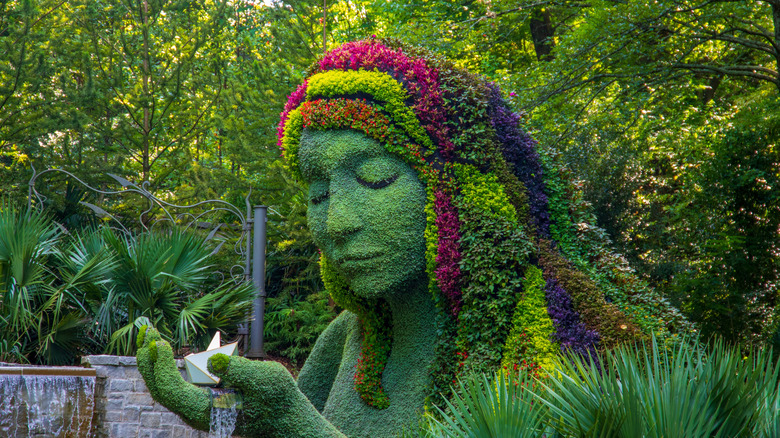
For those who enjoy light shows, seasonal exhibits, and magnificent landscaping, this garden tucked into the rolling hills of Georgia's capital is a real treat. The Atlanta Botanical Garden is situated in one of the city's most walkable districts, and spreads across 30 acres of land. With so much space, it's definitely worth setting aside a few hours to explore. As one visitor put it on Google: "The gardens are stunning during the day, with easy walking paths and beautiful displays, but at night, with the lights, it transforms into something truly enchanting."
That said, the garden shines brightest at the turn of each season, so plan your trip accordingly. From November to January, the annual holiday light show features one of the largest synchronized curtains of light and sound in the world. During this time, the garden's iconic Earth Goddess — a 25-foot sculpture made with thousands of plants carefully growing along a welded scaffold to resemble a feminine figure dipping into a waterfall-fed pond — really shines. As you stroll through the garden's eight illuminated outdoor spaces, you'll pass vendors offering hot cocoa, mulled wine, and ingredients to roast s'mores over terrace fire pits.
Meanwhile, between March and April, visitors also come to see the annual flowering bulb festival, Atlanta Blooms! The spectacle features vast meadows of tulips and daffodils, along with flowering trees such as tulip magnolias, cherries, and dogwoods. Whatever the season, though, this massive, family-friendly garden has something that everyone will love.
Huntington Botanical Gardens (San Marino, CA)
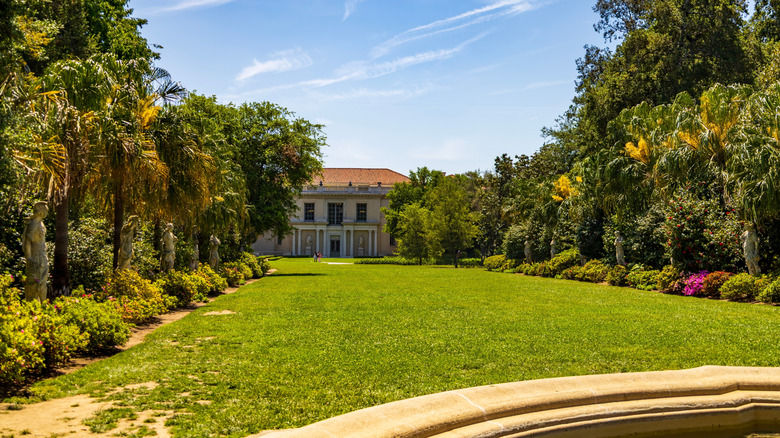
If you're in the Los Angeles area, it's worth taking a trip out to San Marino to the Huntington Botanical Gardens, where 130 acres of pristine gardens and cultural exhibitions await. Part of the massive Huntington Library, Art Museum complex, the gardens are home to nearly 84,000 plants — making it one of the largest and most diverse botanical collections in the world. What's special about the Huntington, however, is the feeling that you're walking the grounds of a chateau — a bit like you might in Europe, but with a distinctly SoCal vibe.
The estate of an ultra-wealthy railroad magnate, the property is set on a hill and offers stunning vistas of Pasadena's majestic hills. From the parking deck visitors can take a tram to access the complex, making it feel like you're riding into a magical kingdom. Once you step off the tram, sprawling paths wind their way around various spaces, including architecturally stunning buildings, plazas, fountains, and more.
You're going to need several hours here, if not more. In fact, one visitor remarked on Tripadvisor: "One of the most beautiful, amazing places I've ever seen! The sheer number and variety of plants, flowers, trees, cacti, and water features are stunning! We spent six hours until our feet wore out!"
Methodology
To identify and evaluate the most beautiful botanical gardens across the U.S., we researched and synthesized information from multiple reputable sources — including Tripadvisor rankings, U.S. News & World Report, and Vogue's lists of the best gardens in the country — alongside the American Public Gardens Association's list of the 20 Most Popular U.S. Botanical Gardens.
To further refine our selection, we made sure that only gardens with a rating of 4.7 stars or higher on Google were included, ensuring strong visitor satisfaction. In addition, the author also incorporated firsthand experience of visiting several of the gardens featured, which added to the depth and credibility of the final picks.