

Everything You Need To Know About Alaska's Breathtaking National Parks
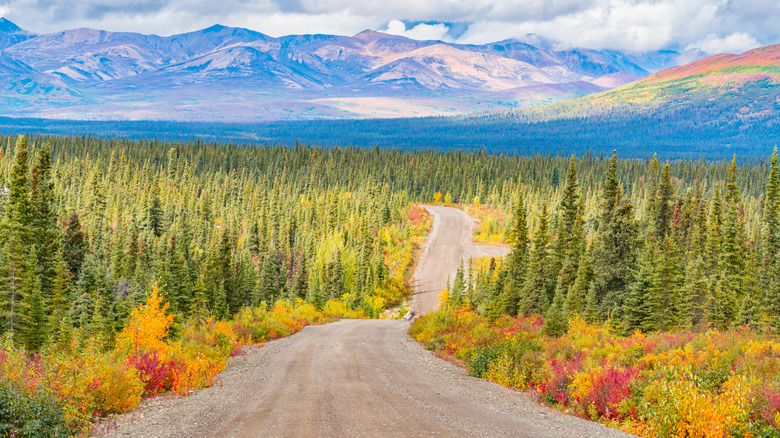
National parks in the U.S. brim with remote wilderness, from huge swaths of Yellowstone National Park to Southwest desert expanses like Canyonlands, an underrated national park just as gorgeous as Zion but way less crowded. But, when it comes to remote wilderness, it doesn't get more impressive than Alaska's huge, pristine parks. There are eight national parks in the state known as The Last Frontier, along with a number of federally recognized rivers, public lands, monuments, preserves, historic parks, and heritage centers.
Alaska is enormous. Its surface area is as wide as California, Texas, and Montana combined — just to give you some idea. The state has more than 665,000 square miles of rugged coastlines, forests, tundra, islands, mountains, and more. And at 20,310 feet, Denali — federally recognized as Mount McKinley — is North America's highest peak. Its namesake national park is equally impressive at nearly 9,500 square miles in size. For comparison, Yellowstone in Wyoming is just shy of 3,500 square miles — but, that's just the beginning of what makes this state so extraordinary.
In Alaska's national parks, you'll find glaciers, icefields, rugged backcountry, abundant wildlife, and resilient Indigenous communities whose ancestors have lived in the region for thousands of years. Some destinations, like Glacier Bay National Park and Preserve, can only be reached by boat or plane. Denali National Park and Preserve only has one main vehicular artery, while Gates of the Arctic National Park and Preserve is so pristine and remote that it doesn't contain any trails or roads at all. The days are quite literally endless in the summertime if you visit the Arctic Circle — this northern region gets 24 hours of daylight between May and July. Whether you're curious about what to see and do, or even just how to get there, read on for all you need to know about Alaska's eight unforgettable national parks.
Denali National Park and Preserve
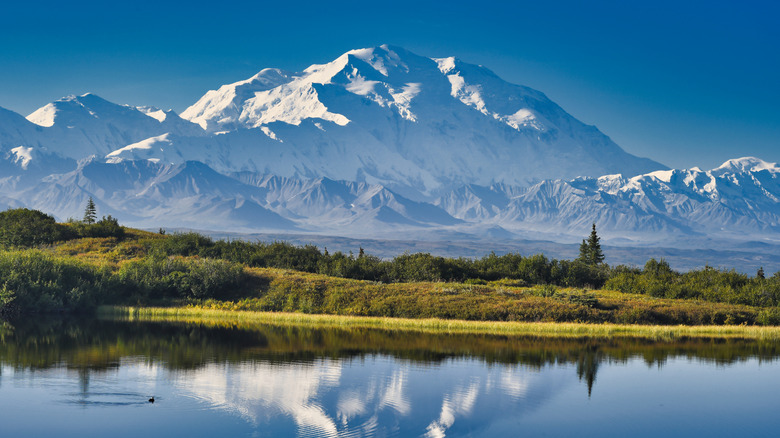
Denali National Park and Preserve is named after its centerpiece, a mountain that rises taller than any other in North America. Whether you call it Mount McKinley or Denali — or a range of other historic names — there's no doubt that this peak is a showstopper. Climbing America's highest mountain comes with a hefty price tag, but the views are priceless, and it's far from the only attraction you'll find in this vast park spanning more than 6 million acres. Its entrance is four hours north of Anchorage by car, and the drive is utterly spectacular. If you're starting from Fairbanks, it's about two-and-a-half hours south.
Today, Denali National Park and Preserve is about three times the size it was when it was officially created in 1917. It's home to a vast array of plants and wildlife — as you explore the park, try to identify some of the 380 documented species of mosses, eight kinds of trees, more than 170 types of birds, and more than three-dozens mammal species. People typically keep an eye out for "The Big Five" — moose, caribou, Dall sheep, wolves, and grizzly bears. You'll also likely see marmots, foxes, hares, and many other critters.
Denali only has one road, and it runs for 92 miles east to west. An ongoing landslide has caused a road closure at Mile 43 which is set to last until at least the end of 2026. Unfortunately, this means that vehicles cannot pass this point until the road reopens, but thanks to the park's transit bus system, hikers are still able to explore the area on foot by making a timed reservation in advance. In addition to primitive campsites, the park is home to six campgrounds that offer an immersive stay in nature. Note that Wonder Lake Campground will be closed until the road reopens.
Wrangell-St. Elias National Park and Preserve
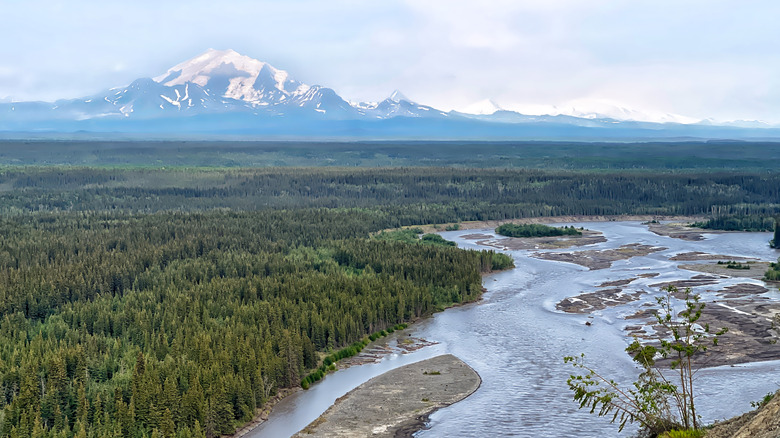
Wrangell-St. Elias National Park and Preserve is the largest within the entire national park system at a mind-boggling 13.2 million acres. Encompassing expansive forests, rivers, colossal glaciers, the 18,008-foot-tall Mount St. Elias, and rugged coastlines, Wrangell-St. Elias is a remarkably diverse park. It's home to three glacier-carved bays — Yakutat, Disenchantment, and Icy Bay — and the Wrangell Volcanic Field, which covers more than 1.2 million acres and is home to Mount Wrangell, one of the world's biggest active volcanoes.
The visitor center, called Copper Center, is located roughly three-and-a-half hours east of Anchorage by car. Farther into the park, the Kennecott Visitor Center is located in the former general store-post office of the historic Kennecott mining community. History and archaeology are richly interwoven at the park, with acient sites where Indigenous Alaskans settled and thrived in this harsh landscape. The oldest site in the park is called Nataeł Na', where evidence of human occupation dates to around 13,000 years ago.
In addition to the Copper Center and Kennecott Visitor Centers, the park has three ranger stations where you can pick up maps and other information. Slana Ranger Station is staffed — along with Copper Center and Kenncott — between May and September. McCarthy Road Information Station is not staffed, and Chitina Ranger Station depends on staff availability. Your best bet is to chat with a ranger at the visitor centers if you want to explore backcountry hiking and camping opportunities. Summer is the best time to visit, when temperatures are milder — snowfall typically begins in late September.
Lake Clark National Park and Preserve
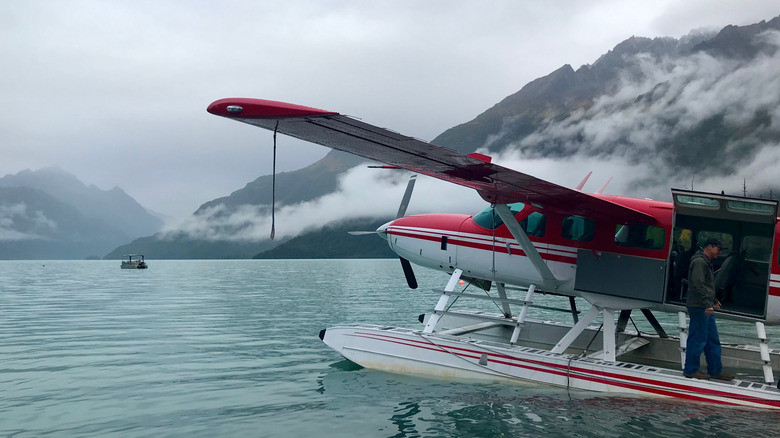
Lake Clark National Park & Preserve is home to active volcanoes — Mount Iliamna and Mount Redoubt — along with pristine lakes and wildlife, although this vast and unbelievably beautiful national park is a barely-visited gem. There are no roads in the park, so access is only possible by boat or plane, the latter of which is most common. Air taxi services operate from a variety of places like Anchorage, Kodiak, and others. Depending on where you want to land, you'll take a traditional wheeled plane, an aircraft with floats, or even a plane with skis for landing on frozen surfaces. Companies like Sportsmans Air Service or Trygg Air Alaska offer all three options. It's also possible to boat into Cook Inlet when conditions permit.
Crescent Lake is one of the park's most popular destinations for visitors, where anglers will delight at opportunities to catch sockeye and silver salmon, and wildlife spotters may be able to glimpse black and brown bears. Stay for a while at Redoubt Mountain Lodge, one of several independently operated accommodation options throughout the park. Some of these are quite rustic, like the Windsong Wilderness Retreat in the Twin Lakes area. Others offer opportunities for photography and wildlife viewing excursions, such as Silver Salmon Creek Lodge.
Visit the park's namesake body of water, Lake Clark, which is renowned for its bear sightings, or fly to Upper Twin Lake to access the Twin Lakes area for spectacular backcountry camping and hiking. This park preserves the homelands of the Dena'ina Athabascan people, who continue to live in harmony with the land. Hike the historic and remote Telaquana Route, a beautiful Dena'ina ancestral trail from Telaquana Lake to the sacred archaeological site of Kijik Village, which takes around five to seven days to complete.
Gates of the Arctic National Park and Preserve
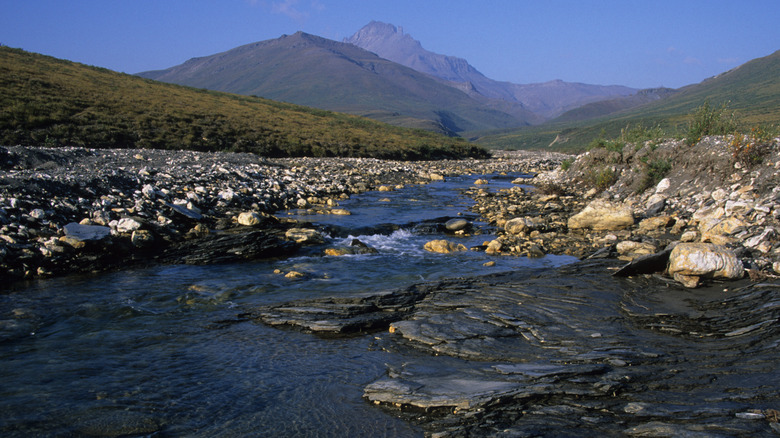
About as remote as it gets when it comes to U.S. national parks, this remarkable place is yet another destination where there are no roads or trails in the park at all. Indigenous Alaskans, who have been living here for thousands of years, continue to rely on the land of Gates of the Arctic National Park and Preserve. By conserving the natural habitats of these remote regions, the park also ensures that their way of life remains sustainable. Known as America's least crowded national park, this rugged and scenic destination boasts unspoiled ecosystems that support Arctic wildlife. It's home to six designated National Wild and Scenic Rivers that are havens for paddling, backpacking, and camping.
Located deep in the Alaskan interior, the only way to reach the park is to fly or hike in. The closest major community is Anchorage, where you can book an air taxi to one of the smaller communities along the rim of the park such as Bettles and Anaktuvuk Pass. Air taxis are a great option if you'd rather fly over this amazing expanse for an afternoon or for a shorter excursion rather than immersing yourself in it for an extended time period.
Numerous local outfits offer chartered excursions into Gates of the Arctic National Park and Preserve and other Alaskan national parks. Alaska Alpine Adventures, for example, organizes small, guided group excursions, and Arctic Reach Charters facilitates river trips to fit your interests, whether you're hunting game or photos. On foot, you can hike in from Dalton Highway or Anaktuvuk Pass. Just remember that there are no trails, and river crossings are part of the gig, so plan accordingly.
Glacier Bay National Park and Preserve
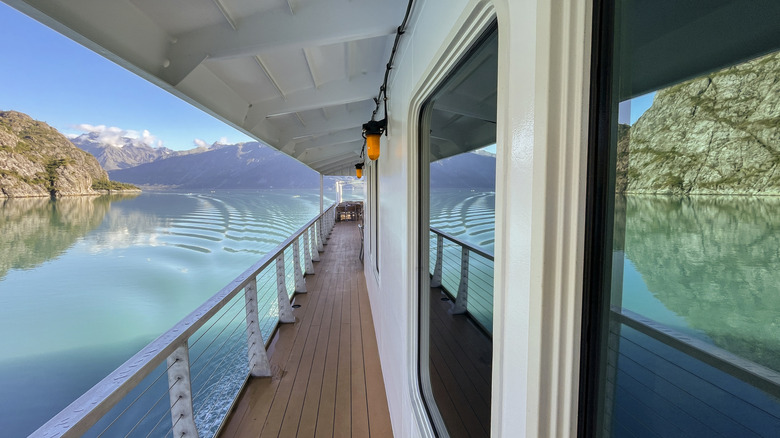
Glacier Bay National Park and Preserve is a stunning 3.3 million-acre landscape west of Juneau that encompasses fjords, glaciers, temperate rainforest, and more. You'll be able to get up close and personal with incredible glaciers at this U.S. national park, an opportunity that is especially popular by cruise ship. The ships don't dock anywhere in the park, but the views from the inlets are astounding. During the course of several hours, you'll have the opportunity to see bears, sea otters, whales, and many types of birds. During cruise visits, park rangers set up informational desks onboard, allowing you to ask questions, enjoy informational displays, and get that coveted stamp on your National Parks Passport. Alaska cruises that visit Glacier Bay are offered by numerous major companies like Royal Caribbean, Princess, and Holland America, as well as small operators like Uncruise Adventures. If you can, splurge for a balcony — the views are totally worth it.
To extend your visit to Glacier Bay — whether it be for a day visit or an overnight camping trip — you'll need to arrange a flight or boat trip. There's only one short road in the park, which connects the community of Gustavus — its airport is served by Alaska Airlines from Juneau in the summer — to the park's headquarters at Bartlett Cove about 10 miles away, which is also where the campground is located. Once there, explore the Forest Trail and look for intertidal creatures along the 1-mile shoreline trail. If you have a bit of time, head out on a sea kayaking adventure. Don't miss a visit to Xunaa Shuká Hít, a traditional Huna tribal house built by local Indigenous artisans in 2016. Then, grab a bite to eat or book a boat tour at the historic Glacier Bay Lodge, where you'll also find the visitor center.
Katmai National Park and Preserve
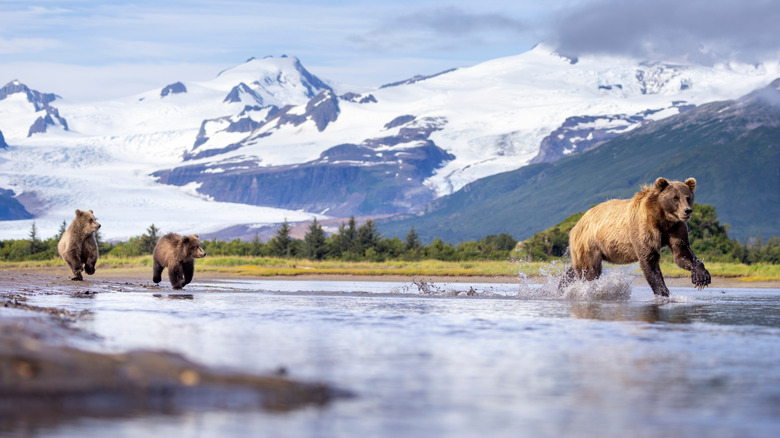
Like many of Alaska's parks, Katmai National Park and Preserve is primarily accessible by boat or plane. Most of the park's destinations, such as Brooks Camp, are reachable by air taxi from Anchorage, Dillingham, Homer, King Salmon, Kodiak, and other nearby towns. The park is headquartered in King Salmon, which you can get to by taking a commercial flight from Anchorage. By boat, you can cruise the Pacific Coast or take a small vessel to Brooks Camp and along the Naknek River.
Katmai National Park and Preserve spans more than 4 million acres and is a top brown bear viewing destination with views unlike anywhere in the world. It boasts a spectacular varied landscape with mountains, forests, and coastline, where thousands of brown bears are protected. Keep an eye on the live webcams on Explore.org during the annual Fat Bear Week tournament in late September, which celebrates the bears' enormous appetites as they prepare for hibernation.
Wildlife and ecosystems are protected here, along with the traditions of Indigenous people who have lived here for more than 9,000 years. Visit the Katmai museum at the Brooks Camp visitor center to see some of its 400,000 artifacts, ranging from fossils and geological samples, to historic photos and archives of Native Alaskan oral history. Brooks Camp is the park's most popular destination for bear viewing and fishing, and it's also a haven for backcountry adventurists. You can organize a quick drop-in visit by float plane, or opt to stay for several days at the charming and rustic Brooks Lodge or Brooks Camp Campground. Along with a visitor center and ranger-led programs, these amenities are all available from June 1 to September 17.
Kobuk Valley National Park
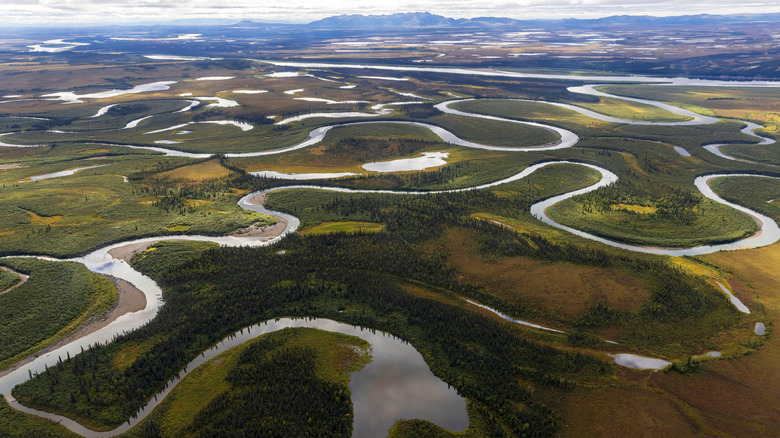
A truly unique landscape in the Arctic where sand dunes meet the Kobuk River, Kobuk Valley National Park is a nearly 1.8 million-acre ecologically diverse area and an important migration route for caribou. It's an oasis for backcountry camping, fishing, paddling, hiking, and more, which you can do on your own or with a guide. Access is only on foot, by boat, or by plane during the summer. In the winter, when dog sledding, skiing, and snowshoeing are popular activities, you can access the park by snowmobile, plane, or dogsled.
The 30-square-mile Great Kobuk Sand Dunes are the centerpiece of this underrated park. Wheeled airplanes can land directly on the sand, making it possible to drop in for a hike or camping in this popular area. Despite being in the Arctic, temperatures can climb to 100 degrees Fahrenheit in the summer. In the fall, tens of thousands of caribou traverse the area toward their winter grounds.
Kobuk Valley National Park is just west of Gates of the Arctic National Park and Preserve, and receives 24/7 daylight all summer long. But, like many other Alaskan parks, it doesn't have roads or infrastructure — if you'd like to hit a visitor center, plan to stop in the town of Kotzebue. Around 80 miles west of the park, this is where you'll find the Northwest Arctic Heritage Center, which serves as the headquarters for a triad of federal parks: Kobuk Valley, Cape Krusenstern National Monument, and Noatak National Preserve. All three are breathtaking when toured by air — their coastal landscapes, river basins, and highland vistas are truly otherworldly.
Kenai Fjords National Park
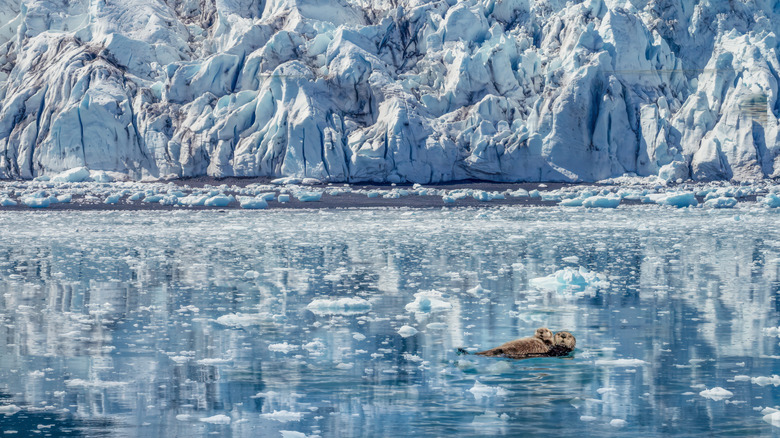
Located on the southeastern edge of the Kenai Peninsula, Kenai Fjords National Park is home to one of America's largest icefields, and it's an Alaskan haven with otherworldly trails and magical views. It's known for its glaciers, of which there are nearly 40, and the park is a crucial site for the study and impact of climate change, as the glaciers have been shrinking drastically. Like several of Alaska's national parks, the area is home to Indigenous people whose ancestors have been living off the land since time immemorial, especially connected to the seal populations along the Pacific Coast.
The icy fjords that give the park its name offer epic whale watching, kayaking, boat tours, and more. Local operators provide airplane excursions for amazing aerial views of the mountains and glaciers. Kenai Fjords National Park is a bit more accessible than some of the other remote parks, and much of it consists of wilderness areas that are excellent for backcountry adventures. The gateway town to the park is Seward, which is about 126 miles south of Anchorage by car. It's in Seward Small Boat Harbor that you'll find the visitor center and the only road into the park.
If you only have an afternoon, check out the Exit Glacier area for trails, ranger-led programs, and a nature center. With a bit more time to spend in the park, there are numerous ways to experience the landscape and its diverse wildlife. Book a boat tour or charter trip from Seward, paddle in a sea kayak, or take a strenuous 8.2-mile hike up to the incredible Harding Icefield, which can be accessed from the Exit Glacier area.
Methodology
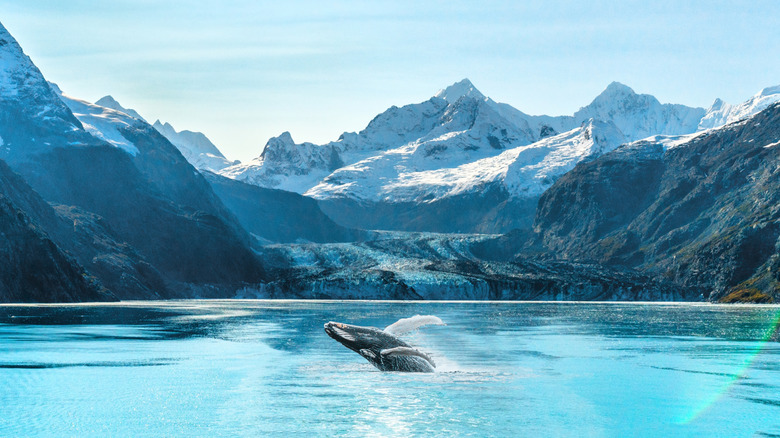
Along with its eight national parks, Alaska is home to seven more national monuments, preserves, and historical parks, which comprise nearly a third of all wilderness areas in the U.S. Needless to say, there are boundless opportunities to see intact ecosystems ranging from coastal stretches, to volcanic mountains, to expansive river valleys. It's just a matter of getting there, which requires planning.
We scoured regional tourism sites like Alaska.org and TravelAlaska.com to gain an in-depth understanding of the state's national parks, including their vast geography and surrounding communities. Visitor-related information, particularly opening hours, access, ranger-led programming, amenities, visitor center locations, and so on, came from official resources such as NPS.gov. Additional details were drawn from NationalParks.org and Explore.org, as well as the official websites of local services such as AlaskaAlpineAdventures.com and ArcticReachCharters.com.
It's worth noting that a trip to any of these parks requires extensive preparation and, in some cases, training or significant experience in remote wilderness areas with unpredictable terrain and climate. But, that doesn't mean there aren't plenty of ways to access Alaska's national parks even for those who are more inexperienced, or those seeking a brief and beginner-friendly visit. Always check current weather conditions, potential closures, and advisories for your destination ahead of time, heeding any tips or warnings from the National Park Service to make sure your trip is safe and — most importantly — enjoyable.