

California's Most Famous National Park Is Home To Breathtaking, Towering Waterfalls
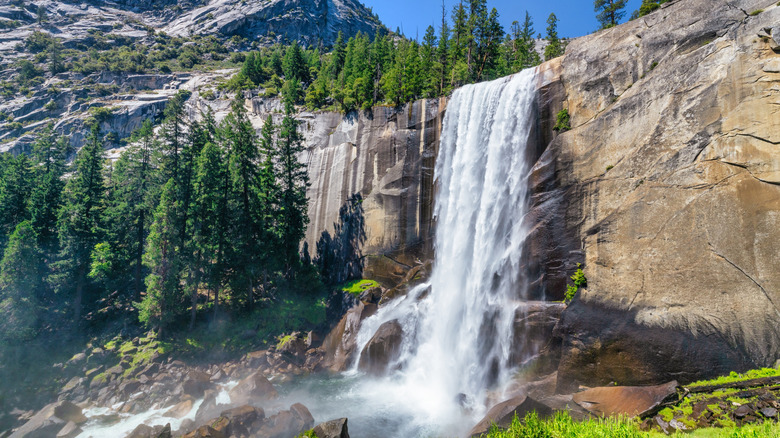
There are few things in nature more stunning than a waterfall. They're often a spot for proposals, breathtaking photography, and profound moments contemplating the power and beauty of nature. Waterfalls are one of the big draws for a number of parks, but if you're looking for some incredible, towering waterfalls, you have to visit California's Yosemite National Park. Established in 1890, California's most famous national park covers 759,620 acres and features giant sequoia trees that can be around three millennia old and a whopping 30 feet in diameter. There are beautiful meadows, gorgeous hikes (some of them to waterfalls), camping, animal spotting, and more. Still, the waterfalls are an obvious draw, and Yosemite boasts one of the tallest in the world, Yosemite Falls.
The park entrance fee is $35 at the time of this writing, and you won't have to pay for parking inside if you drive. There are also shuttle buses inside the park. While summer is a popular time to visit, you can experience this beauty all year. (That said, some roads and areas are closed during the winter and early spring.)
A visit to Yosemite is going to be a bit of a drive. The closest airport is Merced Airport, which is around a two-hour drive away, or you can take the Yosemite Area Regional Transportation System (YARTS) bus. Fresno-Yosemite International Airport is 1.5 to 2.5 hours away, depending on which entrance you're going to, though Amtrak, Greyhound, and YARTS (from early May to early September) are other options. In addition, Sacramento, San José, San Francisco, and Reno/Tahoe international airports are all between 3.5 and 4.5 hours away, with Amtrak and Greyhound as alternative transportation. It's a bit of travel, but it's worth it for what you're going to see and experience.
The waterfalls of Yosemite National Park
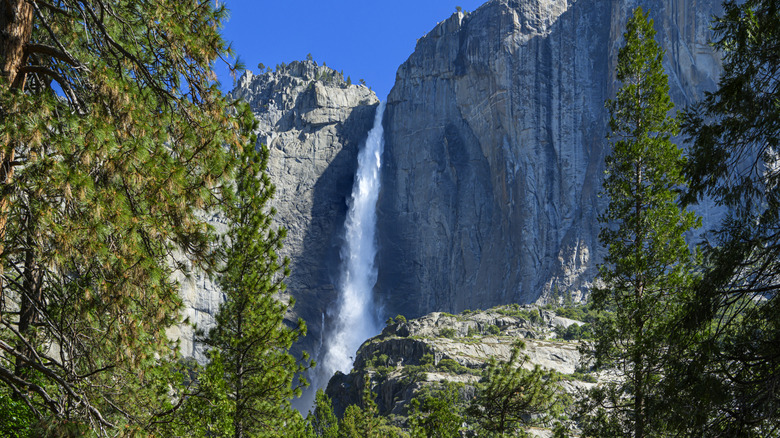
The waterfalls in Yosemite National Park are indeed breathtaking, and there are many to choose from for a visit. The best time to see them is in the spring and early summer, though some can dry up by August, so it's a good idea to keep an eye on the weather. It would be a crime to visit the park and not hit Yosemite Falls. This natural masterpiece is 2,245 feet high, and you can take a short, 1-mile loop to the base of the falls for some of the best pictures you'll ever take. There is a longer hike to the top of the falls, but do note that it's not easy.
Bridalveil Fall is 620 feet high, and May is your best shot for seeing it at its peak. You don't have to climb to see this one, as you can spot it from the road. Ribbon Fall, flowing from a height of 1,612 feet, is another one you can see from the road.
Sentinel Falls is around 2,000 feet high on the south side of Yosemite Valley, and this is a multi-cascade spot that might just make you tear up. Nevada Fall is 594 feet, and your best bet is late May through June to see it at its best from Glacier Point; there is also an accessible trail here. One waterfall, the 1,000-foot-tall Horsetail Fall, puts on a famous show in mid- to late February, when it appears to be on fire at sunset. This is an incredible phenomenon to experience, though it can get really busy, and you may need a reservation to see it. Crowded or not, it's a once-in-a-lifetime experience. There are other waterfalls to see, too, and if you're in the park at the right time, the sight is indescribable.
Hiking and the giant sequoias in Yosemite National Park
Hiking is the best way to see Yosemite, and with this much space, there are endless paths to choose from. However, you should know that you may have very slow internet service and spotty cellular coverage. Be smart and use a tip from search and rescue workers, which is putting a note about where you'll be in the glove compartment of your car, and let people know where you're going and when you expect to be back.
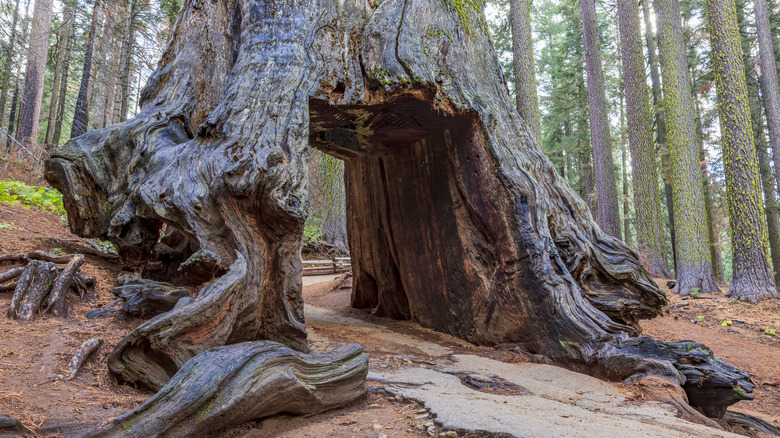
The giant sequoia trees are wonderful to see, and there are a number of hikes where you can do just that. However, if you're looking for some good spots without crowds, try the Tuolumne and Merced groves. The Tuolumne Grove Trail is a 2.7-mile out-and-back hike with a 623-foot elevation gain. It goes downhill on the way in, so make sure you save your energy. The Merced Grove Trail is 4.2 miles out and back with a 731-foot elevation gain, with a group of around 20 incredible sequoias. The Grizzly Giant Loop Trail is an easier one at 2 miles with a 380-foot elevation gain. This route takes you past the Grizzly Giant, the oldest specimen of this species in the park.
You can also take the challenging 3.1-mile Vernal Falls hike with a 1,131-foot gain. It can be slippery here, so make sure you wear the right shoes. If you really want to test yourself, get a Yosemite Wilderness Permit and follow the 27.3-mile Half Dome, John Muir Trail, and Merced Lake Trail path, with a 6,624-foot elevation gain. The trek can take more than a day, so you'll need to be an expert for this.
Things to do in Yosemite National Park
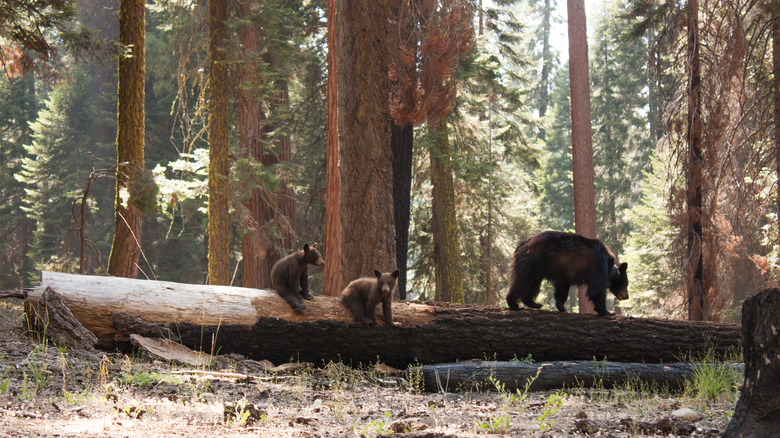
While you're camping, hiking, and enjoying the outdoors, keep an eye out for the wildlife that lives in Yosemite National Park. You may see Sierra Nevada bighorn sheep, bobcats, coyotes, deer, the rare Sierra Nevada red fox, mountain lions, or even black bears. Do not attempt to feed the wildlife, and know what to do if you see a bear while out camping or hiking. You should also be familiar with how to keep your food safe from bears before you go. That doesn't just include snacks — they'll also go after toiletries and other items with a scent. Don't leave food in your car at night, and look into food lockers at trailheads and campsites. Even when hiking, make sure you keep your food close by and don't leave it out.
Birding is a great activity in Yosemite, as 262 species have been spotted in the park. You can check out a bird checklist for Yosemite here, and make sure to bring binoculars. This can be a solo activity, or you can take a Yosemite Conservancy birdwatching trip. You can also check out the Christmas Bird Count if you visit in the winter. There are even 17 species of bats, so keep your eyes open when you're there at sunset. If spotting birds and bats isn't your thing, you can also do some fishing in the park with a valid California fishing license.
If you're a rock climber, Yosemite is a wonderland of opportunities. However, if you choose to climb, safety is really important. It's imperative that you look at all the park's regulations before scaling the walls. You can self-register for a free wilderness climbing permit on the park's website, which is required for overnight climbs.
Camping and lodging in Yosemite National Park
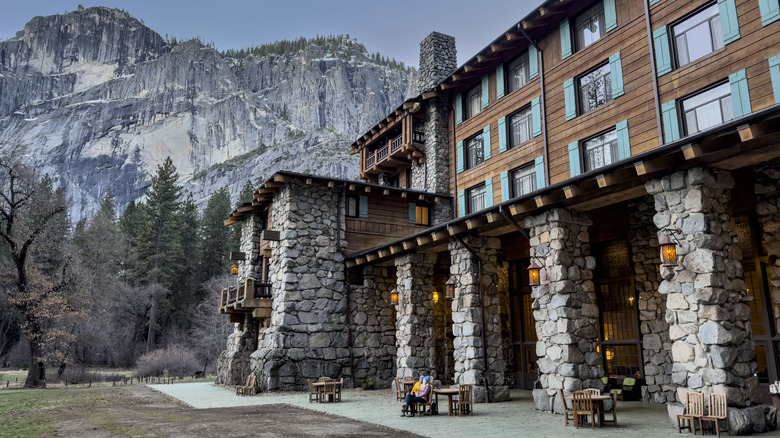
You have quite a list of places to stay in and around Yosemite. There are 13 campgrounds in the park, though only Upper Pines is open in the winter. It's a good idea to get your reservations really early, as the park is a very popular destination. There are some first-come, first-served campgrounds from late fall through early spring that fill up fast. You'll find a number of RV and trailer sites, but note that there are no electric, water, or sewer hookups. You can also do some glamping at Evergreen Lodge, boasting cabins, activities, and restaurants. Then there is the Tuolumne Meadows Lodge, which sits at an elevation of 8,700 feet. You can stay from mid-June through mid-September in canvas tents which have wood-burning stoves and access to showers and restrooms.
Inside the park, you'll find the famous and luxurious Ahwahnee, a National Historic Landmark offering views of Yosemite Falls and the Half Dome. There are shops inside, a beautiful restaurant, and powerful history, as this place has hosted presidents and Queen Elizabeth II. Yosemite Valley Lodge is a stunning property with plenty of rooms, including ADA-accessible rooms, as well as an outdoor amphitheater and on-site bike rentals. For something completely different, you can stay in Curry Village, established in 1899. Choose between tent cabins, regular cabins, and hotel rooms, and join the free walking tour of the Curry Village Historic District. Right by the northwest entrance to the park is Firefall Ranch, which has pet-friendly cottages and villas, horseback riding, a pool, and s'mores in the evening. Finally, if you want to extend your wilderness vacation, check out Dinkey Lakes Wilderness, a less-crowded Yosemite alternative nearby.