

One Of Florida's Best-Kept Secrets Is A Gulf Coast Gem With Amazing Seafood
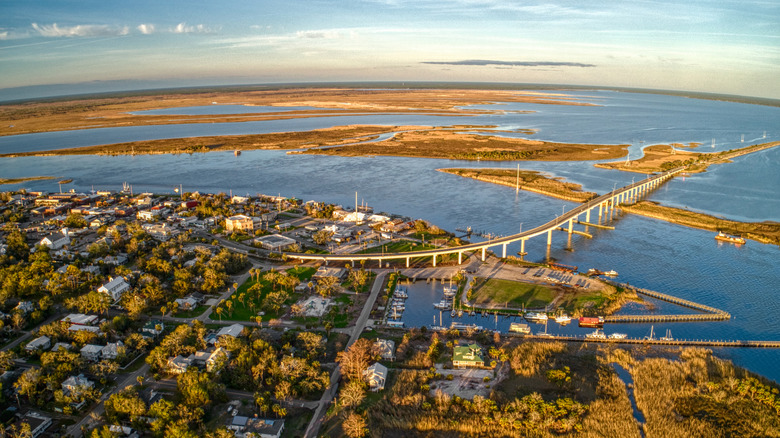
The Florida Panhandle is a unique and arguably underappreciated place. Home to white sand beaches, lazy rivers, windswept barrier islands, and this dreamy seaside city, this slice of the Sunshine State's north gives the more famous spots in the south a run for their money. It's also home to a stretch of shoreline known as the "Forgotten Coast," which is teeming with wildlife, and is where you'll find unspoiled and largely undeveloped beaches and the charming town of Apalachicola, filled with mouthwatering seafood.
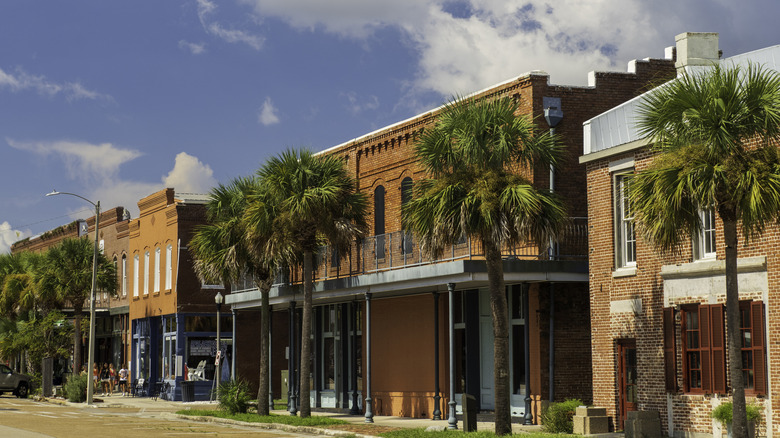
Situated at the mouth of the river that shares its name, Apalachicola is home to just around 2,300 people, and is known for its old brick historic buildings, maritime heritage, small-town ambiance, and laid-back beach vibes. Also referred to as "Oystertown," it's one of the best places along the Forgotten Coast to dive into fresh local seafood. You will also find no high-rise or big chain restaurants in Apalachicola. Things have remained much more local in this hidden spot of old-school Florida, which only adds to its charm.
The town also makes the perfect homebase for exploring the natural delights surrounding it. It sits next to a large national forest, and is just a 20-minute drive from one of the area's most pristine beaches. It's also within quick striking distance of St. Vincent National Wildlife Refuge where you can take in the local fauna in a beautiful and quiet environment.
Savor unspoiled nature and fresh seafood in Apalachicola
Apalachicola is surrounded by some of Florida's most untouched nature, and for something right in town, take a short hike along the Scipio Creek Boardwalk. This gravel path and elevated nature trail takes visitors through a mixture of wetlands and hardwood forest to a deck overlooking the Apalachicola River. As part of the Great Florida Birding and Wildlife Trail, it's a magnet for birders, featuring both local and migratory species.
For a deeper dive into outdoor bliss, head a few miles down the road to the St. Vincent Wildlife Refuge. This 12,492-acre reserve protects two islands as well as mainland tracts and is home to large populations of migratory birds. It's also a scenic spot for hiking, bicycling, kayaking, as well as fishing, and if you keep your eyes peeled, you just may spy a sea turtle or two. For one of the area's best stretches of sand, drive 20 minutes to Dr. Julian G. Bruce St. George Island State Park. Located on Florida's longest barrier island, this gorgeous beach offers endless opportunities for wildlife watching and beachcoming, swimming in the turquoise waters, or just lying on the powdery sand and watching the day drift away.
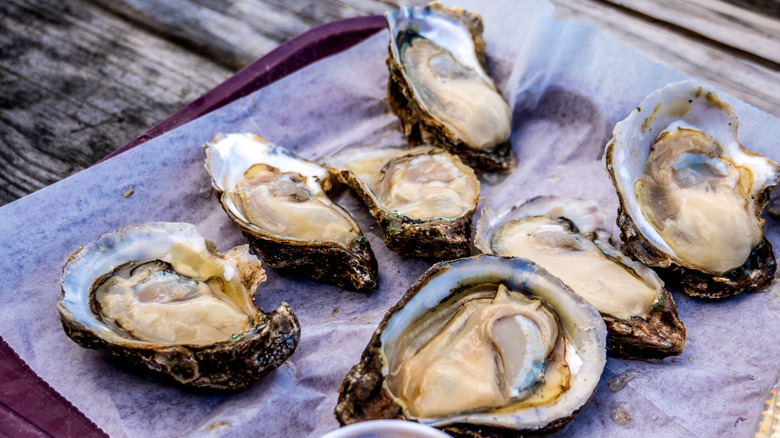
All of this outdoor exploration will surely work up an appetite, so head back into town for a seafood meal. The Half Shell Dockside serves up fresh oysters, shrimp, and fish (such as ahi) on an outdoor deck overlooking Scipio Creek. Up the Creek Raw Bar specializes in more oysters and down-home pub grub while the Owl Café and Tap Room is known for its seafood delights and wall of taps serving up quality cold beer. For more goodness in Florida's Panhandle, check out this uncrowded stretch of coast.
Soak up the Old South splendor of Apalachicola
Just 90 minutes south of Tallahassee International Airport, Apalachicola was founded as a lumber center and cotton-shipping hub. Abandoned during the Civil War, the town eventually made the transition to seafood as the main industry — mainly in the form of oysters, fish, and shrimp — as well as the harvesting of sea sponges. Today seafood remains a vital part of the local economy, along with tourism.
To appreciate the area and its history, take a stroll through Apalachicola's Historic District. This picturesque neighborhood features over 900 homes and buildings that date back to the 1830s. Here you can see old cotton warehouses along with the grand Victorian houses of the former timber barons. While you're there, stop by the Orman House Historic State Park, where you can appreciate the stately beauty of a classic antebellum mansion constructed by cotton merchant Thomas Orman. In addition to the impressive house, the property also boasts the Chapman Botanical Gardens, a collection of impressive flora named for famed 19th century botanist Dr. Alvin Chapman. Keep your eyes open for migratory butterflies, which are plentiful in the gardens during certain times of the year.
For more history, head to the Raney House Museum, a 1838 Greek Revival building that houses documents, furniture, and other fascinating items from the 1800s. The John Gorrie Museum State Park is also worth checking out. Gorrie was one of the first people to experiment with refrigeration and air conditioning technology. This museum highlights a few key artifacts, including his ice-making machine — a revolutionary device at the time.