

The 'Galapagos Of North America' Is A Stunning National Park In California
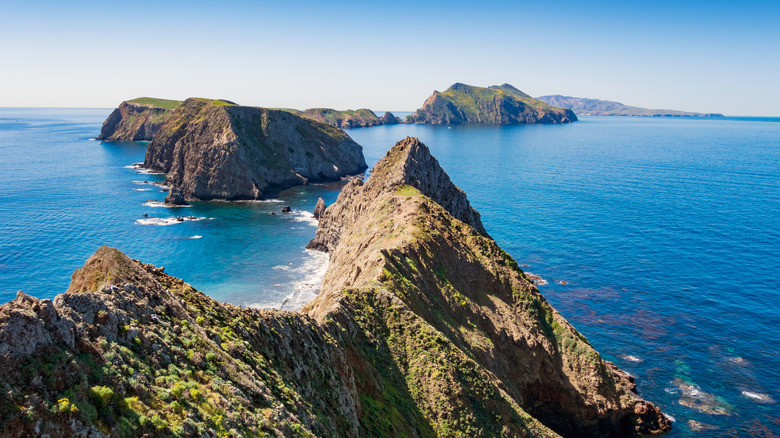
It's no secret that California is bursting with jaw-dropping scenery. After all, it's not only home to the largest number of state parks in the country, but it also tops the list when it comes to national parks. From the surreal Mars-like landscapes of Death Valley to a wildly underrated spot boasting a lake with Caribbean blue waters, California's nine national parks offer a wide range of landscapes and experiences. And while each of them certainly brings something to the table, perhaps none is as unique as Channel Islands National Park.
Situated just off the Southern California coast near the iconic, Spanish-inspired city of Santa Barbara, the Channel Islands are a collection of rocky rises that jut up from the waters of the Pacific like a reptile's spine. Often referred to as the "Galapagos of North America" because of the rich biodiversity found there, these islands were declared a national park in 1980. Today, they attract visitors keen to soak up the awe-inspiring surroundings and experience the one-of-a-kind flora and fauna that make the islands such an extraordinary place.
The Channel Islands also possess a fascinating human history that dates back some 12,000 years. Long home to the Chumash people, evidence of their settlements can still be seen today — which adds another fascinating chapter to the story of the islands. Whether it's hiking, kayaking, snorkeling, or just soaking up the arresting beauty of the Channel Islands, this California national park is not to be missed.
Channel Islands National Park is a fascinating spot off the coast
The Channel Islands National Park is a nearly 250,000-acre reserve that encompasses five of the eight islands: San Miguel, Santa Rosa, Santa Cruz, Anacapa, and Santa Barbara. The park sits 22 to 75 miles off the coast, making it a bit of a challenge to get there. That said, the easiest way is to jump on the Island Packers ferry that departs from Ventura Harbor (about a two-hour drive from LAX) and makes stops on Santa Rosa, San Miguel, and Santa Barbara Islands. To get to Anacapa Island, it's possible to take another ferry departing from Oxnard Harbor a bit further down the coast.
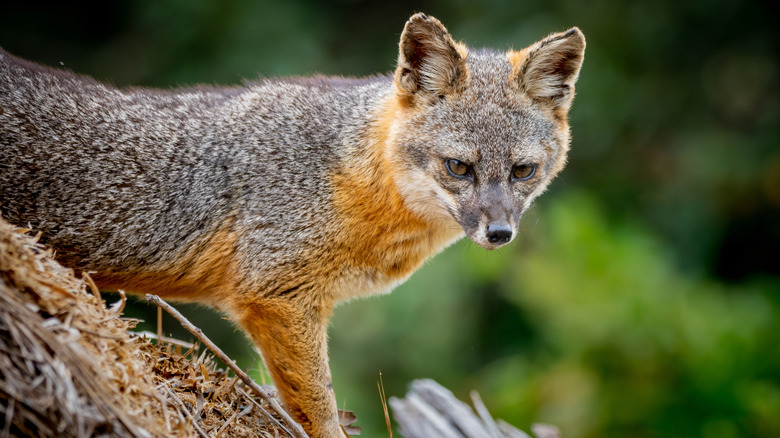
What makes the islands special are the over 2,000 plant and animal species found there, including 145 seen nowhere else on Earth. These include animal species such as the island fox, spotted skunk, and island scrub jay, as well as plants like the island paintbrush and Torrey pine. The seas surrounding the Channel Islands are also exceptionally rich in life, with kelp forests, anemones, scores of fish species, and marine mammals such as dolphins and migratory gray whales. Seals and sea lions are also exceptionally numerous. Not only can you see them basking on the rocks and gliding through the kelp beds, but they also gather in the hundreds of thousands to breed on San Miguel Island at different times of the year.
For 12,000 years, the Channel Islands were the home of the Chumash people — skilled boat makers, basket weavers, and fishers whose villages dotted the landmasses. While they no longer inhabit the area, remains of their settlements have been excavated, and you can learn more about them at the Chumash Indian Museum in Thousand Oaks, which is just a 40-minute drive from Ventura.
Explore the land and waters of the Channel Islands
Perhaps the best way to explore Channel Islands National Park is by heading out on a hike. Santa Cruz is the largest and most visited of the islands. It offers excellent paths such as the Smuggler's Cove Trail, an 8-mile out-and-back hike with arresting views and chances to spot iconic wildlife. Meanwhile, the shorter Scorpion Point Loop is a 4.5-mile jaunt that fits in perfectly with a day trip. Experienced hikers may want to head next door to Santa Rosa Island and summit Black Mountain, a rugged 8-mile round-trip excursion that offers the most soul-stirring vistas in the park.
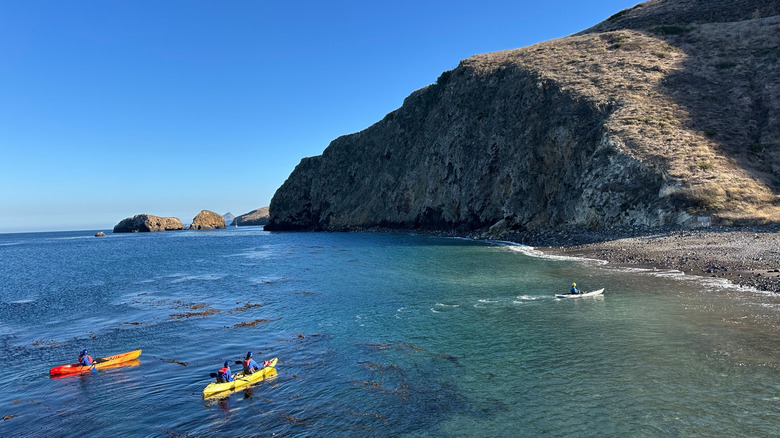
The waters of Channel Islands National Park are also ripe for exploration. Kayakers will not want to miss the kelp forests and rocky inlets of Anacapa Island, while Santa Cruz Island's Painted Cave is a must-visit. One of the largest sea caves in the world, this 1,227-foot recess reaches heights of 130 feet and is named for the vivid colors found in the rock. The park is also home to a number of great snorkeling spots teeming with underwater life — including Scorpion Cove and Pelican Bay, also on Santa Cruz.
While many come to Channel Islands National Park as part of a day trip, it's also possible to camp. You can pitch a tent year-round at the established campsite on each of the five islands: Landing Cove on Santa Barbara, the east islet of Anacapa, Scorpion Canyon on Santa Cruz, Water Canyon on Santa Rosa, and above Cuyler Harbor on San Miguel. The sites are extremely primitive, and water is only available at Water Canyon and Scorpion Canyon. Campers must also bring all of their own supplies and pack out all of their trash.