

What Foreign Visitors Should Keep In Mind When Going To US National Parks In 2026

America's national parks are some of the country's greatest treasures and bucket-list destinations for travelers worldwide. In 2024, per the National Park Service, roughly 332 million visitors flocked to these natural wonders to spot everything from wildlife at the "Serengeti of America" to stunning fall colors at Acadia National Park in Maine. While many of the most popular national parks are priceless in terms of their natural beauty, for some visitors, they will soon have an expensive price tag to match, roughly the same as an off-season ticket to Disneyland.
As of January 1, 2026, all foreign non-resident visitors aged 16 and up will have to pay an additional $100 fee per person in addition to their entrance fee for 11 of the country's most popular parks, including Grand Canyon, Yellowstone, Grand Teton, Glacier, and Everglades National Park. Even if you're planning a day-long bus trip from Las Vegas to the Grand Canyon, for example, you won't be able to dodge the additional $100 entrance fee. Foreign visitors who plan to explore multiple parks will have the option to purchase an annual multi-park America the Beautiful pass for $250, covering entry fees for a full year on federal lands. From 2026, foreign visitors will also not be able to take advantage of free visitor days around major federal holidays, including the Fourth of July and Memorial Day. All visitors, including U.S. citizens and residents, will be able to purchase digital passes online for added convenience at park entry gates.
How to get your nature fix in the United States from 2026
The National Park Service notes that all revenue generated by entrance fees stays in national parks, with 80% staying in the park where it is generated and 20% going to parks that need additional revenue to function. The National Park Service estimates that it needs $22 billion to cover key maintenance projects at campgrounds and in park infrastructure coast to coast.
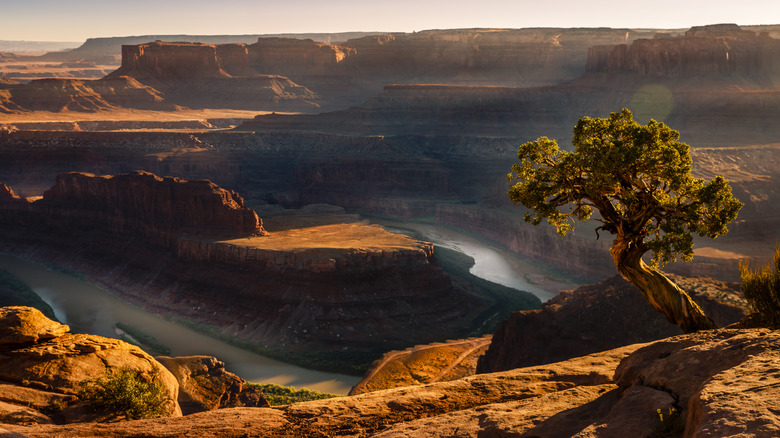
If you're worried about being priced out while visiting the United States in 2026, don't worry. You still have plenty of lower-cost national and state parks to visit. Nearly 300 of the 400-plus national parks in the United States are still free to enter, including the country's most visited national park, Great Smoky Mountains National Park in Tennessee. Others, including Texas' under-the-radar Big Bend National Park and Arizona's underrated Saguaro National Park, have incredible natural scenery on a budget (and fewer crowds in general, apart from peak winter months). In the southwest, the views at Utah's state parks, including Dead Horse Point State Park and Snow Canyon State Park, give the Grand Canyon and Zion National Park, respectively, a run for their money. If you're set on seeing bison, you could visit Yellowstone, or opt for Custer State Park in the Black Hills of South Dakota, home to 1,300 wild bison and the unique (and free) Buffalo Roundup in September. Generally, state parks also charge an additional fee for out-of-state visitors. The fees are not as dramatic, but the views still are!