

'The Big Easy' Is A Vibrant Louisiana City Full Of Fun And Amazing Live Music
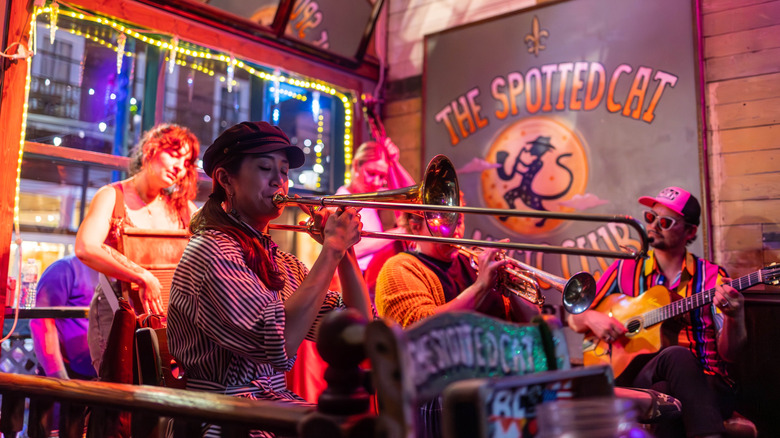
There's a city in the United States where "let the good times roll" is more than just a motto. In "The Big Easy," or New Orleans, Louisiana, the phrase translated from the French "laissez les bon temps rouler" perfectly encapsulates the way of life in this Southern coastal city. And it has a soundtrack to match.
Jazz music is synonymous with New Orleans. After all, it is the official birthplace of the music genre, and its international airport a 20-minute drive away is named for jazz legend Louis Armstrong. The jazz we know today evolved from humble beginnings in the early 19th century, when enslaved people would gather on "free Sundays" to play music that celebrated their collective Caribbean and African heritage. Today, that music floods from music halls, bars, and the streets themselves as musicians entertain locals and visitors alike.
Perhaps the best-known place to hear the music and join the never-ending party is New Orleans' Bourbon Street, Louisiana's famed street known as an adult playground full of entertainment. This stretch of historic buildings houses homes, bars, restaurants, clubs, and shops that cater to the whimsical atmosphere of the city and its historic roots. Visitors can expect a number of street performers and artists in the area, and they may even encounter a Voodoo priest or priestess along the way.
New Orleans is a city full of clubs, history, Voodoo, and ghost stories
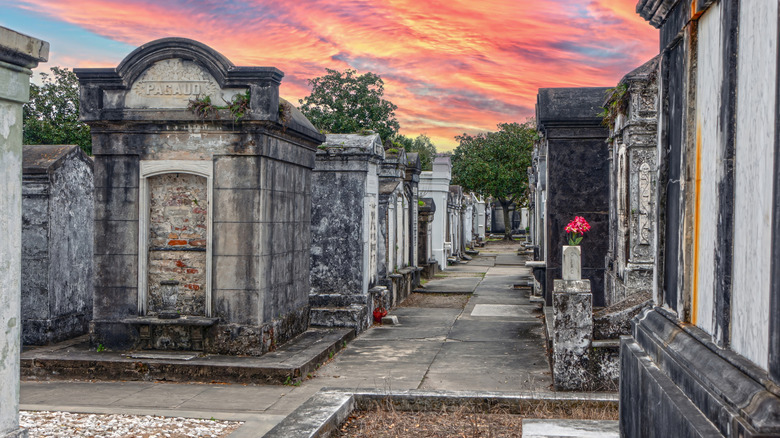
While many headlines that spotlight New Orleans showcase its music and nightlife, it's also important to remember its historic components. The city is home to the French Quarter, one of the 12 best historic districts to visit in America. Exploring this neighborhood is like stepping back into history. Structures date back to the 1700s here, and historical markers are found on nearly every block. A casual stroll by keen-eyed history buffs will unveil stories of pirates, revolutions, religions, and ghosts.
Just steps away from (and sometimes within) the loud bars and jazz music pulsating from the nightclubs on Bourbon Street lies a treasure trove of history. Shops, hotels, and bed-and-breakfasts are prevalent here, all mostly contained within historic structures. Undoubtedly, the most recognizable and prominent building in the French Quarter is St. Louis Cathedral in Jackson Square. This church began serving the community in 1724, making it the oldest continuously operating Roman Catholic cathedral in America.
Another popular tourist destination is St. Louis Cemetery No. 1. Here the familiar mausoleums that have appeared in countless films give ticketed visitors a chance to tour the legacies of New Orleans' previous residents. Among the most notable is the tomb of Marie Laveau, a Voodoo priestess said to be laid to rest here in the 19th century. There is a history of guests defacing the tomb with large Xs, in the belief that the priestess will grant their wishes. Take heed, however: The action is discouraged and damaging to the tomb itself. Those caught performing the ritual could face a hefty fine.
New Orleans' cuisine blends perfectly with its history
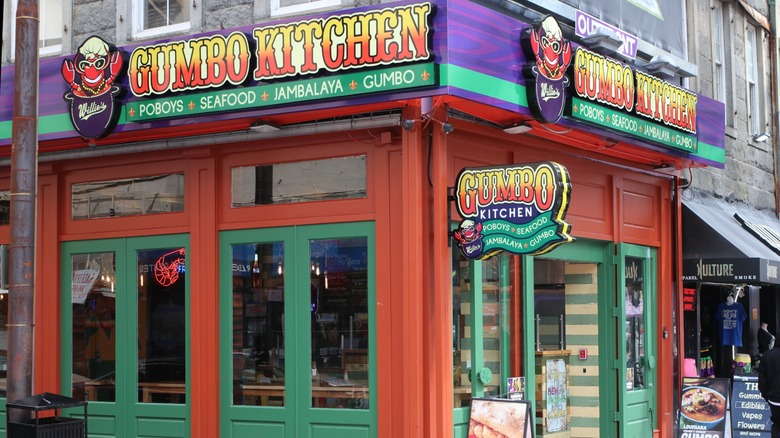
New Orleans has many identities. It's known as "The Big Easy" and the "Crescent City," the latter of which is a name derived from where it rests on the curve of the Mississippi River. But its thriving and diverse culinary scene has also contributed to its reputation as "Gumbo City," "Crawfish Town," and "Big Greasy."
By whatever name, the Cajun and Creole offerings in this city have influences from around the world, including Haiti, France, the Congo, and Spain. Gumbo, jambalaya, po'boy sandwiches, étouffée, beignets, and king cakes are just a small sampling of the plentiful cuisine available in New Orleans. Internationally known chefs like Emeril Lagasse and Dee Lavigne have restaurants here, and with over 1,400 restaurants in the city, there's a culinary taste for every palate. Of course, the Crescent City isn't the only Louisiana city with a signature cuisine. Breaux Bridge, located two hours away, is known as the "Crawfish Capital of the World."
New Orleans' best weather is in the spring and fall months, especially for those looking to casually stroll through its streets in cooler temperatures. One of the city's busiest times is in late February, when the world-renowned Mardi Gras celebration takes over. But for those who want to soak up the jazzy atmosphere of the city, April and May are the best times to visit, which is when the Jazz & Heritage Festival brings in musicians from around the country to celebrate the sounds of the city.