

Rick Steves Thinks This European Capital Is A Must-See When Visiting Germany
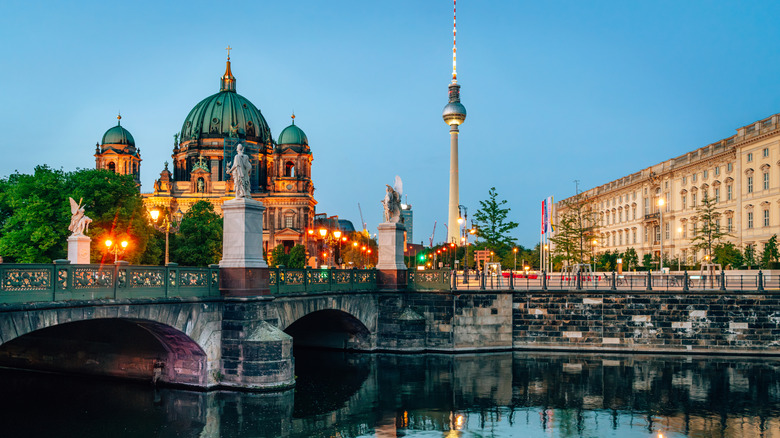
Today the capital of Germany is a buzzing metropolis full of bars, cafes, museums, creativity, and history. It's no wonder that travel blogger and TV host Rick Steves calls Berlin a "nuclear fuel rod of a great nation," on his travel blog Rick Steves' Europe. International fans of music come here for its renowned symphony orchestra, history buffs have seemingly countless museums and monuments to explore, and young creatives have settled in among neighborhoods in the east and built restaurants and shops that cater to like-minded visitors.
Berlin itself is a mix of the past and the present. Government buildings are prevalent in the capital, but so are modern accommodations and businesses. More than 3.5 million people call Berlin home, and the city is constantly modernizing with construction projects promising even more innovation in the coming years. According to Steves, the ongoing construction is not a distraction for visitors and actually entices future visits.
Throughout the city, more than 170 museums invite locals and tourists alike to discover history and art. If you find yourself in Germany during the holiday season, you will no doubt come across a German staple. Like so many German cities, Berlin celebrates the season with spectacular outdoor Christmas Markets. As Steves says, Berlin regularly "looks to the future and remembers its past."
Berlin is a city of contrasts
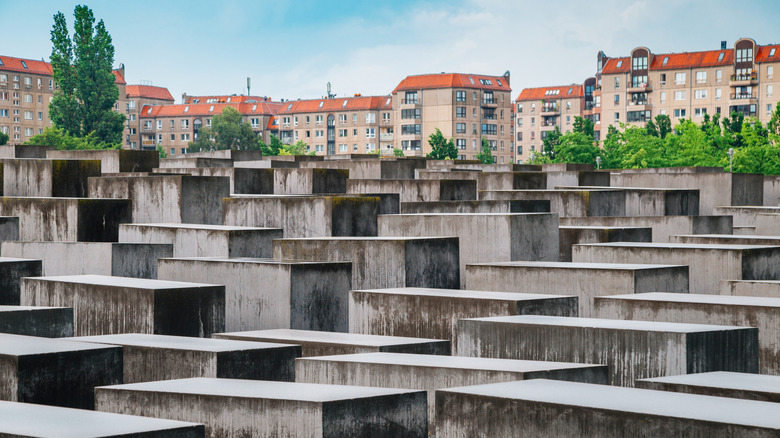
Exploring Berlin feels like a mix of nostalgia, history, and forward thinking. It's a vibe here that gratifyingly mixes hope for the future with a recognition of a dark past. Steves rightly says that in Berlin "the fine line between history and current events is excitingly blurry." As modern, bustling hotels, cafes, and familiar sites like Starbucks welcome visitors to the city, so do monuments and memorials that recognize a brutal past.
Steves specifically points to The Memorial of Murdered Jews in Europe (pictured above) near Berlin's Brandenburg Gate as a powerful site that acts almost as an art piece that forces visitors to reflect on its significance. Steves was especially moved by the collection of stolpersteine, or "stumbling blocks" that are embedded upon the walkways of Berlin. These plaques commemorate individuals who once lived in the city before meeting a horrifying end during the Holocaust.
While Berlin recognizes its grim past, it also celebrates the history of multiple cultures within its Museum Island district. Here, five distinct museums that saw renovation in the 1990s showcase everything from modern art and ancient jewelry to European sculptures and a 3,000-year-old bust of Egypt's Nefertiti. There is an entry fee into Berlin's museums, but Berlin is considered one of the more affordable capital cities in Europe. And not only are the accommodations and attractions less expensive, so are the shopping options. Berlin is among the best cities in Europe for thrifting funky fashion from an eclectic mix of shops.
Know how (and when) to access all Berlin has to offer
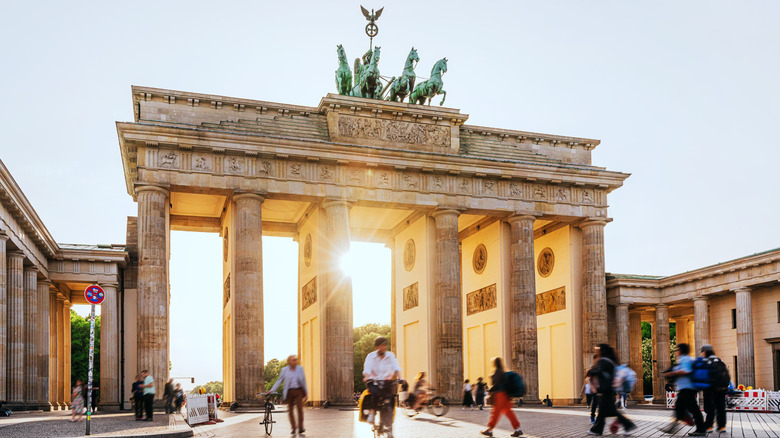
Like many European cities, Berlin invites its visitors to explore and enjoy its many attractions as conveniently as possible. The Berlin Welcome Card is the least expensive way to gain access to nearly 200 museums and attractions. The card also allows for use of Berlin's impressive transit services, making navigation of the city less cumbersome. While it has an impressive intercity system, Berlin is also a well-connected European city via train. Soon, Berlin will be a stop along several new train routes rolling out scenic views in Europe.
Most guests arrive in Berlin through Flughafen Berlin Brandenburg (BER), or the Berlin airport. However, there are currently very few direct flights into Berlin from the United States, requiring most visitors to stop in the German cities of Munich or Frankfurt before flying into the capital. Car rentals, trains, and buses are all available throughout Germany, making navigation to your desired destination easy.
Berlin in the Summer is warm and comfortable with highs around 75 degrees Fahrenheit. This encourages open air events and festivals between May and September, but it's important to remember that air conditioning is not a common amenity in the city. Cloudy and wet weather usually marks the winter months in Berlin, with low temperatures easily below freezing. However, holiday markets, ice skating rinks, and snowfall make for a welcoming, charming atmosphere.