

Rick Steves Recommends This Money Tip To Make The Most Of Your European Travels
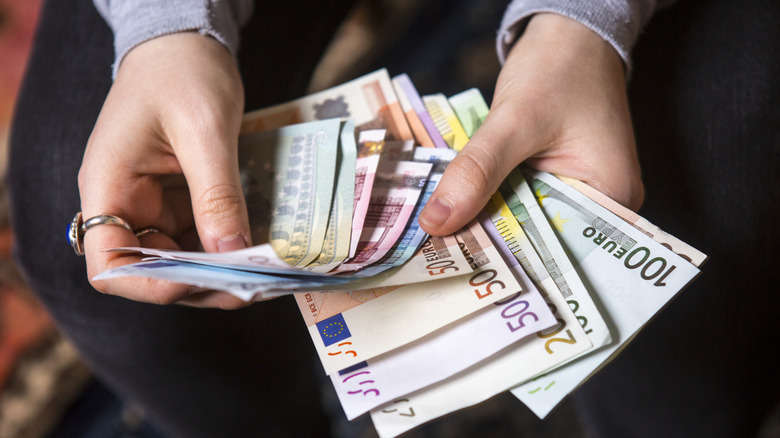
After the planning, the organizing, the reservations, and the budgeting, you may feel like you've done everything possible to create a memorable and exciting European trip. Planning ahead is always a positive, but adjusting and reacting to events as they unfold during your European vacation is just as important — especially when it comes to unexpected expenses.
On his website, travel writer and television host Rick Steves encourages travelers to Europe to be unafraid to spend a little extra money here and there to enhance their trip. "Smart travelers will spend a little extra to polish off the rough edges of a trip and maximize precious time," Steves writes. "Faster trains can cost a bit more, but are worth taking if it means you're not arriving at the next town just as most sights are closing for the evening." This can also mean saving your energy, especially if a quick taxi ride helps you avoid long, tiring walks.
Fans from around the world respect Steves' advice — from choosing the best sites to visit to deciding whether to book an Airbnb in Europe. And when it comes to travel finances, Steves is very clear: "Don't be penny wise or pound foolish." Rather than being frustrated by the additional costs, plan for them, and expect that there will be opportunities along the way to make your trip even better than you originally imagined.
Why spending a little more can upgrade your trip
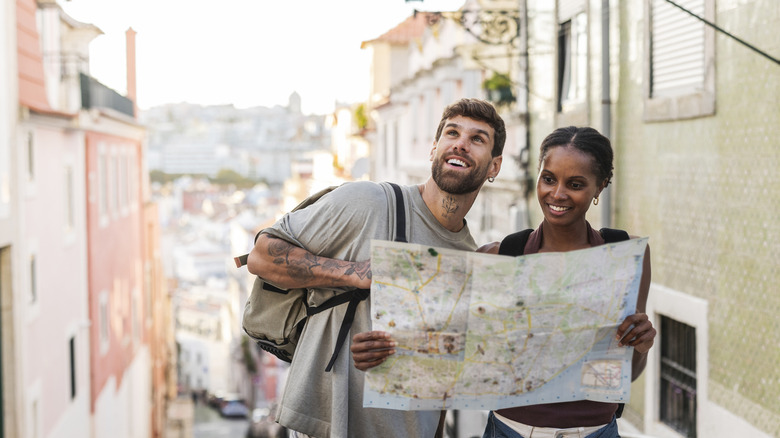
As the saying goes, time is money. So, giving yourself permission to splurge when it can lead to memorable experiences is a wise investment, Steves believes. That said, it's also important to be flexible in other aspects of your journey throughout Europe. Cultural differences, language barriers, and varied etiquette practices are to be expected whenever you are in a country other than your own. This is why Steves suggests "making an art out of taking the unexpected in stride."
One of the best travel tips Steves swears by is his belief that tackling challenges with creativity while traveling will help you with the all-but-guaranteed disappointments that can occur. For less traumatic challenges — like a museum closure or unsightly construction around an iconic historic monument — it's worth seeing it as an opportunity to ad-lib, Steves writes.
Similarly, Steves also believes that a good offense is the best defense, so use your trip-planning time to gather up-to-date information that can help you when plans unexpectedly shift. That way, if something truly challenging happens, you already know how to react. This includes knowing what to do if your wallet or phone is stolen, or even learning how to replace a lost passport while in another country. After all, he writes, "you're on the other side of the world playing games in a friend's backyard."
Other ways to make the most of those unexpected moments
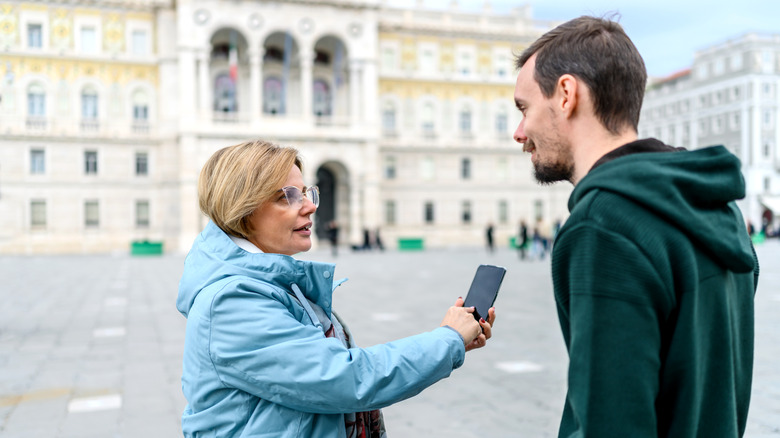
Travel can be intimidating, and unfamiliar streets and languages can cause a traveler's introverted tendencies to emerge. However, Steves encourages travelers in Europe to reach out to locals to enhance the cultural experience and discover excitement. Every traveler has encountered some kind of challenge on a trip, he reminds readers, and the vast majority have always survived them. "Don't underestimate yourself," he writes.
As Steves reminds us, Europe is ever-evolving, just like the rest of the world. Although many tourists may have a fantasy of what a visit to Europe should be like, they're likely to be surprised when they discover their destination is very different or more overwhelming than they imagined. However, instead of being frightened by those unexpected experiences, he suggests travelers savor them.
At the end of the day, opportunities for adventure are everywhere in Europe, and adjusting to events as they unfold — even if it means splurging on something to enhance the experience — is sometimes key to making a truly memorable trip.