

Alaska's Underrated National Park Boasts Amazing Landscapes, Wildlife & Adventures
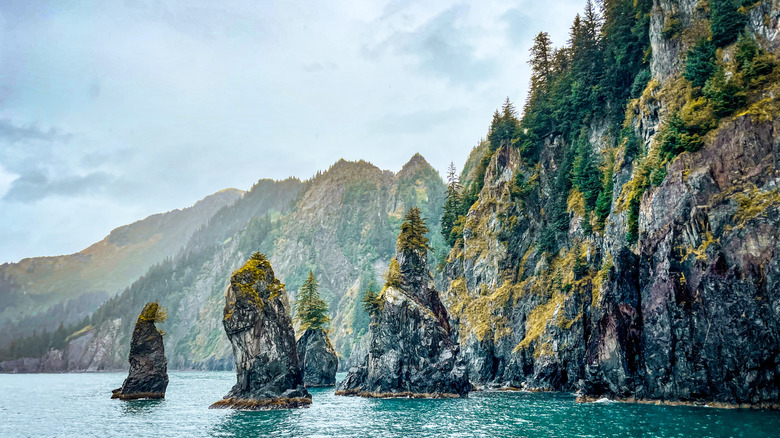
The untamed wild of Alaska is truly on display in the state's national parks. While Denali (also known as Mount McKinley) is the highest peak in North America and strikes a chord with mountaineers and thrill seekers, the state's smallest national park on the Kenai Peninsula has incredible opportunities for travelers to get up close and personal with birds and marine wildlife. It also allows visitors to witness the planet's struggle with climate change and take in the unique local culture.
Kenai Fjords National Park, near Seward, is in a temperate rainforest. Since being designated as a national park in 1980, the park's 600,000 acres have had little human footprint, with just one primary road to access it. In 2024, fewer than 420,000 total visitors explored the park; however, the vast majority came during the warmer summer months. During these months, more daylight and smoother waters mean more opportunities and better weather to kayak or take smaller boats around the inlets and Resurrection Bay, along with easier hiking across the park's Exit Glacier and the Harding Icefield Trail. However, it's important to note that easier still means relatively challenging, and you should still be well prepared for rain.
Whether you're visiting the park's Exit Glacier or the breathtaking coastal fjords, Seward is the main access point to the park. From Anchorage, the nearest city with a major airport, visitors are in for a treat on the way to this national park. Drive two gorgeous hours along the Seward Highway, or hop on the seasonal scenic train from Anchorage to Seward, the primary gateway to Kenai Fjords National Park. If you do take the train, you'll pass through this stunning Alaska town with glacial views. Once you arrive, simply hop on a summer shuttle to the Exit Glacier Visitors Center for $15.
Experience one of the coolest summer hikes in the country
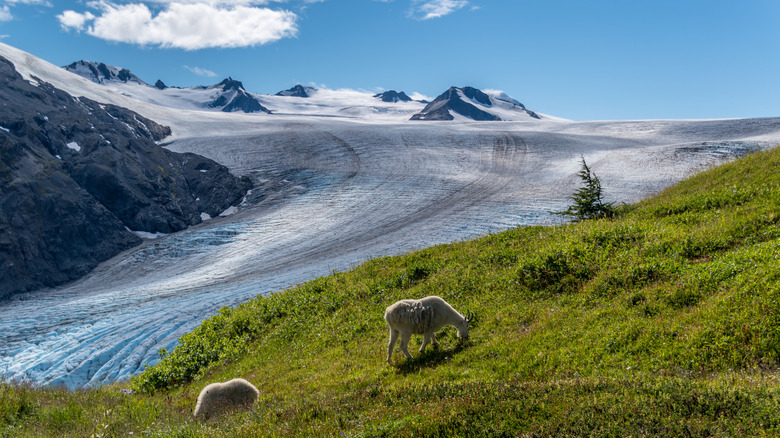
Travelers interested in witnessing evidence of plate tectonics or changes to the earth's climate over time shouldn't miss hiking to the park's Harding Icefield, which comprises over 40 different glaciers, including the park's Exit Glacier. During the last Ice Age, scientists believe that glaciers covered North America down to California; while most of these glaciers across North America have melted, the relatively young Exit Glacier (at just 23,000 years old) continues to shape the valley. From the Exit Glacier Visitors Center, you'll find the short, wheelchair accessible Exit Glacier Loop Trail, with breathtaking views of the park's crown jewel high above. If you're up for the challenge of climbing above the treeline as well as up a glacier, you can hike the 8.2-mile Harding Icefield Trail. This hike isn't for the faint of heart; you'll climb and descend roughly 3,500 feet total, (roughly a 900-foot climb for every mile walked). Luckily, there are several turnaround points on the trail, at Marmot Meadows and the Top of the Cliffs, for those who'd like to shorten the journey.
Even though the National Park Service classifies the Harding Icefield Trail as a day hike, you should be well-prepared for your challenging trek, including biting winds and rain. If worst comes to worst, note that there is an emergency shelter at the top. For the hike, bring large amounts of water or a purifier that will remove giardia, rain gear, as well as your own trowel and hygiene kit in case nature calls. Past hikers can't recommend bringing trekking poles enough. Finally, note that while you will likely see incredible wildlife, including mountain goats and snow marmots, there is also a possibility that you will encounter bears. Here is what to do if you spot a bear on your hike.
Explore Kenai Fjords National Park by water
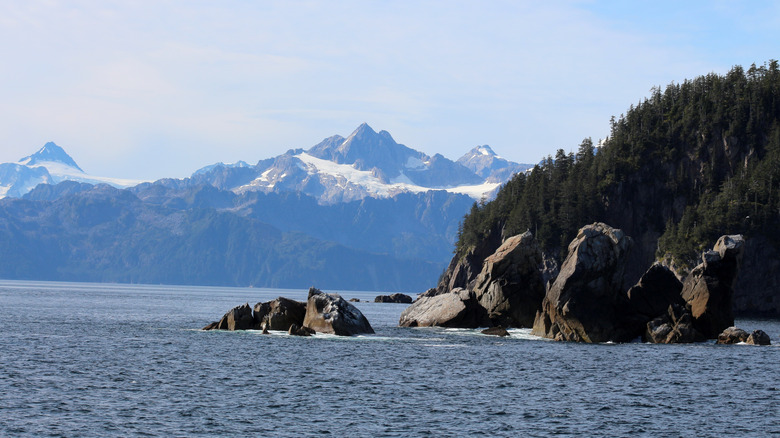
Another way to get incredible views of the gorgeous glaciers of Kenai Fjords — and whales — is by cruising along the waters surrounding Kenai Fjords and Resurrection Bay. While you won't be able to walk across the glacier, you'll still get to see the incredible power of nature firsthand as you float by tidewater glaciers, which tell their own stories of the past. You may even witness a calving, which is when a portion of the glacier breaks off into the ocean. The National Park Service does not provide, nor recommend a specific tour agency, though there are several local companies around Seward that offer trips during the summer months. It's recommended to make reservations early and take a longer trip to the Holgate or Northwestern Glaciers to truly appreciate the magnitude and the beauty of the park.
If you're looking to do some of the paddling, or travel around the Chugach Region of Alaska as Alaska locals have for generations, several local outfitters offer summer kayaking trips around the Aialik Glacier, the largest in Aialik Bay. Similar to hiking, kayaking in the waters around Kenai Fjords is challenging, and it's strongly recommended for beginner kayakers to go with a local. Whether you're exploring by boat or by kayak, be sure to wear layers and plan for chilly temperatures and wind. On the outside, go with a waterproof jacket and pants, and opt for water-resistant wool underneath. Other, longer trip options include multi-day kayaking and camping excursions with all of the fixings and memories of a lifetime included. Don't forget waterproof bags for your camera and sunscreen.
Winter excursions at Kenai Fjords National Park
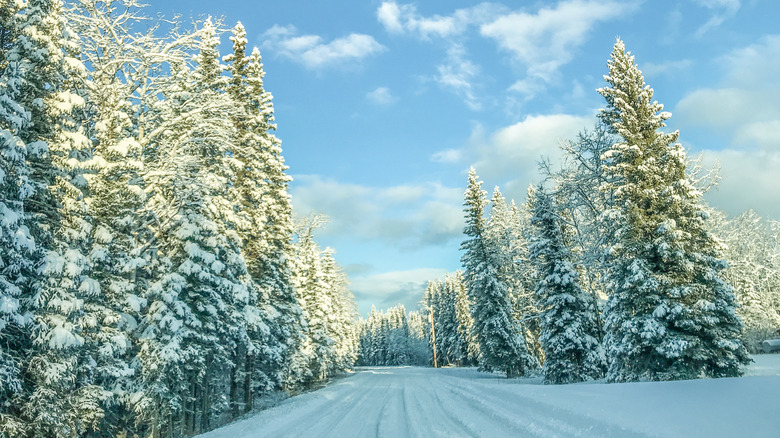
Though it is largely off most travelers' radar, and only a few hundred visitors come during the snowy winter months, visiting Kenai Fjords National Park this time of year allows visitors to experience and explore the wilds of Alaska and the way of life of the locals. Hop on a shuttle or snowcat to the Exit Glacier provided by Adventure Sixty North (there's no private vehicle access in winter), or snowmobile on the beginner-friendly route into the park, then ski or continue riding 7 miles into the snowy wilderness to the park's charming, peaceful off-grid cabin in the woods in the Exit Glacier area. The Willow Cabin starts at $50 per night and is furnished, providing basic, rustic accommodation and propane heat. To book, you'll have to call the park directly. More advanced riders can explore a sliver of the scenic, vast, and diverse Chugach National Forest nearby.
During the winter months, you will likely see moose in the area, though don't go near them. They'll be hungry, agitated, and searching for food. The animals are not aggressive; however, they do injure more visitors to Alaska than bears, and are incredibly dangerous (and deadly) when they charge. If you venture further out, give moose right-of-way on the roads. Lastly, for extra safety in this unforgiving wilderness, be sure to have a plan and tell someone where you'll be going and when you'll come back. Also, it's best to be prepared for the worst, or better yet, go with a local guide.