

Croatia's 11 Must-See Sights And Attractions For First-Time Visitors
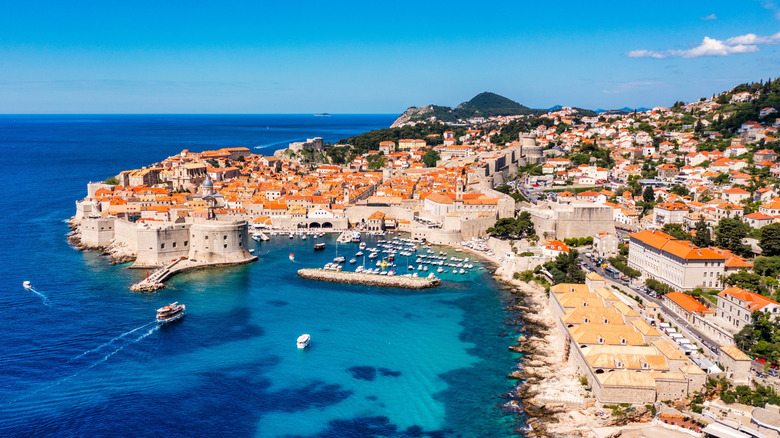
When I visited Croatia 12 years ago, the pocket-sized European country wasn't on my bucket list — and not many other travelers', either. But with the big guys — Italy, France, the United Kingdom, and the like — crossed off my itinerary, I figured why not.
I was also enticed by a friend who kept telling me it looked like Pandora. And she was right on the money. As soon as I saw the glittering Adriatic Sea, the ancient Roman ruins smack in the middle of town, and the thundering waterfalls in the national parks, I wondered: Where in the world are the other tourists?
They soon got the memo. And today, Croatia is a major tourist destination, with guide after guide listing all of its must-see sites. But with so many to fit into one trip, how do you plan your getaway? Luckily, we did the hard work for you — evaluating which Croatian sights have the best and most reviews and are, at the end of the day, the most renowned and worth visiting. Planning a trip soon? Here's where to go if you're heading to this enchanting seaside destination.
Diocletian's Palace, Split
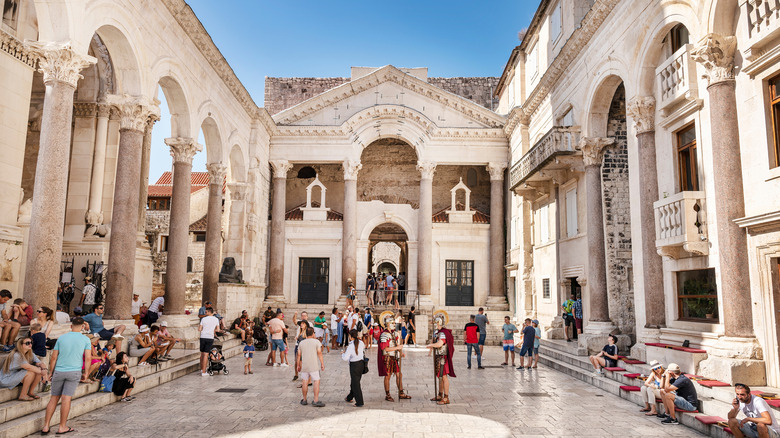
Most ancient ruins are tucked behind admission booths and protective fencing, but not Diocletian's Palace in Split. This Roman palace, completed in 305 A.D. under the direction of Roman emperor Diocletian, is now a unique hub of shops, restaurants, and apartments that house 3,000 people. Throughout its 220 buildings spread across nearly 323,000 square feet, visitors can still see the palace's original arches and columns.
Diocletian had the lavish palace constructed with white stone from what's now the Croatian island of Brač, marble from Italy and Greece, and columns and sphinxes from Egypt for his golden years after retirement. At the time of the palace's construction, it was adjacent to the Adriatic Sea, so Diocletian didn't even have to leave his ship's deck to get to his un-humble abode in what was then the Illyrian province of Rome.
These days, the shoreline has shifted due to centuries of development, and most traces of the Romans in Split have faded — except for the palace itself. Visitors will notice the archways that once housed the palace's landmark four gates, as well as ancient artifacts like the sphinxes. The biggest and most important gate was the Golden Gate, with a name that signified its significance (although not its material). Above the gate, look out for the statue of a bull and a human face fused together — which symbolized happiness and prosperity during Diocletian's rule — as well as the statue of Croatian bishop Grgur Ninski, a renowned emblem of the country.
The Dubrovnik Cable Car
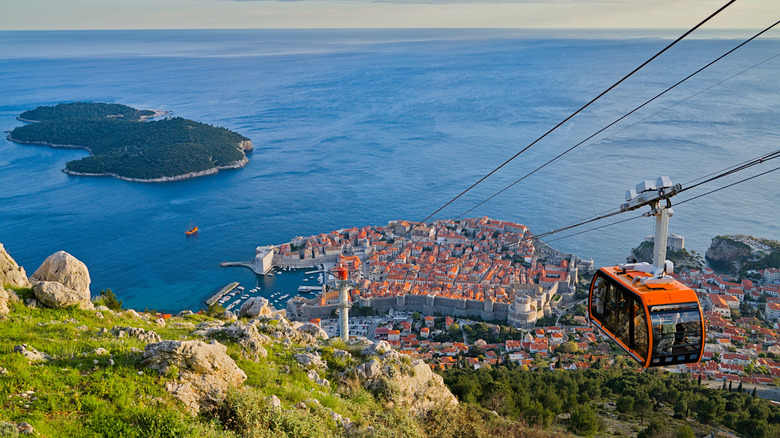
With ancient buildings hugging the sparkling Adriatic Sea along the picture-perfect Dalmatian Coast, it's no secret that Croatia boasts some incredible views. One of the best places to take them in is from the top of the Dubrovnik Cable Car, which takes visitors up more than 2,550 feet above sea level to the top of Mount Srd in less than four minutes — allowing them to see as far as 37 miles away.
Despite the cable car's speed, the route is a smooth one, and the destination is just as fun as the journey. At the top of the mountain, visitors can relish in the views before grabbing a Mediterranean bite to eat at the Panorama Restaurant and Bar. Alternatively, they can visit Fort Imperijal, a historic structure that is now home to the Dubrovnik in the Homeland War Museum, which explores the siege of Dubrovnik in 1991.
The siege was the reason the cable car didn't operate for nearly two decades. After entertaining 2.5 million people per year since it was built in 1969, the system was devastated during the bombardment of the city. Thankfully, after a $5 million restoration, it was reinstated in 2010 — just in time for Dubrovnik's most beloved event, the Summer Festival. Keep in mind, though, that the cable car is a seasonal attraction that closes for the winter.
The city walls of Dubrovnik
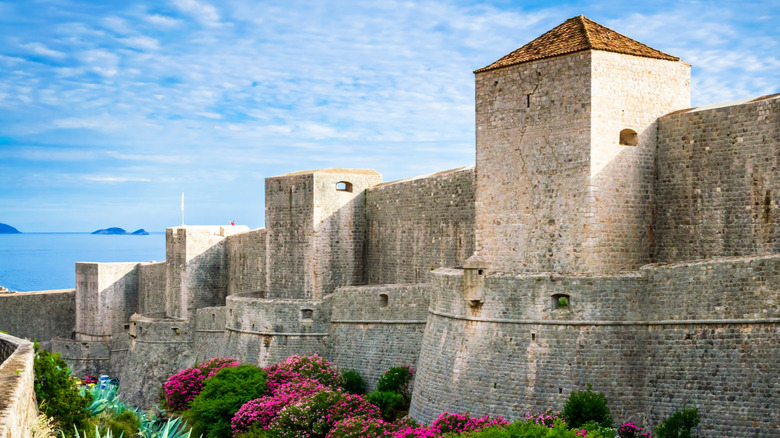
Riding the Dubrovnik Cable Car isn't the only way to get a front-seat view of the scenic city, which is deservedly dubbed the "Pearl of the Adriatic." Visitors who want to stay a little closer to the ground can meander atop the city walls — from which they can see the historic city on one side and the sea on the other — on a 90-minute walk.
Stretching 82 feet high, the walls date back to the ninth century, although they were strengthened during the 15th century in anticipation of an attack by the Ottoman Turks. As you walk along, check out the Pile Gate, which was completed in 1537 and remains the main entrance to Dubrovnik out of the three city gates. You'll also see a statue of St. Blaise here, who is the city's patron saint. The walls might even look familiar to TV buffs, as the structure was featured in "Game of Thrones."
Several forts are also located near the city walls, as well as lush private gardens and courtyards that can only be viewed from atop the ramparts. With so much to see, it's no surprise that the walls can get pretty crowded, although the wait is more than worth it. To avoid the crowds — as well as the hot Croatian sun — we recommend you start your walk at either 8 a.m. or 5 p.m. Tickets are available online, and will set you back around $21 per adult or $6 per child.
Golden Horn Beach, Brač
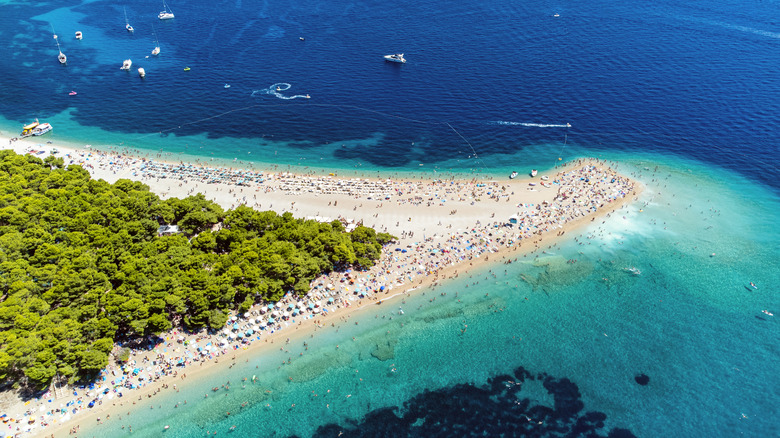
With a rare triangular shape, Golden Horn Beach — located near the town of Bol on the island of Brač — is one of the most unique beaches, as well as one of the most beautiful, in the world. Also known as Zlatni Rat Beach, its natural beauty boasts crystal-clear waters, an ever-changing shape depending on the wind, tide, and current, pine trees for shade, and more than 215,000 square feet of pebble beach.
The beach, which was formed naturally, is a protected geomorphological monument that's popular with travelers looking for the perfect spot to sunbathe, swim, windsurf, kitesurf, and paddleboard — especially during July and August. In fact, windsurfing and kitesurfing are particularly popular here due to the strong winds on one side of the beach, as well as the availability of nearby rental shops. However, the beach is also ideal for those simply looking to relax, as the wind on the other side typically stays calm. Plus, the shoreline is also protected by lifeguards during busy times, and nearby restaurants, bars, and cafes serve up various types of cuisine for reasonable prices.
There are a few options available to reach the beach from Bol. You can rent a car and drive, walk along the shaded promenade for about 20 to 30 minutes, jump on the tourist train for 15 to 20 minutes, or hop aboard a taxi boat to cover the 10- to 15-minute journey.
Krka National Park
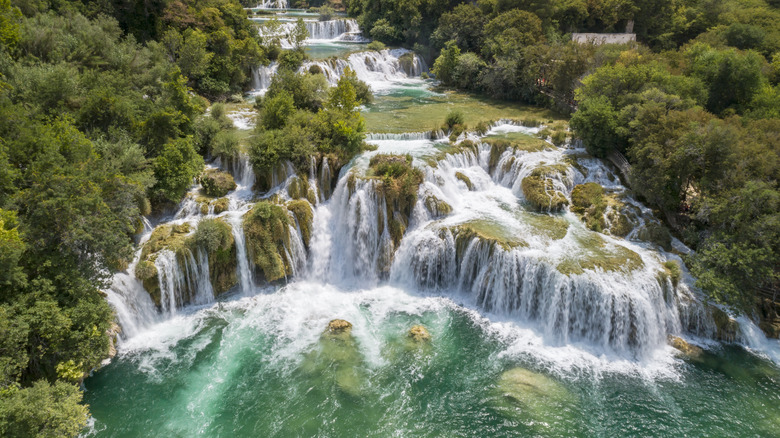
Krka National Park may be the country's newest national park after being named one in 1985, but don't get it twisted — this nearly 42-square-mile national park is jam-packed with both history and natural beauty. One of its most popular spots is the Krka Monastery, which, dating back to 1345, is the most important Serbian Orthodox monastery in the country and can be visited on seasonal guided tours from mid-June to mid-October.
Another top highlight in Krka National Park is its many waterfalls. A whopping 17 of the park's waterfalls are encompassed in the Skradinski Buk, one of the most coveted sights in Croatia, and the cascades stretch roughly 2,600 feet long. Another dozen waterfalls, stretching more than 4,800 feet, are in the Roški Slap, which you can reach on a boat tour from Skradinski Buk or the Visovac area.
Surrounding the waterfalls are more than 800 species of plants, over 200 species of birds, and more than 18 species of bats. To further enjoy Krka National Park's nature, hit up one of its hiking trails — such as the Roman Path Trail, which follows the historical route used by Illyrian tribes and ancient Romans. Alternatively, there's also the 2.1-mile Skradin Trail, which can be walked or cycled. The park has even earned the Green Destinations Gold Award for its efforts towards sustainable tourism, making it the second national park on the planet to earn the award.
Lokrum Island
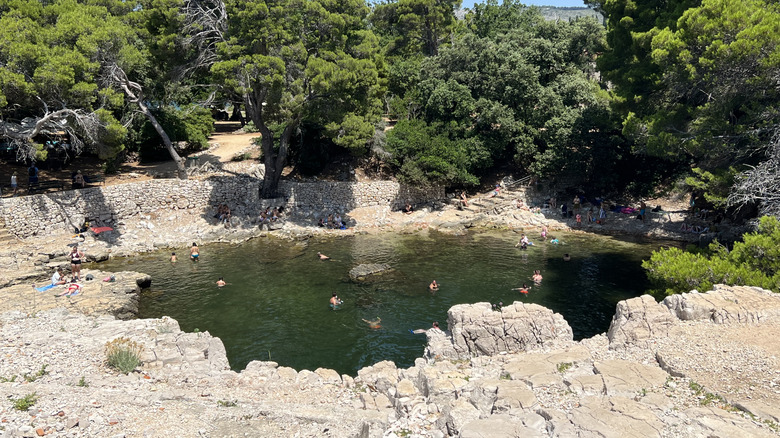
Located just a 15-minute ferry ride from Dubrovnik — and near some of the best beaches in all of Croatia — Lokrum Island is not only accessible, but it's also chock-full of history. Along with that, it's also brimming with Mother Nature's beauty as a protected nature reserve.
The island has been home to a monastery since at least 1023, and its abbots were the original prelates of the Dubrovnik Church. Today, people can visit the monastery's Romanesque-Gothic basilica that dates back to the 12th or 13th century, walk around its garden, and explore the summer home of Archduke Maximilian of Habsburg, brother of Austro-Hungarian Emperor Francis Joseph I.
After buying the island in 1859, Maximilian built his vacation respite there, revitalizing the island as a whole by planting exotic plants and utilizing various landscaping techniques. Unfortunately, he only enjoyed the property for four years before leaving for Mexico to become emperor. Nearly a century later, the Academy of Sciences and Arts arrived on-site to further embellish the island's landscapes. They created a primarily Australian and American botanical garden with more than 500 species of plants designed by Croatian landscape architect Bruno Šišić, DSc. Today, it's the only botanical garden in the country. Lokrum Island visitors can also see Mrtvo More here, a high-salinity saltwater lake with warm waters perfect for swimming.
Miloš Winery, Ponikve
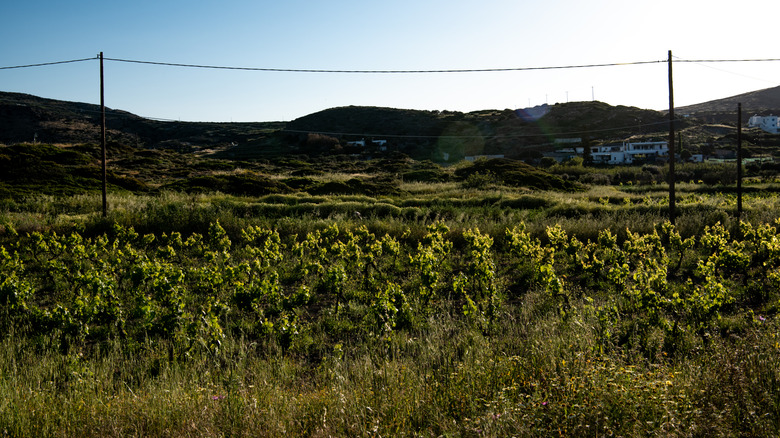
Although France and Italy are probably the first European countries that come to mind when thinking about wine, Croatia's wine scene is nothing to laugh at — and it showcases just another way that the locals utilize their country's natural wonders. One of the main wine scenes in the country is located in the Pelješac peninsula off the Dalmatian Coast. Here, visitors looking for a taste of Croatia's winemaking tradition can choose from several wineries, including the acclaimed Miloš Winery.
A family-owned winery, Miloš Winery covers roughly 37 acres of vineyards in the town of Ponikve, and is known for producing some of the best wines in the country. A true pioneer, the Miloš family makes all of its wine by hand and grows its grapes without pesticides or chemicals and with only natural soil fertilization.
Its wine, made from high-quality Plavac mali grapes, includes Plavac Mali red, premium red Stagnum made from 35-year-old vines, rosé, semi-sweet, and sweet wine varieties. According to the winery, the grapes are of such high quality because of their steep location — which helps promote air circulation — and soil, which, filled with limestone, allows enough water to seep through to nurture the grapes. The grapes are then aged in old Slovenian oak barrels for at least two years, which gives the wine a subtle oak flavor. With so much care and a commitment to making wine with minimal intervention, it's no surprise that Miloš Winery has garnered praise from international wine critics.
Museum of Broken Relationships, Zagreb

Throughout Croatia, you'll find plenty of museums exploring the country's storied past. But it's possible that none of them are as relatable as the Museum of Broken Relationships in Zagreb, which has an ever-growing collection of items donated by anonymous former couples from all over the world that showcase their now-over love stories.
Just a few of the pieces in the 4,000-item collection housed inside the Baroque-style Kulmer Palace include handmade puppets, a stiletto, a sailor's cap, and a rubber pig — all of which are accompanied by explanations of why that item was important to the defunct relationship. However, keep in mind that even if you get back together with your ex, the museum — considered one of the 30 weirdest museums in the world — will not return your mementos.
Only about 70 of the items are on display at any given time, meaning there's always something new to see. The museum is so groundbreaking that it is the recipient of the EMYA Kenneth Hudson Award for the most innovative and daring project on the continent. The space was founded by Dražen Grubišić and Olinka Vištica, who are both Croatian, in 2006 following their own breakup. Despite their heartbreak, the former couple continues to run the museum today, which began with a single stuffed bunny that once belonged to them.
Plitvice Lakes National Park
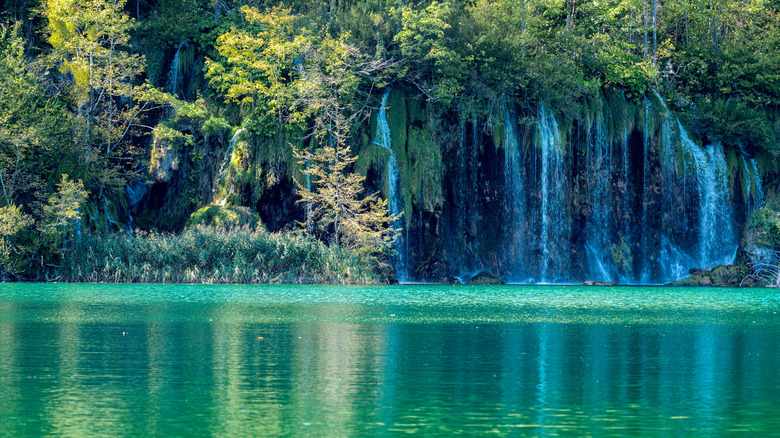
Stretching over 74,000 acres near the Bosnian border, Plitvice Lakes National Park is the biggest, oldest, and most famous national park in Croatia. Brimming with beautiful lakeside views, the park features 16 lakes and waterfalls, as well as a variety of plants and animals — some rare or endangered — that have helped the park earn its designation as a UNESCO World Heritage Site in 1979.
Just a few of the animals that you may see here are some of the roughly 50 brown bears that call the park home, grey wolves, more than 160 types of birds, Eurasian Lynxes, otters, water snakes, and Eurasian beavers. They live among the park's clean, mineral-rich waters — a system of lakes that are, unbeknownst to most, actually a karst river system — and waterfalls that tumble over natural limestone dams.
The entire ecosystem is protected by the park's robust conservation efforts, which include relying on renewable sources such as solar and hydroelectric power, the use of electric boats, a ban on fishing, and limited admission for tourists. In fact, only up to 15,000 people are allowed here daily. If you do score admission, you can enjoy Plitvice Lakes National Park's natural beauty by walking along its many wood boardwalks, as well as hitting up the park's seven lake paths and four hiking trails. Admission is available year-round with pricing dependent on the date.
Sea Organ, Zadar
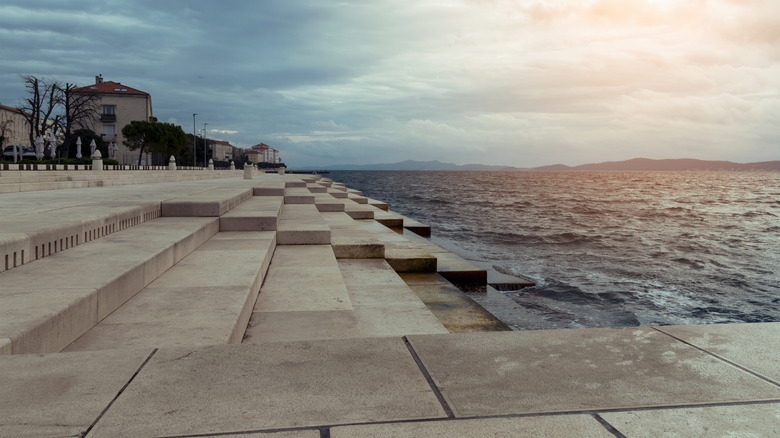
Although Croatia is best known for its stunning landscapes, one of its top sites is a manmade destination that utilizes one of the country's best features — the Adriatic Sea — all within one of the best budget-friendly tourist destinations in the Mediterranean. The Sea Organ, also known as the Morske Orgulje, is a roughly 754-square-foot architectural marvel on the promenade that creates ever-changing sounds as the sea waves push air through its 35 underwater organ pipes. While the tide is low, the sounds from the various polyethylene pipes emit relaxing tones, but when the tide is high, the tune is much stronger and livelier — making for a different song at all times.
Commissioned in 2005 by Croatian architect Nikola Bašić, the Sea Organ became the first creation of its type in the country. It's also a symbol of Croatia's resilience, as it was made using the concrete and metal remnants of the area's promenade that had been destroyed during World War II. It's all located in Zadar, a hidden gem Croatian destination with gorgeous views and great seafood.
Pula Arena, Pula
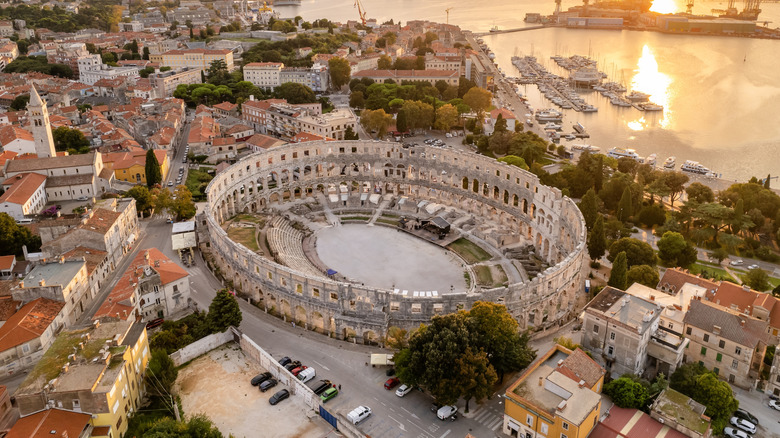
You don't have to go to Rome to see a jaw-dropping Roman amphitheater. Croatia's postcard-worthy Pula Arena is one of the best-preserved amphitheaters on the planet — the only one that still retains its four side towers — and is a gorgeous lookalike of Rome's iconic Colosseum. It's so important to Croatia that this two- to three-story arena is represented on Croatian currency. Beyond that, it's also the largest ancient building in Pula.
After being commissioned by Emperor Vespasian, who also commissioned the Colosseum in Rome, the 20,000-capacity amphitheater was built using local limestone between the first century BCE and the first century CE. Here, performances, gladiator fights, knight tournaments, and fairs were held. It was also used as a military fort during wartime.
These days, besides being a historic site for tourists with exhibits and artifacts on display, Pula Arena hosts the annual Pula Film Festival and serves as a venue for concerts, battle reenactments, Christmas markets, opera performances, and plays. Tourist visits typically last about 1.5 to 2.5 hours, and tickets cost around $11 per adult.
Methodology
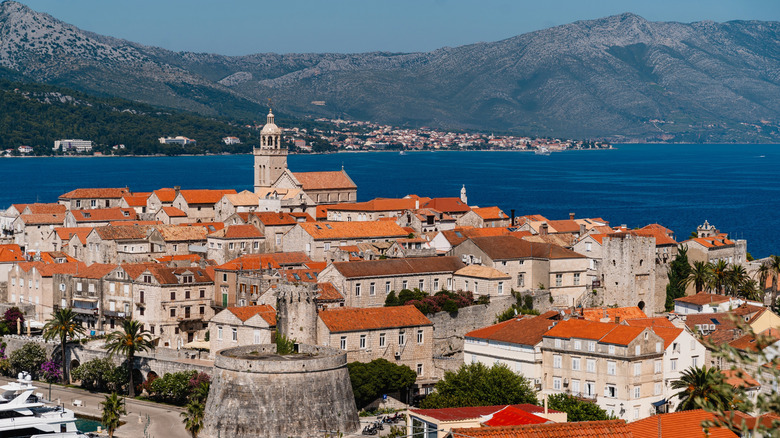
Scenes so beautiful they were featured in "Game of Thrones." One of the best-preserved Roman amphitheaters on the planet. A national park and UNESCO World Heritage Site with turquoise waters that look like they're out of a fairytale. A massive instrument in the sea. With so much to do in such a small country like Croatia, where do you even start planning your adventure?
To land on our pick of the top 11 destinations you can't miss during your trip, we first determined which sites have the most and best reviews on Tripadvisor. That way, you can visit them with the confidence that travelers just like you thought the admission fee was worth it. Then, we evaluated which of these sites are the most acclaimed and well-known — such as the Museum of Broken Relationships, which was named the most innovative and daring museum project in all of Europe, and Miloš Winery, which produces some of the best wine in Croatia. Finally, we combined those insights with the author's own firsthand experiences to curate a final list of destinations that consistently live up to the hype.