

This Scenic Landscape On The Oregon-Idaho Border Is More Impressive Than The Grand Canyon
Oregon and Idaho are places that have no shortage of jaw-dropping natural wonders. The Beaver State boasts sites such as the stunning sea stacks of Cannon Beach and the deepest lake in the U.S., Crater Lake. Idaho, its eastern neighbor, is home to the awe-inspiring Sawtooth Range, as well as Shoshone Falls, often referred to as the "Niagara of the West."
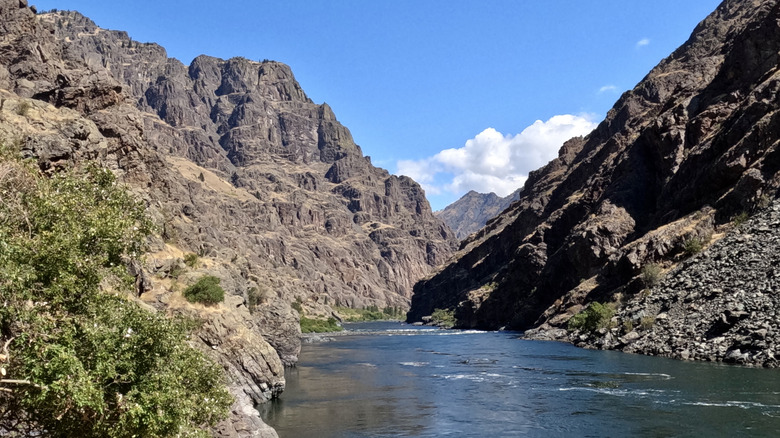
Both of these Pacific Northwest states boast a dizzying array of outdoor attractions that draw visitors from all over, though their most precious treasure may be the one they share: Hells Canyon. Stretching for 71 miles along the border between Idaho and Oregon, Hells Canyon is a massive ravine carved out by the Snake River. Home to spectacular rock formations, loads of wildlife, and whitewater rapids in the untamed river tumbling along its floor, Hells Canyon is the deepest canyon in the U.S. It reaches depths of nearly 8,000 feet in places, surpassing the vertical drop of the Grand Canyon.
Dive into the rugged beauty of Hells Canyon
In the 1950s and '60s, there was a concerted effort to build hydroelectric dams in Hells Canyon in order to harness the power of the Snake River. After a lengthy legal fight, the effort was defeated, which is seen as one of the great environmental victories of the 20th century. This led to the establishment of Hells Canyon Recreation Area in 1975, which guaranteed the incredible landscape of the ravine would be protected for generations to come.
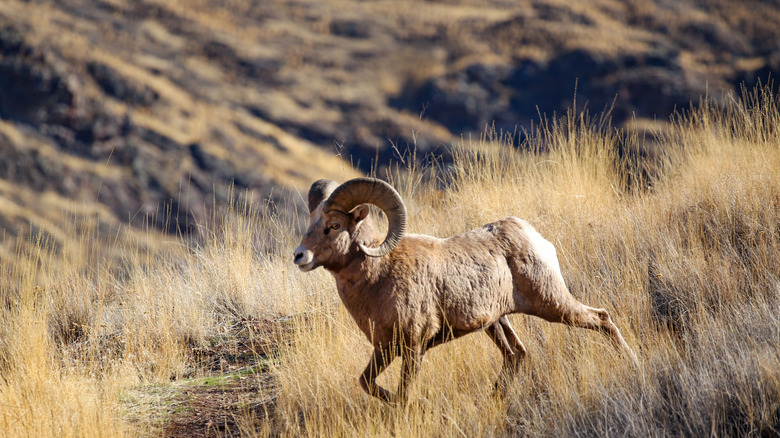
Today, the recreation area encompasses some 652,488 acres, which include 214,000 acres designated as wilderness. The width of the canyon is around 10 miles, with rugged mountains bordering the rim, creating a beautiful but forbidding environment. The canyon is home to wildlife such as bighorn sheep, mule deer, elk, mountain goats, and black bears, as well as many avian species such as bald eagles, hawks, owls, hummingbirds, and waterfowl.
Hells Canyon sits in high-desert country, lending the landscape an arid feel. The Oregon side tends to have more vegetation in the form of sagebrush, ponderosa pine, and Douglas fir, while across the way in Idaho, things are more barren and devoid of plant life. Spring and summer see wildflowers bloom in profusion, and the colorful canyon wall and rocky outcroppings are made up of rich hues of red, orange, and ochre.
What to do in Hells Canyon
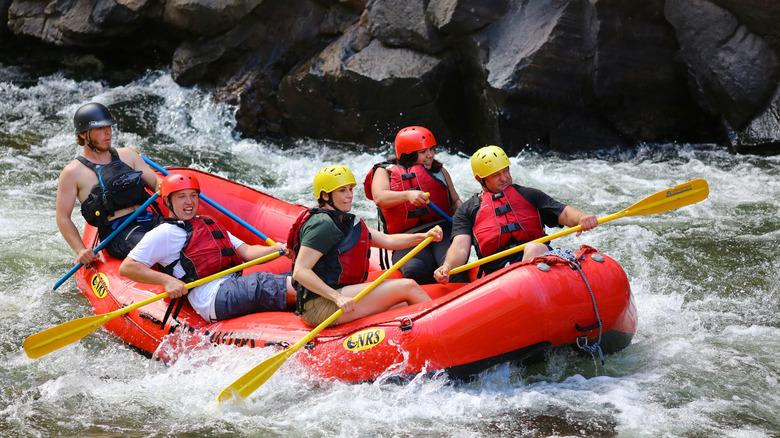
The canyon offers an array of outdoor activities, from camping to jumping in a raft and blasting through the rapids on the Snake River. Hikers, mountain bikers, and horseback riders can tackle more than 900 miles of established trails in the national recreation area; just know that this is remote and rugged terrain, so prepare well and take safety precautions — which especially means not getting too close to the rim. There are also plenty of opportunities to pitch a tent, with dozens of campsites sprinkled throughout the reserve. These range from primitive spots to full-service campgrounds open to RVs, though some are only accessible from the water.
Perhaps the best action happens at the bottom of the canyon, where the Snake River slithers through its ancient channel. Fishermen flock here to hook into steelhead, salmon, walleye, and monster-sized sturgeon, while the river is also one of the Pacific Northwest's premier spots for whitewater rafting. Multi-day excursions are possible through reputable outfitters, including Western River Expeditions and Hells Canyon Raft. The canyon is also terrific for kayaking (there are some heavy rapids, so experience is key), and thrill-seekers can take a half-day or full-day jet boat tour.
Another way to experience the wonder of the region is by car via the Hells Canyon Scenic Byway. This 218-mile loop takes drivers around northeastern Oregon's idyllic Wallowa Mountains and features forests, quaint towns, lakes, and valleys, along with access to the canyon it's named for. Getting to Hells Canyon does take some time considering that it is a three-and-half-hour drive from Boise, Idaho, which is home to the closest major airport. For another alternative to the Grand Canyon, check out the Mexican version, which boasts stunning beauty in the midst of majestic mountains.