

13 Of Chile's Most Amazing Tourist Attractions For Your First Visit
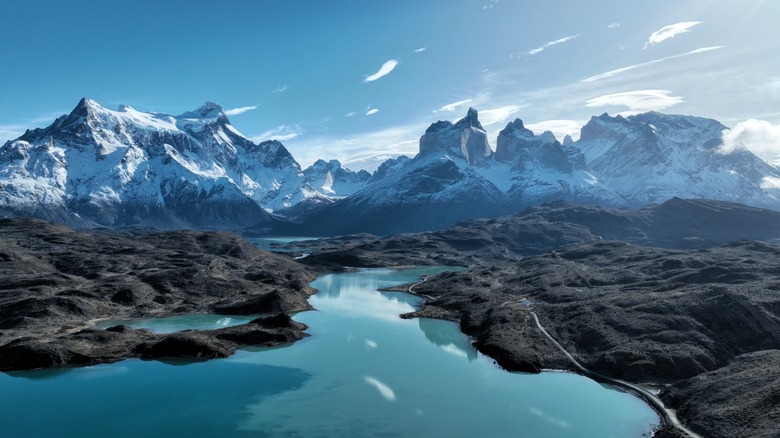
Chile is a land of immense natural beauty and contrasts. One of the safest South American countries to visit, it's where the soaring Andes peaks meet the vast Pacific coastline, and arid deserts give way to pristine beaches, geothermal hot springs, and glaciers. It's a land profoundly connected to the natural environments that have shaped its peoples' histories and national identity.
This list strives to offer a carefully curated balance of the country's world-renowned natural wonders with its rich history and vibrant culture. Of course, it includes some of the most impressive landscapes, as well as rural regions where traditions remain deeply rooted. However, it also mentions experiences in both of its major urban centers, Santiago and Valparaíso — ultimately inviting visitors to explore locations that are as naturally breathtaking as they are culturally diverse.
Whether your journey is driven by adventure, relaxation, or cultural immersion, the 13 destinations featured here capture the essence of Chile for first-time visitors. Each stop on this list offers a unique window into the people, traditions, and landscapes that make it a mind-blowing destination.
Cerro San Cristóbal (Santiago)
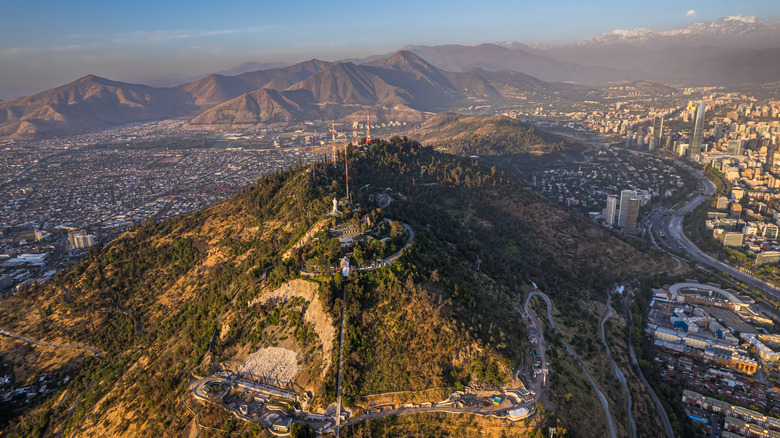
Travelers often pass through Santiago out of necessity, typically on their way to the wilderness Chile is so well known for. However, the vibrant city is also worth getting to know. And one of the best ways to see it is from roughly 1,800 feet above the ground on one of the city's highest mountains, Cerro San Cristóbal.
Depending on how you plan to get there, it's either a solid three-hour hike to the top and back, or a quick funicular ride. The mountain is located in Latin America's largest urban park, Parque Metropolitano de Santiago, which encompasses 1,800 acres of greenery. If you want to make the most out of your trip, pair your ride with a stroll through the ultra-hip bohemian Bellavista neighborhood on the mountain's south side. From the Pío Nono station, it's just a short 10-minute ride to the final stop at Cumbre, meaning summit. Once there, enjoy a bird's-eye view of the capital and phenomenal photo opportunities.
If you're looking to dig even further into urban nature, add a stop on the way back at Chile's national zoo, which is also located on the mountain. Inside, you can catch a glimpse of everything from penguins to elephants and camels, and learn about national efforts toward conservation.
Parque Nacional Patagonia (Patagonia National Park)
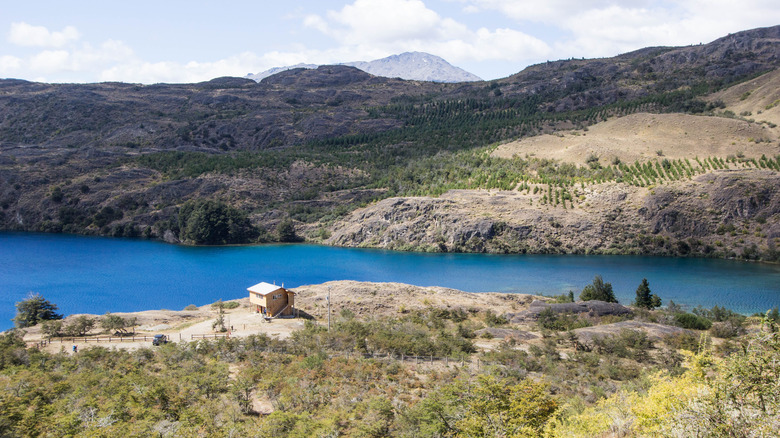
One of Chile's biggest draws is its vast, awe-inspiring wilderness of Patagonia: home to incredible biodiversity as well as some of the best views of the southern lights. Patagonia National Park is one of the best parks to set your sights on the adorable but endangered huemul deer (which is so iconic it appears on the Chilean coat of arms). While not as easily spotted, you are likely to also have encounters with guanacos (a relative of the camel), and pumas — also known as mountain lions or cougars.
Patagonia National Park opened in 2018, and is one of the newer national parks offering access to a bounty of unspoiled nature. Located along the famous Carretera Austral (Patagonian Route), it covers roughly 640,000 acres of rugged Andean steppes, icy blue waters, and fields of wildflowers. Because it's relatively new, visitors even report it has hiking and trekking trails that draw in fewer crowds than the other parks in the region.
Many parks across Patagonia cover rugged terrain accessible only to more experienced trekkers. However, Patagonia National Park is a great place to find easy and moderate trails — especially in the Tamango Sector. Sitting only a couple of miles away from the town of Cochrane, there are many laid-back day hikes along the stunning crystal-blue waters of the Rio Cochrane (Cochrane River) that make a perfect introduction for first-time visitors.
Parque Nacional Torres del Paine (Torres del Paine National Park)

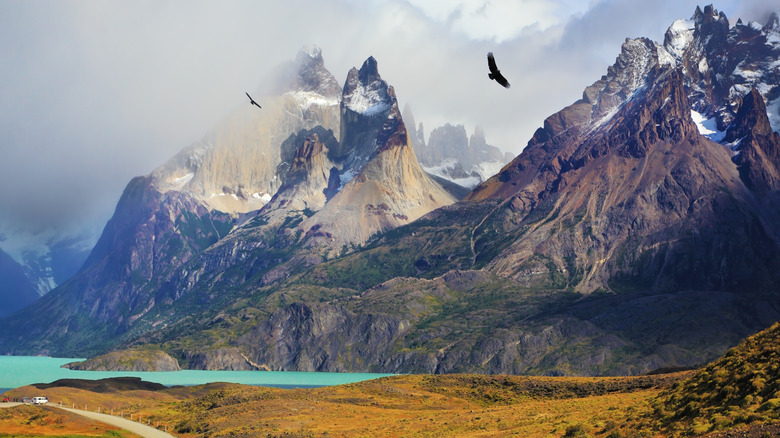
Gradual glacial retreat over thousands of years has carved out some of the world's most breathtaking landscapes found in Torres del Paine, which also claims status as a UNESCO Biosphere Reserve. Thanks to national conservation efforts, the park is home to one of the largest densities of pumas in the world. It's also home to 118 species of birds, making it a mecca for bird watchers. Trails guide you along rushing rivers, valleys filled with blooming wildflowers, suspension bridges, steep cliffs, glacial gorges, and more. Views of the massive granite towers after which the park is named, which stand at about 6,500 feet, will make your eyes water.
Torres del Paine National Park is, without a doubt, the best park in Chile for more seasoned hikers. Due to its vastness, you're likely to get the most out of this 550,000 acre wilderness paradise by venturing further into the backcountry over several days — or even up to a week. That said, there are also many all-inclusive hotels inside the park for folks who want a cozy base for day hikes, adventures on horseback, and guided wildlife safaris.
Parque Nacional Rapa Nui (Easter Island)
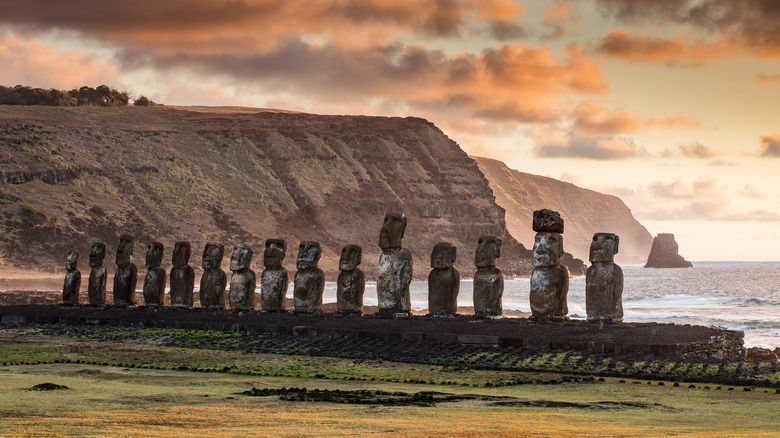
Fancy stepping foot on the most remote island beaches on Earth? Easter Island is located in the South Pacific Ocean, about 2,000 miles off the coast, and is considered a Chilean territory. It's best known for the giant seaside statues with stoic human faces that have inspired many a legend — and earned themselves their own emoji. Although its origins remain a mystery, there's no doubt that visiting this UNESCO World Heritage Site up close and in-person is well worth the 5-hour flight from Santiago.
There are roughly 900 of these stately statues carved from volcanic ash, known as "moai," dotting the island, many of which are preserved within the park. Their origins and true meaning are shrouded in mystery, which makes for a magical experience for those who go out of their way to see them. Standing at an average of 13 feet tall, facing purposefully inland with their backs to the ocean, it's an impressive sight.
In addition to the statues, Easter Island is also known for its pristine tropical beaches and warm waters. Once you've touched down, there are several activities to enjoy such as scuba diving, caving, and hiking the island's three volcanos. A popular time to visit is in early February, during the Tapati Rapa Nui festival. During this time, locals honor their history and Polynesian identity through ceremonial dances, songs, athletic competitions, and artistic traditions that take over the island for nearly two weeks. Easter Island is a particularly unique side of Chilean heritage you won't want to miss.
Barrio Bellavista (Santiago)

A colorful neighborhood just north of Santiago's center, Barrio Bellavista could be the set of a bohemian fever dream or an indie film. Its unpolished streets famously contain the homes of Chile's best known authors — including 20th-century Nobel Prize winner and literary luminary Pablo Neruda. Today, the area continues to be a hub for creativity, filled with casual cafes and boutiques. At night, it transforms into the center of Santiago's vibrant nightlife.
Literary buffs and curious readers should absolutely visit one of Neruda's homes — known as La Chascona — which is preserved and maintained as a museum. Bellavista is also filled with so many high-quality restaurants that it guarantees to delight the senses just walking by. For a special treat, grab tickets at one of the many cultural venues in the area to catch a live performance or a show, such as Teatro Mori Bellavista and Sala SCD Bellavista.
That said, this area really stands out for the art you can appreciate in the streets. Murals, graffiti, street vendors, buskers, and performers cover nearly every available space. It's no wonder so many people refer to the neighborhood itself as an "open-air art gallery."
Cerro Alegre (Valparaíso)
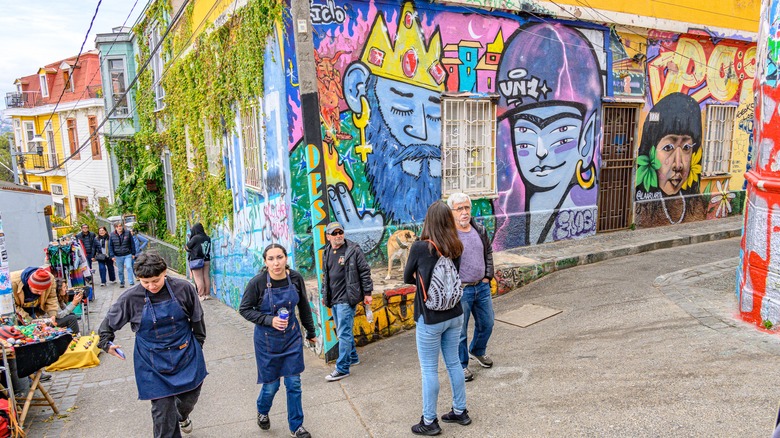
Valparaíso is a port city that sits at the crossroads between continents. A place where people, ideas, and goods converged from across the Pacific, this underrated seaside city has played a vital role in shaping the country's identity. First-time visitors can get a strong sense of how all this history comes together by visiting Cerro Alegre, which has a reputation for being a living canvas. That said, it's known above all for its animate street art — with murals that cover everything from crumbling staircases to historic buildings strewn along the gorgeous coastline.
Stroll through a dizzying patchwork of color and texture at literally every step along the hilltop promenades of Paseo Gervasoni and Paseo Atkinson, which offer unbeatable sweeping views of the aquamarine bay. From there, make your way down aboard the Ascensor Reina Victoria, an antique funicular that provides a nostalgic ride along the steep hillside. Paseo Dimalow, lined with cafes and small galleries, is another fantastic place to soak in how history and creativity converge in the heart of the city.
Just a short walk away, the stately Palacio Baburizza museum adds yet another layer of artistic depth to any visit. Its Art Nouveau design and fine arts collections offer a formal counterpoint to the expressive street art that surrounds it.
Vineyards of Colchagua Valley
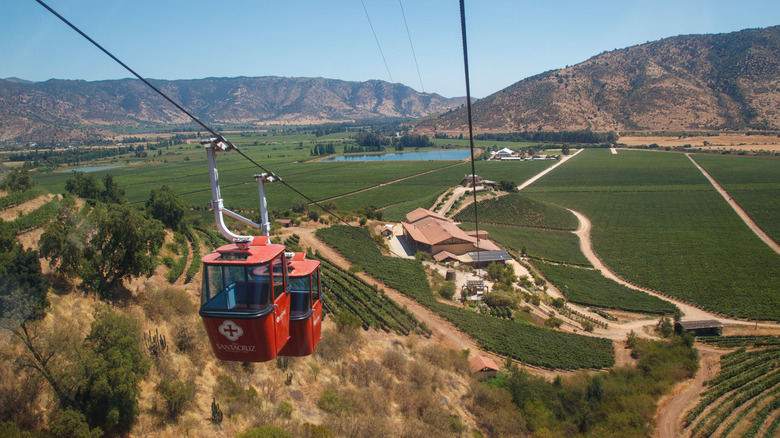
A visit to Colchagua Valley takes you straight into the heart of Chile's winemaking region. Only about a two-hour drive outside of Santiago, the vineyards here stretch between the Andes Mountains and the rolling terrain carved by the Tinguiririca River. This dramatic landscape not only shapes the region's distinctive wines — it also provides an unforgettable backdrop for sipping from the country's most internationally respected labels.
A few standouts with eclectic digs include Clos Apalta, Viña Montes, and Viña Viu Manent. A tour of Clos Apalta's gravity-driven fermentation process will make you feel like you've stepped into a futuristic art museum crossed with a science lab thanks to its 10-story underground architecture.
Meanwhile, Viña Montes matures its world-class wines under the soft vibrations of Gregorian chants in a gorgeous feng shui-inspired winery. Finally, Viña Viu Manent turns back the clock with its charming horse-drawn carriage tours of its historic grounds. It's honestly impossible to go wrong in this area, with both larger and smaller operations whose unique character will have your taste buds singing and deepen your connection to the surrounding nature.
Volcán Villarrica (Villarrica Volcano)
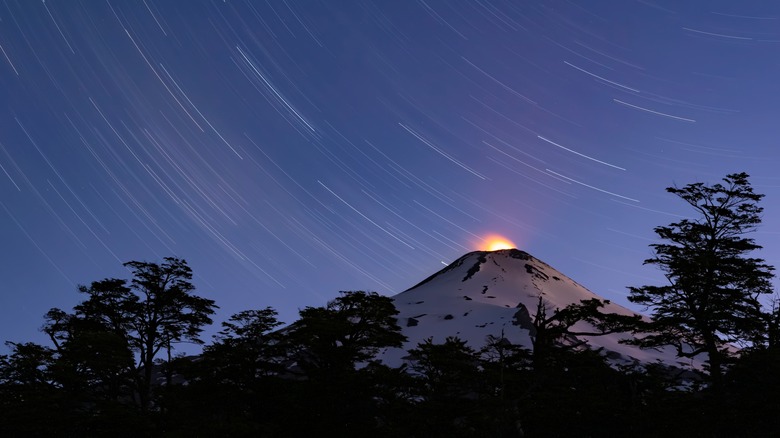
There are more than 2,000 volcanoes in Chile. And as a prevalent and defining feature of its magnificent landscape, thrill seekers shouldn't leave the country without getting up close to at least one. The bad news is, some volcanoes can literally take weeks to climb. The good news is that there's one iconic peak that's actually pretty accessible for first-timers: Villarrica Volcano. That said, despite being one of the more approachable climbs, it's still considered a demanding ascent along the slopes of one of the most active volcanoes in South America, with a summit close to roughly 9,400 feet above sea level.
Most people visiting Villarrica Volcano set up their home base in the lakeside town of Pucón, in the Araucanía Region, which is considered Chile's "adventure capital" thanks to its wide range of outdoor activities. In town, you'll need to book an experienced guide through a local tour company to help you scale the volcano's angular face, likely through ice and snow. They'll provide you with an ice pick for climbing and a gas mask to avoid inhaling the crater's noxious fumes at the top.
Visitors report that, on a good day, you can actually see the molten lava pooling inside the crater. The fun doesn't stop at the top, though: The descent is just as epic, since visitors get to sled all the way down the snowy slopes.
Valle del Elqui (Elqui Valley)
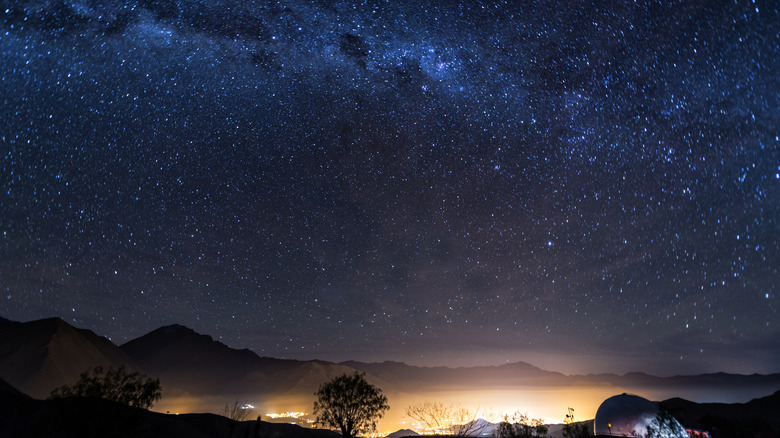
The magnificent Elqui Valley is home to some of the country's most succulent vineyards, as well as the birthplace of the national liquor, Pisco. Not only that, but it's also the first International Dark Skies Sanctuary in the world. Elqui Valley is so rich with culture and nature that it's absolutely worth it for first-timers to spend at least a few days exploring each of its gems.
Syrah and Carmenere are the undisputed stars here. Stop by a tasting room to sample them and to hop on guided tours of the lush estates. Then, head over to Pisco Elqui — the small town where muscatel grapes have been distilled by hand for generations, producing the popular liquor that forms the foundation for the classic piscola.
Professional and amateur astronomers, as well as everyday stargazers, should make the pilgrimage here to stare up at the most pristine night sky conditions away from urban light pollution. Better yet, there's a long list of observatories in the region to choose from, each equipped with state-of-the-art telescopes to magnify the endless mysteries of the celestial bodies above.
Sewell Mining Town
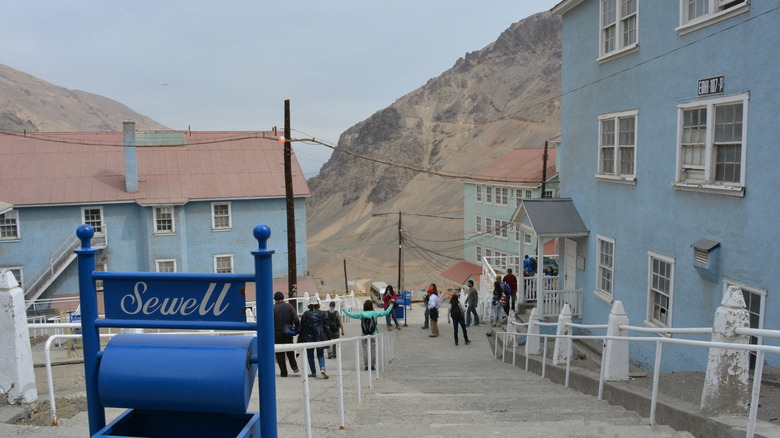
A real-life mining town built in the early 20th century by an American firm, Sewell was meant to house workers for the underground copper mine El Teniente. After the mine was nationalized and workers were relocated in the 1960s and 1970s, much of the town was emptied. Today, Downtown Sewell is preserved as a UNESCO World Heritage site. Located roughly two hours by car outside of Santiago, it makes for an excellent day trip.
Traveling to Sewell requires reaching the slopes above one of the world's largest copper deposits. In the midst of this steep, mineral-rich terrain, the most modern city of its time in all of South America eventually comes into view. Walking through the preserved city gives visitors a glimpse of what daily life might have been. From the architecture to its haunting lore, Sewell is a complex and fascinating place to explore Chile's history and national identity.
It's important to note that, because Sewell is still an active mining site, you can't visit the area without an authorized tour guide. Also, be prepared not just to walk, but also climb. Sewell is known as the "city of the stairs," mainly due to the fact that it was literally built onto the side of a mountain. That said, it offers a chance to both tick off leg day and take amazing photos of the eerie abandoned buildings nestled against an incredible landscape.
Tres Valles (Three Valleys)
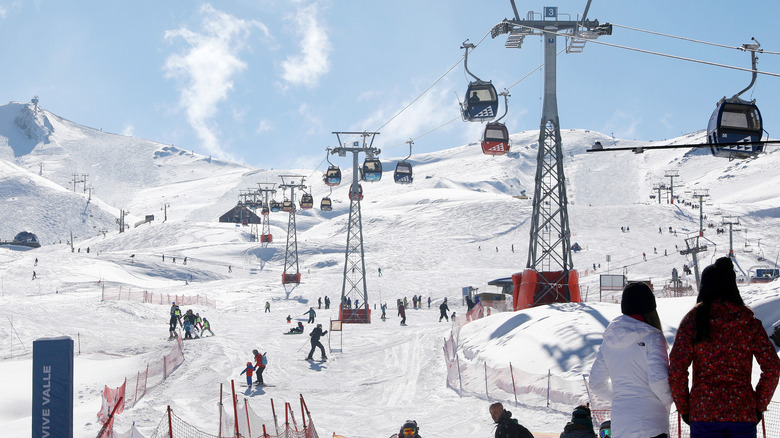
If you're a fan of winter sports, the Tres Valles ski resort area is an excellent destination just outside Santiago. Some of the best skiing and snowboarding slopes in South America are located here, split across three main resorts: Valle Nevado, La Parva, and El Colorado. Together they encompass nearly 7,000 acres of groomed and off-piste high-altitude terrain, with slopes designed for all levels of experience. Powdery snow and ridiculously high altitude make this a snow lover's paradise.
Advanced winter adventurers can choose from an assortment of heli-skiing or guided backcountry tours. Valle Nevado is a high-altitude resort, with a base that sits at roughly 9,000-plus feet above sea level, and a top elevation of around 12,000 feet. Luxury lodgings and restaurants dot the area, with plenty of spaces to relax after a day on the slopes. The all-inclusive resorts typically also feature spas and fitness centers, as well as other snowy activities such as snowshoeing, tobogganing, and zip lining.
Termas Geométricas (Pucón)
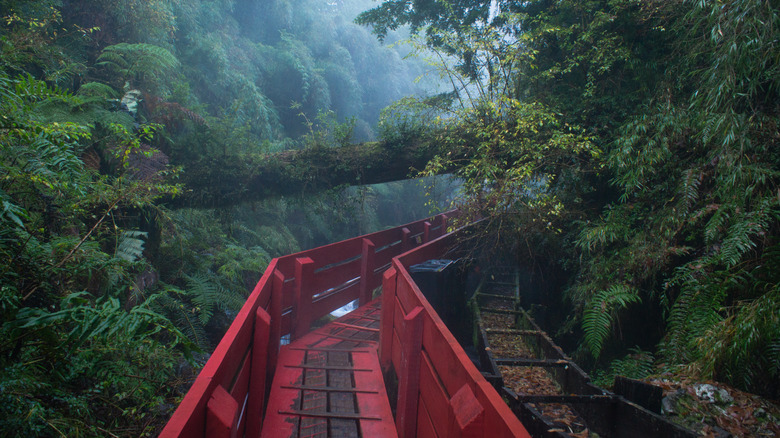
Chile's southern landscapes are shaped by intense geothermal activity, and Termas Geométricas is one of the most immersive ways to experience this natural power. Hidden deep within the lush forests of Villarrica National Park, the complex features 18 entirely natural hot springs that vary in temperature, and guests can dip into soothing pools surrounded by ferns, waterfalls, and volcanic streams. It's a sanctuary of heat, water, and mist tucked into a narrow ravine carved by time and geothermal force.
Created by architect Germán del Sol, the network of bright red wooden walkways and terraces immerses visitors in the forest as they move from pool to pool. Between plunges, guests can rest on warm terraces, grill food over open fires, or simply listen to the sounds of rushing water and the surrounding forest.
The lush surrounding region of Pucón is known to be the ancestral homeland of the Mapuche people. It's quite common to stay in what's called a ruka, or a Mapuche-style home. If you're a first-time visitor, it's worth staying a little longer in this region and exploring some of the ancestral traditions and cultural experiences available.
Bahía Inglesa
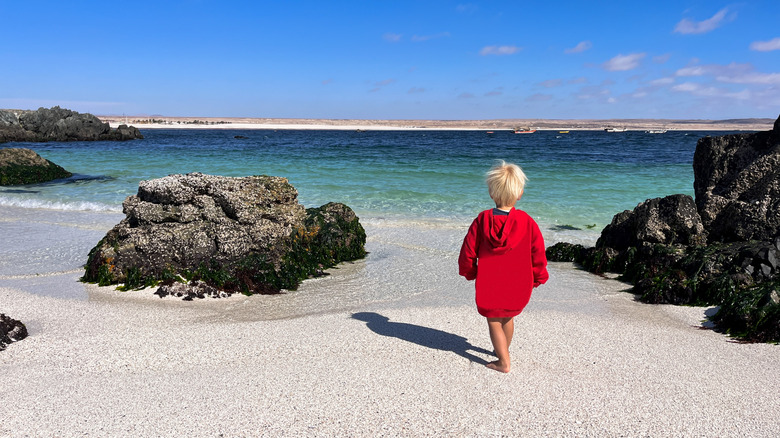
Chile has roughly 4,000 miles of coastline, and the stunning beaches of Bahía Inglesa are among the most immaculate. This small bayside destination stands out for its white sands and turquoise waters, which offer an unexpected contrast to the stark, arid landscapes of the surrounding Atacama Desert region.
Visitors can tuck away into calm, crystal-clear coves like Playa Las Piscinas, where a gentle surf creates some of the most relaxing swimming conditions in northern Chile. Despite the region's growing popularity, these beaches often remain relatively uncrowded — especially outside peak summer months. All in all, they are an ideal getaway for travelers seeking peace.
Yet, Bahía Inglesa is more than a beautiful stretch of coast — it's also a trove of history. Just minutes away lies Caldera, the historic port town that became the terminus of Chile's first railway line around the 1850s. Remnants of this era can still be explored in Caldera's restored 19th-century railway station, now a cultural center that showcases art and regional history.
Methodology
To compose this list of must-see destinations in Chile, the author drew from multiple sources to ensure both breadth and depth of perspective. Secondary sources included several "best of" travel lists put together by travel writers across various publications.
Furthermore, the author also consulted local tourism websites and visitor review platforms such as Tripadvisor, for insights into each destination's popularity and actual value to first-time visitors. Primary sources such as travel blogs and firsthand accounts were also consulted to verify details and gather unique recommendations. The resulting guide balances widely acknowledged sites with authentic, on-the-ground perspectives.