
The Second Largest Island In The US Is An Alaskan Gem Full Of Scenic Wildlife
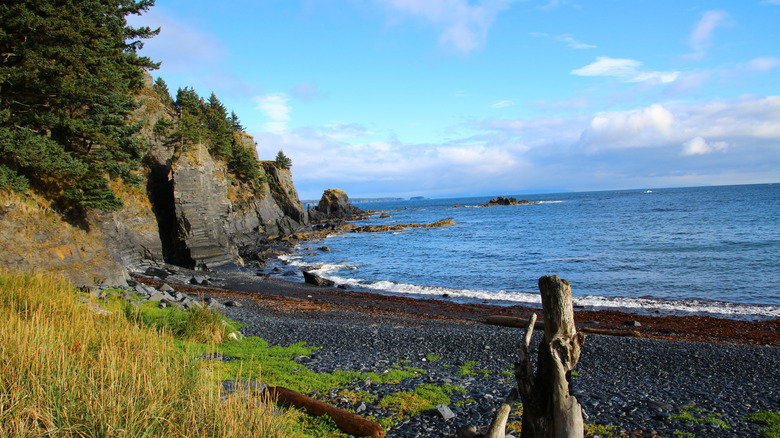
Alaska is not only said to be America's least-visited state, but it's also its last frontier. This is a place that sparks the imagination and kindles the soul — a wild, wide-open land home to splendors ranging from a hidden island city to majestic mountain fjords. While there is so much to choose from in Alaska, one spot immediately stands out when it comes to unspoiled nature, arresting scenery, and the kind of wildlife you expect to see during a visit to the country's largest state: Kodiak Island.
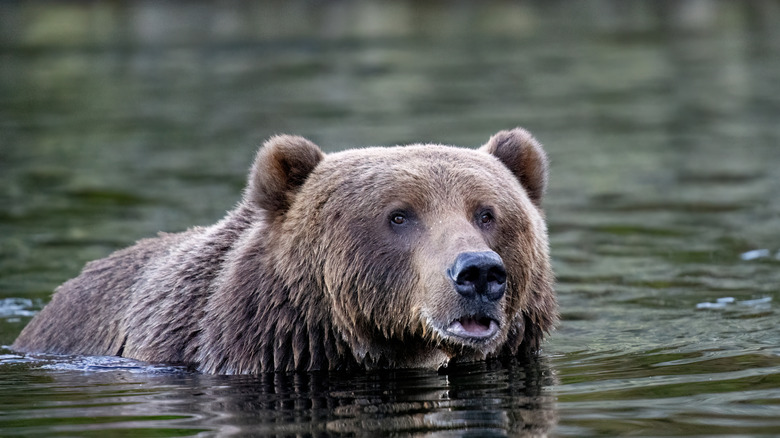
Situated around 30 miles off of the southern mainland coast and occupying 3,670 square miles, Kodiak Island is almost triple the size of Rhode Island (the country's smallest state) and is the largest U.S. island outside of the Hawaiian archipelago (Hawaii's Big Island is the largest). Besides being home to Alaska's largest fishing fleet, Kodiak also hosts a population of a few thousand brown bears, which — due to their long separation from the mainland — have developed into a subspecies with their own distinct characteristics.
The island also boasts a fascinating history that mixes Indigenous, Russian, and American cultures and is bursting with some of the best and freshest seafood available anywhere. It's also remarkably accessible: A connecting flight from Anchorage International Airport only takes one hour. There are also plenty of accommodations and tour operators, making it extremely easy to plan a trip to one of Alaska's most unique treasures.
Get wowed by unspoiled nature and rich wildlife on Kodiak Island
The ancestors of Kodiak Island's Indigenous Alutiiq Sugpiaq people arrived 8,000 years ago, followed by Russian explorers and fur trappers in the late 1700s, who established a settlement in modern-day Kodiak. Their orthodox church and old fur storehouse (now the Kodiak History Museum) still stand. The United States acquired Alaska from Russia in 1867, and today, Kodiak Island is home to around 13,500 people who engage in fishing, seafood processing, and tourism.
Kodiak's top natural attractions are perhaps the bears that call the island home. Standing up to 10 feet and sometimes weighing in at 1,500 pounds, the Kodiak brown bear is the largest bear on Earth, and has reached such epic size primarily because of its calorie-rich diet largely consisting of salmon. Many of the island's bears can be seen at the Kodiak National Wildlife Refuge, which — at nearly 2 million acres — covers two-thirds of the island. Perhaps the best (and safest) way to view the bears is by joining a reputable organized tour. Kodiak Island Expeditions offers fly-in bear-viewing trips, or you can stay among these powerful predators at the Kodiak Brown Bear Center & Lodge, which features the island's highest concentration of bears, along with opportunities for photographry and fly-fishing.
While bears are certainly the star of the show, they aren't the only wildlife on Kodiak Island. Keep your eyes open for red foxes and river otters, along with Sitka deer and mountain goats. The island is also home to a host of bird species — with over 250 registered — including two varieties of puffin, the horned puffin and the tufted puffin, who can be found nestling in cliffs overlooking the sea.
Take in Kodiak's stunning scenery and cast a line
One way to appreciate what Kodiak Island has to offer is by taking a sightseeing flight. These floatplane air tours (offered by companies such as Kingfisher Aviation) shine a spotlight on the island's physical beauty, with aerial views of the coastline, forests, and mountains that make it such a unique place. You can also jump on a cruise, where you'll not only take in the island's spectacular natural scenery but also have a chance to spot seals, sea lions, sea otters, whales, and orcas.
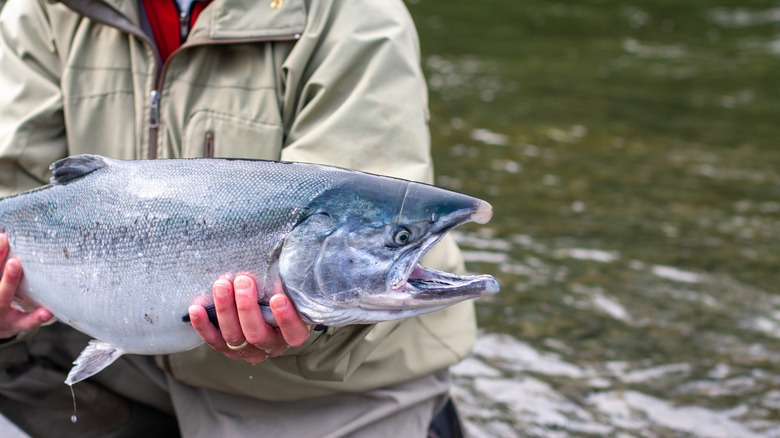
Perhaps more than anything, Kodiak Island is a magnet for anglers. The island's rivers see all five Pacific salmon species — Chinook, coho, sockeye, pink, and chum — run at different times of the year, and are also full of rainbow trout, steelhead, and Dolly Varden. The surrounding salt waters are also teeming with salmon, as well as halibut, rockfish, and cod, making Kodiak Island nothing less than a world-class fishing destination. An array of guides and charters can get you into fishing territory, though you can also set out on your own. Just know what to do if you see a bear, which also means carrying bear spray at all times and knowing how to use it.
When it comes to accommodations on Kodiak Island, the options are somewhat limited but sufficient. While many choose to camp or RV, there is also the Best Western Kodiak Inn, which is conveniently situated in Kodiak town, along with a couple of bed-and-breakfasts, including A Channel View Bed and Breakfast and the Buoy Bell B&B. Anglers may want to consider the highly rated Driftwood Wilderness Lodge or the Larsen Bay Lodge, which — in addition to comfortable rooms — outfit you with all of your fishing needs. For more of Alaska's natural wonders, check out this stunning port city brimming with spectacular nature.