

Poland's 11 Must-Visit Tourist Attractions To Add To Your Itinerary
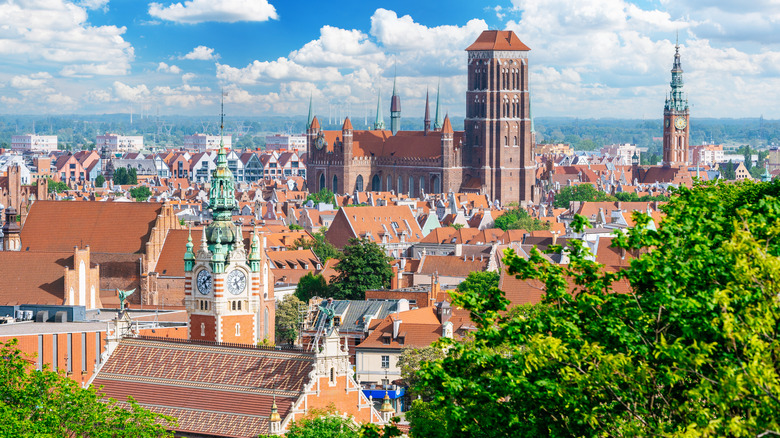
Poland is a sleeper hit in Central Europe, with beautiful medieval towns, a long history, a diverse landscape to explore, and some seriously delicious food — there's a reason the proverb says "Eat in Poland, drink in Hungary, sleep in Germany, and make love in Italy," after all!
Yet Poland does not attract as many international travelers as, say, neighboring Czechia — perhaps because many still see it as a grim, gray land. But Poland lives to defy these expectations, and most visitors who travel there end up delightfully surprised when they see Kraków's historic streets, Warsaw's lively cafes, Gdańsk's picturesque canals and colorful Old Town, the sandy coasts of the Baltic, or the high mountains of the Tatras. Pair all of this with Poland's general affordability — it's considered one of the most affordable holiday destinations in Europe — and you've got a star on your hands.
So much so that compiling a list of Poland's must-visit tourist attractions was no easy task. However, using local tourism resources, tips from travel experts (both Poland-based and international), personal experiences, and real traveler reviews, we narrowed it down to 11 of Poland's best destinations — from the Baltic to the mountains, and the countryside to the city.
Historic Centre of Kraków & Wawel Castle
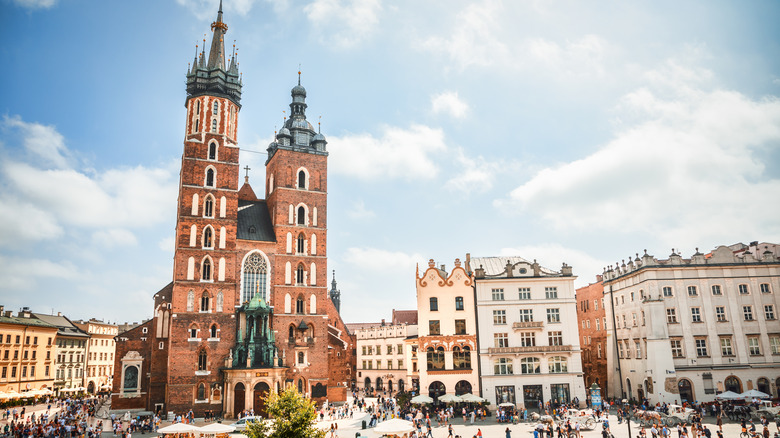
Poland's former capital retains much of its grandeur. Unlike much of Poland, Kraków managed to escape much of the bombing in World War II, meaning it's home to one of the best-preserved medieval centers in Europe. Kraków's historic center is a UNESCO World Heritage Site split into three parts: the Old Town, Wawel Hill, and Kazimierz, a medieval village that was once the main Jewish quarter for generations before World War II.
Kraków's Market Square, the largest medieval market square in Europe, is lined with elegant buildings, gorgeous cathedrals, the graceful Town Hall Tower, and the famous Sukiennice (Cloth Hall) — Kraków's original commercial center. Originally built in the 13th century, it's still a center of commerce, although merchants now sell souvenirs rather than fabrics. After wandering the long, picturesque colonnades, head below to explore the Rynek Underground, an interactive exhibit that takes visitors back to medieval Kraków.
To learn more about the plight of Jewish Poles and what life in Kraków was like under Nazi occupation, head to Oskar Schindler's Enamel Factory. Oskar Schindler, of "Schindler's List," was a real person who saved many Jewish people by employing them for "essential work" in his enamel factory. Today, the factory is an immersive, poignant museum covering much of the events before, during, and after the war. Within walking distance of the old Market Square is the beautiful Wawel Castle. The former home of Polish royalty, it's located atop Wawel Hill and houses the ornate Wawel Cathedral. The castle dates back to at least the 14th century, and, although there are no longer any Polish royals, it remains a beloved symbol of the country's history and future.
Auschwitz-Birkenau Memorial and Museum
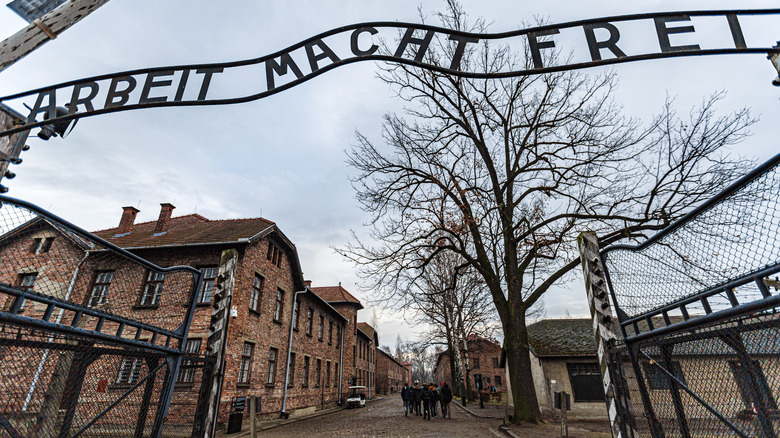
Undoubtedly, some of Europe's most sobering sites are the former Nazi concentration camps — and one of the most infamous is an essential day trip from Kraków. Just 30 miles west of the city, Auschwitz-Birkenau is a hallmark of the horrors perpetuated here against European Jews, Poles, Roma, and select minority groups, at the hands of the Third Reich. While many of the Nazi-built concentration camps were for slave labor, Auschwitz-Birkenau was designed for extermination. In fact, it became the biggest site of the Nazis' notorious "Endlösung der Judenfrage" (or final solution to the Jewish question). It's estimated that at least 1.5 million people were murdered here, many on arrival in the gas chambers, and others through torture, abuse, and starvation.
Auschwitz-Birkenau has been preserved nearly as it was when it was liberated by Russian troops in 1945. A memorial and a museum, the barbed wire gates, gas chambers, and even the grim metal sign over the gate reading "Arbeit Macht Frei" ("Work will set you free") remain. The site is a stark reminder of how the Holocaust was carried out, preserving the memories of those who were murdered and revealing the chilling system that enabled these crimes.
Connected via on-site bus, we recommend you plan to spend at least three hours between them, if not more. Particularly harrowing are the collections of personal possessions stripped from the victims upon their arrival, from shoes to clothes, and the horrifying room of human hair saved from shaved heads. The collection of such items is further evidence of the Nazis' determination to strip their victims of their dignity and identity, as well as, ultimately, their lives.
Wieliczka Royal Salt Mines
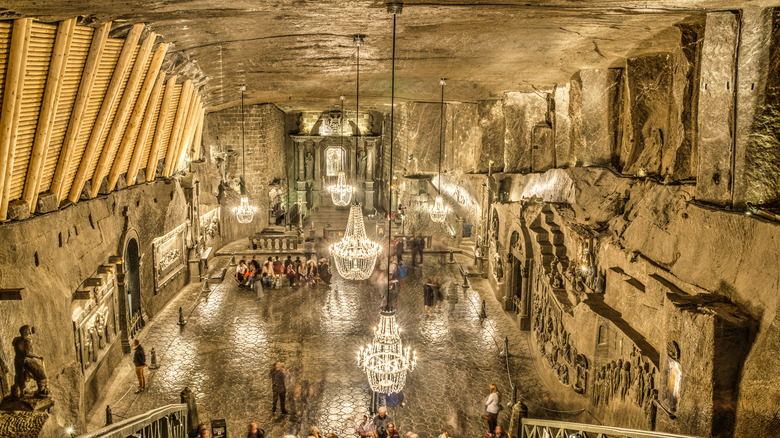
Salt was once so rare and highly coveted throughout the world that armies fought for it and entire empires built their wealth on this so-called "white gold." Today, one of the oldest salt mines in the world — the Wieliczka Royal Salt Mines, located in the eponymous town outside of Kraków — has been transformed into a unique tourist destination that features an awe-inspiring underground salt cathedral. The excavation of the Wieliczka dates back to the Middle Ages, when it was known as the "Magnum Sal," or "Great Salt."
Over the years, the large chambers left behind after salt removal have been turned into workshops, storage rooms, chapels, and even grand halls crowned with chandeliers. Since the mines are so massive — and in some sections, still being mined — visitors can only explore around 2% of the sprawling complex, but that's still plenty to knock your socks off. Specifically, 20 chambers are available to visit along the tourist route, along with mine shafts, tunnels, ramps, and more. For a truly unique experience, attend a classical music concert in the expansive Chapel of St. Kinga of Poland, or spend the night deep down in the mine.
Warsaw Old Town and Warsaw Uprising Museum
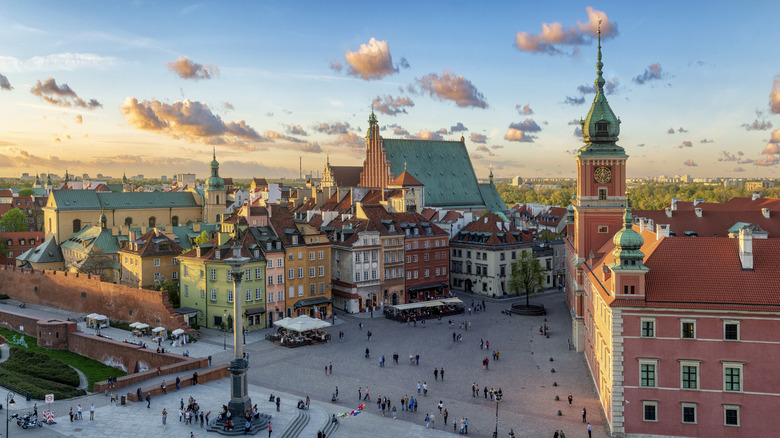
Unlike Kraków, Warsaw was almost flattened during World War II. But, after the war, the charming old town was essentially rebuilt, brick by brick, and it's now a lively, picturesque, peaceful center. It's also become a well-known destination for adventurous foodies, packed with innovative restaurants showcasing the best of Polish cuisine (bagels, pierogi, and beer, oh my!), often with a modern twist.
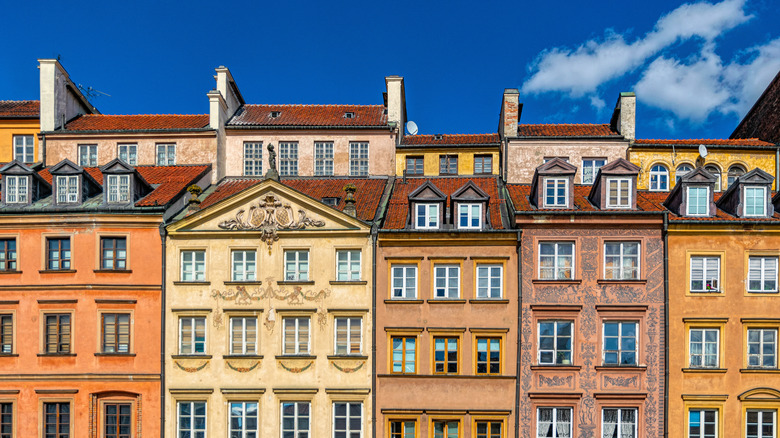
The entire historic center of Warsaw is a rare addition to the UNESCO World Heritage List, as around 85% was destroyed before it was rebuilt. However, the reconstruction process was so thorough and emblematic of a resilient nation that Warsaw's Old Town was honored with a spot on the list despite relative newness. So much so that visitors will be hard-pressed to distinguish the buildings that did survive the war from the rebuilt ones. The beautiful buildings, cobbled streets, green roofs, and charming cafes make for a lovely square to discover.
While exploring Warsaw, a visit to the Warsaw Uprising Museum is a must. Dedicated to the 1944 Warsaw Uprising — a major resistance operation in which Polish fighters attempted to liberate the city from German occupation — the ultimately unsuccessful uprising was the main reason Warsaw was systematically demolished by German troops, leading to the death of approximately 260,000 Poles and 16,000 Germans. Nowadays, the Warsaw Uprising Museum showcases the sacrifices of these brave troops and civilians who nearly took back their city, and tells the story of Warsaw under Nazi rule.
The gnomes of Wrocław
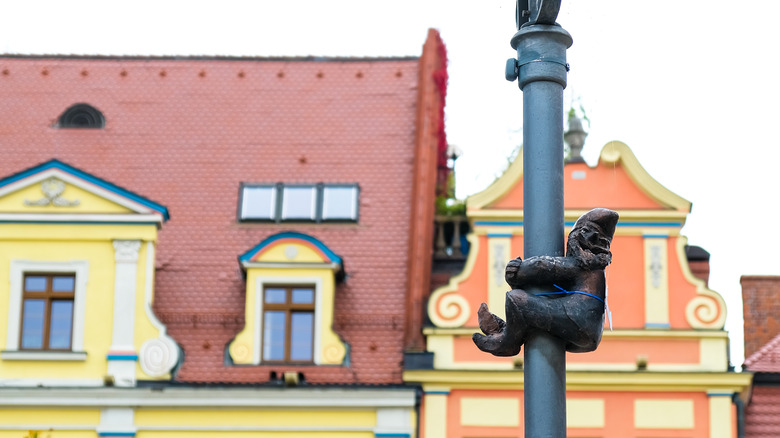
Wrocław may just be the most quaint town in Europe. This thousand-year-old city is known as the "City of Bridges," thanks to the dozens of structures that cross the River Oder and connect to Cathedral Island, where the city was established as a fort in the 10th century. Visit the island to see historic monuments like the grand twin towers of the Cathedral of St. John the Baptist — and if you're there at sundown, spot the historic gas streetlights getting lit by hand. Cross another of the city's picturesque bridges into the stunning Old Town Square, complete with the Gothic towers of the Old Town Hall, colorful facades, picturesque restaurant patios, and even one of Europe's oldest bars.
And there's also the gnomes, of course — climbing lamp posts, selling flowers, and even in jail. Wrocław's dwarves originally began as a symbol of the anti-communist Orange Alternative movement during the 1980s. One local told the BBC that, "The dwarves gave us something to laugh at ... [and helped] encourage people not to be afraid." This was so effective that the movement became known as the "Revolution of Dwarves," revealing cracks in communist authority.
Over the years, the dwarves became synonymous with the city when a local artist was commissioned by the mayor to create five gnome statues. There are now an estimated 600 of them, and the city even has a website for visitors hoping to do some dwarf-hunting. The locals have also embraced the dwarves fully: In the winter, a beloved tradition in this hidden gem holiday destination is to dress them up in tiny hats and mittens.
Gdańsk's Riverside, Old Town and Shipyard
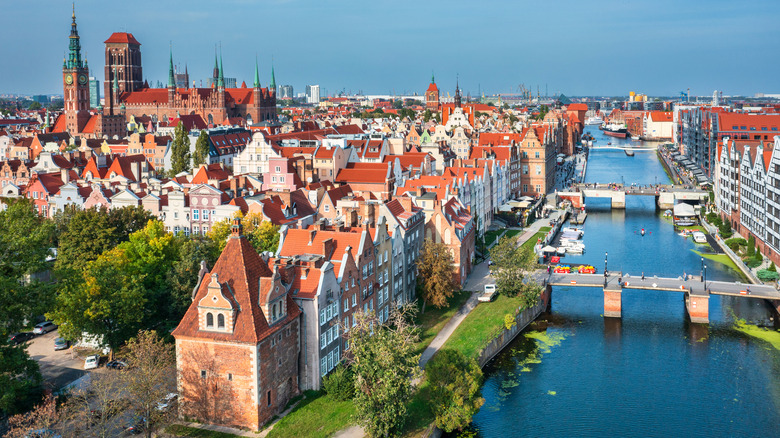
It's hard to choose the most beautiful city in Poland, but Gdańsk might just take the crown. Poland's laidback, picturesque canal city is also the site of many pivotal moments in Polish history, including events in World War II and under Soviet rule. Back in the 16th and 17th centuries, Gdańsk was the richest city in Poland thanks to its thriving port. This wealth is still evidenced in the gorgeous Old Town, home to the Royal Way, and the ornate buildings along the river, enhanced by a maritime atmosphere and lively population.
Like much of Poland, Gdańsk has a reputation that precedes it but doesn't necessarily align with the current times — and that's as an industrial, war-torn city. In 1939, Hitler fired the first shots of World War II at Gdańsk's harbor, and the Soviet battle to liberate it from the Nazis turned a large portion of the city to rubble. The locals painstakingly rebuilt, difficult under the thumb of the Soviet Union. In the 1980s, Gdańsk once again made international news as the forefront of the Solidarity movement, led by shipyard workers, which became a key element in ending the Cold War. To learn more about the movement, visitors can head to the European Solidarity Center located in the shipyard.
Gdańsk is proud of its history, and this shines through in the well-preserved historic streets, gleaming cobblestones, medieval Gdańsk Crane on the riverside (the oldest of its kind in Europe), stately brick churches, and charming red roofs. This beautiful, bustling city is the furthest thing from grim, no matter what you may imagine from history books.
Malbork Castle
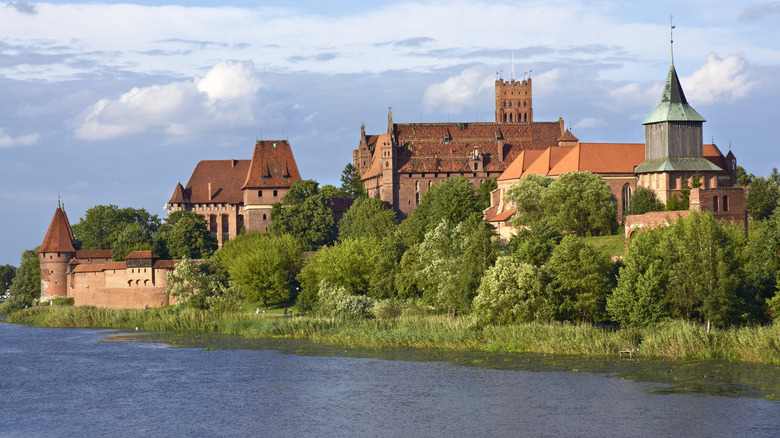
An essential day trip from Gdańsk is the massive Malbork Castle — an impressive beauty considered one of the largest castles in the world by land area. The red-brick, UNESCO-listed architectural marvel was originally built in the 13th century as a monastery for the Teutonic Order. Since then, it has stood tall along the Nogat River through hundreds of years of Polish history, including devastating bombing during World War II. Thanks to the extensive renovations required after the war (and decades of neglect prior), Malbork now looks much as it did hundreds of years ago.
Located about 30 minutes from Gdańsk via train, Malbork Castle now functions as a museum. Wandering across the drawbridge, through large courtyards, along high walls, and through towers and vaulted chambers will take you straight back in time. See the kitchen with its enormous fireplace, the gorgeous Great Refectory with its ornate ceiling, a chapel holding former masters, and a collection of ancient armor. Since the Teutonic Knights once controlled the entire coast, where most of the world's amber originates, the castle is also home to incredible exhibit dedicated to amber — featuring everything from raw amber pieces to jewelry and Neolithic-era artifacts.
For the most iconic views, cross the Nogat River along a picturesque footbridge to see a full panorama of Malbork. It's especially beautiful in late afternoon and during sunset, when the sun hits the bricks to marvelous effect. You can also walk along the riverbank to U Flisaka for views with a beer.
Beaches on the Hel Peninsula
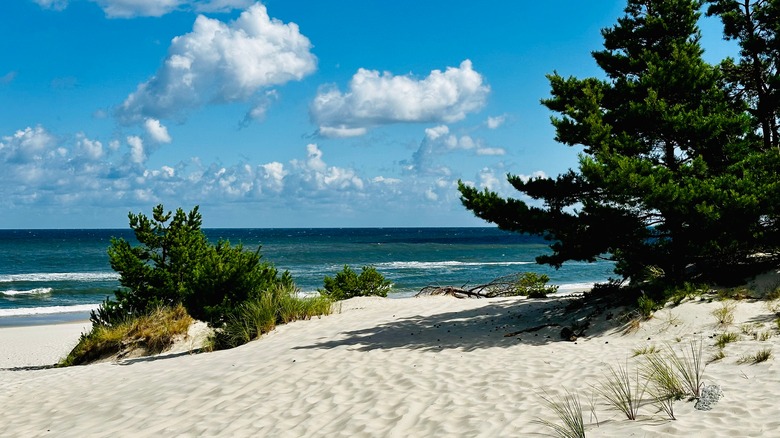
You may not associate Poland with beaches, but with a respectable stretch of coastline along the Baltic Sea, the country has its fair share of pristine, usually uncrowded, sandy havens. Across the water from Gdańsk is the idyllic Hel Peninsula, which some refer to as "Hel on Earth" (the jokes write themselves), which features long stretches of white sand running for miles into the dark blue of the Baltic.
The main town, Hel, is connected to Gdańsk via ferry. Meanwhile, the rest of the towns and beaches along the peninsula are connected by road, train, and occasionally ferry. At certain sections, the peninsula is narrow enough to see peeks of ocean through the forest from either side.
In addition to its beaches, the town of Hel is also known for its seal sanctuary, a picturesque lighthouse, and the Museum of Coastal Defense — a small museum dedicated to the peninsula's experience during World War II. Hel town also has the most tourist infrastructure, although you'll likely find quaint inns, hotels, campgrounds, and cafes scattered along the entire peninsula. Other than beachcombing and chowing down on fresh fish, the Hel Peninsula is known for windsurfing, sailing, and regular surfing.
Gingerbread in Toruń
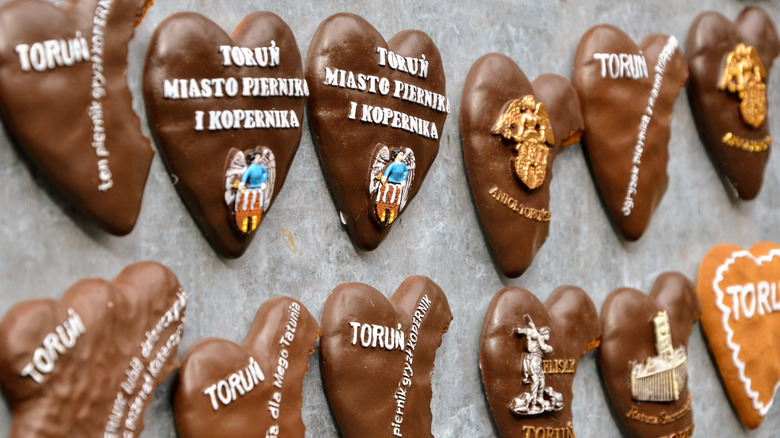
Although gingerbread wasn't technically invented in the charming Polish town of Toruń, it may as well have been, as the city is essentially dedicated to this classic treat and is even considered the gingerbread capital of the world. Visit multiple gingerbread museums and exhibits, admire facades that look remarkably like gingerbread houses, and, of course, sample the unique Toruń gingerbread — a variation of the traditional spiced dough that's been prepared for centuries as a treat, medicine, and even decoration.
In addition to the gingerbread, the Medieval Town of Toruń has been on the UNESCO World Heritage List since 1997, and is also known as the birthplace of famed astronomer Nicolaus Copernicus. After you've eaten your fair share (and more) of the classic Toruń gingerbread — and potentially even learned to make your own during a special class at the Gingerbread Museum — walk the town's red walls along the banks of the Vistula River for sweeping views. Alternatively, visit the house where Copernicus himself once lived, explore the museum dedicated to his life and life's work, and pay further tribute with a visit to the modern Planetarium.
Zakopane and Tatra National Park
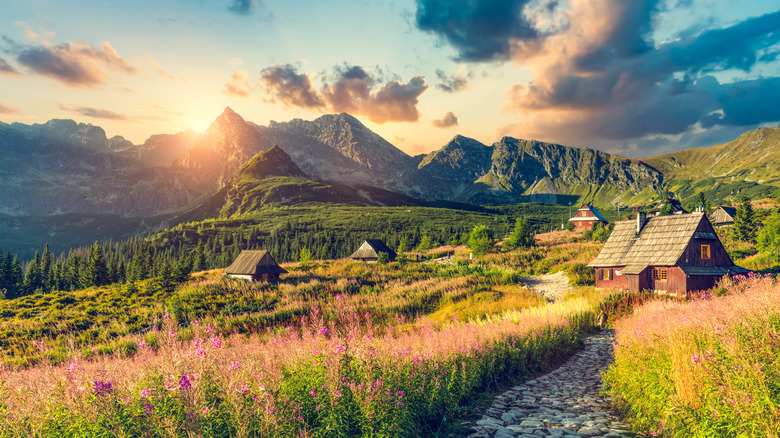
Poland has a not entirely undeserved reputation as being flat, flat, flat ... but head to Tatra National Park and you'll likely rethink that opinion. The awe-inspiring mountains are home to Zakopane, one of Poland's most charming towns and a tourist paradise with breathtaking views and recreation. A hip mountain town with some of the best skiing in Poland, along with some of the country's best hiking, it's a perfect destination for outdoor lovers who want to add a little adventure to their travels.
About two hours south of Kraków, Zakopane is the gateway to Tatra National Park — the highlight of Poland and Slovakia's incredible Tatra Mountains — which crisscross the border with snowy peaks, deep valleys, and turquoise mountain lakes. The highest peak, Mount Rysy, is located on the Polish side, and boasts some of the most beautiful scenery in the country.
While most travelers head to the region for hiking in the summer and skiing in the winter, autumn and spring in Zakopane and the Tatras are also stunning — especially when the leaves turn vibrant or the meadows burst with flowers. Along with its dramatic beauty, the region is also home to some of Europe's mountain wildlife, including marmots, chamois, golden eagles, and even bears.
Poznań Market Square and Gniezno Cathedral
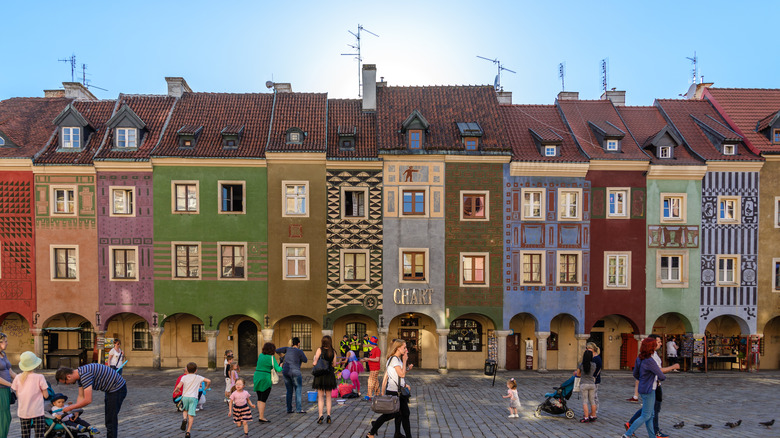
Located halfway between Warsaw and Berlin, Poznań is one of Poland's oldest cities full of markets, castles, and cuisine. For history with a side of whimsy, explore the town's Market Square, which is lined with colorful, uniquely-painted facades. Dating back to Poznań's founding in 1253, the Old Market Square has remained the city's heart for centuries. Today, it's still the lively center of it all with its beautiful old town hall, open cafes, and numerous events. That said, it especially comes to life at dusk.
The Town Hall Clock Tower is also home to Poznań's famous goats, which appear every day when the clock strikes noon. According to local lore, once the hall was rebuilt after a fire, two goats escaped the kitchens where they were slated to be cooked and made their way up to the new tower. Below, hundreds of townspeople were waiting to celebrate the new building. However, the two goats began butting heads, ultimately stealing the show. As a result, the goats became one of the city's favorite emblems.
Another must-see when in Poznań is not actually in Poznań, but in the nearby city of Gniezno. Often considered the "birthplace of Poland," Gniezno is also home to one of the country's oldest and most important cathedrals. Under one hour outside of Poznań by train, the twin towers of the dramatic Gniezno Cathedral can be seen for miles.
Methodology
For this article, we primarily relied on Poland's tourism boards, country and area-specific, as well as Poland travel websites, general travel blogs, and other travel experts. As Poland has an astonishing 17 UNESCO World Heritage Sites, we also went directly to the source for much of our research. All of this, combined with the author's personal experience, as well as reviews from travelers on websites like Tripadvisor and Reddit, helped us compile a comprehensive list that outlines 11 of Poland's top attractions — from medieval squares to castles, mountains, and beaches.