

The Affordable, Tourist-Friendly Tropical Paradise That Belongs On Your Travel Bucket List

Vietnam is an enchanting country, rich in culture and diverse landscapes, with a storied history that will continue to impact its people and identity for centuries to come. From the terraced rice fields of Mù Cang Chải to its stunning archipelagos in the South China Sea and hidden beaches that have starred in Hollywood blockbusters, including "Kong Skull Island" and "Pan," Vietnam offers countless reasons to place it atop your travel bucket list.
Perhaps Vietnam's biggest draw for travelers on a budget, however, is its affordability. Travelers can enjoy budget-friendly transportation, a diverse array of inexpensive foods, and countless opportunities to explore the country's otherworldly natural beauty, all with a minimal financial investment. Budget travelers who enjoy staying in hostels, grabbing a bite from a local night market, and using public transportation, can expect to spend around $20-30 per day. Travelers who don't mind splurging on more creature comforts can plan for $50-$90 per day, with the majority of additional costs driven by private hotel accommodations and restaurant dining experiences.
Although Vietnam is an affordable vacation destination, costs can add up quickly without proper planning, or if you lean toward the luxury side of travel. High-end accommodations vary widely by room type and location, with nightly rates climbing into the hundreds, while fine-dining and elevated food experiences quickly inflate overall expenses. Airline ticket prices to Vietnam also fluctuate throughout the year, with the most affordable time to fly being March to April and September to October, during Vietnam's off-season.
Big cities, serene beaches, and hidden gems abound in Vietnam

Vietnam's capital, Hanoi, is the ideal starting point for any first-time visitors to the country. It is easy to navigate, has endless affordable accommodation and dining options, and perfectly showcases Vietnam's vibrant, diverse, and world-renowned nightlife. Two hours from Hanoi by plane, Ho Chi Minh City is another tourist-friendly hub, serves as the country's economic center, and is an energetic, bustling, and culturally diverse must-experience destination. Steeped in a rich and sometimes divisive history, Vietnam's second metropolis honors the history and effects of the Vietnam War while simultaneously leading the country's smart and sustainable future. Both cities are welcoming to tourists and offer fun and exciting opportunities to dive headfirst into Vietnam's vibrant and ever-evolving blend of tradition, modernity, and cultural expression.
For a slower pace and an unspoiled taste of Vietnam's true tropical lifestyle, escape to Phú Quốc. This enchanting and secluded island getaway is steeped in cultural and culinary significance, lined with pristine beaches and surrounded by lush mountains, enticing many visitors to return year after year. The island has over 93 miles of gorgeous beaches, with more than half of its footprint being a UNESCO-protected biosphere reserve, teeming with waterfalls, mountain hikes, and multiple locales for water sports, snorkeling, and diving. Even with all the exciting island has to offer, hotels are still very affordable, starting at around $20 a night, even during Vietnam's high season.
Centrally located on the country's east coast, Da Nang is a lively beach town with a thriving and ever-growing digital nomad and expat community. Replete with stunning, Instagram-worthy sites, including the Golden Hands Bridge, Dragon Bridge, and the internationally recognized My Khe Beach, Da Nang is an ideal destination for active travelers seeking both short and long-term stays. With its budget-friendly accommodations, thriving food scene, and picture-perfect beaches, Da Nang offers the perfect balance of Vietnam's urban comforts, tropical paradises, and affordable lifestyle.
Things to know before you go to Vietnam
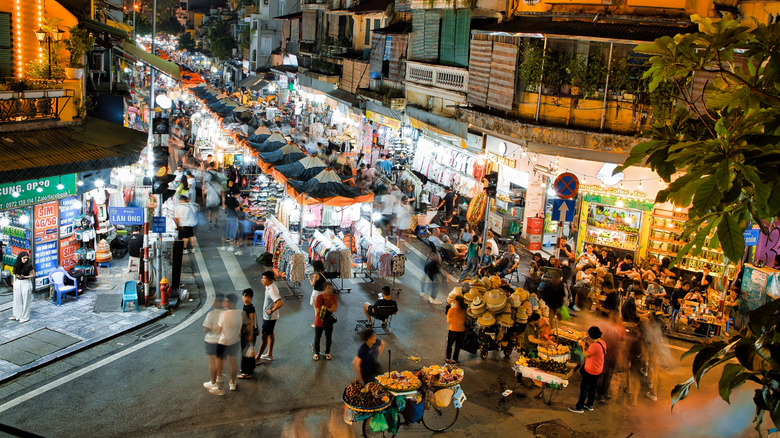
While Vietnam is an affordable, safe, and welcoming vacation destination, there are a few things every tourist must know before visiting. In addition to understanding pedestrian safety while navigating a chaotic traffic system, following the necessary precautions for solo travel, and having a general understanding of how to spot potential scams, travelers should be aware of more mundane factors to make the most of their time (and money) in the Land of the Blue Dragon.
While not the same in every city, Vietnam has a relatively robust public transportation system, with bus and train operations that service much of its extensive countryside. As transportation options vary by city and even time of year, be sure to plan, and in some cases book, your travel well in advance. Because of Vietnam's expansive footprint, whether you're staying in one of its iconic big cities or venturing to its secluded interior to experience authentic Vietnamese rural farmstays, it's important to plan enough time in your schedule to navigate based on your chosen mode of transportation.
For the best airline fares, book your ticket at least three months in advance and fly into Vietnam's major travel hubs, including Hanoi and Ho Chi Minh City, venturing out to other parts of the country via domestic flights, trains, or other means of local transportation. Additionally, before purchasing a round-trip ticket, compare the cost of two one-ways, as this can sometimes result in lower overall costs. Finally, it's best to avoid visiting Vietnam during the summer and Lunar New Year (January or February, depending on the lunar calendar) to make your dollar stretch even further. However, no matter your travel style or season, Vietnam stands out as one of the top international destinations for a dynamic yet affordable getaway.