

Madrid's 13 Best Tourist Attractions For First-Time Visitors
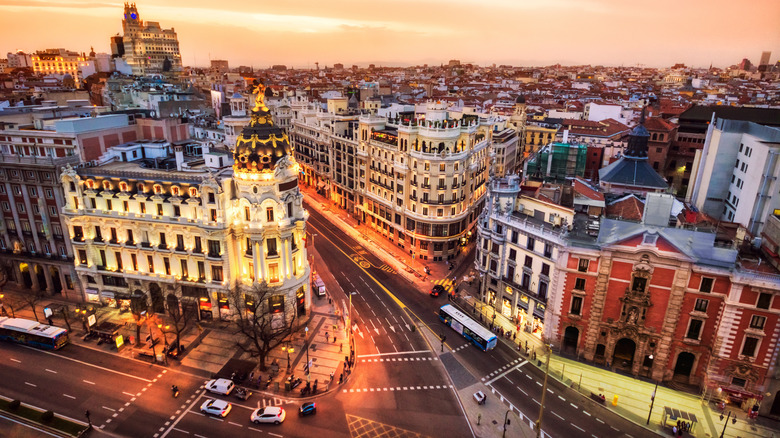
Centuries of history are reflected in the way Madrid exudes royal grandeur. Elegant palaces, stately boulevards, and architectural treasures dominate the city's historic central neighborhood of Austrias. The old Habsburg quarter is where the city first flourished in the 16th and 17th centuries. Here, key landmarks like Plaza Mayor and the Royal Palace showcase the monumental architecture that continues to define the country's political, cultural, and geographic center.
But Madrid's charm extends far beyond its monuments. One of Europe's most walkable cities, the Spanish capital has a bold creative streak that animates its streets day and night: from cafes and tapas bars to vibrant plazas filled with vendors and performers. It's a city known for its world-class art institutions, late-night energy, and lively foodie culture and cuisine that some say even rivals that of New York City.
For first-time visitors, discovering Madrid requires moving between these worlds — balancing its formal and informal expressions of culture, from world-class museums to life in the streets. This list highlights places that introduce newcomers to the spirit of Madrid, including its history, artistry, and the everyday rhythms that make it so unique.
Plaza Mayor

Plaza Mayor is Madrid's grand central plaza, holding untold secrets from four centuries of Spanish history within its walls. The plaza's first structures were erected in the 16th century, when Spain was part of the vast and mighty Habsburg empire. Today, it forms the center of the city's historic district.
As you walk through the plaza, imagine the many crowds that once gathered to witness everything from bullfighting to executions. Unlike other royal plazas, the surrounding residences in Plaza Mayor are privately owned. In the days when the plaza operated as a theater for major public events, people would rent the rooms as viewing balconies to wealthy aristocrats.
At street level, these historic buildings are inhabited by modern cafes, restaurants, and shops. For example, Las Cuevas de Luis Candelas is a renowned restaurant located in a centuries old cellar beneath the Plaza, offering an impressive (albeit pricey) menu of traditional Castilian cuisine. Also, don't miss the Arco de Cuchilleros in the southwest corner, one of the most architecturally significant of the 10 entryways to the plaza.
Parque del Retiro (El Retiro Park)

Madrid's largest park, El Retiro covers more than 300 acres and is often referred to as "the lungs of the city" for its thousands of trees. It was originally built in the 17th century to satisfy the King's desire for a place of leisure away from the demands of the throne. Today, it's recognized as a UNESCO World Heritage Site and is filled with various smaller gardens, sculptures, fountains, a lake, and historic royal buildings.
Make a grand entrance in the northwest side of the park through Puerta de Alcalá, an immense triumphal arch that is an iconic landmark of the city. Rent a rowboat to cross the Great Pond of El Retiro, an artificial lake with stately columns and statues making for a totally picturesque backdrop. On the other side, head toward the Palacio de Cristal, a magnificent 19th-century greenhouse built to house plants from the Philippines, which was a Spanish colony at the time. Finally, take a turn around one of the world's only public monument dedicated to Lucifer, before making a final stop to smell the more than 4,000 roses in the rose garden.
At its best, El Retiro is the perfect place for a long walk and peaceful picnic in the heart of the city. You can also rent a bike or scooter and roll along its winding paths lined with carefully landscaped florals.
Museo del Prado (Prado Museum)
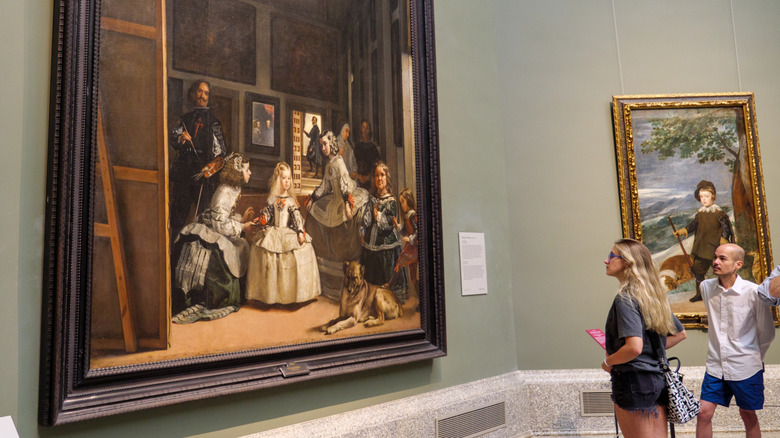
From the Renaissance and Baroque to Cubism and Surrealism, the defining eras of Spanish art history are archived here in the Museo del Prado. This museum is home to the largest collection of Spanish paintings anywhere in the world. It's the place to go if you want to see and learn about Spanish art history — starting all the way back in the 11th-century, when the Muslim Moorish kings ruled over Spain.
The museum is also home to the most complete collections of many Spanish painters including El Greco, Velázquez, Rubens, Goya, and others. One of the most famous paintings on exhibit is "Las Meninas" by Diego Velázquez, who received patronage from King Philip IV. It's considered an enigmatic masterpiece of the 17th century. Beyond that, it's also home to many masterpieces outside the Spanish canon — including Dutch painter Hieronymus Bosch's famous triptych, "The Garden of Earthly Delights."
The museum is located in the historic center of the city, and is part of what's often referred to as the Golden Triangle of Art, which also includes the Museo Reina Sofía and the Museo Nacional Thyssen-Bornemisza. Audio guides and guided tours offer insightful context for what can otherwise feel like an overwhelming experience for first-timers. Recommended itineraries for self-guided tours are also available in one-, two-, and three-hour formats.
El Rastro Market
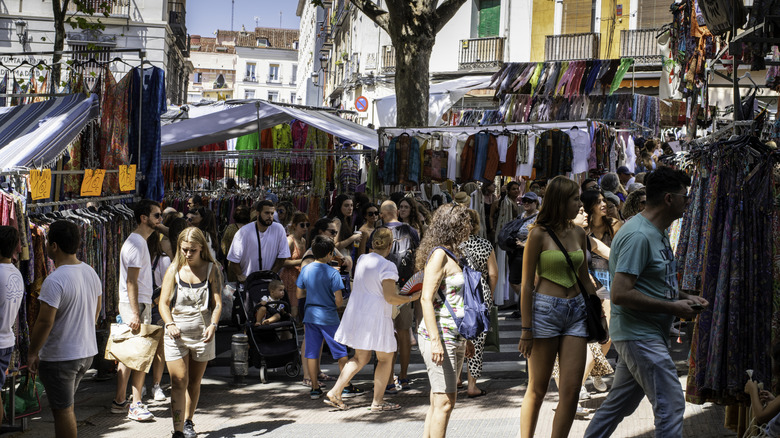
There's nothing quite like standing amidst the throes of one of Europe's largest flea markets, as bargainers from near and far seek out the best deals. El Rastro takes place every Sunday and on certain holidays from 9 a.m. to 3 p.m., and offers a vast range of vendors displaying wares in stalls, shops, and on the pavement. It gets extremely crowded on the main corridor, but visitors note that the side streets and alleys often offer better-quality goods anyway.
One of the best things to do if you only have one day in Madrid, the market is located on the site of what was once the city's slaughterhouse and tanneries in the 17th century — back when the area technically sat outside the city limits. Rastro means "trail," and is thought to originate from the traces of blood left from transporting animal carcasses for slaughter.
Today, although you won't find meat, you will find the kind of variety you'd expect at a sprawling flea market: music, clothing, books, antique furniture and decor, food, and an assortment of artisanal, locally made goods. Live performances often fill the streets and add to the lively atmosphere.
Tapas in La Latina
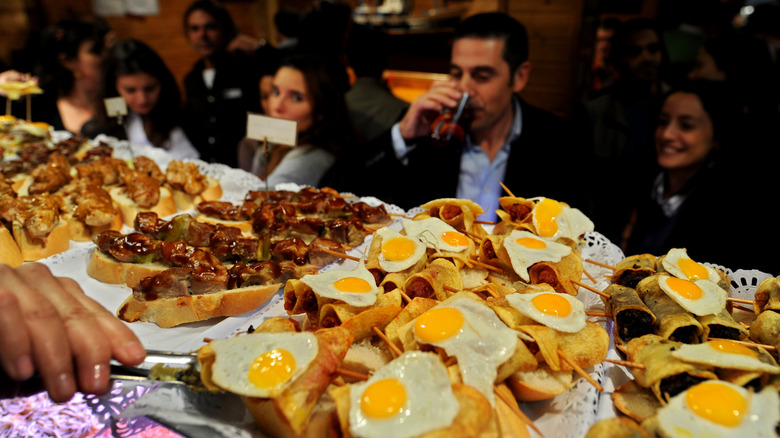
In Spain, tapas are not just snacks — they're woven into the fabric of daily life. It's the way friends, coworkers, and families make time to gather. While tapas outside of Spain are often expensive or overly stylized, in Madrid, you can find them as they were meant to be: simple, high quality, and affordable. And sampling them in the La Latina neighborhood gives visitors a true taste of this central pillar of Spanish culture.
La Latina hosts one of Madrid's most vibrant and varied tapas scenes. Calle Cava Baja in particular is said to somehow cram together more than 50 tapas bars in the span of less than half a mile. Here, you will find century-old taverns like Taberna Tempranillo, specializing in wine pairings, as well as modern spots experimenting with a more contemporary ambiance such as Restaurante La Cava.
Some classic staples include patatas bravas (fried potatoes with spicy sauce), tortilla española (Spanish omelet), croquetas (fried balls usually stuffed with meat or cheese), and jamón ibérico (Iberian ham). For those willing to try something a little more out of the ordinary, Madrid is also famous for callos a la madrileña, a tripe stew.
Museo Reina Sofía (Queen Sofia Museum)
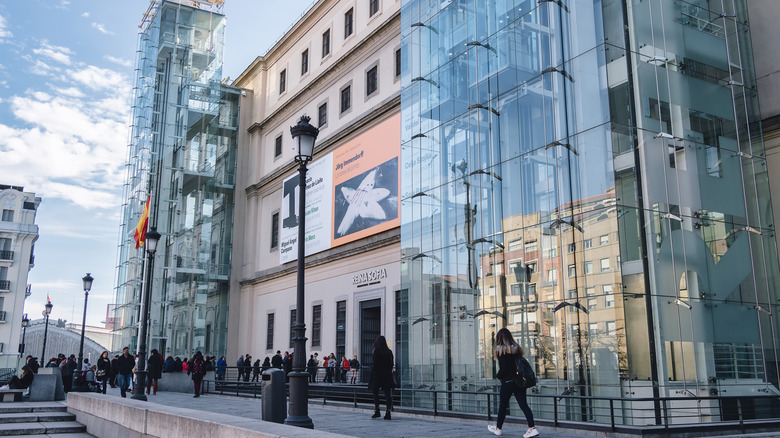
A visit to the Museo Reina Sofía is one of the most impressive experiences for first-time travelers to Madrid, thanks largely to its most famous work: "Guernica," by Pablo Picasso. This monumental canvas, created in 1937, captures the horror and trauma of the Spanish Civil War in a way that words simply cannot. While you can read about the war's destruction and political turmoil, standing in front of the painting offers a visceral understanding of a pivotal moment in Spain's modern history.
The sheer scale of the painting makes it powerful. At 25 feet wide and 11 feet tall, "Guernica" immerses viewers in its stark, chaotic landscape. The museum provides context through free guided tours, and special exhibitions seek to rethink the painting through a contemporary lens — allowing viewers to deepen both their historical understanding and their appreciation of Picasso's monumental contribution. Beyond this masterpiece, the Reina Sofía also houses one of the world's most important collections of modern and contemporary Spanish and Latin American art.
For first-time visitors, the museum functions as a cultural anchor. Exploring the many galleries and installations gives shape to the broader story of Spain in the 20th century.
Palacio Real (Royal Palace of Madrid)
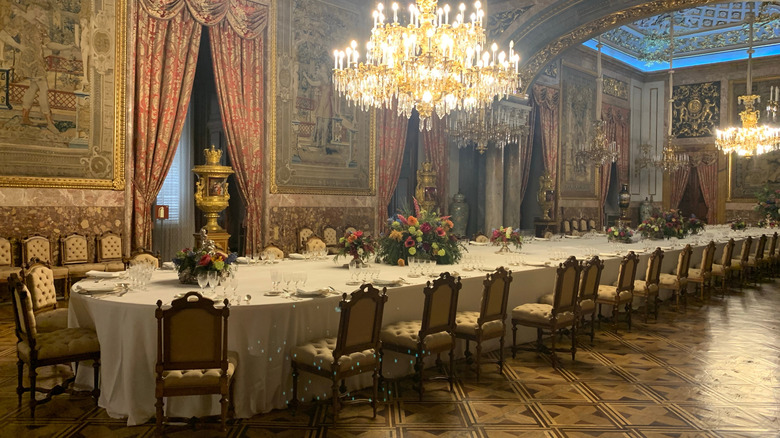
Spain is technically still a monarchy, and the Royal Palace — the official residence of the Royal Family — is open to the public. Well, parts of it at least. As the largest royal palace in Western Europe — it's nearly twice the size of both Buckingham Palace and Versailles — visitors can tour a handful of the estate's more than 3,000 lavishly decorated rooms.
That said, you're unlikely to catch sight of the royals here, since they actually live in a different palace on the outskirts of the city. Nevertheless, the indulgent 18th century Baroque building is worth a visit. With standard admission starting at about $30, guided visits take visitors on an unforgettable journey. Examine old-school weaponry in the Royal Armory, work up an appetite in the expansive Royal Kitchen, and catch a glimpse of the size of the royal ego in the over-the-top Gasparini Room. Decadent marble staircases, plush tapestries, and larger-than-life masterpieces from Spain's most distinguished painters showcase the vast historic wealth of the Spanish empire in mind-boggling proportions.
If your timing is right, you can catch the very regal Changing of the Guard Ceremony that takes place twice a week outside the palace's front gates. There are also the Sabatini Gardens to the northwest of the palace, designed in the French style of crisp hedges and scented flowers laid out in mesmerizing geometric patterns — perfect for a meditative stroll.
Las Ventas bullring
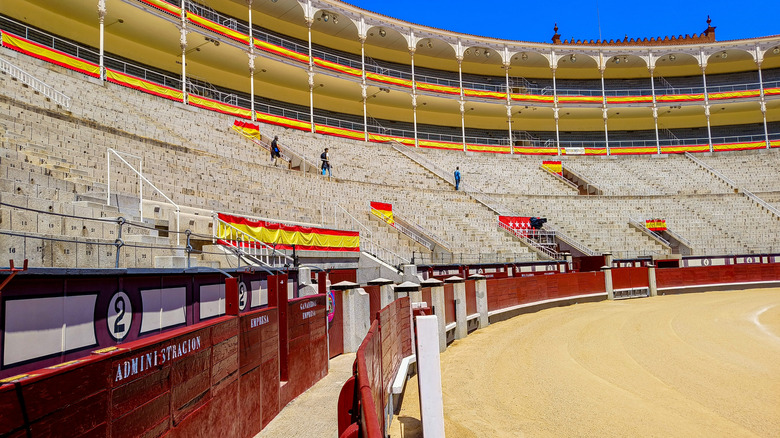
Man versus beast. Bullfighting emerged in the Iberian Peninsula in ancient times as one of the first public spectacles in the world. Today, it continues evolving as one of the most intense spectator sports in modern times. The Las Ventas bullring is the largest bullfighting ring in Spain, and one of the largest in the world, with seating for nearly 24,000 spectators. Despite increasing animal-welfare bans on bullfighting across many countries — including some regions of Spain — Madrid's ring is still home to a regular annual season of matches.
Visitors can take a guided tour of the immense ring that was built in the early 20th century in the Neo-Mudejar style. The museum on site offers a deep dive into the symbolically powerful culture of bullfighting, including its colorful costumes, expressions, and rituals. Visitors can get to know some of the greatest bulls and matadores (bullfighters).
Each May, the Las Ventas bullring celebrates the Fiestas de San Isidro with the biggest bullfighting event in the world. It centers around the May 15 feast day of the city's patron saint, Saint Isidro, and accompanies many other festivities in the city by featuring lineups of the biggest names in the sport for back-to-back fights.
Mercado de San Miguel (San Miguel Market)

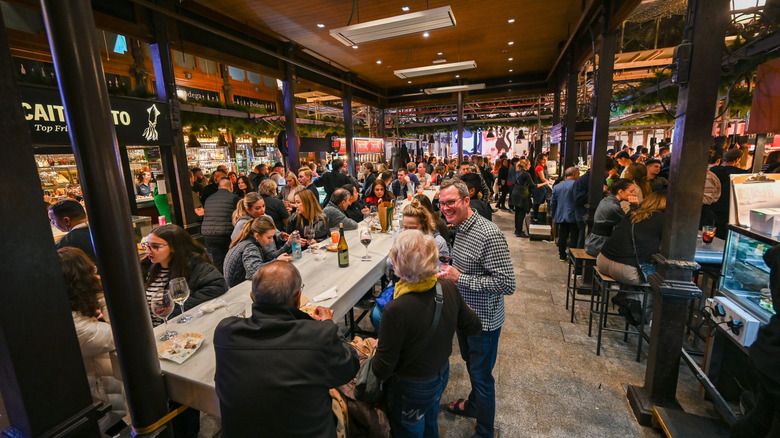
The San Miguel Market is the iconic central market of Madrid. For more than 100 years, it's been home to local agricultural entrepreneurs and chefs serving up classic Spanish tapas and offering fresh produce to locals and visitors alike. Browse the more than 30 food stalls and you will likely walk away feeling just as good — if not better — than if you'd booked a table at an exclusive, upscale restaurant. After all, the best way to enjoy dinner in Madrid is with a handful of tapas from different vendors and food counters — that way, you can try it all.
Built at the turn of the 20th century, this market is a wrought-iron and glass beauty. It gets quite crowded during peak hours, especially on the weekends, and the best time to visit is during the week after the lunch rush. Thankfully, the market is open quite late: until midnight during the week and until 1 a.m. on the weekends.
The San Miguel Market also offers a number of events throughout the year. For example, you might stumble across an oyster-shucking master class, or a community concert of live music and dancing. Ultimately, it's a lively place for celebrating authentic vibrant flavors of Madrid.
Teatro Real (Royal Theater of Madrid)
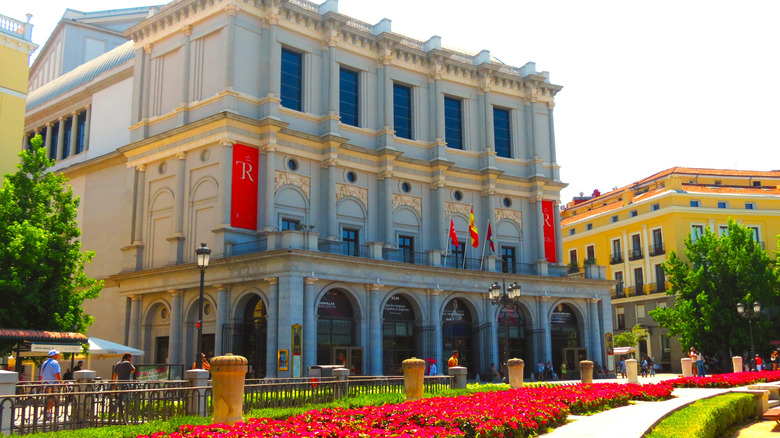
The Royal Theater of Madrid is Spain's national opera house. Its central location in the Plaza de Oriente — just across from the Royal Palace — is a testament to how contemporary arts in Spain hail from a monarchical heritage. Its annual programming features opera, of course, but also a wide array of other performing arts such as dance, chamber music, and flamenco — the famous music and dance form that hails from the south of Spain.
The building, as it stands today, was built to replace the original theater that arose during the 18th century and eventually fell into ruins due to structural challenges. One of its most unique features can only be appreciated from an aerial perspective: from above, the building takes the shape of a coffin. There are several different guided tours, some of which take visitors backstage into the rehearsal room, as well as onstage to see the gorgeous hall that seats nearly 2,000 from the perspective of the performers. The stage itself is also known for its capacity to accommodate highly complex set changes due to its 18 removable platforms and enormous size.
Whether you visit from the outside in Plaza de Oriente, take a guided tour, or grab a royal red-velvet seat to experience some of Spain's most vibrant creative energy for yourself, this theater leaves no visitor unimpressed.
Templo de Debod (Temple of Debod)
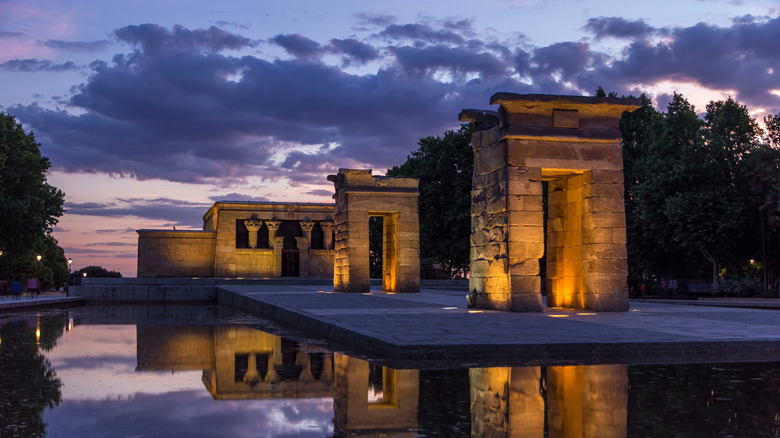
A strange twist in history made it so that a massive 2nd-century B.C. temple from the ancient Kingdom of Nubia now makes its home in the center of Madrid. It's a unique landmark in the city's modern landscape, located in the Moncloa-Aravaca neighborhood. Its east-to-west orientation, mirroring its original position back in Egypt, makes it a popular place to take stunning photographs at sunset.
The Temple of Debod was originally a site of religious worship that stood in the Nubia region of what is today known as Egypt. In the 1960s, Egypt was preparing to build a hydroelectric dam that would flood a number of archaeologically significant sites, including the Temple. In order to preserve these gems of shared human history, a global campaign was launched to save the historic structures. Spain stepped up as one of the largest foreign financial contributors in solidarity with the project, and eventually an agreement was reached to relocate the Temple of Debod to Madrid.
It took more than a decade to deconstruct, transport, and reconstruct the temple stone by stone in a meticulous and unparalleled process of preservation. During the day, you can see hieroglyphs, reliefs, and exhibits on the temple's history. Access is free but limited, so you're encouraged to book tickets in advance. At night, the temple is illuminated and offers visitors exclusive access to ancient Egyptian right in the heart of Madrid.
Thyssen-Bornemisza Museum

The Thyssen-Bornemisza Museum is sometimes considered the hidden gem of Madrid's "Golden Triangle." While the Prado and the Reina Sofía tend to draw the most attention, the Thyssen stands out for the breadth of its collection. Offering a sweeping overview of European art history under one roof, this diversity makes it especially appealing for travelers who want to check out a more comprehensive collection of artistic movements. From medieval altarpieces to Impressionism, Expressionism, and even 20th-century American pop art, visitors will find something to marvel at.
Part of the museum's charm is that it isn't limited to Spanish artists or a single historical narrative. Instead, it showcases masterworks from across Europe and beyond that often fills the gaps left by other museums. Many travelers find this range refreshing — especially if they've already visited one or both of the other major museums. As one reviewer put it on Tripadvisor, the Thyssen has a "you name it, they got it" kind of energy.
Barrio Malasaña
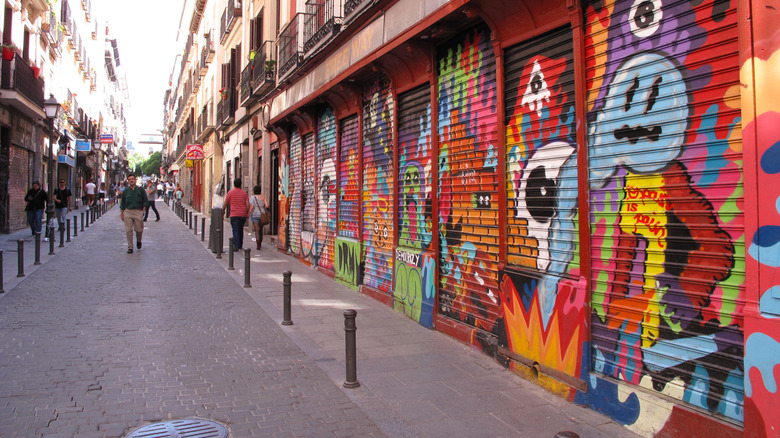
The flair of Spanish nightlife is one of a kind — and Barrio Malasaña is one of the best neighborhoods to catch a glimpse of it. Located just north of the Gran Vía and west of the trendy Chueca district, it's easy to get to by foot or metro via the Tribunal or Noviciado stations. The neighborhood is famous for its role in La Movida Madrileña, a countercultural movement that swept Madrid after the end of Franco's dictatorship. That rebellious, artistic energy still defines the area today with its graffiti-covered streets and bustling plazas.
Classic bars like La Vía Láctea and Tupperware evoke the punk and pop culture aesthetics of the 1980s, while spots like 1862 Dry Bar offer top-tier craft cocktails in a more upscale and refined setting. If live music is your jam, you'll find everything from indie rock to electronica at venues such as Café La Palma, Sala Maravillas, or the intimate El Intruso. It's not unusual for evenings in Malasaña to stretch well past midnight and into the early morning.
Methodology
The selections in this article are based on a synthesis of multiple sources and firsthand insight, ensuring first-time visitors to Madrid experience the best of what the city has to offer. "Best of" lists from established travel publications helped identify consistently recommended attractions, while popular review platforms provided a sense of what travelers found were the highlights of each experience. Additionally, local tourism sites and travel blogs were also consulted for historical context, up-to-date visitor information, and insights into which places hold cultural significance. This external research was paired with the author's personal experience traveling to Madrid.